
Imagine a kitchen that sparkles with cleanliness, free from harsh chemicals and heavy on savings. Yes, you can have it all by making your own kitchen cleaner at home.
It’s not only simple but also incredibly satisfying, knowing exactly what ingredients you’re using. You’re about to discover how easy it is to mix up a cleaner that’s effective, eco-friendly, and tailored to your preferences. Prepare to ditch those expensive store-bought options and embrace a solution that’s as kind to your budget as it is to the planet.
Ready to transform your cleaning routine? Let’s dive into the steps to creating your very own kitchen cleaner at home.
Benefits Of Homemade Kitchen Cleaners
Create homemade kitchen cleaners to save money and reduce exposure to chemicals. Mix baking soda with vinegar for effective grease removal. Add lemon juice for a fresh scent and antibacterial properties.
Making kitchen cleaners at home might seem like a small choice, but it can have a big impact on your life. You gain control over what goes into your cleaning products, ensuring they are safer for you and your family. Plus, homemade cleaners are often more affordable and environmentally friendly. Let's dive into the specific benefits of creating your own kitchen cleaners.
Cost-effectiveness
Have you noticed how store-bought cleaners can add up in cost? Creating your own kitchen cleaner is often cheaper than purchasing commercial products. With simple ingredients like vinegar, baking soda, and lemon juice, you can make effective cleaners without breaking the bank. This means more savings for other household essentials or perhaps a treat for yourself.
Eco-friendly Choices
Commercial cleaners often contain harsh chemicals that can harm the environment. By making your own kitchen cleaner, you reduce your carbon footprint. Ingredients like vinegar and baking soda are biodegradable and less harmful to the planet. Are you ready to contribute to a healthier Earth with your cleaning choices?
Safety And Health Benefits
Ever looked at the label of a commercial cleaner and wondered about its safety? Homemade cleaners use ingredients you recognize, reducing the risk of allergic reactions or exposure to toxins. You control the concentration and can adjust for any sensitivities in your household. This means a safer space for everyone, especially children and pets.
Customizable Scents
Do you love the smell of lavender or citrus? When making your own cleaners, you can add essential oils to create scents that you enjoy. Unlike store-bought products that might have overpowering chemical odors, homemade versions can be tailored to your preferences. Imagine cleaning your kitchen with a scent that uplifts your mood!
Empowerment Through Diy
There's a unique satisfaction in crafting something yourself. Making kitchen cleaner at home can be empowering, giving you a sense of accomplishment. It's a small yet impactful way to take charge of your environment. Have you tried making your own products and felt that sense of pride?
Efficiency And Effectiveness
Homemade cleaners can be just as effective as commercial ones. Vinegar is known for cutting through grease, while baking soda is great for scrubbing. You don't have to sacrifice cleanliness for natural ingredients. What's your experience with using homemade cleaners compared to store-bought ones? Creating your own kitchen cleaners offers numerous benefits that enhance your home and lifestyle. What changes would you make in your kitchen cleaning routine?
Credit: wholemadehomestead.com
Essential Ingredients For Diy Cleaners
Creating your own kitchen cleaner at home is not only cost-effective but also environmentally friendly. Homemade cleaners allow you to control the ingredients, ensuring a safe and non-toxic environment. Understanding the essential ingredients is crucial. This section delves into the key components that make DIY cleaners effective and efficient.
Vinegar And Its Uses
Vinegar is a powerful cleaning agent. It dissolves grime and kills bacteria. Use it to clean glass surfaces. Its acidic nature breaks down mineral deposits. Mix vinegar with water for a gentle cleaner. It leaves surfaces spotless and fresh.
Baking Soda Applications
Baking soda is a versatile cleaning tool. It's gentle but effective. Use it to scrub tough stains. It absorbs odors, leaving your kitchen smelling clean. Mix it with water for a paste. This paste cleans sinks and counters effortlessly.
Lemon For Freshness
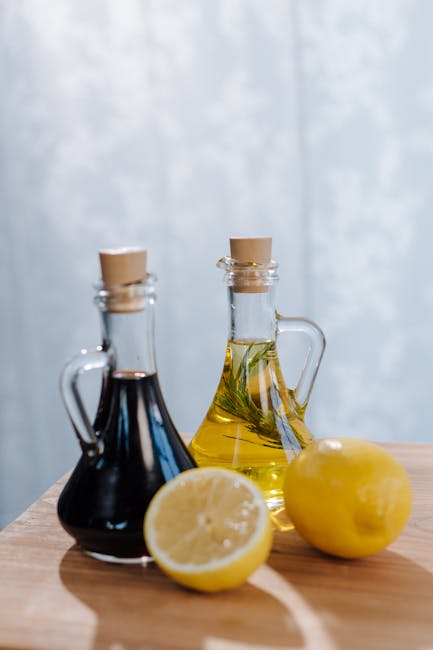
Lemon adds a fresh scent to your cleaners. Its natural acids cut through grease. Use lemon juice to clean cutting boards. The antibacterial properties sanitize surfaces. Combine lemon with salt for stubborn stains. It leaves your kitchen smelling delightful.
Power Of Essential Oils
Essential oils enhance the cleaning power. They add pleasant scents to your mixture. Tea tree oil is great for its antibacterial properties. Lavender oil calms and refreshes. Add a few drops to your vinegar solution. It boosts the cleaning effect and smells wonderful.
Simple All-purpose Cleaner Recipe
Creating your own kitchen cleaner at home is easy and cost-effective. You can make a natural, all-purpose cleaner using ingredients from your pantry. This cleaner is safe for most surfaces and leaves your kitchen fresh. Let's explore how you can make this simple cleaner.
Materials Needed
- 1 cup of white vinegar
- 1 cup of water
- 2 tablespoons of baking soda
- 10 drops of essential oil (like lemon or lavender)
- A spray bottle
- A funnel (optional)
Step-by-step Instructions
First, gather all your materials on the kitchen counter. Make sure the spray bottle is clean and dry. Use a funnel if you have one for easy pouring.
Pour one cup of white vinegar into the spray bottle. Add one cup of water to the bottle. This dilutes the vinegar, making it safe for most surfaces.
Add two tablespoons of baking soda carefully. The mixture may fizz, so do this slowly. The fizzing action helps lift dirt and grime.
Add ten drops of your favorite essential oil. This adds a pleasant scent to your cleaner.
Close the spray bottle tightly. Shake it gently to mix all ingredients well.
Your all-purpose cleaner is now ready for use. Spray it on kitchen surfaces and wipe with a clean cloth. Enjoy a sparkling clean kitchen with a fresh scent.
:max_bytes(150000):strip_icc()/SPR-diy-all-purpose-cleaner-7152792-hero-1-7d83679517ee41bf9579acd3ffe192d9.jpg)
Credit: www.thespruce.com
Tackling Grease With Natural Solutions
Dealing with kitchen grease can be a hassle. Many turn to strong chemicals to clean it. But natural solutions work wonders too. Using them is safer and eco-friendly. They tackle grime with ease. Plus, they're easy to make at home. Let's explore some effective options.
Effective Grease Removers
Vinegar is a popular choice. It's acidic and breaks down grease. Mix it with water for a simple cleaner. Lemon juice is another great option. Its natural acids cut through grease. Plus, it leaves a fresh scent. Baking soda is effective too. It scrubs away stubborn spots. Combine it with water to form a paste. Essential oils like tea tree can help. They offer cleaning power and a pleasant aroma.
Application Techniques
Spray solutions are easy to apply. Use a spray bottle for vinegar mixes. This ensures even distribution. For baking soda, a sponge works well. Dip it in the paste and scrub away grime. Lemon juice can be applied with a cloth. Wipe surfaces to remove grease. Essential oils can be added to any solution. Just a few drops enhance cleaning power. Always test a small area first. This prevents damage or discoloration.
Disinfecting Surfaces Safely
Creating kitchen cleaner at home ensures safety and effectiveness. Combine vinegar, water, and essential oils for a natural solution. This simple mix cleans countertops, appliances, and sinks without harsh chemicals.
Disinfecting surfaces safely is crucial in maintaining a healthy home. Many store-bought cleaners contain harsh chemicals. These can be harmful to your health. Making your own cleaner is a safer option. It allows you to control what goes into your cleaner. Plus, it's often more cost-effective. Let's explore some natural options and best practices.
Natural Disinfectant Options
Vinegar is a popular natural disinfectant. It kills many bacteria types. Mix equal parts vinegar and water. Use this solution on non-porous surfaces. Essential oils can also be effective. Tea tree oil and lavender oil have antibacterial properties. Add a few drops to your cleaner for a pleasant scent. Hydrogen peroxide is another option. It can kill germs and viruses. Use it directly on surfaces. Let it sit for a few minutes before wiping.
Best Practices For Usage
Always test your cleaner on a small area first. This ensures it won't damage surfaces. Avoid using vinegar on stone surfaces. It can cause etching. Use a clean cloth or sponge for application. Change it regularly to prevent spreading germs. Leave the cleaner on the surface for a few minutes. This gives it time to work effectively. Rinse surfaces with water after disinfecting. This removes any residue. Keep your homemade cleaner out of reach of children. Store it in a labeled bottle to avoid confusion.
Cleaning Kitchen Appliances Naturally
Create effective kitchen cleaners using natural ingredients. Mix vinegar and baking soda for a powerful solution. Essential oils like lemon add a fresh scent while boosting cleaning power.
Cleaning your kitchen appliances naturally is not only eco-friendly but also cost-effective. Avoid harsh chemicals and embrace homemade solutions that are gentle yet effective. You may wonder how these simple ingredients can tackle stubborn grease and grime. The truth is, nature provides powerful cleaning agents like vinegar and baking soda. Let’s explore some easy-to-make solutions that will keep your kitchen appliances sparkling clean.
Homemade Solutions For Ovens
Reviving your oven’s shine doesn't have to be a daunting task. Mix equal parts of baking soda and water to create a paste. Spread this paste inside your oven, focusing on areas with burnt-on food residue. Leave it overnight. When you wipe it the next day, notice how effortlessly it removes grime. You might have experienced the frustration of scrubbing for hours. This natural paste saves time and energy. For extra stubborn spots, spray a little vinegar over the paste before wiping. It fizzles up, lifting stubborn grease.
Refrigerator Cleaning Tips
Keeping your refrigerator fresh is easier than you think. Start by emptying it of all items, checking for expired goods. Use a mix of vinegar and water to wipe down the shelves and surfaces. Vinegar not only cleans but also deodorizes, ensuring your fridge smells pleasant. Do you dread cleaning the crisper drawers? Try sprinkling baking soda and scrubbing with a damp cloth. It removes stains and odors without leaving any residue. Make it a routine to clean the fridge monthly to maintain hygiene and freshness. Have you ever considered how cleaning habits impact appliance longevity? Regular natural cleaning keeps appliances in great shape, enhancing their performance. What homemade solution will you try first?
Eco-friendly Scrub For Stubborn Stains
Create your own eco-friendly scrub for stubborn stains using simple kitchen ingredients. Mix baking soda with vinegar for a powerful cleaner. This natural solution effectively tackles tough spots, keeping your kitchen fresh and clean.
Cleaning stubborn stains in the kitchen can be a real challenge, especially if you aim to keep things eco-friendly. Many commercial cleaners contain harsh chemicals that aren't great for your health or the environment. That's where homemade kitchen cleaners come in handy. By using natural ingredients, you can create an effective scrub that tackles tough grime without harming the planet. Plus, making your own cleaner can be a fun project that saves you money and gives you a sense of accomplishment.
Creating An Abrasive Paste
To make an effective scrub, start with a simple combination of baking soda and water. Baking soda acts as a gentle abrasive that can break down stubborn stains without scratching surfaces. Mix a few tablespoons of baking soda with enough water to form a thick paste. If you need extra power for really tough stains, consider adding a splash of white vinegar. The bubbling reaction can help lift grime more effectively. You can also mix in a few drops of lemon juice for a fresh scent and extra cleaning power.
Application Methods
Once your paste is ready, apply it directly to the stained area. Use a soft cloth or sponge to gently scrub the surface. Circular motions often work best for lifting stains without damaging the material underneath. For more stubborn spots, let the paste sit for about 10 minutes before scrubbing. This waiting period gives the ingredients time to break down the stain, making it easier to clean away. Wondering what to do with leftover paste? Store it in an airtight container for up to a week, so you have it on hand for your next cleaning session. This way, you’re always prepared for unexpected spills or grime buildup. Creating your own eco-friendly scrub not only cleans effectively but also aligns with sustainable living practices. What other homemade cleaning hacks have you tried that made a difference in your routine?
Storage And Shelf Life Of Diy Cleaners
Crafting your own kitchen cleaner ensures freshness and effectiveness. Store DIY cleaners in airtight containers to maintain potency. Most homemade solutions last up to two weeks, preserving their cleaning power.
Making your own kitchen cleaner saves money and benefits the environment. Understanding how to store these DIY cleaners properly ensures they remain effective. Proper storage and knowing their shelf life are crucial to their performance. Let's explore how to maintain the quality of your homemade cleaning solutions.
Proper Storage Containers
Choose containers made from glass or durable plastic. They keep the cleaner safe from leaks and contamination. Ensure the containers have tight-fitting lids. This prevents spills and keeps the cleaner fresh. Transparent containers help you see the contents easily. Label each container with the cleaner's name and date made. This helps track their usage and freshness.
Duration Of Effectiveness
DIY cleaners typically last a few weeks to a few months. Vinegar-based cleaners last about three months. Citrus-based cleaners have a shorter shelf life. They stay effective for about two weeks. Essential oil cleaners often last longer. Their shelf life can extend to six months. Check the cleaner's smell and appearance before use. A change might mean it's time to make a new batch. `
Cost-effectiveness Of Diy Cleaners
Creating your own kitchen cleaners at home offers significant cost savings. Many people spend a lot on store-bought cleaners. But with DIY solutions, you can keep your kitchen sparkling without breaking the bank. Using simple ingredients like vinegar, baking soda, and lemon, you can make effective cleaners. These ingredients are often already in your pantry, making them readily accessible. Let's explore how making your own kitchen cleaner can save you money.
Comparing Costs With Store-bought
Store-bought cleaners often come with hefty price tags. A single bottle can cost several dollars. Many households use different cleaners for varied surfaces. This means buying multiple products, which adds up quickly. On the other hand, homemade cleaners use ingredients that are inexpensive. For example, a bottle of vinegar costs less than a dollar. A box of baking soda is similarly affordable. These components can create multiple batches of cleaner. Therefore, each cleaning session costs just a few cents.
Long-term Savings
DIY kitchen cleaners not only save money upfront. They also lead to long-term financial benefits. By buying fewer commercial cleaners, you reduce household expenses. This cost reduction accumulates over time. Let's say you save $5 a month on cleaners. Over a year, that adds up to $60. Over several years, the savings become substantial. Plus, homemade cleaners reduce waste. This helps the environment and further reduces costs. Making your own cleaners is both eco-friendly and economical.
Safety Tips For Homemade Cleaners
Creating homemade kitchen cleaners can be both economical and safe. But it's crucial to follow safety tips to avoid accidents. Homemade cleaners often involve mixing various ingredients. Knowing how to handle them safely is essential. This ensures a clean home without risks. Let's explore some vital safety tips.
Avoiding Harmful Combinations
Some ingredients react dangerously when mixed. Never mix vinegar with bleach. This produces toxic chlorine gas. Baking soda and vinegar create a harmless, but explosive, reaction. Always research before mixing any ingredients. Stick to tested recipes to ensure safety.
Safe Handling Practices
Wear gloves to protect your skin from irritants. Use masks if you feel any fumes. Store homemade cleaners in labeled containers. Keep them out of reach of children and pets. Ventilate the area while cleaning. This helps disperse any fumes quickly.
:max_bytes(150000):strip_icc()/ms-natural-cleaners-b420e0ed9b14456b9f37e4cdf7029b84.jpg)
Credit: www.marthastewart.com
Frequently Asked Questions
What Ingredients Are Needed For Homemade Kitchen Cleaner?
To make a homemade kitchen cleaner, you'll need white vinegar, water, and essential oils. Vinegar acts as a disinfectant, water dilutes the solution, and essential oils add a pleasant scent. Combine them in a spray bottle, shake well, and use on surfaces.
Is Homemade Cleaner Effective Against Bacteria?
Yes, homemade kitchen cleaners can effectively remove bacteria. Vinegar is a natural disinfectant that kills many types of germs. Essential oils like tea tree oil have antibacterial properties. Regular cleaning with these ingredients can maintain hygiene in your kitchen.
How Do I Store Homemade Kitchen Cleaner?
Store your homemade kitchen cleaner in a cool, dry place. Use a labeled spray bottle for easy application. Keep it away from direct sunlight, which can degrade essential oils. Ensure the bottle is tightly sealed to maintain its effectiveness.
Can I Use Homemade Cleaner On All Surfaces?
Homemade kitchen cleaners are safe for most surfaces like countertops and floors. Avoid using vinegar on marble or granite, as it can damage them. Always test a small area first to ensure compatibility. Adjust the mixture if needed for specific surfaces.
Conclusion
Creating a kitchen cleaner at home is simple and effective. You save money and reduce chemical exposure. Homemade cleaners use basic ingredients like vinegar and baking soda. These are safe and environmentally friendly. Mix them to clean various surfaces. Your kitchen will shine without harsh chemicals.
This DIY approach also reduces plastic waste. It's a small step towards a greener home. Plus, it's satisfying to create something useful. Try it today and enjoy a cleaner, safer kitchen. Perfect for families and those wanting a sustainable lifestyle.