
Are you standing in the kitchen, staring at your ceramic coated cookware, and wondering if it’s truly safe for your health and your family? You’re not alone.
With the rise in popularity of ceramic cookware, more and more people are asking the same question. You deserve to cook without worry, knowing that every meal is not only delicious but also safe. You’ll uncover the truth about ceramic coatings and their safety.
You'll find clear answers to ease your concerns and empower you to make informed choices in your kitchen. Dive in, and discover what’s really going on with your cookware. Your peace of mind is just a few scrolls away.

Credit: thecookwareadvisor.com
Ceramic Coating Basics
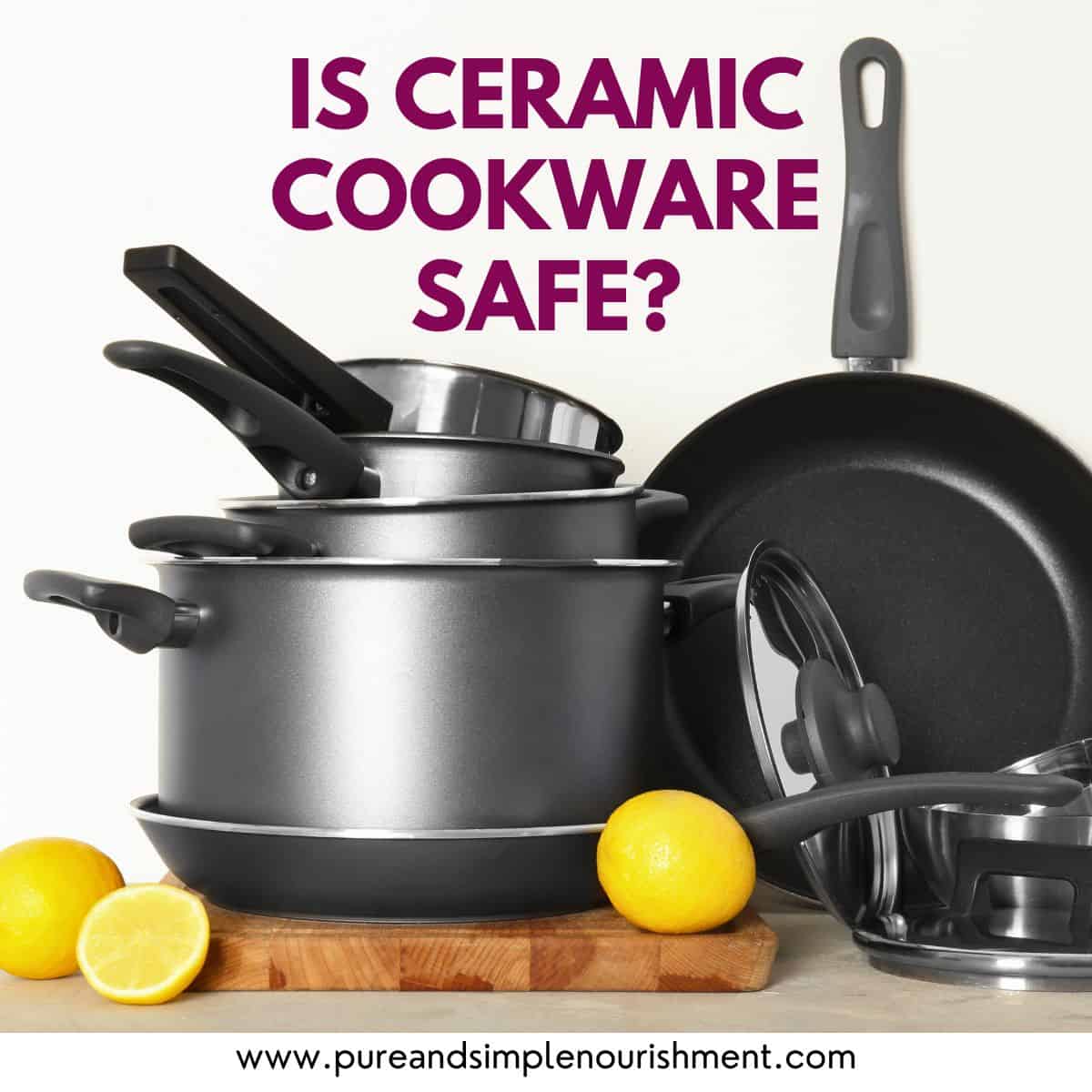
Ceramic coated cookware offers a non-stick surface that is generally considered safe for cooking. It lacks harmful chemicals found in traditional non-stick pans. Regular use and proper care ensure its safety and longevity, making it a popular choice for health-conscious cooks.
Ceramic Coating Basics Ceramic coated cookware has become a popular choice in kitchens worldwide. But what exactly makes it so appealing? Understanding the basics of ceramic coating can help you make informed decisions for your culinary adventures.
What Is Ceramic Coating?
Ceramic coating is a layer of ceramic applied to cookware to create a non-stick surface. Unlike traditional non-stick coatings, ceramic is made from natural minerals, ensuring it is free from harmful chemicals like PTFE and PFOA. This makes it a safer option for those concerned about toxins leaching into their food. The ceramic coating is smooth and glossy, providing an excellent cooking surface that requires less oil. It’s also known for its durability and ability to withstand high temperatures. As someone who loves experimenting with cooking techniques, I've found that ceramic coated pans deliver a perfect sear without sticking.
How Ceramic Coated Cookware Is Made
The process of making ceramic coated cookware begins with a metal base, often aluminum or stainless steel. The metal is chosen for its ability to conduct heat evenly, ensuring your meals cook uniformly. Once the base is prepared, it’s dipped or sprayed with a liquid ceramic. This liquid is then hardened through a firing process at high temperatures. This process not only bonds the ceramic to the metal but also enhances its non-stick properties. The result is cookware that is both functional and aesthetically pleasing. Imagine having a pan that not only cooks your meals to perfection but also looks great on your stovetop. It's like having a piece of art that serves a practical purpose. Have you considered how the choice of your cookware affects your cooking experience? By understanding the basics of ceramic coating, you’re equipped to make choices that align with your cooking style and health preferences.
Credit: www.pureandsimplenourishment.com
Safety Concerns
When considering cookware options, safety concerns are paramount. Ceramic coated cookware is popular for its non-stick properties and aesthetic appeal. However, questions about its safety linger. Understanding the chemical composition and potential health risks is crucial for making informed decisions in your kitchen.
Chemical Composition Of Ceramic Coatings
Ceramic coatings often consist of a mix of inorganic materials. These materials are bonded to the cookware surface through a sol-gel process, which creates a durable, non-stick layer. This process typically involves substances like silica and other minerals. Unlike traditional non-stick coatings that may contain PTFE or PFOA, ceramic coatings are generally free from these chemicals.
Your cookware might look sleek and modern, but what about the invisible elements? Some ceramic coatings might have trace metals. These metals can leach into food during cooking. While manufacturers claim minimal risks, it's wise to consider how frequently you use such cookware.
Potential Health Risks
The absence of PTFE and PFOA in ceramic coatings is reassuring. However, the potential leaching of metals like lead or cadmium remains a concern. Studies suggest that prolonged exposure to these metals can have health implications. It's essential to verify the certification and safety standards of your cookware.
Remember that safety isn't just about chemical composition. Overheating ceramic-coated cookware can degrade the coating. This can lead to the release of harmful substances. Ensuring you cook at recommended temperatures can help mitigate these risks.
Are you confident in the safety of your cookware? If you're unsure, consider consulting product reviews or looking for third-party testing results. Making informed choices can bring peace of mind to your culinary adventures.
Performance And Durability
Ceramic coated cookware is gaining popularity in modern kitchens. Many home chefs love its non-stick properties and vibrant colors. But how does it perform over time? Does it stand the test of regular use and heat? Let's dive into its performance and durability aspects.
Heat Resistance And Cooking Efficiency
Ceramic coated cookware handles high temperatures well. It distributes heat evenly across its surface. This ensures food cooks uniformly. Fast heating saves time and energy in the kitchen. The non-stick surface requires less oil. This promotes healthier cooking.
Longevity Compared To Other Cookware
Ceramic coated pans are durable but need proper care. Avoid metal utensils to prevent scratches. With care, they last for years. They may not outlast stainless steel or cast iron. But they offer a good lifespan for their price.
Environmental Impact
The environmental impact of cookware is a growing concern for many people. Choosing the right kitchenware can help reduce ecological harm. Ceramic coated cookware is often touted as an eco-friendly option. But how does it really measure up? Let's explore its environmental impact.
Eco-friendly Aspects
Ceramic coated cookware often uses natural minerals. These materials are more sustainable than synthetic chemicals. The production process tends to emit fewer harmful gases. This reduces air pollution and benefits the planet. Additionally, ceramic coatings are free from toxic substances like PFOA and PFAS. These toxins can harm both health and environment. Many ceramic coatings are derived from sand. Sand is abundant and renewable, making it a greener choice.
Comparison With Non-stick Alternatives
Traditional non-stick cookware often contains PTFE. PTFE releases harmful fumes at high temperatures. Ceramic coatings do not have this issue. This makes them a safer alternative in the kitchen. Non-stick alternatives often have a shorter lifespan. They wear out and need replacing more frequently. Ceramic coated cookware tends to last longer. This longevity reduces waste and landfill contributions. The materials used in ceramic coatings are biodegradable. In contrast, many non-stick materials are not. Choosing ceramic cookware can mean a smaller carbon footprint.
Consumer Experiences
Ceramic coated cookware offers a safe cooking experience for health-conscious consumers. Free from harmful chemicals, it ensures peace of mind. Many users appreciate its non-stick surface, making cooking and cleaning easier.
Consumer experiences with ceramic coated cookware can be quite enlightening. They reveal the practical realities beyond the glossy marketing promises. From common complaints to heaps of praise, real-life use cases provide a comprehensive look at the safety and effectiveness of these kitchen staples.
Common Complaints And Praise
When it comes to common complaints, durability often tops the list. Some users report that the ceramic coating can chip over time, especially with frequent use or improper cleaning. This can lead to concerns about the safety of using cookware with a compromised surface. However, there's also a lot of praise for ceramic coated cookware. Many consumers love its non-stick properties. It makes cooking and cleaning a breeze. Users often mention how little oil or butter is needed, promoting healthier cooking. Some users also appreciate the aesthetic appeal of ceramic cookware. It adds a modern look to their kitchen. This might seem minor, but it can make cooking more enjoyable.
Real-life Use Cases
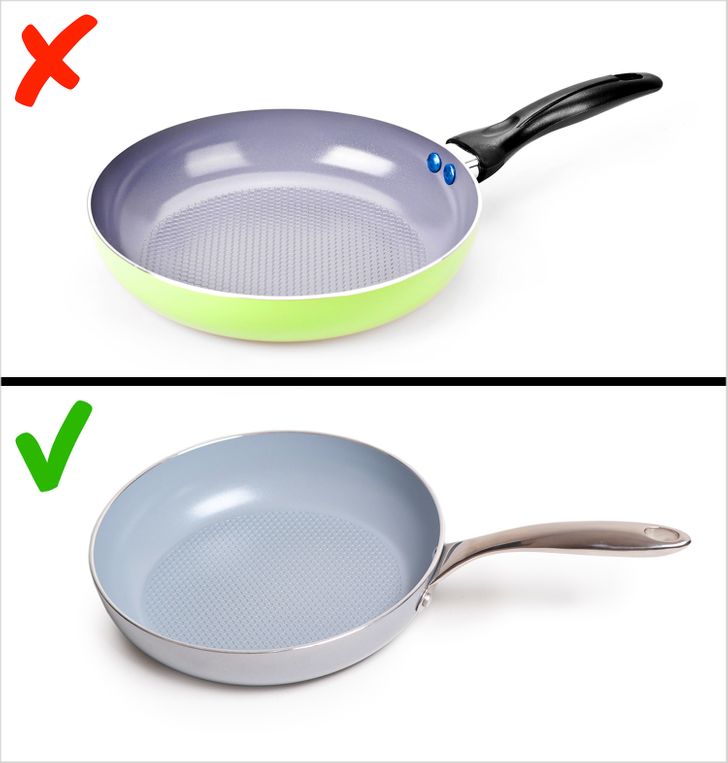
Consider Sarah, a home cook who switched to ceramic coated pans. She noticed the difference immediately. Her pancakes no longer stuck, and cleaning was effortless. Sarah appreciates how quickly the pans heat up, saving her time during busy mornings. John, a father who cooks for his family daily, values safety. He chose ceramic because it’s free of harmful chemicals like PFOA and PTFE. He feels confident serving meals cooked in these pans, knowing he’s not exposing his family to toxic fumes. Yet, not all experiences are glowing. Emily, a college student, found her ceramic skillet's coating wore out after a year. She realized she hadn’t been using the recommended utensils. This serves as a reminder of the importance of following care instructions to extend the cookware's life. Have you ever faced similar issues or joys with your cookware? It’s interesting to see how personal habits and care can influence your experience with ceramic coated cookware. What steps can you take to ensure you’re getting the best out of your kitchen tools?
Credit: brightside.me
Expert Opinions
Understanding the safety of ceramic coated cookware is crucial. Many people worry about potential health risks. To gain a clearer perspective, let's explore what experts say.
Health Experts' Views
Health experts often voice concerns about cookware materials. Ceramic coated cookware is generally deemed safe. It doesn't contain harmful chemicals like PFOA or PTFE. These coatings don't release toxic fumes when heated. This makes them a preferred choice for health-conscious individuals.
Some experts suggest moderation. They advise rotating different types of cookware. This helps avoid overexposure to any single material. Regular checks for wear and tear are also recommended. Damaged coatings might release particles into food.
Industry Insider Perspectives
Industry insiders provide insights into manufacturing processes. They emphasize that reputable brands follow strict safety standards. Quality control ensures non-toxic materials are used. This reassures consumers about product safety.
Insiders highlight the importance of proper use. Overheating can damage ceramic coatings. They recommend using low to medium heat settings. Proper care extends the lifespan of cookware. Following these guidelines ensures safe cooking experiences.
Guidelines For Safe Use
Ceramic coated cookware has become popular for its non-stick properties. Many people wonder if it is safe to use. Understanding guidelines for safe use is essential. Using ceramic coated cookware properly ensures safety and durability. This section provides practical advice on care, maintenance, and safe cooking techniques.
Proper Care And Maintenance
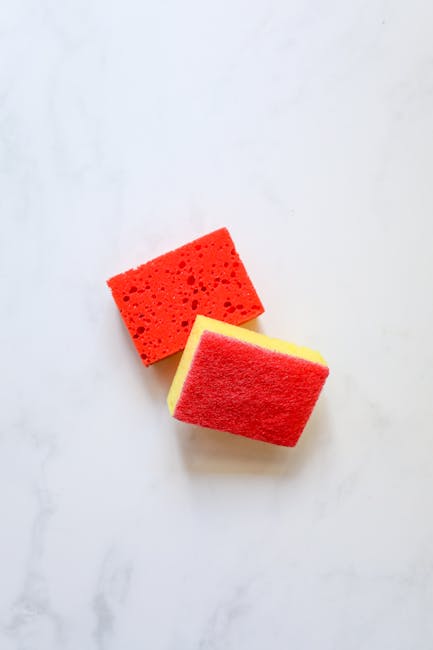
Regular cleaning extends the life of ceramic coated cookware. Use a soft sponge and mild detergent. Avoid harsh scrubbing pads. They can damage the coating. Dry cookware completely before storing. Moisture can lead to rust or stains. Store pots and pans with care. Use soft liners or cloth between them. This prevents scratches.
Avoid using metal utensils on ceramic surfaces. They can scratch or chip the coating. Choose silicone, wood, or plastic utensils. These materials are gentle on ceramic. Periodically inspect the cookware for chips or cracks. Damaged coatings can affect food safety. Replace any cookware with visible damage.
Tips For Safe Cooking
Use medium to low heat when cooking with ceramic cookware. High heat can degrade the non-stick surface. Preheat the pan gradually to avoid shock. Shock can cause the coating to crack. Use a small amount of oil or butter. This enhances non-stick properties. Avoid aerosol sprays. They can build up over time.
Monitor cooking time closely. Overheating can lead to fumes. Fumes can be harmful to health. If cooking sticky foods, soak the cookware before washing. This makes cleaning easier. Never cut food directly in the pan. Use a cutting board to preserve the surface. Following these tips ensures safe and enjoyable cooking.
Frequently Asked Questions
What Is Ceramic Coated Cookware?
Ceramic coated cookware features a metal base with a layer of ceramic. This coating provides a non-stick surface for cooking. It's popular for its ability to distribute heat evenly. The ceramic layer is derived from natural minerals, making it an eco-friendly option compared to traditional non-stick pans.
Are Ceramic Coatings Non-toxic?
Yes, ceramic coatings are non-toxic. They are free from harmful chemicals like PTFE and PFOA. These coatings use natural materials. This makes them a safer choice for health-conscious individuals. They are less likely to release toxic fumes when overheated, unlike some traditional non-stick options.
Can Ceramic Coated Cookware Chip Easily?
Ceramic coatings can chip if not properly cared for. Avoid using metal utensils to prevent scratches. Hand washing is recommended over dishwashers. Stacking without protection can lead to chipping. By following care instructions, you can extend the lifespan of your ceramic cookware.
How Should I Clean Ceramic Cookware?
Clean ceramic cookware with warm, soapy water and a soft sponge. Avoid abrasive cleaners that can damage the coating. For stubborn stains, soak in water before scrubbing gently. Hand washing is preferred over dishwashers to maintain the coating's integrity. Proper cleaning ensures longevity and performance.
Conclusion
Ceramic coated cookware offers a safer cooking option. It's free from harmful chemicals found in some non-stick options. This makes it a popular choice for health-conscious cooks. Although it can chip or scratch, proper care extends its life. Consider your cooking habits and care abilities.
This helps in deciding if ceramic cookware suits your needs. Always prioritize safety and quality. Choose reputable brands to ensure durability. With the right choice, you can enjoy cooking with peace of mind. Safe, effective, and easy to maintain. Ceramic cookware can be a valuable addition to your kitchen.