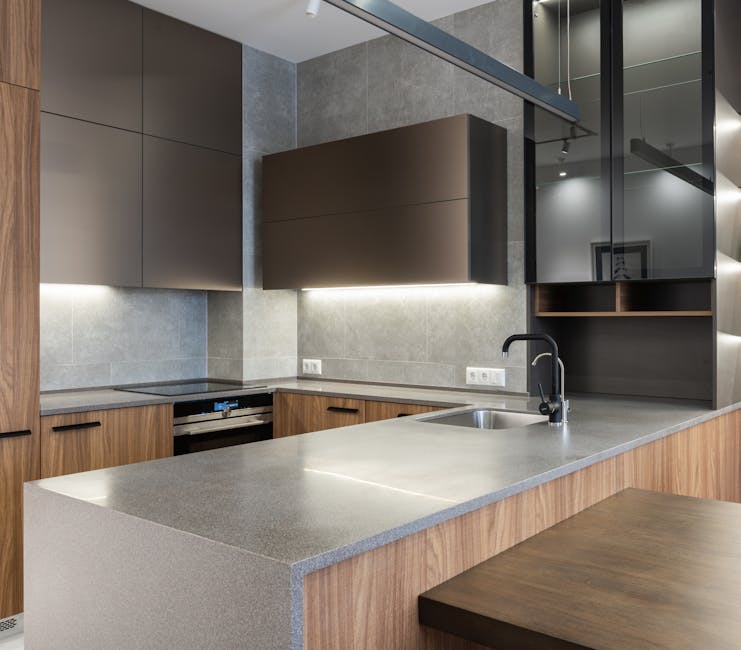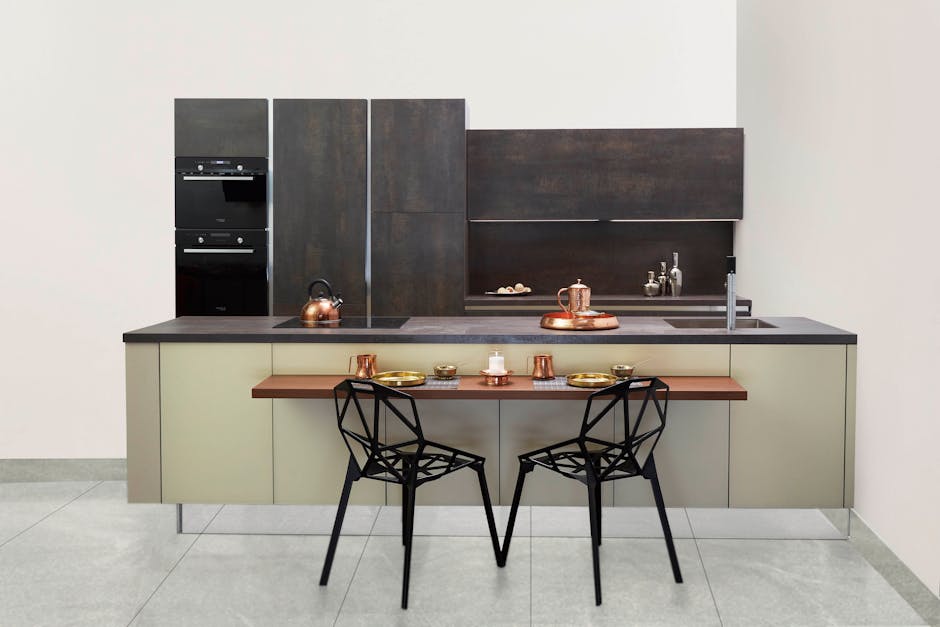
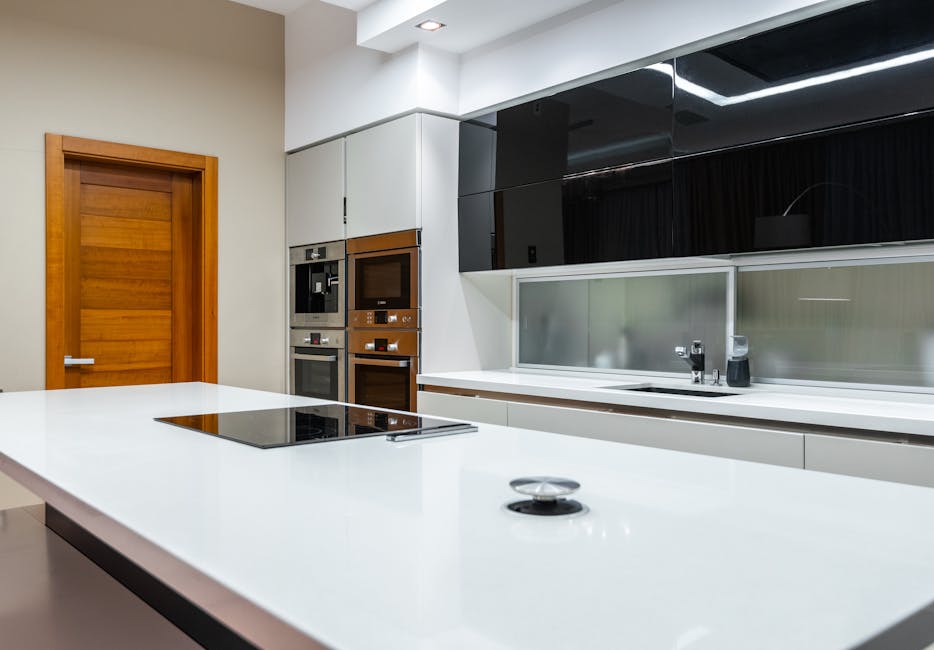
Are you considering a kitchen upgrade? Shiny new appliances can transform your cooking space into a dream kitchen.
But as you plan this exciting renovation, a question might pop into your mind: "Are new kitchen appliances tax deductible? " This question is crucial, especially when you're budgeting for a home improvement project. Understanding the tax implications could mean the difference between a costly upgrade and a smart financial decision.
We’ll unravel the mystery surrounding tax deductions for kitchen appliances. You'll discover how these tax rules might just make your renovation more affordable than you thought. So, before you make any purchases, let’s dive into the world of taxes and find out how you can potentially save money. Keep reading to learn more and ensure you're making the most of your investment!
Understanding Tax Deductions
Understanding tax deductions can be tricky. It's crucial for managing finances. This knowledge helps optimize tax savings. Many people wonder about new kitchen appliances. Are they tax deductible? Let's explore this topic.
What Are Tax Deductions?
Tax deductions lower your taxable income. They reduce the amount of tax owed. Not all purchases qualify for deductions. It's important to know the rules.
Types Of Deductions
There are standard and itemized deductions. Standard deductions are fixed amounts. Itemized deductions require specific expenses. Not everyone benefits from itemizing.
Business Use Of Appliances
Appliances used for business may be deductible. The IRS has guidelines for this. Keep detailed records of business use. Proper documentation is key.
Energy Efficiency Incentives
Some appliances offer energy savings. The government encourages energy efficiency. Look for tax credits for energy-efficient appliances. They can lower tax bills.
Consulting Tax Professionals
Tax laws can be complex. Consulting a tax professional helps navigate deductions. They provide personalized advice. Ensure compliance with tax regulations.
Types Of Kitchen Appliances
Kitchen appliances play a vital role in any modern home. They make cooking easier and more efficient. When considering tax deductions, knowing the types of appliances is essential. Each type serves a unique purpose in the kitchen. Understanding these can help you decide what appliances may be deductible.
Refrigerators
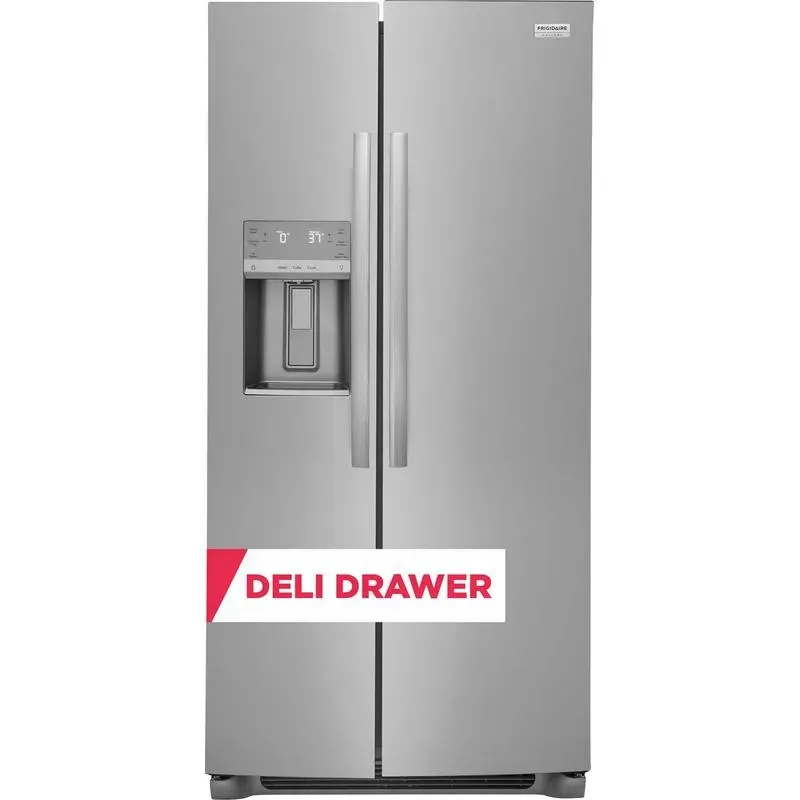
Refrigerators keep food fresh and safe. They come in various sizes and styles. Some offer energy-efficient features. These features might make them eligible for certain tax benefits.
Ovens And Ranges
Ovens and ranges are crucial for baking and cooking. They can be gas or electric. Some models offer advanced cooking technology. This might impact their tax deduction eligibility.
Microwaves
Microwaves heat food quickly. They save time and energy. Their efficiency can be considered for tax deductions. Check if your model has energy-saving functions.
Dishwashers
Dishwashers clean dishes with ease. They reduce water usage. Energy-efficient dishwashers might qualify for tax deductions. Look for models with the Energy Star label.
Small Appliances
Small appliances like blenders and toasters are common. They assist in daily food preparation. While often overlooked, some may have tax deduction potential. Consider their energy efficiency and usage.
Understanding the types of kitchen appliances is key to knowing their tax implications. Each appliance offers different benefits and potential deductions. This knowledge can guide your purchase decisions.
Home Office Deductions
Setting up a home office can be both exciting and overwhelming. Whether you're a freelancer or remote worker, you may wonder if new kitchen appliances can be tax deductible under home office deductions. Let’s dive into the specifics and see how you can make the most of these deductions.
Eligibility Criteria
To qualify for home office deductions, you need a dedicated space used exclusively for business. This means you can't claim deductions for a kitchen appliance if it's in the general kitchen area used for personal purposes.
Your home office must be your principal place of business. If it’s merely a convenient corner, it won’t qualify. Ask yourself: Does this space serve no other purpose than work?
Documentation is key. Keep records showing your home office is a primary work area. Photographs or a floor plan can help demonstrate its dedicated use.
Appliances That Qualify
Only appliances directly related to your business operations are deductible. If you use a small fridge in your home office to store items for a baking business, it may qualify.
Consider the specific use of the appliance. Is a coffee maker in your office space essential for client meetings? If so, it might be deductible.
Keep receipts and note the date of purchase. Having a paper trail can simplify things if the IRS has questions about your deductions.
Have you ever wondered how those who work from home effectively balance personal and professional expenses? Share your thoughts and strategies in the comments below!
Credit: www.howards.com
Rental Property Deductions
Owning a rental property opens up a world of tax deductions that can significantly ease the financial burden. As a landlord, understanding how these deductions work can impact your bottom line. Among these deductions, kitchen appliances play a pivotal role. But are new kitchen appliances tax deductible? Let's break this down and see how they fit into the bigger picture.
Landlord Tax Benefits
As a landlord, you have access to numerous tax benefits that can help optimize your investment. These benefits include deductions for property repairs, maintenance, and improvements. Kitchen appliances fall under these categories.
Imagine you're upgrading your rental property with a new refrigerator or stove. These expenses are not just out-of-pocket costs but are potential tax deductions. Many landlords overlook the power of these deductions, missing out on opportunities to reduce taxable income.
Have you ever thought about how much you could save? The IRS allows you to deduct the cost of these appliances over time, which can lead to substantial savings.
Appliances As Business Expenses
Kitchen appliances in a rental property are considered business expenses. This is because they contribute to the property's functionality and appeal to tenants. You can categorize these expenses under depreciation, allowing you to spread the cost over several years.
Take a moment to think about your rental property as a business. Every expense related to its upkeep and improvement can potentially be deducted. This includes appliances like ovens, dishwashers, and even washers and dryers.
Have you ever tracked how much you spend on these items? Keeping a detailed record of these expenses is crucial for accurate tax reporting. With proper documentation, you can ensure that these deductions work to your advantage.
How might this change your approach to managing your rental property? Understanding these deductions can lead to smarter investment decisions and improved cash flow.
In conclusion, knowing the tax benefits associated with kitchen appliances can transform your rental property management. Start leveraging these deductions to maximize your returns and maintain a competitive edge in the rental market.
Energy Efficiency Tax Credits
New kitchen appliances may qualify for energy efficiency tax credits. These credits help reduce the cost of buying appliances. Check eligibility requirements to see if your purchase qualifies.
Upgrading your kitchen with energy-efficient appliances not only enhances your cooking experience but might also offer financial benefits through energy efficiency tax credits. These credits can offset the cost of purchasing new appliances, making your investment even more worthwhile. But what exactly qualifies, and how can you claim these credits?
Qualifying Appliances
When considering an upgrade, it's crucial to know which appliances qualify for energy efficiency tax credits. Typically, eligible appliances include those recognized by the Energy Star program, such as refrigerators, dishwashers, and ovens. These products meet strict energy efficiency guidelines set by the U.S. Environmental Protection Agency, ensuring they consume less energy and reduce greenhouse gas emissions. Before purchasing, check if the appliance has the Energy Star label. This simple step can make a significant difference in your eligibility for tax credits.
Claiming Energy Credits
Claiming energy efficiency tax credits might seem daunting, but it's a straightforward process. First, retain all purchase receipts and product documentation as proof of your energy-efficient upgrades. This paperwork will be crucial when filing your tax return. When tax season arrives, you'll need to complete IRS Form 5695, which covers Residential Energy Credits. This form allows you to report your energy-efficient improvements and claim the appropriate credits. Have you ever wondered how much you could save with a simple form? Remember, while the process is simple, it's essential to file accurately to avoid complications. If in doubt, consulting a tax professional can help you maximize your savings.
Business Use Of Home
In today's fast-paced world, many people are using their homes for business purposes. Whether you’re a freelancer, running a small business, or telecommuting, you might be wondering if new kitchen appliances can be tax-deductible. When you use part of your home for business, certain expenses, including kitchen appliances, might qualify for tax deductions under specific circumstances.
Percentage Of Use
One critical factor in determining the tax deductibility of kitchen appliances is the percentage of business use. If your kitchen area is used partially for business, like catering or food blogging, you need to calculate the business use percentage. For example, if 30% of your kitchen's use is for business, only that portion of the appliance cost may be deductible.
Consider how often your appliances serve business purposes. Is your oven mostly used for family meals, or is it primarily for preparing client orders? Clearly defining the business use percentage can make a significant difference in your tax deduction claims.
Record Keeping Requirements
Accurate record-keeping is essential when claiming tax deductions for business use of home appliances. Maintain detailed records of how and when your appliances are used for business. Keep receipts, usage logs, and any relevant documentation.
Are you logging your business activities in a way that supports your deduction claims? Consistent record-keeping not only helps in case of an audit but also provides clarity on your business expenses. It’s a habit worth developing to maximize your deductions while ensuring compliance with tax regulations.
Understanding the nuances of tax deductions for home business use can be a game-changer for your finances. Have you considered how your home appliances fit into your business strategy? By analyzing and documenting their use, you might uncover unexpected savings, making your home-based business even more profitable.
Tax Deduction Process
New kitchen appliances might be deductible if they improve energy efficiency. Check tax laws for eligibility criteria. Proper documentation is vital for claiming deductions.
Navigating the tax deduction process for new kitchen appliances can seem daunting. Yet, understanding it can lead to significant savings on your tax bill. If you've recently upgraded your kitchen, you might wonder if you can deduct these costs. This section will guide you through the necessary steps to potentially claim these deductions.
Filing Requirements
To start, it's crucial to know if your kitchen appliances are eligible for tax deductions. Typically, these deductions apply if the appliances are energy-efficient and meet certain criteria set by tax authorities. Check if your purchase qualifies under the Energy Star program. This certification often indicates energy efficiency, which is a common requirement for deductions. Ensure you file the appropriate tax forms. This might include Schedule A for itemized deductions. If you’re unsure, consulting with a tax professional could be a wise move.
Necessary Documentation
Having the right documentation can make or break your deduction claim. Keep all purchase receipts and proof of payment. This ensures you have evidence of the transaction. Store any energy-efficiency certificates or labels. These documents prove that your appliances meet the necessary standards. Organize this paperwork in a dedicated folder or digital file. Doing so can save you time and stress come tax season. Have you ever faced a tax audit? Having organized documentation can be a lifesaver in such scenarios. Remember, being meticulous now can prevent headaches later. Are you ready to maximize your potential deductions?
Credit: www.fortunebuilders.com
Common Mistakes To Avoid
Many people assume that kitchen appliances are always tax deductible. But this isn't always the case. Making mistakes in this area can lead to financial problems. It's important to understand what qualifies for deductions. Here are some common mistakes to avoid when considering tax deductions for new kitchen appliances.
1. Ignoring Eligibility Criteria
Not all appliances qualify for tax deductions. Understanding eligibility criteria is crucial. Many people forget to check these details. This can lead to incorrect tax filings. Always review the specific criteria for deductions.
2. Overestimating Deduction Amounts
People often overestimate their deductions. This happens when they don't check the actual costs. Only certain expenses are deductible. Ensure you calculate the correct amount. This will prevent overestimating your tax savings.
3. Failing to Keep Proper Documentation
Proper documentation is crucial for tax deductions. Many forget to keep receipts and records. Without them, proving eligibility becomes difficult. Always maintain a record of purchases and related documents.
4. Confusing Personal and Business Use
Appliances used for business might qualify for deductions. Mixing personal and business use can be tricky. Clearly separate these uses to avoid confusion. This ensures correct deduction claims.
5. Misunderstanding Energy Efficiency Credits
Energy-efficient appliances might offer extra credits. Not all appliances qualify for these credits. Misunderstanding this can lead to errors. Verify which appliances meet energy efficiency standards.
6. Neglecting to Consult a Tax Professional
A tax professional can offer valuable advice. Many neglect this step, leading to errors. Consulting an expert helps ensure correct filings. This step can save you from costly mistakes.
Consulting With Tax Professionals
When pondering whether your shiny new kitchen appliances are tax deductible, consulting with tax professionals can be your guiding light. Their expertise can clarify the murky waters of tax laws and deductions. Have you ever wondered if your dishwasher might save you money come tax time?
When To Seek Help
Understanding tax deductions can be overwhelming, especially with the constant updates in tax laws. If you're feeling uncertain about how your kitchen upgrades fit into your financial picture, it's time to reach out for help. Making this move early can prevent costly mistakes and ensure you're not missing out on potential savings.
Choosing The Right Advisor
Not all tax professionals are created equal. Look for someone who specializes in home-related deductions or has experience with appliance-related tax queries. This expertise will give you confidence in their advice. Remember, a knowledgeable advisor is like having a reliable GPS on your financial journey.
Consider asking friends or family for recommendations. Personal experiences can provide insight into an advisor's reliability. How many times have you found a great restaurant through word-of-mouth? The same principle applies here.
Additionally, check online reviews and ratings. These can reveal the advisor's reputation and client satisfaction. You want someone who is not only skilled but also approachable and ready to answer all your questions.
Ultimately, choosing the right advisor can make a significant difference in your tax filing experience. Have you found that the right guidance helped you navigate the complexities of tax season with ease?

Credit: www.howards.com
Frequently Asked Questions
Are Kitchen Appliances Tax Deductible?
Kitchen appliances may be deductible if they are used for business purposes. Consult a tax professional to confirm eligibility. Personal use appliances are typically not deductible. Always keep receipts and detailed records for tax purposes. Tax laws can vary, so ensure compliance with current regulations.
Can I Deduct Appliance Purchase Costs?
Deducting appliance costs depends on their use. Business-related purchases might be deductible. Personal appliances are usually non-deductible. Keep documentation for potential deductions. Consult a tax expert for guidance. Always verify current tax laws to ensure compliance.
How Do Tax Deductions Work For Appliances?
Tax deductions for appliances generally require business use. Personal use does not qualify. Maintain detailed records for potential deductions. Consulting a tax professional can provide clarity. Always check the latest tax regulations for accurate information.
Are Energy-efficient Appliances Deductible?
Energy-efficient appliances might qualify for tax credits rather than deductions. Credits can reduce tax liability directly. Eligibility depends on current tax laws. Verify with a tax advisor for accurate guidance. Always check for any available state-specific incentives.
Conclusion
Understanding tax deductions for kitchen appliances is crucial. It affects your finances. Always consult a tax professional. They provide accurate advice for your situation. Not all appliances qualify for deductions. Some rules may surprise you. Keep receipts and documents organized.
This helps during tax season. Appliance deductions can save money. But, knowing the guidelines is key. Always stay informed about tax changes. This ensures you make the best decisions. Remember, a little research goes a long way. It can benefit your financial health.
Proper planning leads to better savings. Make informed choices for your kitchen upgrades.