

Have you ever bought a kitchen appliance that promised to revolutionize your cooking experience, only to find it gathering dust in your cupboard a few months later? You’re not alone.
Many of us get swept up in the excitement of shiny new gadgets, but how often do we stop to ask if these devices truly meet our needs? This is where testing comes in. Before you invest your hard-earned money, wouldn’t it be wise to know if that blender can handle your morning smoothie routine or if the air fryer really delivers on its crispy promises?
We'll explore why testing kitchen appliances is a crucial step in making informed purchase decisions. By understanding the importance of putting these appliances to the test, you can avoid buyer's remorse and ensure that every gadget you bring into your kitchen earns its keep. Curious to find out how? Let’s dive in.
Importance Of Testing Kitchen Appliances
Testing kitchen appliances ensures they work correctly and safely. Faulty appliances can cause accidents or waste energy. Regular checks help maintain performance and extend lifespan, saving money in the long run.
The heart of any kitchen is its appliances. They make life easier by saving time and effort. But how often do you test them to ensure they're functioning properly? Testing kitchen appliances is crucial for safety, efficiency, and longevity. This practice not only prevents accidents but also maintains the quality of your cooking experience. Imagine discovering your oven isn’t heating evenly right before a big dinner. Testing can help avoid such unpleasant surprises.
Why Testing Kitchen Appliances Matters
Testing ensures that your appliances are operating safely. Faulty appliances can lead to electrical hazards or even fires. Regular checks can help spot problems early, reducing risks and promoting peace of mind. Testing also improves the efficiency of your kitchen appliances. When appliances work as they should, they consume less energy. This can help you save on utility bills and extend the lifespan of your equipment.
Enhancing Kitchen Safety
Safety should always be a top priority in the kitchen. Regular testing can identify potential hazards like frayed cords or malfunctioning parts. Imagine cooking a meal and suddenly smelling something burning, only to find your toaster is overheating. Testing can prevent these scary moments. It's easy to overlook these checks in the hustle of daily life. However, a few minutes spent testing can prevent much bigger problems down the road. Don't wait for an accident to remind you of their importance.
Maintaining Appliance Efficiency
A well-maintained appliance performs better and lasts longer. Testing helps ensure that ovens heat evenly, refrigerators cool efficiently, and mixers operate smoothly. Have you ever noticed your blender struggling with simple tasks? It might be time for a test to see what's wrong. Regular maintenance can also help you get the most out of your appliances. By catching small issues early, you avoid bigger, more costly repairs later. This keeps your kitchen running smoothly and your meals coming out perfectly.
Extending Appliance Lifespan
Testing can add years to your appliances' lives. By identifying and addressing issues early, you prevent wear and tear from escalating. Imagine your dishwasher suddenly breaking down just when you have a full load. Regular testing can help avoid such inconveniences. When appliances work efficiently, they experience less strain, which means fewer breakdowns. A simple test can protect your investment and save you money in the long run.
Practical Tips For Testing Appliances
Start by reading your appliance manuals for specific testing guidelines. This will give you a good understanding of what to look for. You might find that your oven needs recalibrating or your coffee maker requires descaling. Listen for unusual sounds and watch for warning lights or error messages. These can be early signs of trouble. If you notice anything odd, don't ignore it. Addressing these issues promptly can prevent bigger problems. Keep a testing schedule to stay on track. Note down when each appliance was last checked and plan the next test. This habit can make testing a regular part of your kitchen routine. Is there an appliance you haven't tested in a while? Now might be the perfect time to start.
Safety Considerations
Testing kitchen appliances is crucial for ensuring safety. Many overlook this essential step. Proper testing can prevent accidents and extend appliance life. This section explores the vital safety considerations when testing kitchen appliances.
Electrical Safety Checks
Always start with electrical safety checks. Inspect cords for any fraying. Ensure plugs fit securely into outlets. Faulty wiring can lead to electrical fires.
Use a multimeter to test voltage levels. This ensures appliances are receiving correct power. Incorrect voltage can damage the appliance or cause shocks.
Heat And Fire Safety
Appliances that generate heat need careful monitoring. Check for overheating during use. Overheating can cause fires or damage surfaces.
Ensure ventilation areas are clean. Blocked vents can trap heat inside. This increases fire risk.
Water Safety Measures
Appliances using water need extra caution. Inspect seals and hoses for leaks. Leaks can lead to water damage or electrical hazards.
Check the water temperature settings. Extremely hot settings can cause burns. Ensure they are set to safe levels.
Mechanical Safety Aspects
Moving parts need regular checks. Look for signs of wear or damage. Broken parts can cause injury.
Ensure all safety features are operational. These features prevent accidental injuries. Test them frequently.
Regular Maintenance Practices
Regular maintenance enhances safety. Clean appliances to prevent buildup. Dust and grease can affect performance.
Inspect appliances periodically for any signs of wear. Early detection of issues can prevent accidents.
Performance Evaluation
Testing kitchen appliances ensures they work safely and efficiently. It helps identify any issues before regular use. Regular checks can save time and prevent accidents in the kitchen.
Testing kitchen appliances is like uncovering the truth about their performance. You might wonder, “Is it really worth the investment?” The answer lies in a thorough performance evaluation. This process will help you understand how well your new gadget can handle daily cooking tasks. Let’s dive into the key aspects of performance evaluation to ensure you make the right choice.
Efficiency And Speed
Have you ever been in a rush to prepare dinner, only to find that your appliance takes forever? Efficiency and speed are crucial in any kitchen. A good appliance should save you time. Consider how quickly it heats up or finishes a task. Is it faster than your old model? Think about the energy consumption. Does it use less electricity while maintaining speed? Testing efficiency can mean lower energy bills and more time for you.
Durability And Longevity
How long do you expect your appliance to last? Durability is the backbone of any worthwhile purchase. You don’t want to replace it within a year. Check the materials and construction. Are they sturdy and well-made? Consider the warranty period. A longer warranty can indicate manufacturer confidence. Test the appliance under varied conditions. Does it maintain performance after several uses? A durable appliance is a long-term companion in your kitchen. In conclusion, performance evaluation is key to finding the right kitchen appliance. By focusing on efficiency, speed, durability, and longevity, you ensure your investment is sound. So, what do you think? Is your current appliance up to the test?

Credit: shop.americastestkitchen.com
Features And Functionality
Testing kitchen appliances ensures they work correctly and safely. It helps identify any defects or issues. Regular testing can prolong the lifespan of your appliances.
Testing kitchen appliances before making a purchase is essential to ensure they meet your needs and preferences. One of the most critical aspects to consider is the features and functionality of these appliances. Understanding what each appliance can do will help you make informed decisions that enhance your cooking experience.
Assessing Key Features
When evaluating kitchen appliances, pay close attention to their key features. Consider aspects like size, power, and capacity. A blender with multiple speed settings might cater to your diverse blending needs more effectively. Think about the ease of use. Does the appliance have intuitive controls, or do you need a degree just to operate it? Assess how easy it is to clean, as you don’t want to dread using it due to a lengthy cleaning process. User reviews can provide valuable insights. If a toaster consistently burns toast, you might want to steer clear. Understand what features are most important to you and prioritize them in your decision-making process.
Comparing Multi-functionality
In today's fast-paced world, kitchen appliances that offer multi-functionality can be a game-changer. Imagine a pressure cooker that also acts as a slow cooker, rice cooker, and steamer. This not only saves you space but also money. However, beware of appliances that promise too much. Sometimes a jack-of-all-trades is a master of none. Ensure each function meets your standards rather than being mediocre at everything. Consider how often you will use each function. If you’re not planning to bake bread regularly, a bread-making feature might be unnecessary. Ask yourself if the multi-functional appliance truly aligns with your cooking habits and lifestyle. Testing appliances is not just about confirming they work; it’s about ensuring they work for you. What features do you value most in a kitchen appliance?
Energy Efficiency
Testing kitchen appliances for energy efficiency can reduce electricity bills and environmental impact. Regular checks ensure appliances work efficiently, saving energy and money. Simple tests help identify appliances that consume excess energy, promoting sustainable living.
When selecting kitchen appliances, energy efficiency might not be the first thing on your mind. However, it plays a crucial role in both your wallet's health and the planet's well-being. Understanding energy efficiency can lead to smarter choices that benefit you and the environment.
Impact On Electricity Bills
Energy-efficient appliances can significantly reduce your electricity bills. Imagine opening your monthly statement and seeing a lower figure simply because you chose an energy-efficient refrigerator. It's not just about saving a few dollars; it's about making a conscious decision to manage your household expenses wisely. Have you ever thought about the cumulative cost of running older, less efficient appliances? It's likely higher than you realize. By opting for energy-efficient models, you're investing in long-term savings that can be redirected to other important areas of your life.
Eco-friendly Options
Selecting eco-friendly kitchen appliances is a step toward a sustainable lifestyle. These appliances often have energy ratings that guarantee lower energy consumption. You'll reduce your carbon footprint, contributing positively to the environment. Consider appliances with Energy Star ratings or similar eco-certifications. These symbols are not just labels; they represent a commitment to eco-conscious living. By choosing these options, you play a part in a global movement towards sustainability. Have you seen the latest energy-efficient dishwashers and ovens? They not only perform better but also consume less energy. By making small changes in your kitchen, you set a powerful example for friends and family, encouraging them to follow suit. Why not start with a simple switch and see the difference it makes? A small effort today can lead to a brighter, greener tomorrow.
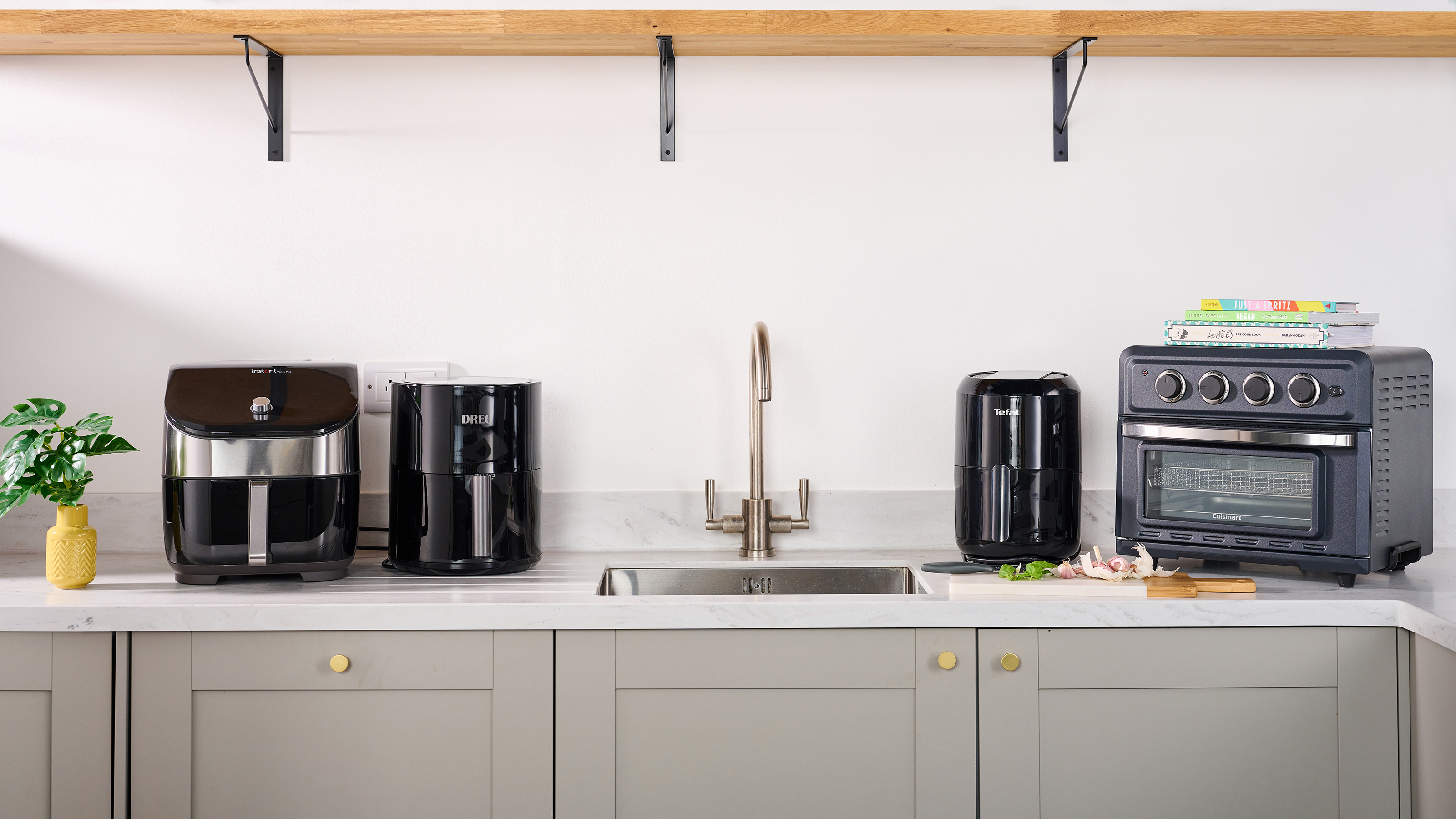
Credit: www.realhomes.com
User Experience
Understanding the user experience is vital when testing kitchen appliances. Appliances should make cooking easy and enjoyable. A seamless user experience enhances satisfaction and efficiency.
Ease Of Use
Ease of use is crucial for any kitchen appliance. Users should operate them without a manual. Clear buttons and intuitive design are important. A simple interface reduces the learning curve. Testing should confirm these features.
Maintenance Requirements
Regular maintenance keeps appliances running smoothly. Users prefer appliances with minimal upkeep. Easy-to-clean surfaces are a big plus. Testing should evaluate maintenance needs. This ensures long-term user satisfaction.
Warranty And Support
When you invest in a new kitchen appliance, understanding its warranty and support can be as crucial as knowing how to use the appliance itself. These elements often determine the lifespan of your device and the peace of mind you have regarding unexpected failures. But how well do you know the terms and conditions that come with your warranty? Or the efficiency of the customer support services available to you?
Understanding Warranty Terms
Do you often skim through the warranty terms, or do you dive into the details? It's common to overlook the fine print, but those terms can hold the key to saving you money and hassle. Most warranties cover repairs for a specific period, but you might find exclusions that surprise you. Is your appliance covered if you accidentally damage it? Can repairs be done locally or must it be shipped? Knowing these answers can be a game-changer.
Make it a habit to read and understand the warranty before you need it. Check if you need to register your appliance to activate the warranty. Some companies require this step, and missing it might cost you later. Also, note the duration of coverage, as some warranties differ between parts and labor. Wouldn't it be frustrating to discover a key component isn't covered when you need it most?
Customer Support Services
Have you ever had to contact customer support for an appliance issue? The quality of service can vary greatly. Some companies offer stellar support, responding promptly and resolving issues efficiently. Others might leave you waiting for days with no resolution. Knowing what to expect can save you time and stress.
Before you purchase, try reaching out to the support team with a question. It's a simple test to gauge their responsiveness. Do they have multiple ways to contact them, like phone, email, or chat? Availability and accessibility are crucial. After all, when your appliance acts up, you want help quickly, right?
Consider the support hours. Are they available when you need them most, or only during business hours? Some companies offer 24/7 support, which can be a lifesaver if your dishwasher breaks down on a Sunday afternoon. Remember, the level of customer support can often reflect the overall quality of the brand. Would you trust a company that neglects its customers?

Credit: www.youtube.com
Expert Recommendations
Testing kitchen appliances might seem like an unnecessary step, but experts strongly recommend it for ensuring safety and functionality. Imagine purchasing a new blender only to find out it doesn't handle ice as promised. Testing appliances before you fully integrate them into your kitchen routine saves you time and potential frustration. Whether you're a seasoned chef or a casual cook, knowing the expert recommendations for testing your appliances can make a significant difference in your culinary experience.
Top Brands To Consider
When selecting kitchen appliances, choosing reputable brands can enhance your testing success. Brands like KitchenAid, Cuisinart, and Breville are known for their reliable performance and durability. They offer detailed manuals that often include testing guidelines. This makes it easier for you to assess whether your appliance functions as expected. Have you ever tried a lesser-known brand only to be disappointed by its performance?
Common Testing Techniques
Testing techniques vary depending on the appliance, but some are widely applicable. For blenders, testing involves checking motor strength by blending different textures, from soft fruits to hard ice. Ovens require temperature accuracy checks. Use an oven thermometer to ensure the heat matches the settings. Can you imagine baking a cake only to find it unevenly cooked? Testing helps prevent such mishaps.
Another effective method is testing the noise level. Loud appliances can be disruptive, especially in open kitchen spaces. Run your appliance at its highest setting and note the sound. If it’s too loud for comfort, consider alternatives. Have you ever had to turn up your TV volume to drown out a blender’s roar?
These expert recommendations and testing techniques ensure you get the most out of your kitchen appliances. It’s about making your cooking experience smoother and more enjoyable. Are you ready to test your appliances and elevate your culinary skills?
Frequently Asked Questions
Should You Test Kitchen Appliances Before Buying?
Yes, testing kitchen appliances before buying is crucial. It ensures they meet your needs and function properly. Testing helps identify potential issues and assesses the appliance's ease of use. Always check for warranties or return policies in case the appliance doesn't meet expectations.
How Often Should Kitchen Appliances Be Tested?
Testing kitchen appliances periodically is essential for safety and efficiency. It is advisable to test them annually. Regular testing helps identify wear and tear or potential malfunctions. This can extend the lifespan of your appliances and ensure they operate optimally.
What Are The Benefits Of Testing Kitchen Appliances?
Testing kitchen appliances offers several benefits. It ensures the appliance works as expected and prevents potential hazards. Testing also helps in understanding the appliance's features, leading to better usage. It can enhance the appliance's longevity by identifying issues early.
Can Testing Improve Appliance Efficiency?
Yes, testing can improve appliance efficiency significantly. It helps identify any operational issues that might affect performance. Regular testing ensures appliances function optimally, using less energy and saving on utility bills. It also aids in maintaining the appliance's longevity.
Conclusion
Testing kitchen appliances keeps your cooking space safe and efficient. Spotting issues early saves money and prevents accidents. Regular checks help appliances last longer. You find problems before they cause bigger trouble. Simple testing techniques make sure appliances run smoothly.
Remember, a well-maintained kitchen is a happier kitchen. Enjoy cooking without stress. Testing is essential for hassle-free meals. Feel confident in your kitchen’s performance. Keep your appliances in top shape. Your kitchen deserves it. Make testing a regular routine. It’s worth the effort.
Safe cooking starts with reliable appliances. Keep them working their best.