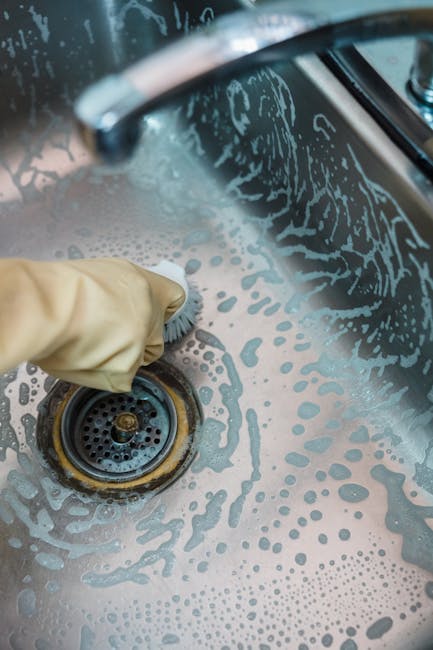
Have you ever stood in your kitchen, staring at the sink that seems to drain slower than a snail's pace, wondering if a quick fix like drain cleaner could solve the problem? You're not alone.
Many of us face this dilemma and wonder if a simple solution lies in a bottle of drain cleaner. But before you pour that chemical cocktail down the drain, there are a few things you need to know. Is it safe for your plumbing?
Could it harm your pipes or the environment? And most importantly, will it really work? These are the questions we'll address, helping you to make an informed choice for your kitchen sink woes. Keep reading to discover the truth about using drain cleaner in your kitchen sink and to find out if there are better, safer solutions for unclogging your drains.
Risks Of Using Drain Cleaner
When faced with a clogged kitchen sink, reaching for a drain cleaner might seem like the easiest solution. However, this quick fix can come with a set of risks that you may not have considered. From chemical hazards to potential pipe damage and even environmental consequences, using drain cleaner can be more trouble than it's worth. Let's explore these risks in detail to ensure you're making informed decisions when tackling your kitchen sink woes.
Chemical Hazards
Drain cleaners often contain harsh chemicals that can pose dangers to your health. If you've ever had a splash of cleaner land on your skin, you know how painful it can be. Even the fumes can irritate your eyes and lungs. Consider the safety of everyone in your home. Are you willing to expose them to these risks? Always read labels carefully and use protective gear if you must use these chemicals.
Potential Pipe Damage
Using drain cleaner might clear the clog temporarily, but it can also corrode your pipes over time. Many drain cleaners contain acids that eat away at metal pipes, leading to leaks and costly repairs. You might not notice the damage right away, but over months or years, it can become a significant problem. Is the convenience of a quick fix worth the potential expense of replacing your plumbing?
Environmental Impact
What happens to those chemicals once they wash down the drain? They don't just disappear. Many drain cleaners can harm aquatic life and pollute water systems. Think about where those chemicals end up after leaving your sink. It's a sobering thought, considering the impact on the environment. Are there eco-friendly alternatives you could try instead?
Addressing a clogged kitchen sink doesn't have to mean choosing between convenience and safety. There are safer, more sustainable options available. Have you explored natural methods or consulted with a plumber for advice? Taking a moment to consider these risks might save you trouble in the long run.
Types Of Drain Cleaners
Using drain cleaners in kitchen sinks requires care. Chemical cleaners can harm pipes if used often. Enzyme-based cleaners offer a safer option, breaking down clogs naturally. Always follow product instructions to avoid damage.
When you notice your kitchen sink draining sluggishly, you might wonder about the best way to clear it up. There are several types of drain cleaners available, each with a unique method of attacking those stubborn clogs. Understanding these differences can help you choose the right product for your kitchen. Let's dive into the types of drain cleaners: caustic, oxidizing, and acidic.
Caustic Cleaners
Caustic cleaners are one of the most common choices for tackling kitchen sink clogs. These cleaners contain substances like sodium hydroxide or lye, which work by breaking down fats and grease. Have you ever poured bacon grease down your sink? If so, caustic cleaners might be your best bet to dissolve that stubborn residue. They create a chemical reaction that generates heat, helping to melt away blockages. However, they can be harsh on your pipes if used too frequently.
Oxidizing Cleaners
Oxidizing cleaners are another option that uses ingredients like bleach or nitrates. These substances release oxygen bubbles, which help to break apart organic materials such as food particles. Imagine pouring your leftover soup down the sink; oxidizing cleaners can tackle these pesky clogs by transforming solid debris into liquid. They’re generally safer for your pipes than caustic cleaners, but it’s crucial to follow the instructions to avoid unwanted reactions. You might be surprised at how effective this bubbling action can be in clearing your drain.
Acidic Cleaners
Acidic cleaners are powerful solutions containing sulfuric or hydrochloric acid. These cleaners are often reserved for the most stubborn blockages because they aggressively dissolve materials like hair and soap scum. If you’ve ever dealt with a sink that refuses to drain despite your best efforts, acidic cleaners might seem like the answer. Yet, they require careful handling due to their corrosive nature. Always ensure good ventilation and avoid contact with skin to prevent irritation. These cleaners can quickly tackle stubborn clogs, but consider the potential impact on your plumbing before using them. Before you grab a bottle of drain cleaner, consider what’s causing the blockage in your sink. Would a caustic cleaner that targets grease be most effective, or would an oxidizing cleaner work better for food scraps? Understanding these options empowers you to make an informed decision, ensuring your kitchen sink stays clog-free. Which type of cleaner do you think would be most effective in your kitchen?
Alternatives To Chemical Drain Cleaners
Chemical drain cleaners might harm kitchen sinks and plumbing. Consider natural alternatives like baking soda and vinegar. These options safely clear clogs without damaging pipes.
If you've ever faced a stubborn kitchen sink clog, reaching for a chemical drain cleaner might seem like the easiest solution. However, these harsh chemicals can damage your plumbing, harm the environment, and even pose risks to your health. Luckily, there are effective alternatives to chemical drain cleaners that can help you keep your kitchen sink flowing smoothly without the negative side effects.
Mechanical Methods
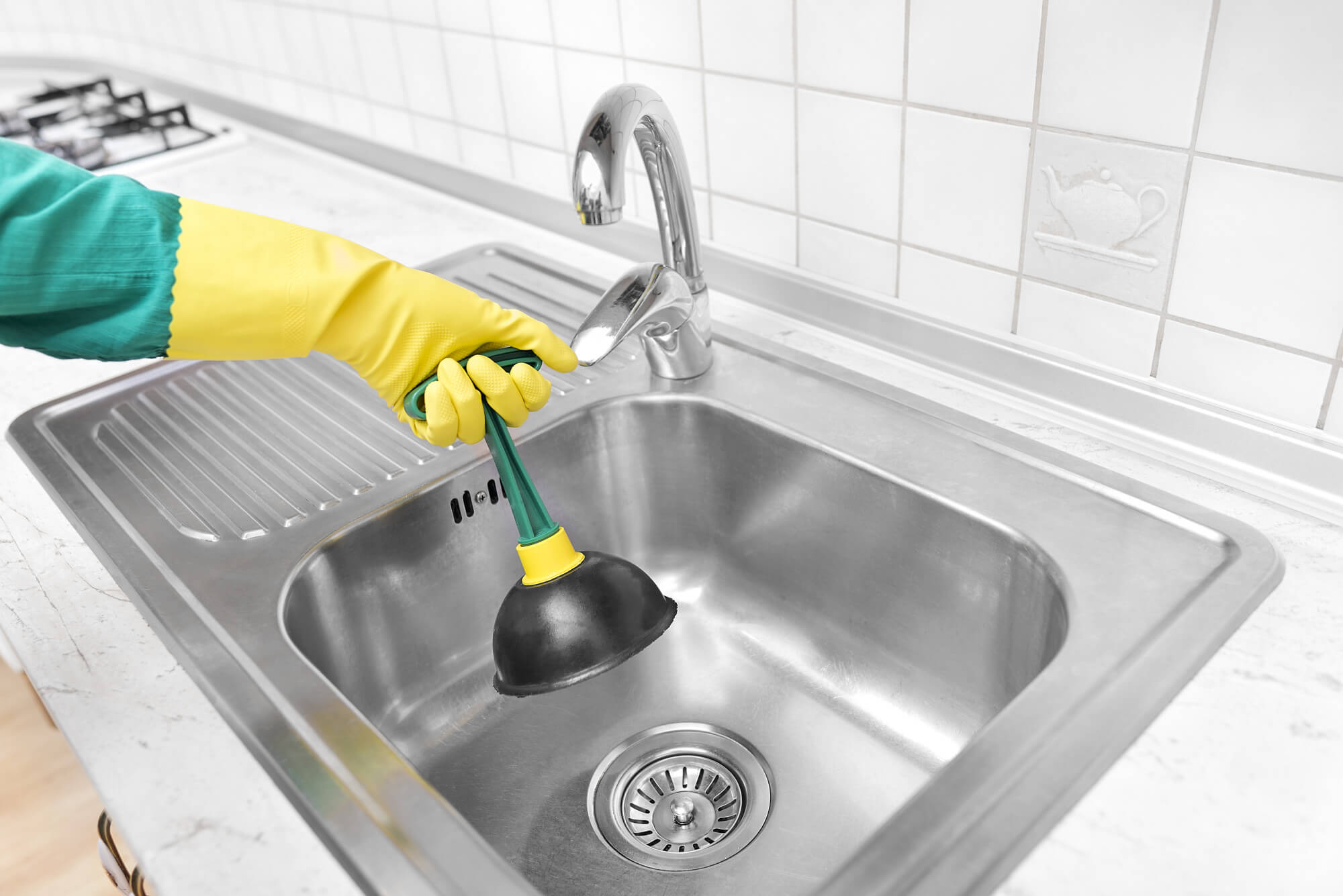
One of the simplest ways to tackle a clogged kitchen sink is through mechanical methods. A plunger can be your best friend in such situations. It creates suction to dislodge the blockage. Remember to cover the overflow hole with a wet cloth for better suction. You might also consider using a drain snake. This handy tool can reach deeper into pipes to break up or retrieve stubborn clogs. It's a bit like fishing for the source of your problem. A wire coat hanger can also work in a pinch if you don't have a snake on hand.
Natural Solutions
Baking soda and vinegar are a dynamic duo when it comes to natural drain cleaning. Pour half a cup of baking soda down the drain, followed by half a cup of vinegar. Cover the drain and let the fizzing action do its job for about 15 minutes, then rinse with hot water. Lemon juice mixed with baking soda is another powerful combo. The acidity of the lemon helps to break down grease, while the baking soda tackles grime. Plus, it leaves your kitchen smelling fresh and clean.
Regular Maintenance Tips
Preventing clogs before they happen can save you a lot of headaches. Regular maintenance is key. Once a week, flush your kitchen drain with hot water to keep it clear of buildup. Consider using a drain strainer to catch food particles and prevent them from going down the drain. It's a small investment that can make a big difference. Make it a habit to avoid pouring grease down the sink. Instead, collect it in a container and dispose of it in the trash. This simple act can significantly reduce the chances of a clog. Have you tried any of these methods before? If not, why not give them a shot and see the difference they can make in your kitchen sink maintenance routine? By opting for these alternatives, you're not only protecting your pipes but also contributing to a healthier home environment.

Credit: www.liquidplumr.com
When To Call A Professional
Using drain cleaner in your kitchen sink can solve minor clogs. Yet, some situations require expert help. Knowing when to call a plumber is key. It can prevent costly repairs later.
Persistent Clogs
If your sink drains slowly, you might face a persistent clog. Drain cleaners may not always work. Repeated use might even damage your pipes. A professional plumber can clear stubborn clogs safely.
Pipe Inspection
Clogs might signal a deeper issue within your pipes. Professional plumbers have special tools for pipe inspection. They can identify hidden problems. This ensures your plumbing system stays in good condition.
Safety Concerns
Drain cleaners contain strong chemicals. These can pose safety risks. Misuse can cause harmful fumes or skin burns. Plumbers handle these safely, ensuring no harm to you or your home.
Preventing Kitchen Sink Clogs
Kitchen sink clogs can disrupt your daily routine. They can lead to unpleasant odors and messy clean-ups. Understanding how to keep your sink free from clogs is essential. By following some simple tips, you can prevent these issues. Let's explore some effective methods.
Proper Disposal Techniques
Improper disposal of waste leads to clogs. Always throw food scraps in the trash, not the sink. Avoid pouring grease or oil down the drain. These substances harden and block pipes. Use a container to collect and dispose of them safely.
Regular Cleaning Practices
Regular cleaning keeps your sink in top shape. Use hot water to flush the drain weekly. This helps clear minor buildups. Combine vinegar and baking soda monthly for a deeper clean. These natural cleaners dissolve residue without harming pipes.
Use Of Sink Strainers
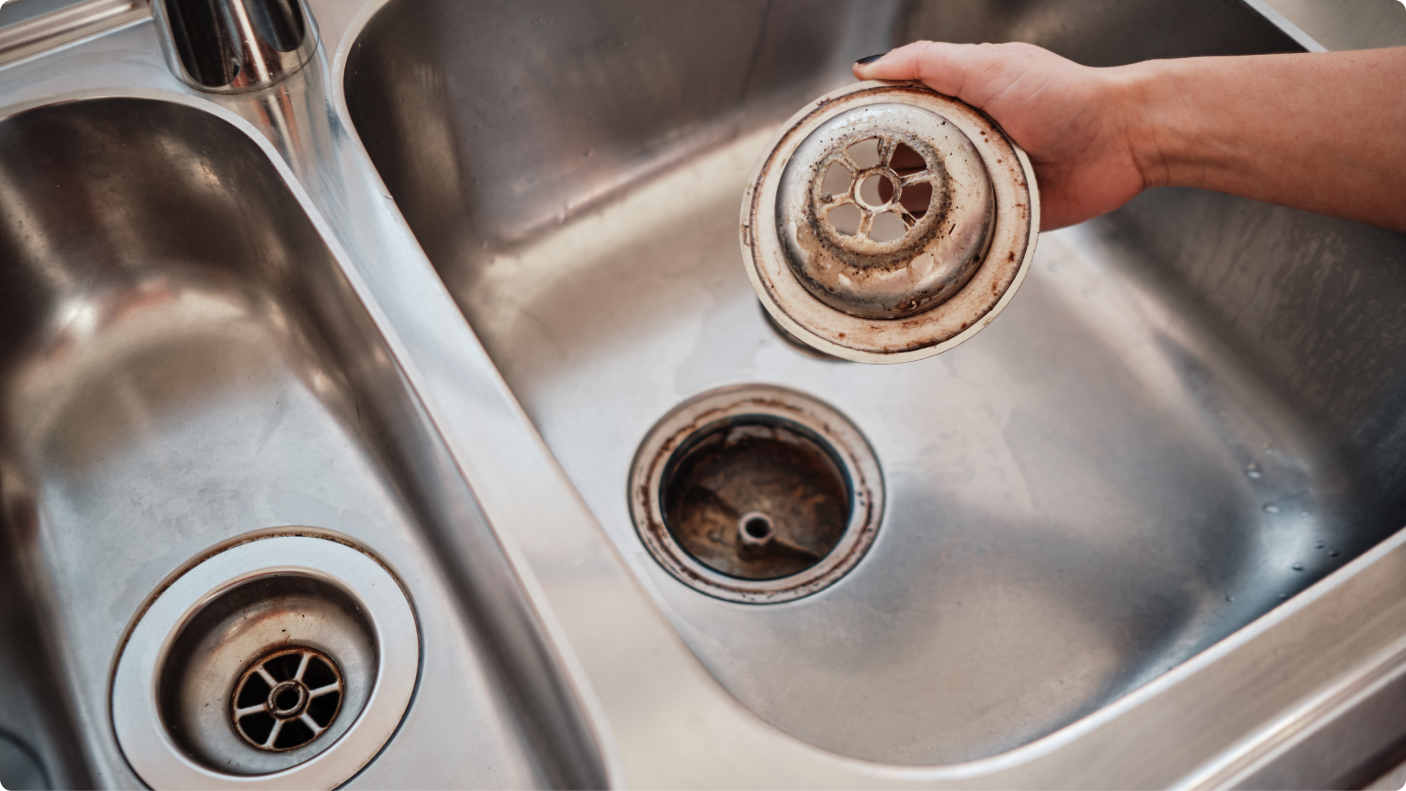
Sink strainers are simple yet effective tools. They catch food particles and prevent clogs. Place a strainer over your drain. Empty it into the trash regularly. This small step can save you from future headaches.
Credit: www.liquidplumr.com
Credit: trusteyman.com
Frequently Asked Questions
Is Drain Cleaner Safe For Kitchen Sinks?
Drain cleaner can be used in kitchen sinks, but caution is advised. Some cleaners are harsh and can damage pipes. It's crucial to use a product specifically designed for kitchen sinks to prevent any adverse effects. Always follow manufacturer instructions and consider natural alternatives like baking soda and vinegar for safer cleaning.
Can Drain Cleaner Damage Kitchen Pipes?
Yes, certain drain cleaners can damage kitchen pipes if used improperly. Acidic or highly caustic cleaners may corrode pipes over time, especially if the pipes are old or made of sensitive materials. Always opt for mild cleaners and follow instructions carefully to minimize risks and maintain pipe integrity.
How Often Should I Use Drain Cleaner?
Using drain cleaner regularly can help maintain your kitchen sink's efficiency. However, limit usage to once a month to prevent pipe damage. Frequent use can lead to corrosion, especially with harsh cleaners. For persistent clogs, consider mechanical cleaning methods or consult a plumber for professional advice.
Are Natural Cleaners Effective For Kitchen Drains?
Natural cleaners can be effective for minor kitchen drain clogs. Baking soda and vinegar are popular choices that can break down buildup. They are safer and environmentally friendly alternatives to chemical cleaners. Regular use helps maintain a clean drain without harming pipes or the environment.
Conclusion
Using drain cleaner in your kitchen sink needs caution. It can damage pipes. Always read labels before use. Natural solutions like baking soda are safer. They can clear minor clogs effectively. For stubborn blockages, consider professional help. This prevents potential pipe damage.
Remember, prevention is better than repair. Avoid pouring grease and food scraps down the drain. Regular maintenance keeps your sink flowing smoothly. So, next time your sink clogs, think carefully. Choose the right method for a safe, clean kitchen. Your pipes will thank you!