
Are you wondering if your shiny new refrigerator or state-of-the-art oven can help you save money on your taxes? You're not alone.
Many people are curious about the tax benefits of purchasing kitchen appliances. Imagine if your home upgrades could actually pay you back in tax deductions! You'll discover whether you can turn those kitchen investments into valuable tax savings. We’ll explore the rules, the exceptions, and the surprising ways you might benefit.
Ready to uncover how your kitchen gadgets could potentially lighten your tax load? Keep reading to learn more!
Tax Deduction Basics
Kitchen appliances can be deducted if they are used for business purposes. Ensure they are necessary and ordinary for your work. Always keep receipts to support your claim.
Understanding how tax deductions work can save you money each year, especially when it comes to larger purchases like kitchen appliances. You might be wondering if you can deduct those shiny new appliances from your taxes. Knowing the basics can help you make informed decisions, potentially reducing your taxable income. Let’s dive into the essentials so you can maximize your benefits.
Understanding Tax Deductions
Tax deductions lower your taxable income, reducing the amount of tax you owe. Imagine your taxable income as a pie. Deductions are like slices that reduce the size of that pie, meaning you pay taxes on a smaller amount. You have to qualify for specific deductions. They are not automatic. Understanding which expenses qualify is crucial. This can make a significant difference in your tax return. Most of us have been there—standing in the appliance aisle, wondering if this purchase could somehow ease the tax burden. It's important to know how your choices impact your finances.
Eligible Expenses
Not all kitchen appliances qualify for deductions. However, if you use part of your home for business, you might be in luck. For example, a home office deduction may apply if you use the kitchen for business purposes. Energy-efficient appliances may also qualify for tax credits. These credits differ from deductions as they directly reduce your tax bill. If you’ve opted for energy-saving models, check if they meet federal standards for tax credits. Consider your appliance's purpose. Is it purely personal, or does it serve a business function? This distinction is key in determining eligibility for deductions. It's a detail that could turn a purchase into a smart tax move. Have you ever thought about how your spending choices reflect on your tax returns? Evaluating your expenses in this way can change how you approach future purchases.
Business Use Of Kitchen Appliances
Many people use kitchen appliances for business purposes. If you operate a small business from home, certain appliances might be tax-deductible. It's important to understand how business use of kitchen appliances can impact your taxes.
Small business owners often use their homes as a base of operations. This means home appliances might be used for business needs. Knowing what qualifies as a business expense can save money on taxes.
Home Office Considerations
Running a business from home involves many aspects. Consider if your kitchen appliances are used for business. For instance, a baker might use the oven for baking goods for sale. If the appliances are used primarily for business, they might qualify for deductions.
Home office deductions can be tricky. They require clear separation between personal and business use. Keep detailed records to show how appliances are used for business. This ensures you comply with tax rules and regulations.
Appliances Used For Business
Not all kitchen appliances qualify as business expenses. Only those used solely for business can be deducted. For example, a food processor used to prepare catering orders might qualify. It's essential to demonstrate the appliance’s business use.
Document every time an appliance is used for business. This can include receipts or logs. Proper documentation helps support your claims during tax filings. Using appliances for business can be beneficial if handled correctly.
Criteria For Deducting Appliances
Kitchen appliances may qualify for tax deductions if used for business purposes. Home office or rental property usage strengthens eligibility. Accurate record-keeping of appliance use and expenses is essential for tax filings.
When considering tax deductions for kitchen appliances, it's crucial to understand the specific criteria. Not all appliances qualify for deductions. The IRS has clear rules. Understanding these rules can help you maximize your tax benefits. Here are the key criteria:
Exclusive And Regular Use
To deduct an appliance, it must be used exclusively for business. This means the appliance cannot be used for personal tasks. For example, a refrigerator in a home office might qualify. But a fridge in your family kitchen likely will not. Consistent use for business purposes is also essential. The IRS checks that the appliance is used regularly. Sporadic or occasional use might not be enough.
Documentation Requirements
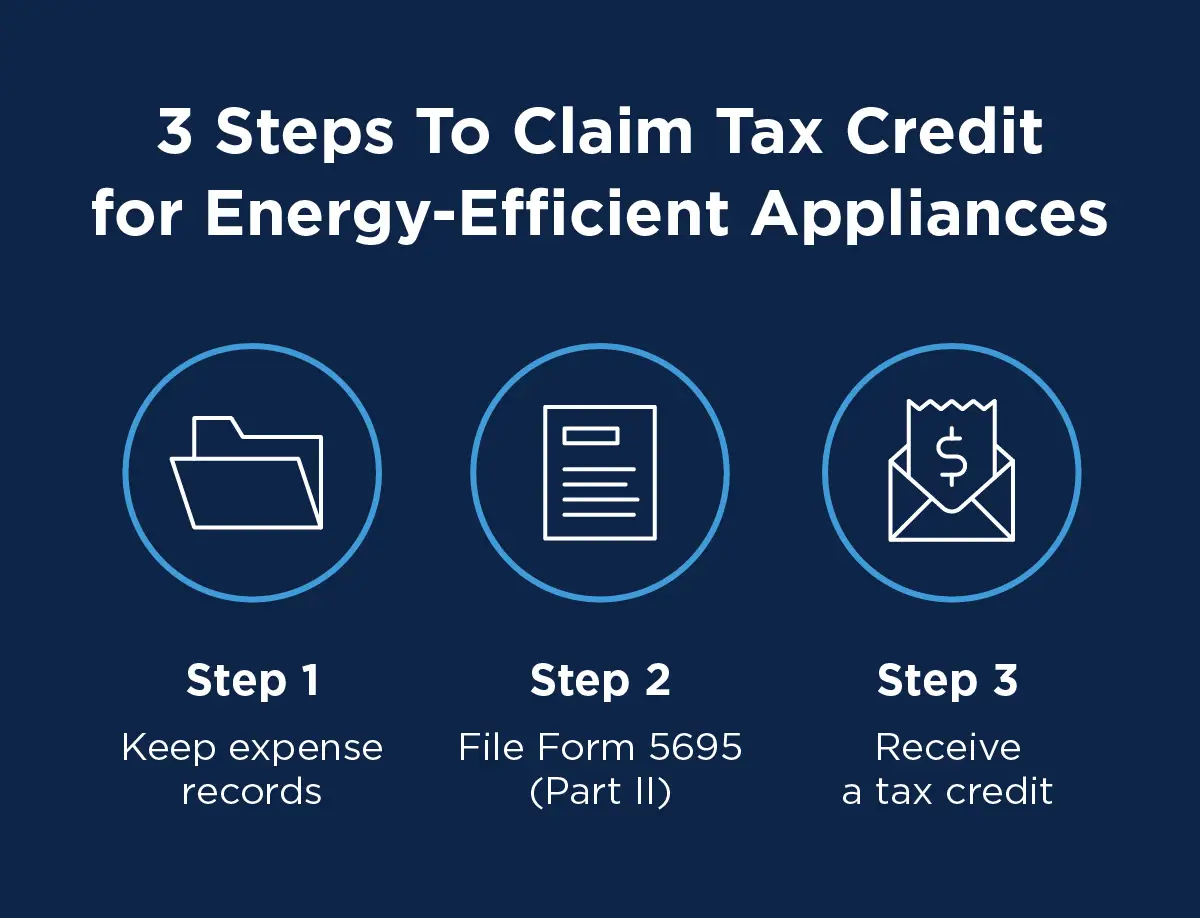
Proper documentation is vital for any tax deduction. Keep all receipts related to the appliance purchase. Document the date of purchase and the cost. Also, note the purpose of the appliance. Maintain records showing business use. A log or journal can help. This evidence is crucial during an IRS audit. Ensure all documents are organized and accessible. Reliable records make the deduction process smoother.
Specific Appliances Eligible
Determining which kitchen appliances are deductible can be tricky. Certain appliances offer tax advantages, while others do not. Understanding the rules can help you make the right choices. Below, we explore specific appliances eligible for deductions.
Commonly Deducted Items
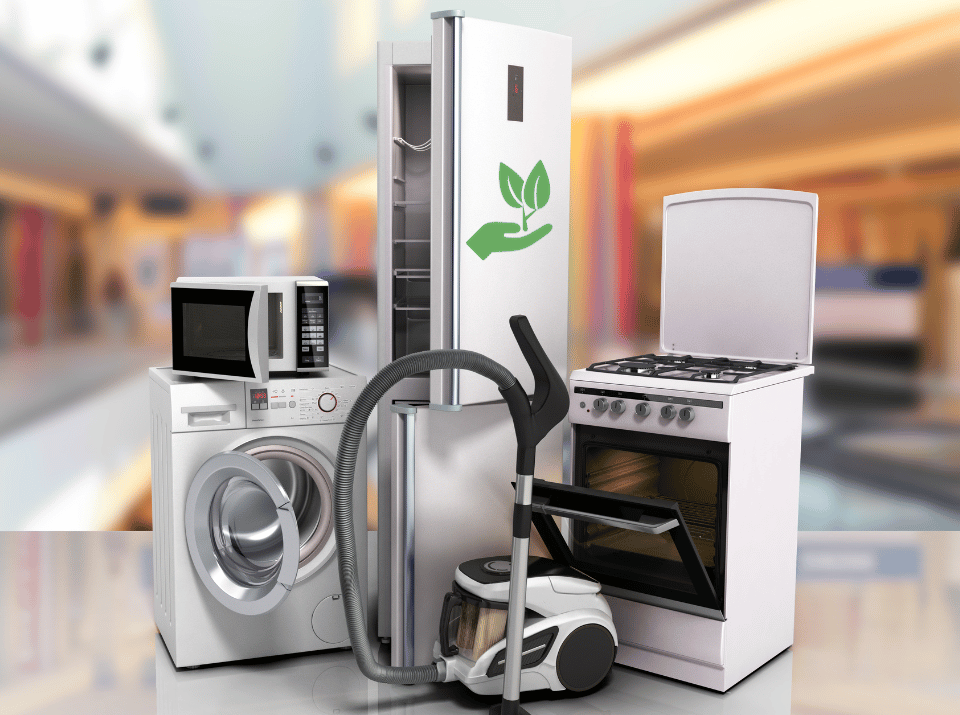
Some kitchen appliances qualify for tax deductions. Energy-efficient appliances often top the list. Dishwashers with Energy Star ratings are deductible. Refrigerators with energy-saving features also qualify. Stoves and ovens designed for efficiency are included too. These appliances reduce energy usage and may offer tax benefits.
Non-deductible Items
Not all appliances qualify for deductions. Basic kitchen tools like toasters are not eligible. Standard microwave ovens do not offer deductions. Coffee makers fall into the non-deductible category as well. Appliances without energy-efficient features generally don't qualify. Understanding these distinctions prevents tax filing errors.
Calculating Deductions
Understanding how to deduct kitchen appliances on your taxes can be complex. Calculating deductions is a crucial step in this process. It involves determining the right amount to claim. This requires careful consideration of several factors. Let's explore these factors in detail.
Percentage Of Usage
The percentage of usage is essential when calculating deductions. You must determine how often the appliance is used for business. Only the business use portion is deductible. For example, if used 50% for business, then only 50% of the cost is deductible.
Depreciation Methods
Depreciation allows you to spread the cost over several years. There are different methods to consider. The Straight-Line Method is simple. It spreads the cost evenly each year. The Declining Balance Method allows larger deductions in the early years. Choose the method that suits your situation best.

Credit: www.homebuyerbrokerage.com
Legal And Tax Implications
Kitchen appliances can be a significant investment. Some wonder if they can deduct these costs on their taxes. Understanding the legal and tax implications is crucial. It helps avoid future troubles with the IRS. Let's dive into the details.
Irs Guidelines
The IRS has strict rules for deductions. Kitchen appliances are generally not deductible. They fall under personal expenses. Yet, there are exceptions. If you use them for a business, like a catering service, they might qualify. Keeping detailed records is vital. They prove the business use of the appliances.
Potential Risks
Claiming deductions without proper basis can lead to audits. The IRS can impose penalties for incorrect claims. Misunderstanding the rules could cost you more. It's important to consult a tax professional. They ensure you're on the right track.
Consulting Tax Professionals
Tax season often brings questions about deductions. One common query is about kitchen appliances. Can they be deducted? Consulting a tax professional might be the best approach. They provide clarity and ensure compliance with tax laws. Their expertise can prevent costly mistakes. Let's explore why seeking expert advice matters.
Seeking Expert Advice
Tax laws are complex and change often. A tax professional stays updated on these changes. They understand the nuances of tax deductions. This expertise is crucial for accurate filings. They help identify legitimate deductions. This can include kitchen appliances under certain conditions. Consulting them saves time and reduces stress.
Common Pitfalls To Avoid
Many make mistakes with deductions. Misunderstanding tax laws is a common issue. Claiming personal items as business expenses can lead to audits. Not keeping proper receipts is another error. A tax professional helps navigate these pitfalls. Their guidance can safeguard against potential penalties.
Credit: www.aireserv.com
Credit: eveelife.com
Frequently Asked Questions
Can Kitchen Appliances Be Tax-deductible?
Kitchen appliances can be deductible if used for business purposes. They must be essential for your business operations. Personal use appliances typically don't qualify. Consult a tax professional for guidance.
Are Kitchen Appliances A Business Expense?
If used exclusively for business, they might qualify as a deductible business expense. Proper documentation is essential. Keep receipts and proof of business use to support your claim.
How To Claim Kitchen Appliances On Taxes?
To claim, itemize deductions and prove business use. Use IRS Form 4562 for depreciation. Ensure proper documentation to avoid audits and penalties.
What Kitchen Appliances Qualify For Tax Deduction?
Appliances used for business, like a commercial oven, may qualify. Personal kitchen appliances generally don't qualify unless there's a legitimate business use.
Conclusion
Understanding tax deductions for kitchen appliances is important. It can save money. Business use of appliances might qualify for deductions. Home use generally doesn't. Consult a tax professional for advice. They can guide your specific situation. Keep records of your purchases.
Documentation helps during tax filing. Don't miss potential savings. Stay informed about tax laws. They change frequently. Educate yourself on deduction rules. Preparation leads to smart financial decisions. Always ask questions. Get clarity on uncertain topics. Being proactive can benefit your finances.
Plan ahead for future appliance purchases. Make the most of tax opportunities.