Are you tired of scrubbing away at stubborn grime on your kitchen cabinets? You’re not alone.
Many homeowners struggle with keeping their cabinets looking fresh and clean. You might have heard about steam cleaning and wondered if it could be the solution you’ve been searching for. Imagine a tool that could effortlessly lift away dirt and grease, leaving your cabinets spotless with minimal effort.
Sounds like a dream, right? Before you grab your steam cleaner, though, there are a few things you need to know. We’ll explore whether steam cleaning is safe for your kitchen cabinets and how it could transform your cleaning routine. Don’t miss out on discovering a potentially game-changing cleaning hack!
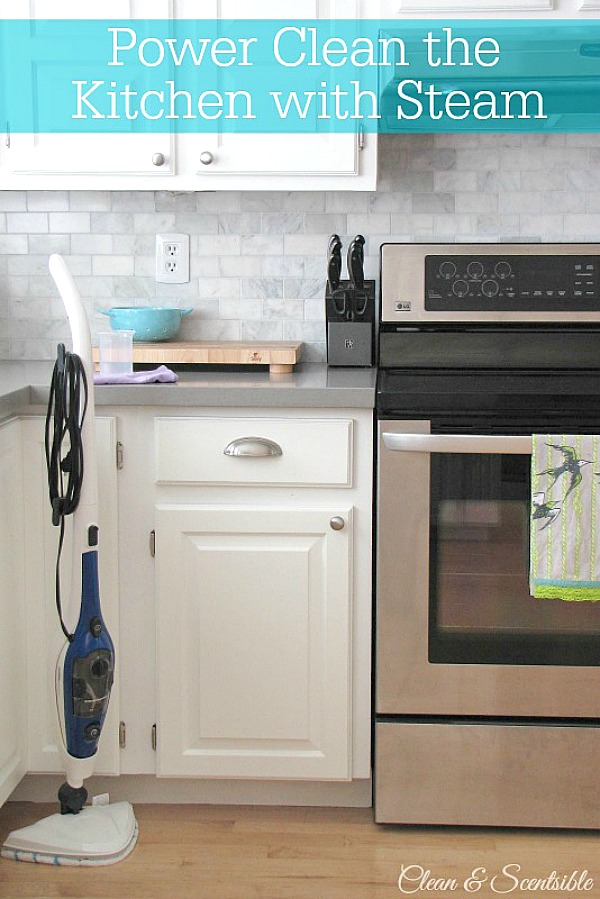
Credit: www.cleanandscentsible.com
Benefits Of Steam Cleaning
Steam cleaning can be a game-changer for your kitchen cabinets. It’s not just about removing dirt and grime; it’s about doing so efficiently and safely. If you've ever spent hours scrubbing stubborn stains, you know how frustrating it can be. Steam cleaners offer a solution that saves time and energy while ensuring your cabinets look pristine.
Enhanced Cleaning Power
Steam cleaning harnesses the power of high-temperature steam to dissolve dirt and grease. This method reaches into crevices that traditional cleaning tools miss. I once struggled to clean the intricate designs on my cabinet doors, but a steam cleaner made it effortless. Can you imagine the relief of seeing those stubborn stains vanish in seconds?
Eco-friendly Solution
Unlike harsh chemicals, steam cleaning uses only water, making it safe for your family and the environment. This was a revelation for me when I switched, knowing I was reducing chemical exposure in my home. Have you considered the positive impact on your health and the planet by choosing steam over chemical cleaners?
Preservation Of Cabinet Material
Steam cleaning is gentle on surfaces, preserving the finish of your cabinets. While abrasive cleaners can damage the paint or wood, steam respects the integrity of the material. I learned this the hard way with a previous cleaner that left scratches. Are you willing to risk the beauty of your cabinets with harsh methods?
Cost-effective Maintenance
A steam cleaner is a one-time investment that saves money in the long run. You no longer need multiple cleaning agents that add up over time. A friend of mine realized significant savings after switching to steam cleaning. How much could you save by reducing your reliance on disposable cleaning products?
Quick And Convenient
With steam cleaning, you can swiftly tackle spills and stains before they set in. It’s perfect for busy households where time is precious. I often steam clean my cabinets right after dinner, turning a dreaded chore into a quick task. Isn’t it satisfying to see a clean kitchen with minimal effort?
Have you tried using a steam cleaner on your kitchen cabinets? If not, it might be time to experience the benefits firsthand. You could transform your cleaning routine, making it faster, greener, and more effective.
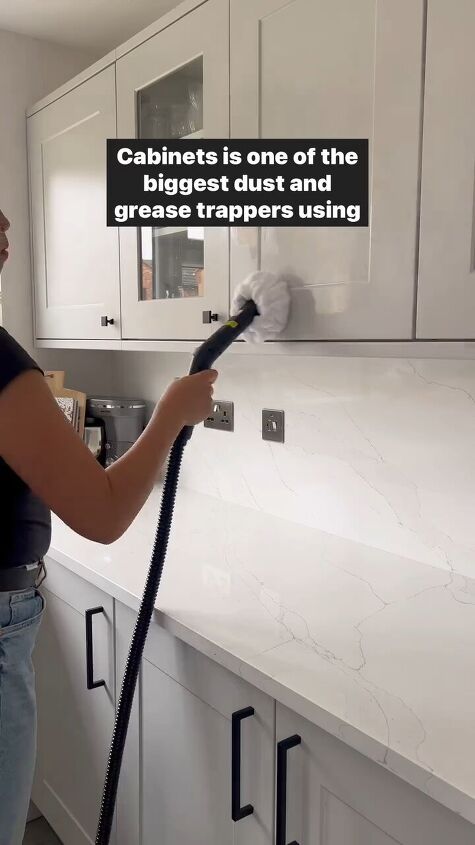
Credit: www.hometalk.com
Types Of Kitchen Cabinets
Kitchen cabinets come in a variety of materials, each with its unique characteristics and maintenance needs. Understanding the types of cabinets in your kitchen can help you determine the best way to clean them, including whether a steam cleaner is suitable. Let's explore the most common types of kitchen cabinets you might encounter.
Wood Cabinets
Wood cabinets are a classic choice, offering warmth and natural beauty to any kitchen. They come in various finishes, like oak, maple, or cherry, each adding a distinct character. However, wood is sensitive to moisture. If you've ever accidentally spilled water on wood, you know how it can warp or stain.
Using a steam cleaner on wood cabinets requires caution. The high heat and moisture could potentially damage the finish or cause warping. Instead, consider spot cleaning with a damp cloth and a gentle cleaner. Have you noticed how wood responds to subtle changes in humidity?
Laminate Cabinets
Laminate cabinets are known for their durability and ease of maintenance. They are typically made from a plastic-coated synthetic material, which makes them resistant to stains and scratches. This resilience might tempt you to use a steam cleaner.
While laminate can handle moisture better than wood, it's still wise to test a small area first. Excessive moisture can seep into seams and edges, potentially causing bubbling or peeling. Do you think your laminate cabinets have what it takes to withstand steam?
Painted Cabinets
Painted cabinets offer a colorful and versatile option for kitchen design. They can be customized to match any decor style, but they require careful upkeep to maintain their appearance. Paint can chip or fade over time, especially with harsh cleaning methods.
Using a steam cleaner on painted cabinets might not be the best idea. The steam can soften paint and lead to peeling or blistering. Consider gently wiping them with a soft cloth and mild detergent instead. What would you do to preserve the vibrant look of your painted cabinets?
Knowing the type of cabinets in your kitchen can guide your cleaning choices. Whether you opt for traditional methods or explore newer technologies, always prioritize preserving the integrity and appearance of your cabinetry. After all, your kitchen is a reflection of your style and care.
Preparing Cabinets For Steam Cleaning
Steam cleaning kitchen cabinets can be very effective. But preparation is key. Proper preparation ensures the best results. It also protects your cabinets. Follow these steps to get ready.
Clearing And Organizing
Begin by emptying your cabinets. Remove all items inside. This includes dishes, food, and other objects. Place them on a table or countertop. Organizing them will make returning them easier.
Next, inspect the cabinet surfaces. Look for any clutter or debris. Use a damp cloth to wipe away any dust. This will help the steam cleaner work better.
Testing A Small Area
Before cleaning, test a small area. Choose a hidden spot inside the cabinet. Use the steam cleaner on this spot first. Wait a few minutes to see the results. This ensures the steam won't damage the cabinet material.
If the test spot looks good, proceed with the rest. Testing helps avoid potential damage. It gives you peace of mind.

Credit: www.tiktok.com
Choosing The Right Steam Cleaner
Choosing the right steam cleaner for kitchen cabinets is crucial. The wrong choice might damage your cabinets or be ineffective. Find a steam cleaner that suits your cabinet's material and finish. A good steam cleaner will make your cleaning task easier and more efficient.
Features To Look For
Look for adjustable steam settings. Different materials require different steam levels. A lightweight design helps in maneuverability. Ensure the cleaner has a long power cord for easy access. A quick heat-up time is essential for fast cleaning. Find models with additional attachments for versatility.
Recommended Models
The Bissell PowerFresh Steam Mop is popular for its adjustable steam settings. It's easy to use and effective on kitchen cabinets. The Shark Genius Steam Pocket Mop offers double-sided pads for longer cleaning sessions. The Wagner Spraytech On-Demand Steam Cleaner provides multiple attachments for various surfaces.
Steam Cleaning Techniques
Steam cleaning can safely refresh kitchen cabinets without harsh chemicals. Use a gentle steam setting to avoid damage. It's effective for removing grime and sanitizing surfaces.
Cleaning your kitchen cabinets can often feel like a daunting task. However, using a steam cleaner might just be the efficient solution you’ve been searching for. Steam cleaning is not only eco-friendly but also incredibly effective in removing grime and bacteria without harsh chemicals. But how do you ensure you’re using the steam cleaner correctly on your kitchen cabinets? Let's dive into some practical steam cleaning techniques that will help you get the most out of this powerful tool.
Proper Attachment Use
Choosing the right attachment for your steam cleaner is crucial. Most steam cleaners come with various nozzles and brushes. For kitchen cabinets, a small nylon brush is typically ideal. This attachment can get into the grooves and corners of your cabinets, ensuring a thorough clean. Always check the material of your cabinets. Wooden cabinets may require a gentler approach, while metal or laminate can handle a bit more pressure. Remember to test the attachment on a small, inconspicuous area first. This helps avoid any potential damage or discoloration.
Cleaning Methods
Begin by filling the steam cleaner with water as instructed by the manufacturer. Allow it to heat up fully before starting. This ensures the steam is at its most effective temperature. Hold the steam cleaner’s nozzle a few inches away from the cabinet surface. Move in steady, overlapping strokes. This technique ensures every inch of the cabinet is cleaned uniformly. For stubborn grime, let the steam dwell on the area for a few extra seconds before wiping it away with a clean cloth. Always follow up with a dry towel to absorb excess moisture. This helps prevent water damage and keeps your cabinets looking pristine. Have you ever thought about the hidden spots in your kitchen? Those areas where dust and grease love to hide? Steam cleaning can reach those places effortlessly. It’s satisfying to know that even the unseen parts of your kitchen are spotless. Using these techniques, you can maintain a clean and healthy kitchen environment. Whether you're preparing for a big family gathering or just doing your weekly cleaning, steam cleaning can make the process quicker and more effective. Are you ready to transform your kitchen cabinets with the power of steam?
Safety Precautions
Using a steam cleaner on kitchen cabinets requires careful attention. These devices can effectively clean surfaces but also cause damage if not used properly. It's vital to follow certain safety precautions to protect your cabinets and ensure a safe cleaning process.
Avoiding Damage
Steam cleaners can produce high heat levels. This heat can warp or discolor cabinet surfaces. Always test the steam cleaner on a small, hidden area first. Check for any signs of damage. Use the lowest heat setting possible to reduce risk. Keep the steam cleaner moving. Never focus on one spot for too long. This helps prevent heat from building up. Avoid using steam on painted or laminated surfaces as it can cause peeling.
Protective Gear
Using a steam cleaner can expose you to hot steam. This can result in burns if not handled with care. Always wear protective gloves to safeguard your hands. Use goggles to protect your eyes from steam exposure. Ensure you work in a well-ventilated area. This reduces the chance of inhaling steam. Wearing a mask can also help in preventing inhalation of any released particles. Proper gear ensures a safer cleaning experience.
Post-cleaning Care
Steam cleaners are excellent for deep cleaning, but caution is needed with kitchen cabinets. Steam can damage wood finishes if applied directly. Instead, use steam on nearby surfaces and wipe cabinets with a damp cloth.
After using a steam cleaner on your kitchen cabinets, it’s crucial to follow up with proper post-cleaning care. This ensures that your cabinets not only look good but also last longer. Ignoring this step could lead to damage, especially if moisture is left unchecked. Let’s dive into some practical steps to keep your cabinets in top-notch condition after steaming.
Drying And Ventilation
Make sure to dry your cabinets thoroughly after steaming. Use a soft, absorbent cloth to wipe away any remaining moisture. Pay attention to corners and edges where water might hide. Open windows or use a fan to enhance ventilation. This speeds up the drying process and prevents moisture buildup. Proper airflow is essential to avoid mold and mildew. If you live in a humid area, consider using a dehumidifier. It can help maintain a balanced environment, protecting your cabinets from excess moisture.
Applying Finish
Once your cabinets are dry, think about applying a protective finish. This adds a layer of protection against future grime and moisture. Choose a finish that matches your cabinet material for best results. Regularly applying finish helps maintain the cabinet’s shine and durability. Check the manufacturer’s instructions for specific recommendations and application frequency. Have you considered using natural oils as a finish? Options like linseed or tung oil can add a glossy look while being eco-friendly. Always test a small area first to ensure compatibility with your cabinet material. By focusing on these post-cleaning care tips, you can extend the life of your kitchen cabinets. What other maintenance routines do you follow to keep your kitchen looking pristine? Your insights might help others facing similar challenges.
Common Mistakes
Using steam cleaners on kitchen cabinets can lead to damage, like warping or peeling. Many forget that steam's heat and moisture might harm the finish. Always check cabinet material before using steam to clean.
Cleaning kitchen cabinets can be a daunting task, and using a steam cleaner might seem like a quick fix. However, there are common mistakes people make that could lead to damage rather than a sparkling clean. Let's dive into some of these pitfalls so you can avoid them.
Oversteaming
Many people assume that more steam means better cleaning. In reality, too much steam can be a recipe for disaster. Excessive moisture can seep into the cabinets, especially if they're made of wood or have a veneer finish. This can cause warping, swelling, or even peeling of the surface. Imagine spending your weekend repairing a warped cabinet door because of overzealous cleaning. To avoid this, use the steam cleaner sparingly and keep it moving. Never let it linger in one spot for too long. Always start with the lowest setting and gradually increase if necessary.
Ignoring Material Type
Not all kitchen cabinets are created equal. Ignoring the material type of your cabinets can lead to irreversible damage. Wooden cabinets, for example, are more sensitive to moisture compared to metal or laminate ones. I once made the mistake of using a steam cleaner on my wooden cabinets without checking the material first. The result? A faded finish that cost me a pretty penny to refinish. Before you begin, check the manufacturer's instructions or test a small, inconspicuous area. This will save you from costly repairs and keep your cabinets looking their best. Do you know what material your cabinets are made of? It might be time to find out. This simple step can make all the difference between a successful cleaning session and a kitchen disaster. Remember, the key is to steam clean wisely. Keep these mistakes in mind, and your kitchen cabinets will thank you!
Alternative Cleaning Methods
Using a steam cleaner on kitchen cabinets can be risky. It might damage the finish or warp the wood. Therefore, many people seek alternative cleaning methods. These options are safer and still effective for maintaining clean cabinets. Below are some traditional and natural cleaning methods.
Traditional Cleaning Solutions
Traditional cleaning solutions often involve soap and water. A simple mix of dish soap and warm water works well. Use a soft cloth to avoid scratching the surface. Gently wipe the cabinets, focusing on greasy spots. Dry thoroughly to prevent water damage.
Another option is using vinegar and water. Mix equal parts in a spray bottle. Spray onto the cabinets and wipe with a microfiber cloth. Vinegar cuts through grease and leaves a fresh smell. Avoid using it on natural stone surfaces.
Natural Cleaning Options
Natural cleaning options are eco-friendly and safe. Baking soda is a great choice for scrubbing stubborn stains. Make a paste with water and apply it to stained areas. Use a soft brush to scrub gently. Wipe clean with a damp cloth.
Lemon juice is another natural cleaner. It has antibacterial properties and a pleasant scent. Mix lemon juice with water for a refreshing cleaner. Spray and wipe with a soft cloth for best results.
Coconut oil can also be used for cleaning. It helps in removing sticky residues. Apply a small amount on a cloth and rub it on the sticky area. Buff with another cloth for a shiny finish.
Frequently Asked Questions
Can Steam Cleaners Damage Kitchen Cabinets?
Steam cleaners can potentially damage certain kitchen cabinets. High heat and moisture might warp wood or loosen adhesives. Always test on a small area first and check manufacturer guidelines. Cabinets with water-resistant surfaces generally fare better with steam cleaning.
Is Steam Cleaning Safe For All Cabinet Materials?
Steam cleaning isn't safe for all cabinet materials. Wood and laminate may suffer damage from heat and moisture. Metal and sealed surfaces handle steam better. Always consult your cabinet's material specifications before using a steam cleaner.
How Do You Steam Clean Kitchen Cabinets?
To steam clean kitchen cabinets, use a low-setting steam cleaner. Hold the nozzle at a safe distance. Focus on dirty areas and wipe immediately. Avoid prolonged exposure to steam. Always follow the manufacturer's instructions for best results.
Can Steam Cleaning Remove Grease From Cabinets?
Steam cleaning effectively removes grease from cabinets. The high temperature loosens grime and residue. Wipe with a microfiber cloth immediately after steaming. Ensure to use an appropriate steam setting for your cabinet material to avoid damage.
Conclusion
Steam cleaners can safely clean kitchen cabinets. They remove dirt and grime effectively. Always check cabinet materials before using steam. Some finishes may not handle heat well. Test a small area first. This ensures no damage occurs. Use a microfiber cloth for drying.
It prevents water spots and streaks. Regular cleaning keeps cabinets looking new. A steam cleaner can be a helpful tool. It simplifies the cleaning process. Remember to follow manufacturer instructions. Enjoy a clean kitchen with minimal effort. Your cabinets will thank you.