
Have you ever wondered if your silicone bakeware is microwave-safe? You're not alone.
Many home cooks and baking enthusiasts have this question. Imagine the convenience of whipping up a quick treat without the hassle of using multiple dishes. But before you hit the start button on your microwave, it’s crucial to know if silicone bakeware is up to the task.
We'll dive into the facts, debunk myths, and provide you with the knowledge you need to confidently use silicone bakeware in your microwave. Keep reading to ensure your baking adventures are both safe and successful. Your next delicious creation could be just a few minutes away!
Credit: www.youtube.com
Silicone Bakeware Basics
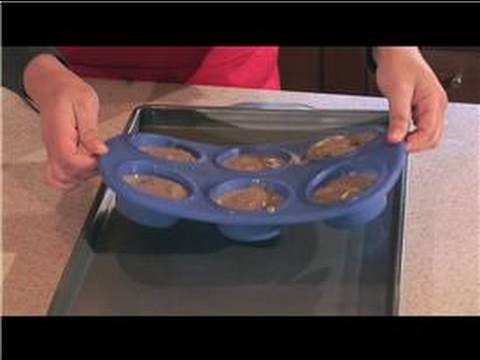
Silicone bakeware is a popular choice for many home cooks. It's flexible, non-stick, and comes in various shapes and sizes. But can it be used in the microwave? Let's explore the basics of silicone bakeware to understand its uses and limitations.
What Is Silicone Bakeware?
Silicone bakeware is made from a synthetic rubber material. It's heat-resistant and can withstand high temperatures. This makes it ideal for baking and cooking. Silicone is also non-reactive, meaning it won't alter the flavor of your food.
Common Uses In The Kitchen
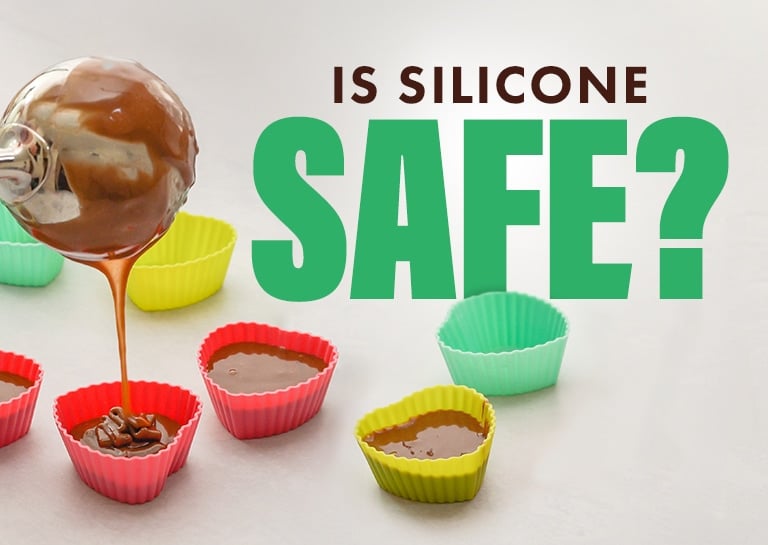
Silicone bakeware is versatile and practical. It's perfect for baking cakes, muffins, and bread. Many people use it for freezing desserts or making ice cubes. It's easy to clean and stores efficiently in small spaces.
In the microwave, silicone bakeware performs well. It heats evenly and doesn't melt. This makes it suitable for reheating leftovers or quickly preparing meals.
Credit: www.webstaurantstore.com
Microwave Safety Of Silicone
Silicone bakeware is popular for its flexibility and durability. Many wonder about its safety in microwaves. Silicone's unique properties make it suitable for microwave use. It withstands heat without melting. Understanding its safety standards is crucial for peace of mind. Explore why silicone is safe for microwaving.
Heat Resistance Properties
Silicone handles high temperatures well. It can resist heat up to 500°F. This makes it ideal for microwave cooking. It doesn't melt or warp under typical microwave conditions. Its stability ensures safe cooking experiences.
Silicone cools quickly after heating. This helps avoid burns when removing it. Its non-stick surface aids in easy food release. This property enhances its usability in various cooking methods.
Fda And Safety Standards
Silicone bakeware meets FDA regulations. The FDA ensures materials are safe for food contact. This means silicone is non-toxic and free from harmful chemicals. Its approval by the FDA guarantees user safety.
Manufacturers follow strict guidelines for silicone production. Quality control measures ensure the bakeware is safe. Always check for FDA approval when purchasing silicone items. This ensures compliance with safety standards.
Benefits Of Using Silicone In The Microwave
Silicone bakeware is a popular choice for microwave cooking. It offers many advantages that enhance your cooking experience. This material is flexible and durable, making it perfect for everyday use. Discover why silicone is ideal for microwave cooking with its unique benefits.
Non-stick Surface Advantages
Silicone bakeware boasts a non-stick surface. Food doesn't cling to it. This feature makes cleaning easy. You won't have to scrub hard. Simply rinse or wipe it clean. This convenience saves time and effort. Less work means more enjoyment in cooking.
Even Heat Distribution
Silicone ensures even heat distribution. Your food cooks uniformly. No burnt edges or raw centers. This results in perfectly cooked meals. Every bite is delicious. It also helps prevent overcooking, preserving nutrients. Your dishes are healthier and tastier.
Potential Concerns
Potential concerns about using silicone bakeware in the microwave are common. Many users worry about safety and quality issues. This section addresses these concerns clearly and simply.
Chemical Leaching Myths
Some people fear chemicals leaching from silicone into food. Silicone bakeware is made from synthetic rubber, not plastic. It does not contain BPA or other harmful chemicals. High-quality silicone is safe for food use. It withstands microwave heat without breaking down.
Odor And Taste Considerations
Odors from silicone bakeware can be a concern for some. New silicone products may have a slight smell. This odor usually fades after a few uses. Washing the bakeware before use can help. Some users worry about taste changes in food. This is rare with high-quality silicone. If taste issues arise, check the bakeware's quality.
Tips For Safe Microwave Use
Silicone bakeware is a popular choice for many home cooks. Its flexibility and heat resistance make it ideal for baking. But can you use silicone bakeware in the microwave? Yes, you can, but safety is key. Follow these tips for safe microwave use to ensure your baking success.
Choosing Quality Silicone
Always choose bakeware made of food-grade silicone. Check labels for quality assurance. Look for certifications from trusted organizations. Avoid products with fillers or harmful chemicals. High-quality silicone is safe and durable.
Proper Cleaning And Maintenance
Clean your silicone bakeware after each use. Use mild soap and warm water. Avoid abrasive scrubbing tools. These can damage the silicone surface. Dry thoroughly before storing to prevent mold. Proper care extends the life of your bakeware.
:max_bytes(150000):strip_icc()/ms-silicone-pan-getty-f19d374f8c454f71a0a1f2231bee0f94.jpg)
Credit: www.marthastewart.com
Comparing Silicone With Other Materials
Silicone bakeware is safe for microwave use due to its heat-resistant properties. Unlike metal, it won't spark or damage appliances. Its flexibility and non-stick surface make it a popular choice for cooking.
When deciding whether to use silicone bakeware in the microwave, it's helpful to compare it with other materials. Each material has its own pros and cons, and understanding these can guide your choice. Let's dive into some comparisons to see how silicone stacks up against plastic and glass.
Silicone Vs. Plastic
Silicone bakeware has gained popularity because of its flexibility and durability. Unlike plastic, silicone can withstand high temperatures without breaking down or releasing harmful chemicals. Plastic tends to warp or melt in the microwave, making it a less reliable option. Have you ever tried reheating leftovers in a plastic container only to find it distorted? Silicone doesn’t have this issue. Additionally, silicone is known for being non-stick. This means you can often skip the greasing step, saving you time and effort. Plastic, on the other hand, might stick and leave you scrubbing after every use.
Silicone Vs. Glass
Glass bakeware is a staple in many kitchens for its ability to evenly distribute heat. However, it can be heavy and fragile. How many times have you been extra cautious handling glassware for fear of breakage? Silicone offers a lightweight alternative that is virtually unbreakable. You can drop a silicone pan without the worry of shattering. Moreover, silicone is flexible, making it easy to pop out your baked goods. Glass can be a bit stubborn, requiring more effort to release food. Choosing between these materials often comes down to personal preferences and specific baking needs. What are your priorities when selecting bakeware?
Common Misconceptions
Silicone bakeware has gained popularity for its flexibility and ease of use. Yet, many people still hesitate to use it in the microwave. Several misconceptions surround silicone bakeware, leading to confusion. It's time to clear up these misunderstandings and provide clarity.
Addressing Misleading Information
One common myth is that silicone can melt in the microwave. In reality, silicone bakeware is designed to withstand high temperatures. It won't melt under normal microwave conditions. Another misconception is that it can release harmful chemicals. Quality silicone bakeware is food-safe and doesn't leach chemicals.
Some people believe that silicone affects food taste. Silicone is inert, meaning it doesn’t interact with food. Your meals will retain their original flavor. Addressing these myths can help you use silicone bakeware confidently.
Consumer Experiences
Many users have shared positive experiences with silicone bakeware in the microwave. They appreciate its non-stick nature, making cleanup a breeze. Users also enjoy its flexibility, which allows easy removal of baked goods. Some have noted that it heats evenly, resulting in well-cooked meals.
Overall, consumer feedback highlights the practicality of silicone bakeware. It stands out for its convenience and efficiency. Listening to real experiences can guide new users in making informed choices.
Frequently Asked Questions
Can Silicone Bakeware Go In The Microwave?
Yes, silicone bakeware is microwave-safe and can be used safely. It withstands high temperatures without melting or warping. Ensure the silicone is pure and free from fillers. Always check the manufacturer's guidelines for specific temperature limits before use.
Is Silicone Bakeware Safe For Cooking?
Silicone bakeware is safe for cooking and does not release harmful chemicals. It is non-toxic and BPA-free. It's known for its flexibility and heat resistance. However, ensure it is of high quality and food-grade for the best results.
How Does Silicone Perform In The Microwave?
Silicone performs excellently in the microwave, evenly distributing heat for consistent cooking. Its flexible nature allows easy removal of food. It doesn't get as hot as metal, reducing the risk of burns. Always use it according to the manufacturer's instructions.
Does Silicone Bakeware Affect Cooking Time?
Silicone bakeware may slightly affect cooking time due to its insulating properties. It may require a bit longer to heat up. However, it provides even cooking and prevents hot spots. Adjust cooking times based on your specific recipe and desired results.
Conclusion
Silicone bakeware works well in the microwave. It's safe and easy to use. Silicone heats evenly, preventing burns. Flexible material makes removing food simple. Cleaning is also a breeze. Always check the manufacturer's instructions first. Some brands may have specific guidelines.
Avoid sharp tools that might damage the silicone. Silicone bakeware offers convenience for microwave cooking. It's a practical choice for busy kitchens. Perfect for those who want quick meals. Always prioritize safety and efficiency. Keep experimenting with silicone bakeware. Enjoy your hassle-free cooking experience.