
Are you tired of your cakes sticking to pans or dealing with the frustration of unevenly baked cookies? If so, you've probably heard about silicone bakeware and its reputation for being a non-stick wonder in the kitchen.
But here's a question that might be nagging at you: Do you need to grease your silicone bakeware to achieve those perfect bakes? The answer isn't as straightforward as you might think. We'll unravel the mystery and guide you through the ins and outs of using silicone bakeware effectively.
Stay with us, and you'll discover the secrets to effortlessly baking like a pro, without the sticky mess!
Silicone Bakeware Basics
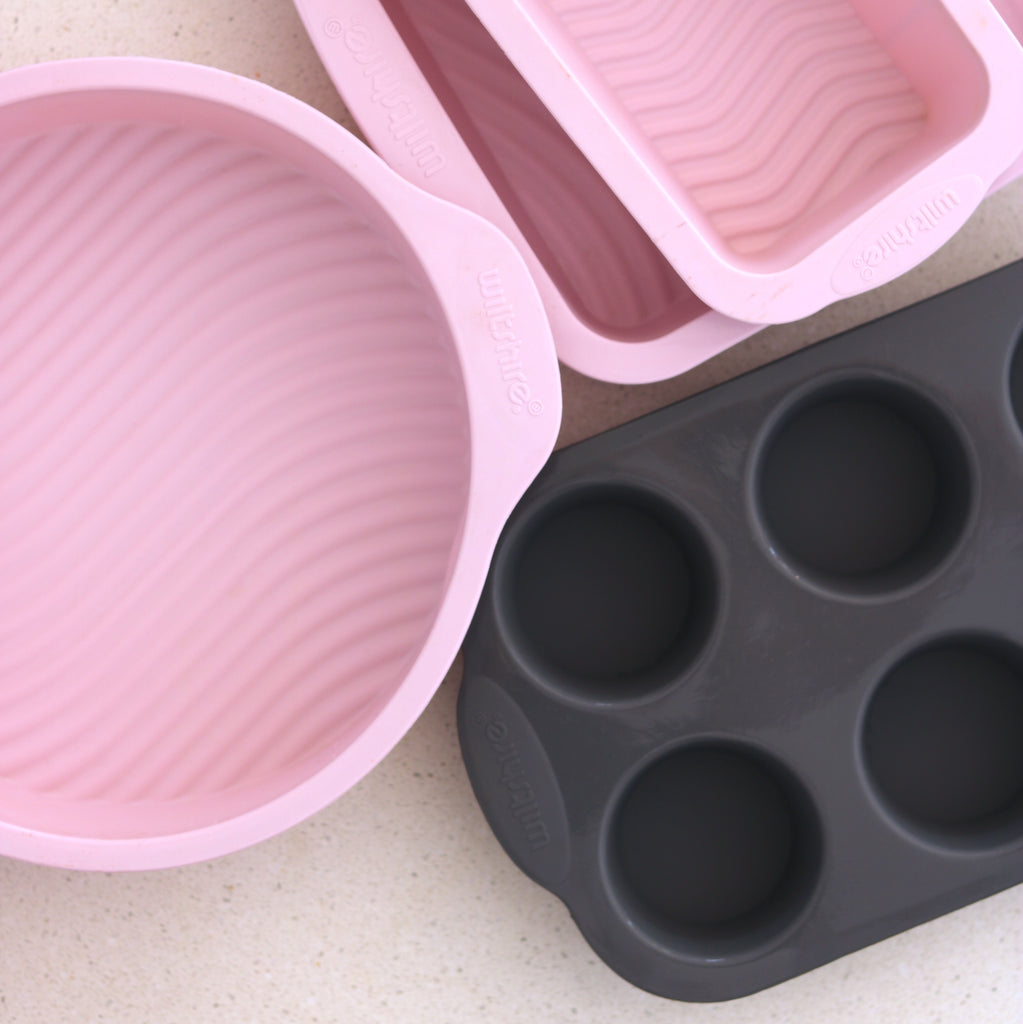
Silicone bakeware has gained popularity in modern kitchens. It's flexible, colorful, and versatile. But many wonder about its basic properties and benefits. Understanding silicone bakeware can help you decide its place in your kitchen. Explore the fundamentals before diving into your next baking project.
Material Properties
Silicone is a synthetic rubber. It withstands high heat without melting. This makes it perfect for baking. It is non-stick and flexible. Removing baked goods is easy and quick. Silicone is also resistant to stains and odors. It maintains its shape in the oven and freezer.
Benefits Of Silicone
Silicone bakeware offers several advantages. Its non-stick surface means less greasing. This can lead to healthier baking options. The flexibility allows for easy storage. It doesn't take up much space in your cupboard. Silicone is durable and long-lasting. It can be used repeatedly without wear.
Additionally, silicone is safe for food use. It is free from harmful chemicals. This ensures your baked goods remain safe and tasty. With vibrant colors, it adds a fun element to baking.
Greasing Silicone Bakeware
Greasing silicone bakeware can seem confusing. Silicone is known for its non-stick properties. But sometimes, greasing can enhance your baking results. It can prevent sticking and make cleaning easier. Greasing might not be necessary for all recipes. But it can be helpful for certain types.
Purpose Of Greasing
Greasing adds a protective layer. This layer can prevent sticking. It helps in easy removal of baked goods. Greased bakeware can give a golden crust. Without greasing, some recipes might not release easily. Sometimes, greasing is a personal choice. It depends on the type of bakeware and recipe.
Types Of Grease Suitable
Several types of grease work well. Butter is a popular choice. It adds flavor and richness. Cooking spray is quick and convenient. It covers large areas evenly. Vegetable oil is another option. It works well for most recipes. All these greases are easy to find. Choose based on your preference and recipe needs.
When To Skip Greasing
Silicone bakeware has revolutionized the way we bake, thanks to its non-stick nature and flexibility. But do you always need to grease it? The truth is, there are times when you can skip greasing altogether. Knowing when to do this can save time and enhance your baking experience.
Non-stick Features
Silicone bakeware is designed with non-stick properties, making it a favorite for many home bakers. Imagine the ease of removing a perfectly baked cake without leaving half of it stuck to the pan. This non-stick magic often means you can skip greasing. However, test your bakeware first to ensure it truly lives up to its non-stick promise. You wouldn't want to ruin a batch of cookies by having them stick unexpectedly.
Recipe Considerations
Some recipes work perfectly with silicone bakeware without greasing. Think about recipes with high fat content, like buttery cookies or cakes with oil, which naturally prevent sticking. Have you ever made a chocolate cake that slid out effortlessly? That’s the power of silicone combined with a rich recipe. However, for delicate recipes like angel food cake, you might want to reconsider and grease to avoid any mishaps.
So, when do you skip greasing your silicone bakeware? Consider the non-stick features and the nature of your recipe. Next time you bake, ask yourself: does this recipe have enough fat to prevent sticking? If yes, you might just save a step and still achieve perfect results.
Credit: www.reddit.com
Common Mistakes
Many assume silicone bakeware needs no greasing, leading to sticky results. Greasing ensures smooth food release.
Silicone bakeware has become a favorite in many kitchens due to its non-stick nature and ease of use. However, even with its widespread popularity, many people make common mistakes when using it. Understanding these errors can save you time and ensure your baking results are always top-notch.
Over-greasing Issues
One common mistake is over-greasing silicone bakeware. You might think that adding more grease will make your baked goods easier to remove, but that's not the case. Too much grease can actually cause your cookies or cakes to slide around, leading to uneven baking. Greasing silicone too much can also alter the texture of your baked items. You may find that your cakes are too oily or your cookies too flat. It's a bit like wearing too many layers of clothing; it just doesn't feel right. Have you ever noticed a greasy residue left behind after washing your silicone pans? This can happen because the excess oil clings to the silicone surface. It's not only unsightly but can also affect future baking sessions.
Impact On Baking Results
The way you treat your silicone bakeware can have a significant impact on your baking outcomes. When you over-grease, it can lead to uneven browning. Your baked goods might come out with a soggy bottom while the top is perfectly cooked. Think about a time when your cake stuck to the pan despite greasing it well. It might not be the pan's fault but rather the excess grease causing the cake to bake improperly. Silicone is designed to be non-stick, so a light touch is often all that's needed. Consider baking a batch of muffins and noticing they have a greasy film on top. This not only affects the appearance but can also change the taste. A simple wipe of oil or butter is usually sufficient for silicone bakeware. Next time you prepare your silicone pans, ask yourself: Am I using too much grease? A little goes a long way, and keeping it minimal can lead to the best baking results. Remember, silicone is your friend, and with the right care, it will serve you well in the kitchen.
Expert Tips For Best Results
Silicone bakeware offers many benefits in the kitchen. Its non-stick surface and flexibility make it a favorite among bakers. Yet, many wonder if they need to grease it. Let's dive into some expert tips for achieving the best results with silicone bakeware.
Proper Cleaning Techniques
Cleaning silicone bakeware is crucial for maintaining its performance. Always use warm, soapy water. Avoid abrasive sponges that can damage the surface. Dry it thoroughly to prevent moisture buildup. Stubborn stains? Try a paste of baking soda and water. Rinse well afterward. This keeps your bakeware in top condition.
Storage Recommendations
Store silicone bakeware properly to extend its life. Avoid stacking heavy items on top. This prevents warping. Keep it in a cool, dry place. Direct sunlight can cause discoloration. If space is tight, consider hanging it. This saves space and maintains its shape. Proper storage ensures consistent baking results.

Credit: www.reddit.com
Alternative Solutions
Silicone bakeware often doesn't need greasing due to its non-stick surface. But a light grease can enhance release. Some bakers prefer greasing to ensure easy cleanup and perfect results.
Cooking with silicone bakeware offers many advantages, especially its non-stick nature. However, sometimes your baked goods might not slide out as effortlessly as you'd expect. If you're finding that your cakes or muffins are sticking more than you'd like, you might wonder if greasing is necessary. But before you reach for the butter or oil, consider some alternative solutions that might work even better.
Non-stick Sprays
Non-stick sprays can be a real game-changer for silicone bakeware. They provide a thin, even layer that can help reduce sticking without adding extra calories or flavors. A quick spritz before you fill your molds can make a big difference. Have you tried them before? If not, give it a shot and see if it helps your next baking session. Some people even prefer non-stick sprays over traditional greasing methods because they're quick and convenient.
Using Parchment Paper
Parchment paper is another fantastic alternative. It's especially useful for larger pieces like cakes or bread where lifting out the entire item is necessary. Simply cut a piece to fit the bottom of your bakeware. This method can add a layer of security, ensuring your baked goods come out perfect every time. Plus, it's an easy cleanup, saving you time and effort in the kitchen. Have you ever tried using parchment paper with silicone? It might just become your new go-to trick!
Credit: bakeclub.com.au
Frequently Asked Questions
Is Greasing Necessary For Silicone Bakeware?
Silicone bakeware usually doesn't require greasing because it's naturally non-stick. However, greasing can enhance the non-stick properties, especially for intricate designs. If you're baking something sticky or delicate, lightly greasing might help. Always follow the recipe instructions for best results.
What Benefits Does Greasing Silicone Bakeware Offer?
Greasing silicone bakeware can prevent sticking in complex designs. It ensures easy food release and simplifies cleaning. Greasing might be helpful when baking sticky or sugary foods. It offers additional assurance of a smooth baking experience.
Can I Use Cooking Spray On Silicone Bakeware?
Yes, cooking spray works well on silicone bakeware. It provides extra non-stick assurance, especially for sticky recipes. Ensure to apply a thin, even layer to prevent residue buildup. Cooking spray is convenient and effective for quick preparation.
Does Greasing Affect Silicone Bakeware's Lifespan?
Greasing doesn't harm silicone bakeware's lifespan. Silicone is durable and heat-resistant, maintaining its integrity over time. Proper cleaning after use ensures longevity. Greasing might even protect the bakeware from residue buildup, promoting a longer-lasting performance.
Conclusion
Silicone bakeware offers ease and flexibility. Greasing isn't always necessary. It depends on your recipe. Sometimes a light spray helps. Especially for sticky treats. Silicone naturally has non-stick properties. Experiment with different recipes. See what works best. Some people prefer greasing.
Others don’t. It's about preference. Enjoy baking with silicone. Easy cleanup is a bonus. Explore new recipes with confidence. Your kitchen adventures await!