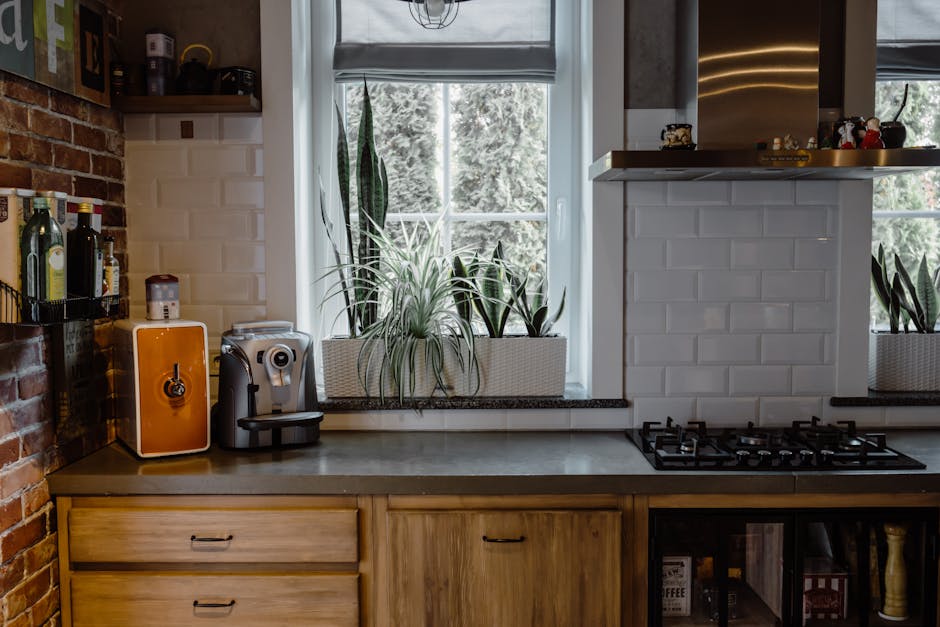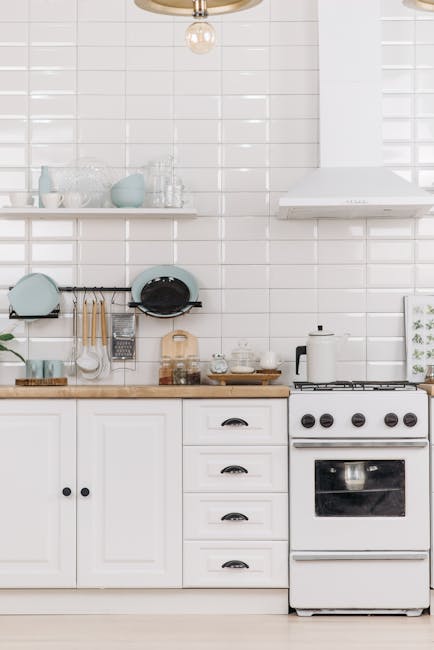
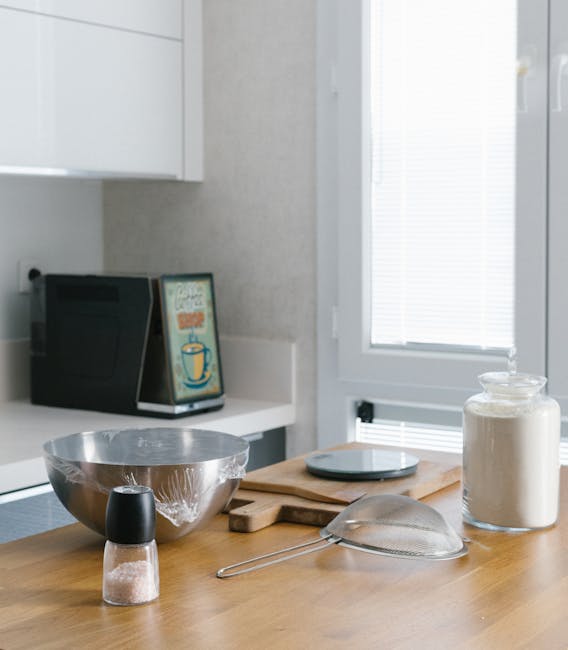
Imagine you're in the middle of preparing a delicious meal, and suddenly, your kitchen goes dark. Frustrating, right?
You might not have considered it before, but the culprit could be your kitchen appliances overloading the circuit. As you ponder this situation, you start to wonder: do kitchen appliances need designated circuits? You're not alone in this thought. Many homeowners overlook the electrical demands of their kitchen gadgets, which can lead to inconvenient and potentially dangerous situations.
Having a designated circuit for your appliances might seem like an extra step, but it could be the key to a safer and more efficient kitchen. You'll discover why designated circuits are essential for your kitchen appliances, how they can prevent electrical mishaps, and what steps you can take to ensure your kitchen is wired correctly. Keep reading to unlock the secrets to a hassle-free cooking experience.

Credit: electricall.co
Importance Of Dedicated Circuits
Kitchen appliances often require a lot of power. They can easily overload a standard circuit. This is why dedicated circuits are crucial. They ensure each appliance gets the power it needs. This prevents tripping and potential damage. It also enhances safety in your home.
Why Overloading Circuits Is Risky
Overloading circuits can cause electrical fires. This happens when too much power flows through the wires. The wires then heat up and may catch fire. Dedicated circuits help avoid these dangers. They provide a safe, steady power supply.
Maintaining Appliance Efficiency
Appliances run more efficiently on dedicated circuits. They get consistent power without interruptions. This prolongs the lifespan of the appliance. It also helps them perform optimally. Efficiency is key in a busy kitchen.
Compliance With Electrical Codes
Many building codes require dedicated circuits. This is for safety and efficiency reasons. Following these codes ensures your home meets legal standards. It protects you from potential liabilities.
Preventing Power Outages
Power outages can be inconvenient. They disrupt cooking and other activities. Dedicated circuits reduce the risk of outages. They help maintain a steady power flow in your kitchen.
Enhancing Kitchen Safety
Safety is a top priority in any home. Dedicated circuits enhance kitchen safety. They prevent overheating and electrical fires. This creates a safer cooking environment for your family.
Common Kitchen Appliances
Common kitchen appliances play a vital role in modern homes. They simplify cooking and make daily tasks more efficient. Knowing how these appliances use electricity is important for safe kitchen operations. Many kitchen appliances need their own circuit to prevent overloads and ensure smooth functioning.
Refrigerators
Refrigerators are essential for preserving food. They run continuously, demanding constant power. A designated circuit ensures they operate safely. This prevents interruption and maintains food quality.
Microwave Ovens
Microwave ovens heat food quickly. They draw significant power during use. A dedicated circuit helps them function without tripping the breaker. This ensures quick heating without disruption.
Dishwashers
Dishwashers clean dishes with hot water and detergent. They use electricity for heating and pumping water. A separate circuit prevents overloads during operation. This ensures efficient cleaning cycles.
Electric Ranges
Electric ranges cook food using high heat. They require substantial power, especially when multiple burners are used. A designated circuit supports their heavy energy demand. This allows consistent cooking without interruptions.
Garbage Disposals
Garbage disposals grind food waste. They need power to operate the motor efficiently. A dedicated circuit prevents power issues during usage. This ensures reliable waste disposal.
Coffee Makers
Coffee makers brew coffee using heat. They require electricity for heating water. A separate circuit ensures they function smoothly. This guarantees quick brewing every morning.
Understanding these appliances and their power needs is crucial. It ensures safety and efficiency in the kitchen.
Electrical Load Requirements
Understanding electrical load requirements is crucial for kitchen safety. Kitchen appliances demand specific power levels. Each appliance has its own electrical needs. Overloading circuits can lead to hazards. Knowing these requirements helps prevent electrical issues. It ensures the efficient functioning of your appliances.
Understanding Electrical Loads
Each kitchen appliance has a specific electrical load. This load is the amount of power the appliance uses. Larger appliances usually require more power. Smaller appliances need less. Understanding these loads helps determine circuit needs.
Dedicated circuits are essential for high-power appliances. They prevent overloads and ensure safety. Appliances like ovens and refrigerators need their own circuits. Sharing circuits can cause power failures. This can lead to fires or equipment damage.
Calculating Electrical Load Requirements
Calculating load requirements helps determine circuit capacity. Start by checking the appliance's wattage. Divide the wattage by the voltage to find the amperage. This helps in choosing the right circuit. Ensuring the circuit can handle the load is important.
Appliance-specific Considerations
Different appliances have unique power needs. Ovens, microwaves, and dishwashers have high requirements. They need circuits that support their load. Small appliances like blenders use less power. Group them on a shared circuit if necessary.
Consulting With An Electrician
Consulting an electrician ensures proper circuit setup. They can assess your kitchen's electrical needs. Electricians provide advice on safe circuit arrangements. They ensure your circuits can handle appliance loads. This prevents electrical issues and enhances safety.

Credit: harrison-electric.com
Safety Considerations
Safety considerations are vital in any kitchen setup. Kitchen appliances require dedicated circuits to ensure safe operation. Without proper electrical support, risks increase. Fires, electric shocks, or appliance damage can occur.
Dedicated circuits handle specific appliance loads. This reduces the risk of overloaded circuits. Overloading can lead to circuit breaker trips or electrical fires. Ensuring each appliance has a designated circuit enhances safety.
Preventing Electrical Overload
Electrical overload happens when circuits bear excess load. Dedicated circuits distribute power evenly. This prevents overheating and potential hazards. It ensures appliances operate safely and efficiently.
Minimizing Fire Risks
Overloaded circuits increase fire risks. Proper circuit allocation reduces these dangers. Dedicated circuits limit the chance of electrical fires. This creates a safer kitchen environment.
Ensuring Appliance Longevity
Dedicated circuits protect appliance health. They prevent power surges and voltage fluctuations. This leads to longer-lasting appliances. Proper electrical support enhances appliance performance.
Promoting User Safety
User safety is a top priority. Dedicated circuits minimize shock risks. They ensure appliances function properly. This promotes a safer kitchen experience for everyone.
Preventing Circuit Overload
Kitchen appliances demand a lot from your electrical system. Understanding circuit overload prevention is crucial. Overloaded circuits pose risks like fires and appliance damage. Designated circuits help manage these demands efficiently.
Why Separate Circuits Matter
Separate circuits ensure safety in the kitchen. Each appliance gets the power it needs without strain. This setup reduces the risk of tripped breakers and power surges.
Common Appliances Needing Designated Circuits
High-wattage appliances often need their own circuits. Examples include refrigerators, ovens, and microwaves. These appliances draw significant power, increasing overload risk.
How Designated Circuits Prevent Overload
Designated circuits distribute electrical load evenly. Each circuit handles a specific appliance. This prevents overloading and potential electrical failures.
Signs Of Circuit Overload
Flickering lights indicate potential overload issues. Frequent breaker trips also signal trouble. Burning smells require immediate attention.
Steps To Implement Designated Circuits
Consult a qualified electrician for proper circuit installation. They assess your kitchen's electrical needs. Professional installation ensures compliance with safety standards.
:max_bytes(150000):strip_icc()/kitchen-wiring-circuits-1152911-hero-bf47b2b8644d4277a27e01397ee0789f.jpg)
Credit: www.thespruce.com
Installation Guidelines
Ensuring your kitchen appliances have designated circuits is crucial. Proper installation prevents electrical overloads and enhances safety. Whether you're setting up a new appliance or upgrading old ones, following installation guidelines is essential. Mistakes can lead to costly repairs and dangerous situations.
Consulting A Professional
Consulting an electrician is wise for appliance installation. Professionals understand electrical codes and requirements. They assess your kitchen's electrical capacity. This ensures each appliance operates safely. They can also suggest upgrades if needed. Their expertise helps avoid common pitfalls.
Diy Vs Professional Installation
DIY installation might seem appealing. It can save money initially. But it carries risks. Incorrect wiring can lead to hazards. Professionals ensure compliance with safety standards. They have the right tools and knowledge. Choosing professional installation can offer peace of mind. It ensures your appliances function efficiently and safely.
Local Building Codes
Local building codes often require kitchen appliances to have designated circuits. Ensuring separate circuits helps prevent overloads and enhances safety. Check your local regulations to comply with electrical standards.
Understanding local building codes is crucial when installing kitchen appliances. These codes ensure safety and functionality in your home. They dictate specific electrical requirements to prevent overloading circuits and potential hazards.
Understanding Local Building Codes
Local building codes can vary significantly depending on your location. Before making any electrical changes in your kitchen, check with your local building department. They provide guidelines on how circuits should be designed and installed.
Why Local Codes Matter For Kitchen Circuits
Kitchen appliances like refrigerators and ovens draw significant power. Local codes often require these to be on designated circuits to avoid overloading. Not adhering to these codes could result in safety risks and failed inspections.
Consulting With Professionals
Hiring a licensed electrician familiar with local codes is wise. They can ensure your kitchen wiring complies with all regulations. This step avoids costly mistakes and ensures your kitchen is safe.
Personal Experience: A Lesson Learned
I once tried to install a new dishwasher without checking the local codes. The result? A blown circuit breaker and a lesson learned. Trust me, taking the time to understand your local building codes pays off.
The Impact Of Non-compliance
Ignoring local building codes can lead to hefty fines and safety hazards. In worst-case scenarios, it might even void your home insurance. Why take that risk when following codes is a straightforward process?
Ensuring A Safe And Functional Kitchen
Properly designed circuits mean you can use multiple appliances simultaneously without worry. This setup not only makes your kitchen more efficient but also safer. Isn't it worth the peace of mind knowing your kitchen meets all safety standards? By understanding and applying local building codes, you can ensure your kitchen appliances operate safely and efficiently. So, will you take the necessary steps to ensure your kitchen is up to code?
Long-term Benefits
Designated circuits for kitchen appliances offer lasting benefits. They enhance safety by reducing overload risks and ensure efficient appliance operation. This setup can prevent frequent electrical issues and extend the lifespan of your kitchen devices.
Designating specific circuits for your kitchen appliances might sound like an unnecessary hassle. But, when you look at the long-term benefits, it becomes clear why this is a wise investment for your home. Many homeowners discover unexpected advantages that not only enhance safety but also improve the overall functionality of their kitchens.
Improved Safety And Reduced Risk Of Overload
When you have dedicated circuits for appliances like your refrigerator or microwave, you significantly reduce the risk of overloading your electrical system. Overloading can lead to tripped breakers or even electrical fires. This added safety is a peace of mind that every homeowner deserves.
Enhanced Appliance Performance
Appliances connected to designated circuits perform better and last longer. They receive a consistent power supply, free from fluctuations caused by other devices. This can mean fewer repairs and replacements, saving you money in the long run.
Future-proofing Your Kitchen
As technology advances, new kitchen gadgets and appliances are becoming more power-hungry. By having designated circuits, you're preparing your kitchen for future upgrades without worrying about electrical constraints. Imagine adding a new high-tech oven without needing to rewire your entire kitchen.
Boosting Home Value
Potential buyers see designated circuits as a sign of a well-maintained home. It can make your property more appealing and potentially increase its market value. Wouldn't you choose a home knowing it has a safer, more efficient kitchen setup?
Personal Story: A Lesson Learned
I once had all my kitchen appliances running on a single circuit. It wasn't until I experienced a power outage during a dinner party that I realized the importance of designated circuits. Since updating my kitchen, I've not only felt safer but also noticed improved appliance efficiency. So, are you considering updating your kitchen's electrical setup? The long-term benefits far outweigh the initial effort and cost. With enhanced safety, better performance, and future-proofing, it's a decision you won't regret.
Frequently Asked Questions
Do Kitchen Appliances Require Separate Circuits?
Yes, most kitchen appliances need designated circuits to function safely and efficiently. Dedicated circuits prevent overloads and ensure appliances receive the necessary power. Consult a licensed electrician to evaluate your kitchen's electrical needs and install the appropriate circuits for your appliances.
What Appliances Need A Dedicated Circuit?
High-demand appliances such as refrigerators, microwaves, and dishwashers typically need dedicated circuits. These appliances draw substantial power and can overload shared circuits. Dedicated circuits ensure they operate safely without tripping breakers, protecting both the appliance and your home's electrical system.
Why Are Dedicated Circuits Important For Kitchens?
Dedicated circuits prevent electrical overloads and enhance appliance performance. They reduce the risk of tripping breakers and potential electrical fires. By providing a consistent power supply, dedicated circuits ensure your appliances run efficiently and last longer, offering peace of mind and safety.
Can I Install Kitchen Circuits Myself?
It's not recommended to install kitchen circuits yourself. Electrical work requires specialized knowledge and skills. Hiring a licensed electrician ensures proper installation, safety, and compliance with local building codes. This protects your home and provides assurance that your electrical system is reliable.
Conclusion
Choosing dedicated circuits for kitchen appliances ensures safety. These circuits prevent overloads and reduce risks of electrical issues. Proper wiring supports efficient appliance function. Homes with older wiring benefit from upgrades. An electrician can help with installation. The right setup avoids frequent breaker trips.
This enhances convenience and peace of mind. Cooking becomes more enjoyable. A well-planned circuit enhances kitchen efficiency. It supports all devices, big and small. Always prioritize safety and functionality. Address electrical needs for a smoother kitchen experience. Avoid surprises by planning circuits wisely.
Reliable electrical systems support everyday kitchen tasks.