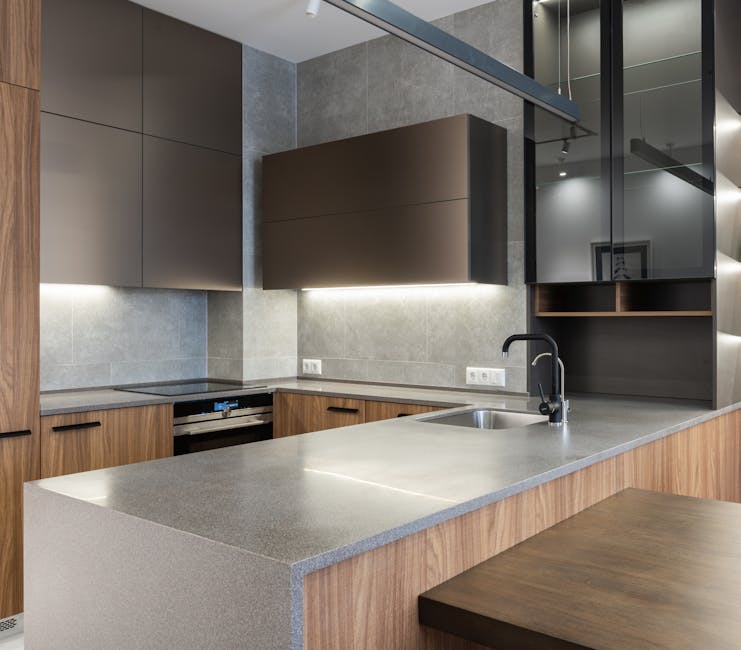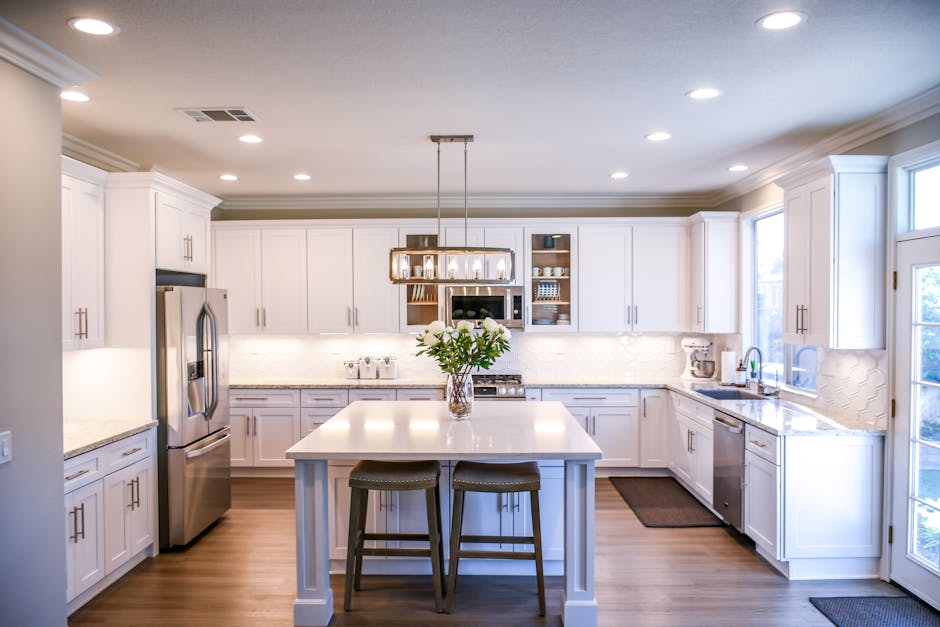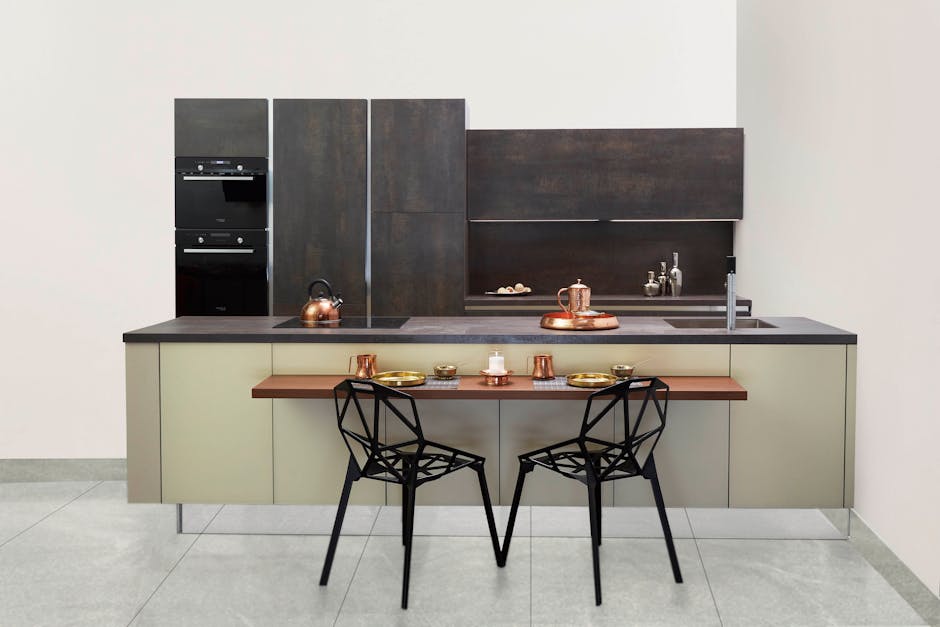

Imagine walking into your kitchen, the heart of your home, where you create delicious meals and share laughter with loved ones. As you glance around, you notice the sleek kitchen hood above your stove.
But have you ever paused to think about whether a kitchen hood falls under the category of home appliances? This question might seem trivial at first, but its answer can influence your decisions on kitchen upgrades, energy efficiency, and even your home's resale value.
By understanding where a kitchen hood fits in the grand scheme of home appliances, you can make more informed choices that impact your everyday life. So, if you're curious about whether this essential kitchen component is just an accessory or a vital appliance, keep reading. You'll discover insights that could change how you view your kitchen setup and even enhance your cooking experience. Let's delve into this intriguing topic and uncover the role of the kitchen hood in your home.
What Is A Kitchen Hood?
A kitchen hood, often seen above stoves, helps remove smoke, heat, and odors. It is considered a home appliance, essential for maintaining a clean and comfortable cooking area. Efficient in ventilation, it improves indoor air quality.
When you walk into a kitchen, the first thing you might notice is the delicious aroma of food being prepared. But have you ever thought about what keeps those smells from spreading throughout your entire home? That's where the kitchen hood comes in. A kitchen hood is an essential component in modern kitchens, designed to improve air quality and maintain a fresh atmosphere while you cook. But what exactly is a kitchen hood, and why is it an important part of your home appliances? Let's dive in and find out.
Understanding The Basics Of A Kitchen Hood
A kitchen hood, also known as a range hood or exhaust hood, is a device installed above your stove or cooktop. Its primary function is to remove airborne grease, combustion products, fumes, smoke, heat, and steam from the air by using a combination of filters and a fan. This ensures that your kitchen remains a pleasant place to cook and dine. Kitchen hoods come in various styles and configurations. Some are mounted under cabinets, while others hang freely from the ceiling. Wall-mounted hoods are another popular option. Each type has its own benefits, so consider your kitchen's layout and your cooking habits before choosing the right one for your needs.
How Does A Kitchen Hood Work?
When you turn on your kitchen hood, it creates suction that draws in the air from above your cooking area. The air passes through filters that trap grease and other particles. Then, it's either expelled outside through ductwork or recirculated back into the kitchen after passing through a carbon filter. This process effectively reduces smoke and odors, making your cooking experience more enjoyable.
Why You Should Care About Your Kitchen Hood
A kitchen hood isn't just a luxury—it's a necessity for maintaining a clean and safe cooking environment. Without it, your kitchen could quickly become filled with smoke and unpleasant odors. Additionally, over time, grease buildup could pose a fire hazard. A well-functioning kitchen hood helps prevent these issues, ensuring a safer and more pleasant kitchen experience.
Choosing The Right Kitchen Hood For Your Home
Selecting the perfect kitchen hood involves more than just picking one that looks good. Consider factors like your kitchen's size, the type of cooking you do, and your budget. Think about whether you need a ducted or ductless model. Each choice impacts the efficiency and effectiveness of your kitchen hood. Have you ever noticed how a good kitchen hood can transform your cooking space? It’s not just about aesthetics; it's about creating a functional and enjoyable kitchen environment. How do you plan to enhance your kitchen with the right hood?

Credit: www.amazon.com
Types Of Kitchen Hoods
When you're planning your kitchen setup, the type of hood you choose can make a big difference in both functionality and style. Kitchen hoods are not just about eliminating smoke and odors; they also add a significant aesthetic element to your space. But with so many options, how do you know which one is right for you? Let's break down the different types of kitchen hoods to help you make an informed decision.
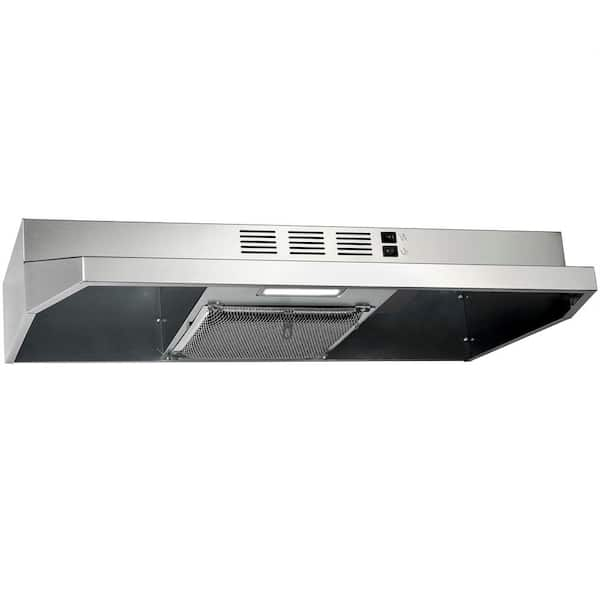
Under-cabinet Hoods
Under-cabinet hoods are perfect for kitchens with limited space. They fit snugly under your existing cabinetry, making them a discreet but effective choice. Have you ever cooked a meal and wished for a compact solution to clear the air? These hoods can be your silent savior, quietly sucking up smoke and steam while blending into your kitchen's design. They're ideal for small kitchens where every inch counts.
Wall-mounted Hoods
If you're aiming for a statement piece, wall-mounted hoods may catch your eye. Installed directly on the wall above your stove, these hoods come in various designs from sleek stainless steel to rustic wood finishes. Imagine walking into your kitchen and feeling the elegance of a wall-mounted hood that complements your décor. They not only serve a practical purpose but can also be the centerpiece of your kitchen.
Island Hoods
Got an island cooktop? Then island hoods are your go-to solution. Suspended from the ceiling, they offer ventilation for cooktops that aren't against a wall. Picture hosting a dinner party with guests gathered around your island, and the hood efficiently handling the smoke without obstructing the view. These hoods are perfect for open-concept kitchens, maintaining the flow of the space while ensuring effective ventilation.
Downdraft Hoods
Downdraft hoods are the innovative answer to keeping your kitchen's design uninterrupted. These systems retract into the counter when not in use, only popping up when needed. Ever wondered how you could keep your kitchen looking streamlined without sacrificing ventilation? Downdraft hoods offer that flexibility. They're ideal for kitchens where you want everything to disappear into the design when not in use.
Choosing the right kitchen hood is more than just picking a style; it's about finding a solution that fits your lifestyle and cooking habits. What type of kitchen hood do you think would suit your culinary adventures? Let your kitchen reflect both your taste and your needs.
Functions Of A Kitchen Hood
When you think about kitchen hoods, you might wonder how they fit into the category of home appliances. Their primary purpose is to improve your cooking experience by ensuring a clean and safe kitchen environment. Let’s dive into the key functions of a kitchen hood and how they enhance your culinary space.
Ventilation
Good ventilation is crucial when cooking. Have you ever noticed the steam and smoke swirling around when you’re frying or boiling? A kitchen hood efficiently removes these elements, providing a clear, breathable atmosphere. It helps maintain air quality, making your kitchen a more pleasant place to spend time.
Odor Removal
Cooking aromas can linger long after your meal is prepared. A kitchen hood acts as a savior by eliminating unwanted odors. Imagine cooking fish without worrying about the smell sticking around for days. You can enjoy your culinary experiments without the fear of unpleasant scents infiltrating your home.
Heat Reduction
Have you ever felt like your kitchen turns into a sauna during cooking sessions? This is where the kitchen hood steps in. It helps reduce heat by drawing out hot air, keeping your kitchen cooler and more comfortable. You can focus on perfecting your recipe without sweating over the stove.
Grease And Smoke Capture
Grease and smoke are inevitable when frying or grilling. A kitchen hood tackles this issue by capturing airborne grease particles. This not only protects your walls and cabinets from sticky residue but also keeps your kitchen cleaner. Next time you're flipping burgers or frying bacon, consider how a kitchen hood can save you from a laborious cleanup.
As you explore the functions of a kitchen hood, think about how it can transform your cooking space. Does it change your perception of what constitutes a valuable home appliance? It's fascinating how something seemingly simple can make a significant impact on your daily life.
Credit: www.homedepot.com
Home Appliances Category
Kitchen hoods are essential in modern kitchens, helping to ventilate and clean the air. They definitely fall under home appliances, similar to stoves and refrigerators. Including them in home appliance categories ensures a comprehensive view of kitchen essentials.
Navigating the world of home appliances can be as exciting as it is daunting. When you're setting up a kitchen or upgrading your home, understanding what falls under the home appliances category is crucial. This knowledge ensures that you make informed decisions that enhance your living space and lifestyle.
Definition Of Home Appliances
Home appliances are devices or machines that assist in household functions. They range from cooking and cleaning to food preservation and laundry. Think of items like refrigerators, stoves, dishwashers, and washing machines—tools that simplify daily life. When someone mentions home appliances, you might picture the essential equipment in your kitchen and laundry room. These are often powered by electricity or gas and are designed to save time and effort. They transform tasks that once took hours into ones you can complete with a simple button press.
Criteria For Classification
So, what criteria determine if an item is a home appliance? First, consider its function. Does it assist in a household task like cooking, cleaning, or preserving food? If yes, it likely qualifies as a home appliance. Another criterion is its power source. Most home appliances require electricity or gas to operate efficiently. This sets them apart from manual tools and gadgets. Finally, think about its size and permanence. Larger, stationary items like ovens and refrigerators are classic home appliances. Smaller, portable devices, like a blender or toaster, might also fit the bill, though they sometimes blur the lines with kitchen gadgets. Have you ever wondered if a kitchen hood counts as a home appliance? It's not as obvious as a refrigerator or microwave, but it plays a vital role in maintaining a clean and odor-free kitchen. So, does it fit the criteria mentioned? Consider its function, power source, and permanence to decide.
Kitchen Hood As A Home Appliance
When you think of home appliances, what's the first thing that comes to mind? Perhaps it's a refrigerator or a microwave. But have you ever considered the kitchen hood as a vital home appliance? Often overlooked, this essential gadget plays a crucial role in maintaining the air quality in your kitchen. It not only removes smoke and odors but also adds a stylish touch to your culinary space.
Market Trends
The market for kitchen hoods has been evolving rapidly. With the rise of open-concept living spaces, there's an increasing demand for efficient and quiet kitchen hoods that blend seamlessly into the decor. More consumers are opting for energy-efficient models that align with the growing trend of sustainable living.
Smart technology is also making its way into the kitchen hood industry. Imagine controlling your hood with a smartphone app or voice command. This innovation is no longer a futuristic dream but a present-day reality. Are you ready to embrace these new trends in your kitchen?
Consumer Perceptions
How do consumers perceive kitchen hoods? Many view them as an essential element of a modern kitchen. They appreciate the way these appliances improve air quality and reduce lingering smells. However, there's also a growing emphasis on aesthetics.
People now seek kitchen hoods that complement their kitchen's style. Whether you prefer a sleek, stainless steel design or a more rustic wooden finish, there's something for everyone. Have you ever thought about how your kitchen hood fits into your overall home design?
Ultimately, understanding the dual role of kitchen hoods—as functional appliances and style elements—can help you make more informed choices. Whether you're renovating your kitchen or just looking to upgrade, consider both the technical and aesthetic aspects. Is your kitchen hood just a utility, or does it also reflect your personal style?
Benefits Of Considering Kitchen Hoods As Home Appliances
Kitchen hoods play a vital role in keeping the air clean by removing smoke and odors. These efficient devices fall under home appliances, offering significant value in maintaining a healthy kitchen environment. Consider them essential for enhancing indoor air quality and ensuring a pleasant cooking space.
When you think about home appliances, your mind might jump to refrigerators, ovens, or dishwashers. But have you ever considered the kitchen hood as an essential part of this category? Many overlook its significance, yet it plays a vital role in maintaining a functional and healthy kitchen environment. Let's dive into the benefits of considering kitchen hoods as home appliances and discover why they deserve a place on your must-have list.
Enhanced Kitchen Functionality
A kitchen hood does more than just sit above your stove. It actively removes smoke, grease, and odors from the air, ensuring a cleaner cooking space. This means less buildup on your kitchen surfaces, making cleaning easier and faster. Imagine cooking a delicious meal without worrying about the lingering smell of fried fish or spicy curry. A kitchen hood allows you to experiment with new recipes, knowing your kitchen will remain fresh and inviting. It transforms your cooking experience into something more enjoyable and less of a chore.
Increased Home Value
Adding a kitchen hood can boost your home's value. Potential buyers often look for well-equipped kitchens with functional appliances. A modern, stylish hood can be a selling point, showcasing both functionality and design. When I upgraded my own kitchen hood, I noticed how it tied together the room's aesthetic, making it look more polished. This small change made my kitchen feel like a high-end space, which can be a great advantage in the competitive real estate market.
Energy Efficiency Considerations
You might be surprised to learn that kitchen hoods can contribute to your home's energy efficiency. By venting out excess heat and moisture, they help maintain a comfortable temperature in your kitchen, reducing the strain on your air conditioning system. Choosing an energy-efficient model can further decrease your energy consumption. Look for hoods with energy-saving features like variable fan speeds or LED lighting, which not only reduce your carbon footprint but also save you money on utility bills. Have you thought about how a simple appliance like a kitchen hood can impact your home's overall efficiency? By considering these benefits, you can see why kitchen hoods deserve recognition as essential home appliances. Whether you're enhancing functionality, boosting home value, or improving energy efficiency, a kitchen hood is a practical addition to any home. So, next time you're thinking about upgrading your kitchen, don't overlook the humble hood—it might just surprise you with its impact.
Challenges In Classification
Classifying kitchen hoods as home appliances poses challenges. While essential in kitchens, they differ from typical gadgets. Their function aligns more with ventilation systems than traditional appliances, sparking debates about their categorization.
When you think about kitchen hoods, you might wonder if they really belong to the category of home appliances. This question is more complex than it seems. The classification of kitchen hoods is often a gray area, leading to different interpretations. Understanding the challenges in classification can help you make informed decisions when buying or upgrading your kitchen.
Installation Complexity
Installing a kitchen hood can be more demanding than other home appliances. It often involves electrical work, ductwork, and mounting, which might require professional help. Would you classify something as an appliance if it needs an expert to install it? Think about your microwave or refrigerator. These usually just require plugging in. The complexity of setting up a kitchen hood might make it feel more like a permanent fixture than an appliance.
Maintenance Requirements
Kitchen hoods need regular upkeep to function effectively. Filters need cleaning or replacing, and the ductwork must be checked for blockages. Are you prepared for the ongoing maintenance that a kitchen hood demands? Consider how you maintain your other appliances. A dishwasher might need occasional cleaning tablets, but a kitchen hood needs more frequent attention. This could influence your view on whether it fits the 'appliance' category.
Cost Implications
The cost of a kitchen hood can vary widely based on type and features. Some models are more expensive than standard home appliances, like toasters or blenders. Do you see the cost as a deciding factor in its classification? When you buy a kitchen hood, you're not just paying for the unit. You might also pay for installation and maintenance over time. These added costs could make you question whether a kitchen hood is just another appliance or a more significant kitchen investment. As you explore the world of kitchen hoods, consider these challenges in classification. They might help you decide where a kitchen hood fits in your home. Do you see it as an essential appliance, or is it more of a luxury fixture? Your perspective could change the way you approach your kitchen setup.
Future Trends
In the ever-evolving landscape of home appliances, the kitchen hood stands as a crucial component. More than just a device to remove smoke and odors, its future trends reveal exciting possibilities. Whether you're remodeling your kitchen or just curious about what's next, these advancements promise to reshape how we think about kitchen ventilation.
Technological Advancements
Kitchen hoods are not just about suction power anymore. Imagine a hood that automatically adjusts its speed based on the cooking activity. Smart sensors can detect smoke levels and respond accordingly. You might find a hood that connects to your smartphone, allowing you to control its functions remotely.
Voice-activated technology is also stepping into the scene. Picture this: you're cooking a meal, and with a simple voice command, your kitchen hood turns on. It's all about making your cooking experience smoother and more efficient.
Sustainability Focus
More homeowners are seeking eco-friendly solutions. Future kitchen hoods will likely use materials that are sustainable and energy-efficient. Some brands are already introducing models with LED lighting, which consumes less power.
Another trend is the focus on air quality. Clean air solutions are becoming popular, with hoods that filter and purify the air, reducing pollutants. By investing in a sustainable kitchen hood, you're not only enhancing your kitchen but also contributing to a healthier planet.
As you consider the next steps for your kitchen, ask yourself: how can these trends fit into your lifestyle? Exploring these innovations could mean a more comfortable and responsible home environment.
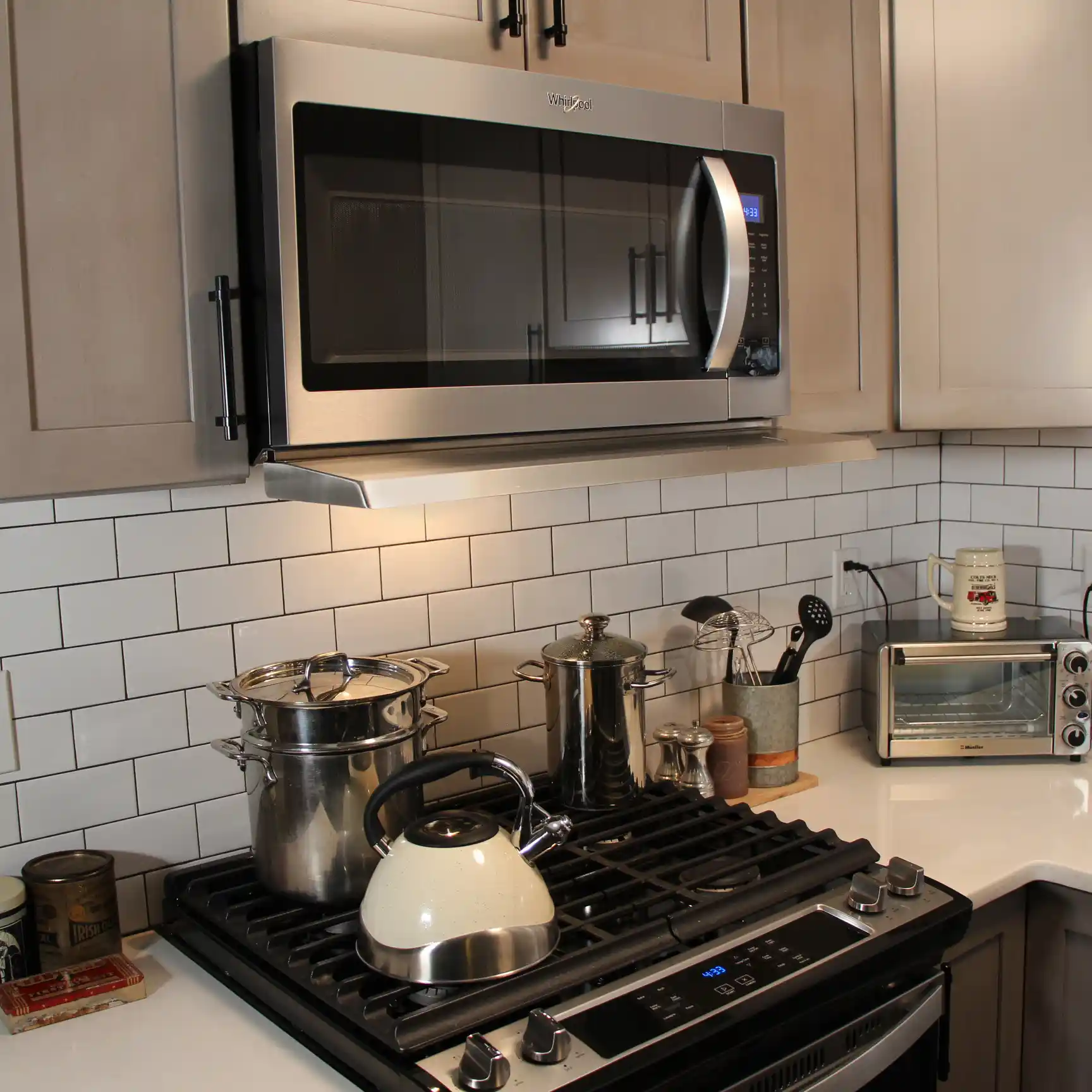
Credit: microvisorhood.com
Frequently Asked Questions
What Is A Kitchen Hood?
A kitchen hood is a device used to remove smoke, odors, and grease from cooking. It typically consists of a fan and filter system. Kitchen hoods help maintain air quality in the kitchen by venting pollutants outside or filtering them for recirculation.
Is A Kitchen Hood A Home Appliance?
Yes, a kitchen hood is considered a home appliance. It plays a crucial role in maintaining kitchen cleanliness and air quality. It helps reduce smoke, odors, and grease, enhancing the kitchen environment. Kitchen hoods are available in various styles and functionalities to suit different kitchen needs.
Why Should I Install A Kitchen Hood?
Installing a kitchen hood improves air quality by removing smoke and odors. It prevents grease buildup on surfaces and enhances kitchen cleanliness. Kitchen hoods also contribute to a healthier living environment by reducing airborne pollutants and improving ventilation.
How Does A Kitchen Hood Work?
A kitchen hood works by using a fan to draw air through filters. These filters trap grease and particles, while the fan expels or recirculates air. Kitchen hoods can be ducted or ductless, affecting how air is vented or filtered.
Conclusion
Kitchen hoods are essential in every modern home. They filter out smoke and odors. This makes the kitchen a pleasant place to cook. A kitchen hood is indeed a home appliance. It plays a crucial role in maintaining air quality.
Whether you're cooking daily or occasionally, a hood helps. It ensures a clean and fresh environment. Choosing the right one enhances your kitchen experience. So, consider it a valuable part of your home appliances. Make sure to invest wisely. Your kitchen will thank you for it.