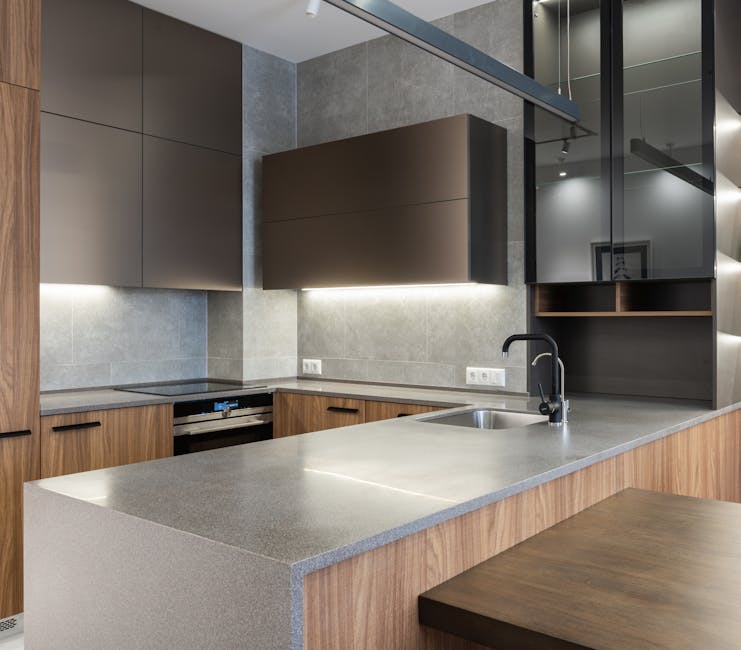

Imagine this: you're whipping up a delicious meal in your cozy apartment kitchen when suddenly, disaster strikes. Your beloved blender goes haywire, or worse, the stove causes unexpected damage.
As a renter, you might wonder if your personal liability coverage has your back in such unexpected scenarios. You deserve peace of mind knowing what your insurance covers, especially when it comes to the heart of your home—your kitchen appliances.
Understanding these nuances can save you stress and money. So, does your personal liability insurance truly protect your kitchen gadgets and appliances? Keep reading to uncover the ins and outs of this crucial coverage, and ensure you're fully informed about your renter's insurance policy. Don't leave your kitchen's safety to chance; find out what protection you really have.

Credit: www.instagram.com
Personal Liability Coverage Basics
Understanding personal liability coverage is essential for renters. It protects against accidents or damages in your rental home. This coverage can be a safety net. Knowing what it includes helps in making informed decisions. Let’s dive into the basics.
Definition And Purpose
Personal liability coverage offers financial protection. It covers legal costs if someone gets hurt in your home. It also helps if you accidentally damage someone else's property. The main goal is to safeguard your finances.
Common Coverage Areas
This coverage often includes injuries to guests in your home. It also covers accidental damage to a neighbor's property. Legal fees related to such incidents are typically included. It doesn't cover intentional harm or business activities.
Renters Insurance Overview
Have you ever wondered what would happen if your kitchen appliances caused an accident in your rental home? Renters insurance might be your safety net. It’s designed to protect you from the unexpected. But does it cover those trusty appliances?
Components Of Renters Insurance
Renters insurance typically includes several key components. It generally covers personal property, liability, and additional living expenses. Each part plays a unique role in safeguarding your belongings and finances.
Personal property coverage protects your possessions from theft, fire, or other disasters. Liability coverage is your shield against legal claims if someone gets hurt in your home. But where do kitchen appliances fit into this puzzle?
Personal Property Vs. Liability Coverage
Personal property coverage might extend to your kitchen appliances. If your microwave or fridge is damaged in a fire, this coverage can help you replace them. But what if your oven causes a fire that spreads to your neighbor’s apartment?
This is where liability coverage comes into play. Liability coverage can help cover costs if you’re responsible for damage to others' property. It’s like a safety net for those unpredictable moments.
So, does personal liability coverage for renters include kitchen appliances? The answer lies in understanding the specifics of your policy. Have you checked your coverage details lately? You might be surprised by what’s included.
As you navigate renters insurance, consider your lifestyle and possessions. Are your kitchen appliances an essential part of your daily routine? Knowing what’s covered can give you peace of mind. It’s time to take a closer look at your policy.
Coverage For Kitchen Appliances
Renters often wonder about personal liability coverage, especially for kitchen appliances. This coverage protects renters from costs linked to accidental damage or loss. Understanding what is covered for kitchen appliances is vital. It helps renters make informed decisions.
What Is Typically Included
Personal liability often covers damages to kitchen appliances. These include ovens, refrigerators, and dishwashers. If an appliance causes harm, coverage kicks in. It might cover repair or replacement costs. Liability coverage also protects against third-party injury claims.
Exclusions And Limitations
Not everything is covered. Wear and tear are usually excluded. Mechanical failures might not be covered. Intentional damage is another exclusion. Coverage limits apply to the amount reimbursed. Read the policy terms carefully. This ensures understanding of what is not covered.
Liability Vs. Property Coverage
Personal liability coverage for renters usually doesn't cover kitchen appliances. This coverage focuses on injuries or damages caused to others. For appliance protection, consider renters insurance that includes property coverage.
When you rent a home, understanding the difference between liability and property coverage can be crucial. These two types of insurance serve distinct purposes. Liability coverage protects you if someone gets injured in your home and decides to sue. Meanwhile, property coverage takes care of your belongings, like furniture and electronics, if they get damaged or stolen. But what about your kitchen appliances? Are they covered under liability or property insurance?
Differences In Coverage
Liability and property coverage might sound similar, but they cover different risks. Liability coverage protects against claims made by others for injuries or damages that occur in your home. Imagine a friend slips on a wet kitchen floor and breaks a leg; liability coverage might kick in here. On the other hand, property coverage deals with damage or loss to your personal belongings. Your refrigerator or oven would fall under this category. If there's a fire in the kitchen, property coverage can help replace those appliances.
Situations Involving Kitchen Appliances
Kitchen appliances can sometimes be the culprits of household accidents. If your toaster sparks and causes a fire, your property coverage can help replace it and other damaged items. But what if a malfunctioning microwave injures a guest? This is where liability coverage becomes relevant. Have you ever thought about a simple appliance mishap leading to costly consequences? Understanding these coverages helps you prepare for such surprises. Many renters mistakenly believe their landlord's insurance covers their belongings. But in reality, it's your responsibility to protect your appliances and yourself from liability claims. By knowing the differences between liability and property coverage, you can make more informed decisions about your insurance needs. Is your current policy providing the protection you need?
Common Claims Involving Appliances
Personal liability coverage is crucial for renters. It offers protection against various claims. Kitchen appliances are common sources of claims. They can cause unexpected issues and expenses. Understanding these claims is vital.
Accidental Damage
Accidents happen in the kitchen. A spilled pot of water can damage appliances. Dropping a heavy pan may dent or break them. Renters often face claims for such damages. Personal liability coverage can help cover these costs. It eases the financial burden for renters.
Malfunction Or Repair
Appliances sometimes malfunction. They may need repairs or replacements. These issues can lead to claims. Faulty wiring or broken parts are common problems. Renters may need coverage for repairs. It ensures they are not out of pocket.
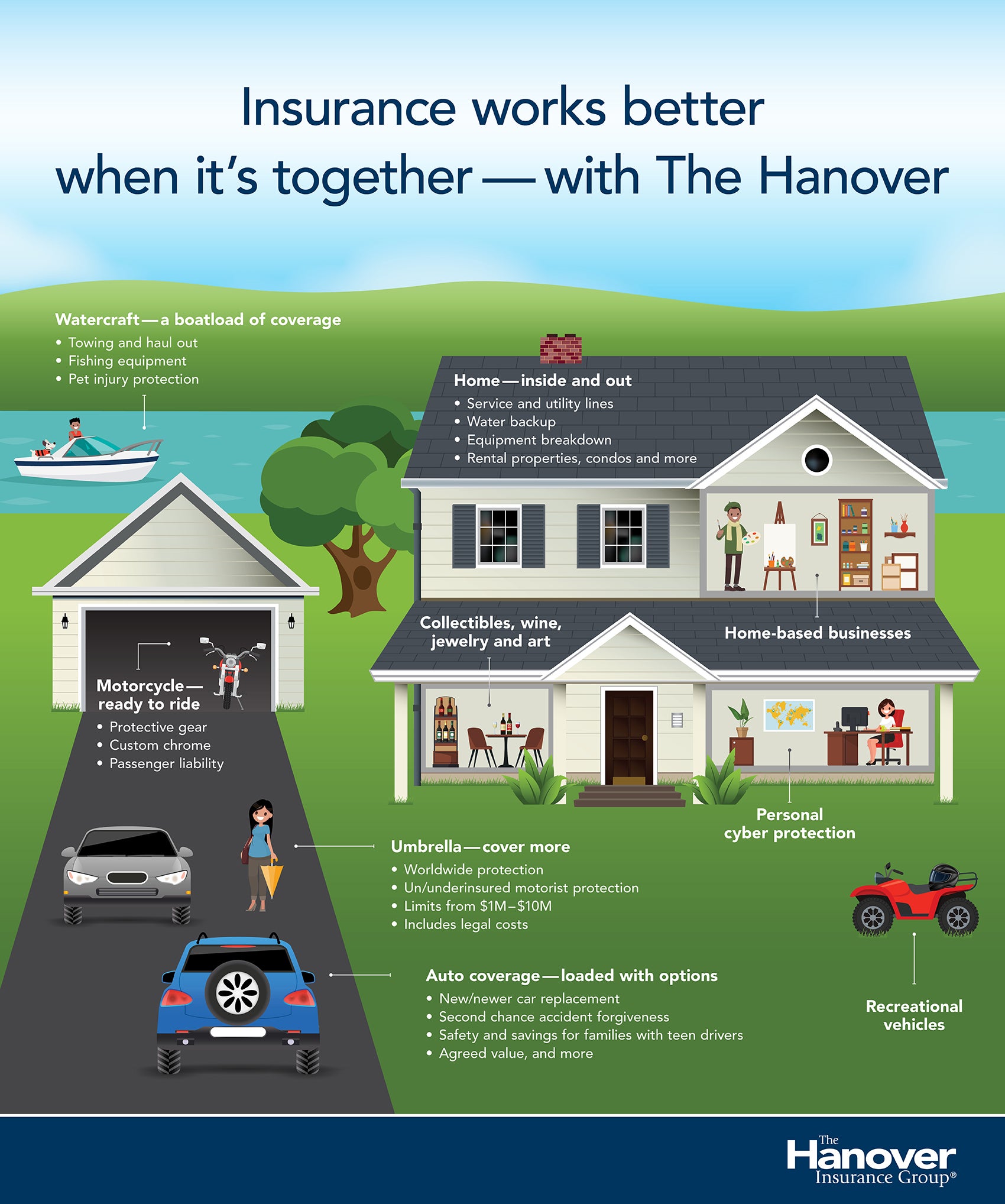
Credit: www.hanover.com
Enhancing Your Coverage
Enhancing your coverage as a renter can offer peace of mind. Personal liability coverage may not always include kitchen appliances. Consider additional options to protect your belongings. Understanding your policy is crucial for comprehensive protection.
Add-ons And Riders
Add-ons and riders can boost your existing policy. These options allow coverage for specific items like kitchen appliances. Riders are tailored additions, giving extra protection where needed. They ensure your appliances are covered against unexpected damages. Explore these options with your insurance provider.
Consulting With Insurance Providers
Consulting with insurance providers helps clarify your policy details. They can explain what's covered and what's not. Ask about options for including kitchen appliances. Providers offer guidance on the best add-ons for your needs. Regular consultations keep you informed and protected.
Making A Claim
Personal liability coverage for renters typically covers damages caused to others. Kitchen appliances might not be included unless they cause harm to someone. It's crucial to review your policy to understand the specific coverage details.
When it comes to renters insurance, personal liability coverage plays a vital role. You may be wondering if this coverage includes kitchen appliances. Understanding how to make a claim can help you navigate this process smoothly. Whether it's a faulty refrigerator or a malfunctioning oven, knowing the steps to take can make a world of difference.
Steps To File A Claim
Start by assessing the damage to your kitchen appliance. Is it a minor issue, or does it require immediate attention? Reach out to your insurance provider promptly. This is crucial as many providers have specific timeframes for filing claims. Contacting them can be as simple as a phone call or an online submission. Be ready to provide essential details like the date of the incident and a brief description of what happened. Have you ever had to rush to file a claim because you delayed contacting your insurer? It's not a pleasant experience!
Documentation Required
Gathering the right documentation is key. You will likely need receipts for the appliance, proof of ownership, and possibly warranties. These documents help establish the value and condition of your appliance at the time of damage. Photographs can also be beneficial. Snap pictures of the damage from various angles. This visual evidence can strengthen your claim and provide a clearer picture of the extent of the damage. Would you have all this information readily available if you needed it today? If not, consider organizing these documents now to avoid stress later. In navigating the claims process, being prepared is half the battle. Knowing what steps to take and what documentation is required can save you time and frustration. Have you ever had a claim go smoothly because you were well-prepared? Share your tips with others—they might thank you later!

Credit: www.lemonade.com
Tips For Renters
Renters often wonder about the coverage personal liability insurance provides. Kitchen appliances, being crucial, can cause significant damage if they malfunction. Understanding coverage can help renters manage potential issues and protect their belongings. Here are some valuable tips for renters to consider.
Preventing Appliance Damage
Regular maintenance is essential. Clean appliances like stoves and refrigerators often. This prevents buildup and potential damage. Check cords and plugs for wear. Replace if needed to avoid electrical issues. Avoid overloading sockets. It reduces the risk of fire hazards. Follow manufacturer guidelines for usage. This keeps appliances running smoothly.
Understanding Your Policy
Read your insurance policy carefully. Note what it covers about appliances. Personal liability may cover damages caused by malfunctioning appliances. It might not cover repairs or replacements. Contact your insurer for detailed information. Ask specific questions about appliance incidents. Knowing your coverage helps in emergencies. Keep copies of all insurance documents safe.
Frequently Asked Questions
Does Renters Insurance Cover Kitchen Appliances?
Yes, renters insurance can cover kitchen appliances under personal property coverage. This typically includes repairs or replacements if damaged by covered perils. However, not all policies cover every scenario, so reviewing your policy details is crucial. Always check with your insurer for specific coverage details.
What Is Personal Liability Coverage For Renters?
Personal liability coverage protects renters against claims for injuries or damages. It covers incidents occurring within the rental unit, like a guest getting injured. However, it generally doesn't cover damage to the renter's property, like kitchen appliances. Check your policy to understand the extent of your liability coverage.
Are Kitchen Appliances Considered Personal Property?
Yes, kitchen appliances are generally considered personal property in renters insurance. This means they may be covered for damage or theft under the personal property section. However, coverage details can vary, so it's essential to review your policy. Always confirm with your insurance provider for specifics.
How Can I Ensure My Appliances Are Covered?
To ensure your appliances are covered, review your renters insurance policy. Check the personal property section for coverage details. Consider adding a rider or endorsement for high-value items. Discuss with your insurer to understand the best options for full protection.
Conclusion
Understanding personal liability coverage is crucial for renters. Kitchen appliances may not always be covered. Policies differ. Always check your specific insurance details. Ask your insurer questions. This ensures clarity and protection. Awareness helps avoid unexpected costs. Review your coverage today.
Make sure it fits your needs. Protect your home and peace of mind. Renters need proper insurance knowledge. Stay informed and secure.