Have you ever found yourself frustrated in the kitchen, struggling with food that just won't let go of your stainless steel cookware? You're not alone.
Many home cooks wonder if stainless steel cookware is prone to sticking, and if so, how to prevent it. This question is crucial for anyone looking to invest in quality cookware or simply improve their culinary skills. After all, nobody wants to spend extra time scrubbing pans or serve less-than-perfect meals.
You'll discover the truth about stainless steel cookware and sticking, and learn some easy tips and tricks to ensure your cooking experience is smooth and stress-free. Ready to transform your kitchen routine? Keep reading to unlock the secrets of stainless steel cookware!
Stainless Steel Cookware Basics
Stainless steel cookware offers durability and versatility. It’s a top choice for many kitchens. This cookware is known for its sleek appearance. It’s resistant to rust and stains. But understanding its basics can improve cooking results.
What Is Stainless Steel?
Stainless steel is an alloy. It contains iron and chromium. Chromium gives it its shine. It also makes it resistant to rust. This blend creates a strong material for cookware.
Benefits Of Stainless Steel Cookware
Stainless steel is durable. It withstands high heat. It doesn’t react with food. This makes it safe for cooking. It’s also easy to clean. Its non-porous surface doesn’t absorb odors.
Common Misconceptions
Some believe stainless steel always sticks. This isn’t true. Proper heating and oiling prevent sticking. Cooking at the right temperature is crucial. It ensures food doesn't adhere.
Tips For Using Stainless Steel
Preheat your pan first. Add oil once hot. This helps create a non-stick surface. Use medium heat for best results. Avoid using high heat for delicate foods.
Choosing Quality Cookware
Look for heavy-duty stainless steel. It ensures even heat distribution. Check for a copper or aluminum core. These improve heat conduction. Quality pans reduce sticking issues.
Why Food Sticks
Cooking with stainless steel cookware can be a joy for many home chefs, but sometimes it leads to a frustrating experience when food sticks to the surface. Understanding why food sticks can transform your culinary adventures. Let's dive into some common reasons and learn how to avoid them.
Heat Distribution Issues
Stainless steel is known for its durability, but its heat distribution can be tricky. If the pan heats unevenly, some areas may become hotter than others, causing food to stick. Imagine you're cooking pancakes, and only one side cooks perfectly while the other sticks stubbornly. To prevent this, preheat your pan evenly before adding any ingredients. A simple way to check is by sprinkling a few drops of water in the pan; if they sizzle and dance around, you're good to go.
Lack Of Oil Or Fat
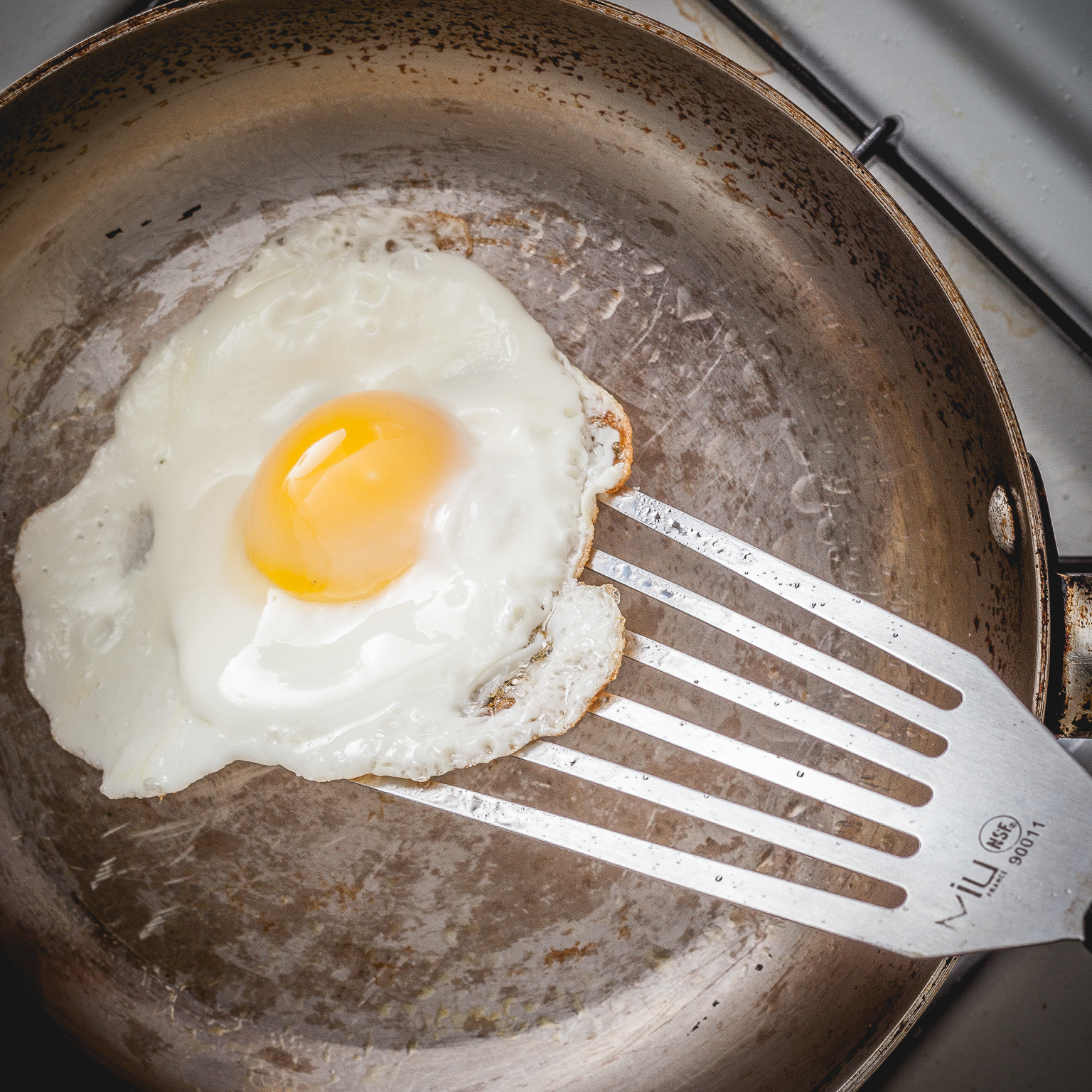
Oil or fat acts as a barrier between your food and the pan. Without it, your food is like a magnet to the stainless steel surface. This is especially true for proteins like eggs or fish. Next time you fry an egg, ensure you coat the pan with a thin layer of oil. It not only prevents sticking but also enhances flavor. Remember, a little goes a long way, so you don't need to drown your food in oil.
Cooking Temperature Mistakes
Cooking at the wrong temperature can turn your delicious meal into a sticky mess. Too high, and the food burns and sticks; too low, and it doesn't cook properly. Picture this: you're searing a steak, aiming for that perfect crust, but instead, you end up with a sticky disaster. Aim for medium heat when using stainless steel, and adjust as needed. A simple trick is to use a thermometer to keep the temperature in check.
Next time you find your food sticking, ask yourself: is my pan evenly heated? Did I use enough oil? Am I cooking at the right temperature? By addressing these issues, you'll turn sticky situations into seamless cooking experiences. Happy cooking!
Benefits Of Stainless Steel
Stainless steel cookware often resists sticking due to its smooth surface. Proper preheating and oil application enhance non-stick properties, making cooking enjoyable. Versatile and durable, stainless steel suits various recipes without frequent replacements.
Stainless steel cookware is a favorite in many kitchens, but does it stick? While it may not be as non-stick as some other materials, it offers a range of benefits that can enhance your cooking experience. Understanding these benefits can help you decide if stainless steel is the right choice for your culinary needs.
Durability And Longevity
Stainless steel cookware is known for its incredible durability. Unlike non-stick pans that can wear out over time, stainless steel can last for decades with proper care. You might remember your grandmother using the same pot for years—it still shines today. Its resistance to rust and corrosion makes it an ideal choice for those who want a long-lasting investment. If you’re tired of replacing your cookware every few years, stainless steel offers a reliable alternative.
Non-reactive Surface
One of the standout features of stainless steel is its non-reactive surface. This means it doesn't interact with acidic or alkaline foods. You can cook tomato sauces or lemon-flavored dishes without worrying about a metallic taste. This non-reactivity also preserves the natural flavors of your food. If you value the taste and quality of your meals, stainless steel can help maintain that integrity.
Versatility In Cooking
Stainless steel cookware excels in versatility. It can handle a range of cooking methods—from frying to simmering, and even oven baking. You can seamlessly transition from stovetop to oven, which is perfect for dishes that require both. Additionally, stainless steel is compatible with all cooktops, including induction. If you enjoy trying new recipes or cooking techniques, this versatility can be a game-changer in your kitchen. In your cooking journey, have you ever thought about the cookware you're using and how it affects your food? Stainless steel offers durability, safety, and flexibility. Consider giving it a try and see how it transforms your cooking experience.
Credit: thatothercookingblog.com
Proper Preheating Techniques
Stainless steel cookware is popular for its durability and even heat distribution. But many wonder if food sticks to it. The secret? Proper preheating. It ensures food doesn't stick to the surface. Preheating forms a natural barrier. This prevents sticking and makes cooking smoother.
Water Droplet Test
The water droplet test is simple. Place your pan on the stove. Let it heat for a few minutes. Then, sprinkle a few drops of water on the surface. If the water sizzles and forms small balls, the pan is ready. This means it's hot enough for cooking. If the water just sits, it needs more time. This test helps achieve the right temperature.
Visual Heat Cues
Visual cues help in gauging the right heat. Look at the surface of the pan. When it starts to shimmer, it's ready. A shimmering surface indicates proper heat. You might even notice faint smoke. This is another sign. These cues ensure your pan is hot enough. Cooking at the right temperature prevents food from sticking. Always watch for these signs before adding ingredients.
Using The Right Amount Of Oil
Cooking with stainless steel cookware can sometimes lead to sticking. Using the right amount of oil is crucial. It ensures food doesn't stick. Oil creates a barrier between the pan and the food. This prevents sticking and helps in even cooking. The type and amount of oil matter a lot. Each oil has different properties. Understanding these can improve your cooking experience.
Types Of Oils
Different oils offer unique flavors and benefits. Olive oil is popular for its taste. It suits low to medium heat cooking. Vegetable oil is versatile and affordable. It works well for frying and sautéing. Coconut oil adds a hint of sweetness. It's great for baking and roasting. Each oil serves a unique purpose. Choose based on your cooking needs.
Oil Smoke Points
Smoke point is the temperature where oil starts to smoke. It affects flavor and health. Olive oil has a low smoke point. Use it for gentle cooking. Vegetable oil has a higher smoke point. Suitable for frying or high-heat cooking. Coconut oil has a moderate smoke point. Perfect for baking or stir-frying. Knowing smoke points helps in selecting the right oil. This ensures both taste and safety.

Credit: prudentreviews.com
Managing Cooking Temperatures
Stainless steel cookware can stick if not used properly. Preheating the pan and using enough oil can help prevent sticking. Managing cooking temperatures carefully ensures better results with stainless steel, making it easier to clean and maintain.
Managing Cooking Temperatures Cooking with stainless steel cookware is an art that many home chefs aspire to master. One crucial aspect to achieve culinary success is managing cooking temperatures effectively. The right heat can mean the difference between a delicious, non-stick meal and a frustrating, sticky disaster. Let’s dive into two important cooking techniques: low and slow cooking, and searing and browning.
Low And Slow Cooking
Low and slow cooking is all about patience and precision. Stainless steel cookware excels in this method due to its ability to distribute heat evenly. When cooking dishes like stews or braised meats, keep the heat low. This prevents sticking and allows flavors to meld beautifully. Ever tried simmering a sauce for hours? It’s a rewarding experience that fills your kitchen with tantalizing aromas, and stainless steel makes it even better.
Searing And Browning
Searing and browning require higher temperatures. Stainless steel is perfect for this because it can withstand intense heat without warping. To achieve a perfect sear, preheat your pan on medium-high heat. Add a touch of oil, then place your meat or veggies. Avoid moving them too soon; let them develop a rich, golden crust. Have you ever wondered why restaurant steaks taste so good? It’s that perfect sear, locking in juices and flavor. By understanding these temperature techniques, you enhance your cooking skills. Which method will you try next in your stainless steel cookware?
Cleaning And Maintenance Tips
Stainless steel cookware can sometimes cause food to stick, especially at high temperatures. Proper preheating and oiling techniques help minimize sticking issues. Regular cleaning with gentle scrubbers ensures long-lasting shine and functionality.
Cleaning and maintaining your stainless steel cookware can enhance its longevity and ensure that your culinary creations come out perfectly every time. While stainless steel is known for its durability and attractive appearance, it does require some attention to keep it looking its best. With the right cleaning methods and a few maintenance tricks, you can keep your pots and pans in pristine condition.
Avoiding Abrasive Cleaners
Using abrasive cleaners might seem like a good way to tackle tough stains, but they can actually damage the surface of your cookware. Stick to mild dish soap and warm water for regular cleaning. For tougher spots, a mixture of baking soda and water works wonders. Apply it gently with a soft cloth or sponge. Have you ever noticed those pesky scratches? They often come from using the wrong kind of scrubber. Opt for a non-abrasive pad to keep your cookware scratch-free.
Dealing With Stuck-on Food
Stuck-on food can be a real challenge, but patience is your best ally here. Start by soaking the cookware in hot soapy water for a few hours. This softens the residue, making it easier to remove. If you find yourself dealing with stubborn spots, try boiling a mixture of vinegar and water in the pan. This not only loosens the food but also eliminates any lingering odors. Have you ever thought about why food sticks in the first place? Often, it's due to overheating. Keeping your heat levels moderate can prevent sticking and save you from scrubbing. Maintaining stainless steel cookware isn't just about aesthetics; it’s about keeping your kitchen efficient and enjoyable. As you adopt these cleaning habits, you might find yourself cooking with more confidence and less hassle. What’s your favorite tip for keeping cookware looking new?
Alternative Cooking Methods
Stainless steel cookware often sticks during cooking. Proper preheating and oiling can help reduce sticking. Experimenting with low heat also minimizes food adhesion.
Cooking with stainless steel cookware can be a rewarding experience, especially when you master the art of preventing food from sticking. However, if you want to explore other options, there are alternative cooking methods that can make your kitchen adventures even more exciting. Sometimes, trying out different cookware can provide the flexibility and results you seek. Let's dive into some alternatives that can complement your stainless steel collection.
Using Non-stick Alternatives
Non-stick pans are a popular choice for many home cooks. They offer a smooth surface that requires less oil, making it easier to cook delicate foods like eggs and pancakes. If you are in a hurry and need a quick cleanup, non-stick cookware can be a lifesaver. Yet, non-stick pans have their limitations. They might not be suitable for high-heat cooking. Plus, over time, their coating can wear out, so handle them with care. It's useful to have them in your arsenal for specific tasks rather than relying on them entirely.
Incorporating Cast Iron
Cast iron is another fantastic alternative that you might consider. It is versatile and can be used on the stovetop or in the oven. The more you use it, the better it gets, thanks to the seasoning process that creates a natural non-stick surface. Cooking with cast iron requires a bit more maintenance. You need to dry it immediately after washing and occasionally re-season it. But once you get the hang of it, the results can be truly satisfying. Do you have a favorite cast iron dish? Maybe a sizzling steak or a hearty cornbread? Cast iron can handle them all, providing a wonderful flavor and texture that's hard to achieve with other cookware. Exploring these alternatives can enhance your cooking repertoire. Whether you're seeking ease of use or a new culinary challenge, there's a world of cookware waiting for you. Which one will you try next in your kitchen?
Common Myths Debunked
Stainless steel cookware is a popular choice for many home chefs, but it comes with its own set of myths that can lead to confusion. These misconceptions often deter people from enjoying the full benefits of stainless steel. Let's debunk some common myths and help you make informed choices in your kitchen.
Myth Of Stainless Steel Being Non-stick
Many people believe stainless steel pans should be non-stick like their Teflon counterparts. This is not true. Stainless steel cookware is not inherently non-stick. The key is understanding how to use it properly to minimize sticking.
Cooking at the right temperature can prevent food from sticking. Try heating your pan before adding oil and ingredients. This simple step can make a big difference. You might find that your eggs or pancakes slide right off with ease!
Have you ever wondered why professional chefs swear by stainless steel? It's because they appreciate the control it offers. Once you master the technique, you might find yourself preferring the crisp sear only stainless steel can provide.
Misconceptions About Metal Utensils
There's a common fear that using metal utensils will ruin your stainless steel cookware. This is another myth. Stainless steel is durable and resistant to scratches. You can comfortably use your metal spatula or spoon without worry.
It's true that stainless steel can develop a few marks over time. However, these are mostly cosmetic and don't affect cooking performance. A simple polish can restore its shine, leaving it looking good as new.
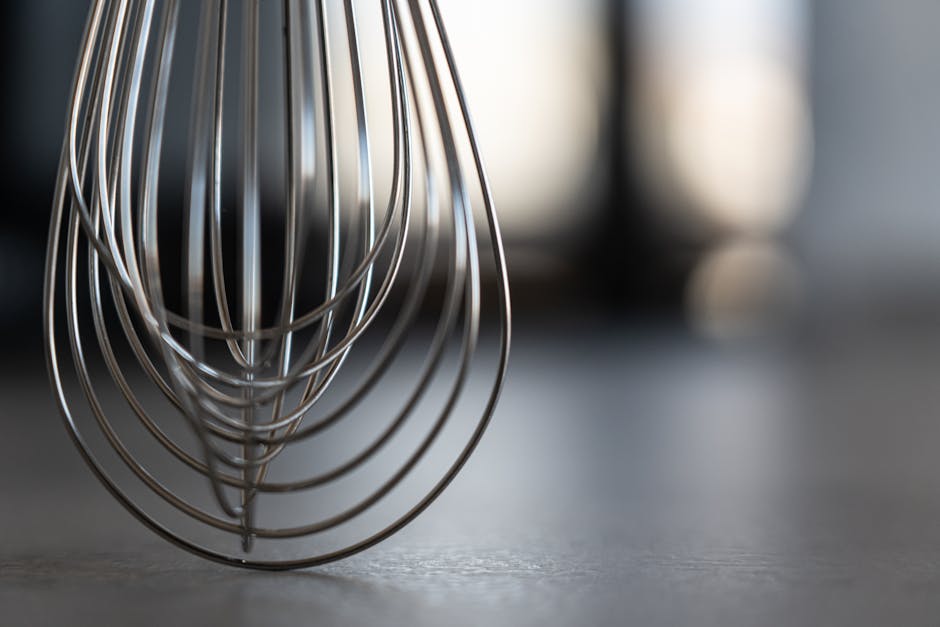
Consider this: Are you avoiding metal utensils out of fear, or habit? If the latter, you might be limiting yourself unnecessarily. Try using a metal whisk next time and see if your cooking experience improves.
In debunking these myths, you're empowered to use stainless steel cookware to its fullest potential. Next time you cook, remember these insights and enjoy the benefits that come with mastering stainless steel. Are you ready to take on the challenge?
Expert Tips For Best Results
Stainless steel cookware can stick if not used correctly. Use proper heat and oil to reduce sticking. Preheat the pan and ensure it's at the right temperature before adding food for best results.
Cooking with stainless steel cookware can be a rewarding experience if you know the tricks to prevent sticking. Many home cooks shy away from it, fearing the dreaded stuck-on food. However, with a few expert tips, you can master your stainless steel pieces and elevate your cooking game.
Chef-approved Techniques
Chefs love stainless steel for its durability and even heat distribution. To avoid sticking, preheat your pan before adding oil. This ensures the oil is hot enough to act as a barrier between the food and the surface. Use the water droplet test. Add a few drops of water to the heated pan. If they dance around before evaporating, the pan is ready. This simple test can make a world of difference in your cooking. Another technique is to let the food release itself. Resist the urge to move it too soon. Once it’s properly seared, it will naturally release from the pan.
Kitchen Hacks For Home Cooks
Home cooks can use clever tricks to make stainless steel cookware user-friendly. Start with a clean pan, as residue can cause sticking. Consider seasoning your stainless steel cookware. A light coating of oil, heated on the pan, creates a semi-nonstick surface. You might think this is only for cast iron, but it works wonders here too. Are you cooking proteins? Let them reach room temperature before hitting the pan. Cold food tends to stick more, so this small step can save you from frustration. Do you have a favorite trick to keep your stainless steel pan stick-free? Share it with fellow cooks and learn from each other’s experiences. By implementing these tips, you can transform your stainless steel cooking from a challenge to a joy.

Credit: www.reddit.com
Frequently Asked Questions
Why Does Stainless Steel Cookware Stick?
Stainless steel cookware can stick due to high heat or insufficient oil. Proper preheating and using enough oil can prevent sticking. Foods with high protein like eggs and fish can stick more. Ensuring the cookware is clean and dry before use also helps minimize sticking.
How To Prevent Sticking On Stainless Steel?
To prevent sticking, preheat your pan adequately before adding oil. Use a generous amount of oil or butter. Ensure the cookware is clean and dry. Avoid overcrowding the pan, which lowers the temperature. Allow foods to sear properly before flipping them to minimize sticking.
Is Stainless Steel Better Than Non-stick?
Stainless steel is durable, versatile, and ideal for browning and searing. Non-stick is easier for delicate foods like eggs. Stainless steel offers better heat distribution but requires more care to prevent sticking. Choose based on your cooking needs and preferences for ease of use and maintenance.
Can Stainless Steel Be Seasoned?
Yes, stainless steel can be seasoned to create a semi-nonstick surface. Heat the pan, add oil, and let it smoke. After cooling, wipe the oil away. This process helps improve the nonstick qualities. Regular seasoning enhances performance and reduces food sticking over time.
Conclusion
Stainless steel cookware can stick, but you can avoid it. Proper preheating helps. Use enough oil or butter. Avoid overcrowding the pan. Let food form a crust before flipping. These tips can make cooking easier. Experiment with heat and time.
Practice improves cooking skills. Stainless steel is durable and versatile. Many chefs prefer it for its quality. Enjoy cooking with confidence. Your meals will taste better with practice. Remember, patience is key. Happy cooking!