
Does Unplugging Kitchen Appliances Save Energy.
Have you ever wondered if unplugging your kitchen appliances could actually save you money on your energy bill? You’re not alone.
Many people grapple with the question of whether it’s worth the effort to unplug devices that aren’t in use. Just imagine opening your next electricity bill and seeing a noticeable drop in costs, all because of a simple habit change.
But is it really that straightforward? We’ll delve into the facts and myths surrounding unplugging kitchen appliances. By the end, you'll have the knowledge to make informed decisions about your energy use. Keep reading to discover how small actions can lead to big savings for you and your household.
The Science Of Energy Consumption
Understanding energy consumption is crucial for saving on electricity bills. Kitchen appliances are often left plugged in, contributing to household energy use. Knowing how they consume energy can help make informed decisions about unplugging.
How Appliances Use Energy
Appliances convert electrical energy into their specific function, like heating or cooling. Each device requires a different amount of energy to operate efficiently. For instance, a refrigerator uses energy to keep food cold, while a toaster uses it to heat bread. Their energy needs vary based on their function and usage time.
Standby Power Explained
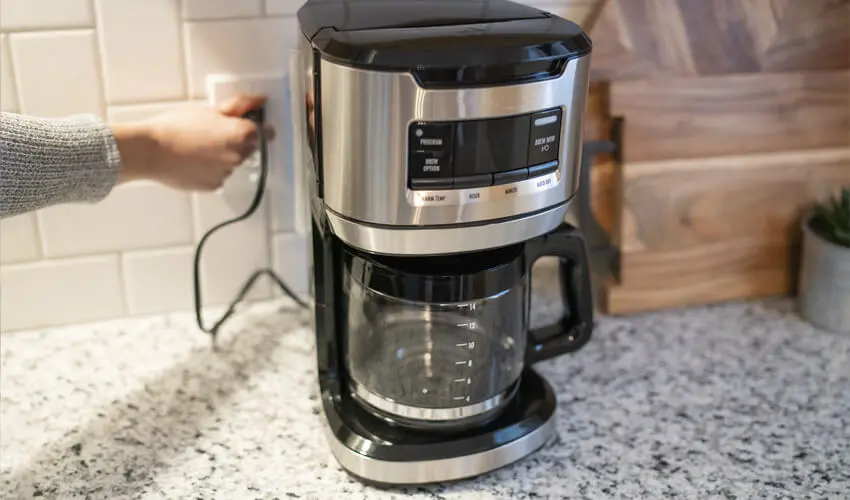
Standby power is the energy consumed by appliances when not in active use. Devices often use standby power to maintain features like clocks or remote control sensors. This power consumption is sometimes called "phantom load." Even small amounts add up over time, increasing electricity bills. Unplugging appliances prevents this energy drain, leading to savings.
Credit: www.mrappliance.com
Identifying Energy-hungry Appliances
Identifying energy-hungry appliances in the kitchen can help save energy. Many appliances continue to consume electricity even when not in use. These appliances can significantly add to your electricity bill. Knowing which ones are the main culprits can help you make smart energy choices.
Common Culprits In The Kitchen
Some kitchen appliances are known for their high energy use. The refrigerator is a big one. It runs continuously to keep your food fresh. Dishwashers also use a lot of electricity and water. Microwaves, though used for short times, consume a lot of power. Coffee makers and toasters, while small, can also add up if used often.
Unseen Energy Costs
Even when turned off, some appliances still use power. This is called standby power or phantom load. Appliances like microwaves with digital clocks are examples. Unplugging these can help reduce energy costs. Chargers for phones or tablets also draw power when plugged in. Being aware of these hidden costs can lead to savings.
Benefits Of Unplugging Appliances
Unplugging kitchen appliances can lead to significant benefits. Many people leave appliances plugged in when not in use. This habit can waste energy. Taking a moment to unplug can save money and protect the environment.
Energy Savings Potential
Unplugging appliances reduces standby power consumption. Devices use energy even when turned off. This is known as "phantom" or "vampire" energy. By unplugging, you eliminate this waste. Over time, these savings add up. Lower electricity bills are a direct benefit.
Environmental Impact
Reducing energy usage helps the environment. Less energy consumption means fewer emissions. Power plants emit less carbon dioxide. Unplugging appliances supports a cleaner planet. Every small action counts toward a larger goal. A healthier Earth for future generations.
Credit: www.inspirecleanenergy.com
Practical Tips For Reducing Energy Use
Unplugging kitchen appliances can save energy by reducing standby power consumption. Devices like microwaves and coffee makers use power even when not in use. Simply unplugging them prevents this wasted energy, helping lower electricity bills and reduce carbon footprint. Small changes in daily habits can lead to significant energy savings.
Reducing energy use in your home doesn't have to be a complicated or expensive endeavor. Simple changes in how you manage your kitchen appliances can make a significant impact on your energy bills. Let’s dive into some practical tips that you can easily apply to start saving energy today.
Smart Power Strips
One of the easiest ways to cut down on wasted energy is by using smart power strips. These devices automatically cut off power to appliances when they are not in use. Think about the coffee maker that stays plugged in all day or the toaster that only gets used in the morning. With smart power strips, you can set a timer or use a remote to control the power supply. This way, you're not wasting energy on appliances that are off but still drawing power. It's a simple switch that can lead to noticeable savings.
Energy-efficient Appliance Alternatives
Consider upgrading your appliances to energy-efficient models. They use less power and are often better for the environment. If your refrigerator is more than 10 years old, it might be time to consider a newer, more energy-efficient model. Energy-efficient appliances often come with energy star ratings, helping you make informed choices. While the upfront cost might be higher, the long-term savings on your energy bill can be substantial. Have you ever thought about how much energy your kitchen appliances consume while idle? It's surprising to learn that even when not in use, they can still draw power. Taking small steps, like opting for energy-efficient appliances, can help you save money and reduce your carbon footprint. By making these changes, you’re not just saving money—you're contributing to a more sustainable future. So, what are you waiting for? Start today and make a difference in your energy consumption.
Balancing Convenience And Conservation
Saving energy in the kitchen involves unplugging appliances when not in use. This simple action can reduce electricity waste and cut costs. Many devices consume power even when turned off, impacting your energy bill and the environment.
Balancing convenience and conservation is a delicate dance many of us face in our daily routines. You might find yourself wondering if the effort to unplug your kitchen appliances is worth the energy savings. While convenience often tempts us to leave devices plugged in, the conservation of resources and reduction in electricity bills can be compelling reasons to adjust our habits.
When To Unplug
Timing is everything. It might not be practical to unplug your refrigerator or essential appliances that run continuously. However, for items like coffee makers, toasters, and mixers that you use sparingly, unplugging after use can be a smart move. Consider your usage patterns. If an appliance sits idle for most of the day, unplugging it can prevent energy drain. This simple habit can lead to noticeable savings over time.
Weighing Costs And Benefits
Is the energy saved worth the hassle? Unplugging appliances can reduce phantom energy consumption, which might seem small but adds up. The cost savings may vary depending on your local electricity rates and the number of appliances you have. Ask yourself if the potential savings align with your conservation goals. If you're keen on reducing your carbon footprint, the effort to unplug can be more rewarding. Alternatively, if convenience is a priority, consider using smart plugs or timers to automate the process. Ultimately, it's about finding a balance that suits your lifestyle and values. Have you tried unplugging appliances in your kitchen? Share your experiences in the comments below and let us know how it impacted your energy bills!
Credit: www.mrappliance.ca
Real-life Case Studies
Many wonder if unplugging kitchen appliances truly saves energy. Real-life case studies provide valuable insights. They show how everyday people reduce energy consumption at home. These stories reveal practical methods to cut down on electricity use. Exploring these examples can inspire and guide you in your own energy-saving journey.
Household Energy Audits
Conducting household energy audits helps identify energy usage patterns. Families often find appliances left plugged in consume power. Audits show how small changes can lead to savings. For example, unplugging coffee makers and toasters saves energy. These simple actions make a difference in monthly bills. Identifying energy leaks empowers homeowners to make informed decisions.
Success Stories
Success stories from various households demonstrate effective energy-saving strategies. A family in Texas unplugged unused kitchen appliances. They saw a noticeable drop in their electricity bill. Another household in New York focused on unplugging devices overnight. Their energy costs decreased significantly. These examples illustrate how unplugging contributes to energy conservation. Real-life experiences prove the impact of small adjustments.
Frequently Asked Questions
Do Unplugged Appliances Save Energy?
Yes, unplugged appliances save energy by reducing standby power consumption. Even when turned off, plugged-in devices can draw electricity. Unplugging them prevents this, lowering your energy bill. This practice is especially effective for appliances with clocks or LED displays. It's a simple way to contribute to energy efficiency.
How Much Energy Do Appliances Use In Standby?
Appliances in standby mode can use up to 10% of household energy. Devices like microwaves, TVs, and chargers consume power even when inactive. Unplugging them can significantly reduce your energy usage. Monitoring standby power is an effective step toward decreasing unnecessary energy consumption and costs.
Is It Worth Unplugging Kitchen Appliances?
Unplugging kitchen appliances can lead to noticeable energy savings. Many devices continue to draw power when not in use. By unplugging, you eliminate this wasted electricity. It's a straightforward method to enhance energy efficiency. This practice is especially beneficial for appliances used infrequently.
Does Unplugging Appliances Affect Their Lifespan?
Unplugging appliances does not negatively impact their lifespan. In fact, it may prolong their life by reducing electrical stress. By preventing constant power flow, you decrease wear on components. This practice can lead to fewer repairs and longer-lasting devices, making it a practical energy-saving strategy.
Conclusion
Saving energy starts with small actions. Unplugging appliances helps reduce standby power. This small step lowers electricity bills. It also cuts carbon footprint. Every unplugged device counts toward a greener planet. Adopt this simple habit today. It's easy and effective.
Keep it consistent for noticeable results. Energy savings add up over time. Small changes lead to big impacts. Try it in your kitchen. Feel the difference. Save energy. Save money. Help the environment. Little efforts matter. Simple choices create sustainable living.
Start unplugging today.