

Have you ever wondered just how vast the small kitchen appliance market is? As you sip your morning coffee brewed by your trusty machine or toast your bread to a perfect golden brown, you're participating in a booming industry that's more influential than you might think.
If you're a home cook, a culinary enthusiast, or even someone looking to upgrade your kitchen gadgets, understanding the scope of this market can be eye-opening. This isn't just about gadgets; it's about the choices you make in your kitchen every day.
Dive into this article to discover the size and scope of the small kitchen appliance market and what it means for you and your kitchen. Your next favorite gadget could be waiting just around the corner.
Market Size And Growth
The small kitchen appliance market is a fascinating sector that's constantly evolving. You might be surprised by its size and growth, reflecting our changing lifestyles and culinary preferences. Whether you love whipping up quick meals or experimenting with new recipes, understanding this market can offer insights into consumer behavior and future trends.
Current Market Valuation
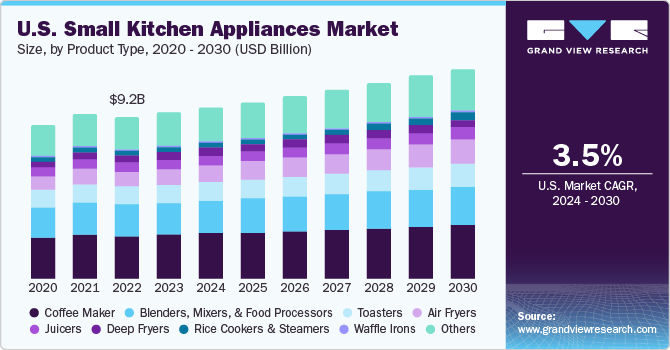
Today, the small kitchen appliance market is valued at billions of dollars. It's a thriving industry that caters to diverse needs, from coffee makers and blenders to air fryers and multi-cookers. This valuation reflects not just consumer demand but also the innovation driving the market forward. The rise in health-conscious eating, for instance, has boosted sales of juicers and steamers.
Historical Growth Trends
Looking back, this market has seen steady growth over the years. As lifestyles became busier, the demand for convenient and efficient kitchen gadgets surged. Remember the first time you tried a microwave? That was a pivotal moment for many families seeking quicker meal solutions. Over the decades, technological advances and design improvements have kept the market buoyant, adapting to consumer preferences.
Projected Future Growth
What does the future hold? Analysts predict continued growth driven by innovation and changing dietary habits. Imagine kitchens equipped with smart appliances that make cooking a breeze. As you explore new recipes, these gadgets can offer precision and ease, enhancing your culinary experience. The market is expected to expand further, embracing sustainability and energy efficiency trends. How will your kitchen evolve?
Understanding the dynamics of the small kitchen appliance market isn't just about numbers; it's about anticipating shifts that impact your everyday life. As you consider your next appliance purchase, think about how these trends might shape your choices. Are you ready for the next wave of kitchen innovations?

Credit: www.grandviewresearch.com
Key Market Drivers
The small kitchen appliance market is expanding rapidly. Understanding the key drivers behind this growth is crucial for businesses and consumers alike. These drivers are shaping the future of the industry and influencing purchasing decisions globally.
Technological Advancements
Technology is transforming kitchen appliances. Smart features are gaining popularity. Consumers now expect connectivity and automation in their devices. Appliances with touch controls and voice commands are in high demand. Energy-efficient models attract environmentally-conscious buyers.
Manufacturers invest heavily in innovation. This results in appliances with advanced functionalities. The introduction of AI and IoT in kitchen gadgets enhances user experience. These advancements drive market growth significantly.
Consumer Lifestyle Changes
Modern lifestyles influence appliance choices. Busy schedules lead to a demand for quick and efficient cooking solutions. Compact and multifunctional devices are preferred by many. People are cooking more at home, boosting sales of small appliances.
Health-conscious consumers seek appliances that support healthier cooking methods. Air fryers and blenders for smoothies are popular choices. Lifestyle shifts create opportunities for diverse product offerings.
Increasing Urbanization
Urbanization impacts the kitchen appliance market. City living often means smaller spaces. This increases demand for compact and space-saving appliances. Urban dwellers prioritize convenience and functionality.
Growing urban populations drive market expansion. More households require affordable and efficient kitchen solutions. Manufacturers focus on designing products suited for urban environments. Urbanization continues to be a significant growth driver.
Regional Market Analysis
Understanding the regional dynamics of the small kitchen appliance market is vital. Different regions showcase unique trends, growth potential, and consumer preferences. This analysis dives deep into various geographical markets, providing insights into their size and future prospects.
North America Insights
North America leads the small kitchen appliance market. The demand for innovative and energy-efficient appliances drives growth. Urban lifestyles fuel a preference for compact and multifunctional products. The U.S. and Canada are significant contributors. They feature a strong market presence due to high disposable incomes.
European Market Trends
Europe showcases a steady growth in this sector. Sustainability and energy efficiency are key trends. Consumers in countries like Germany and France favor eco-friendly options. The market here benefits from technological advancements. Increasing awareness about energy conservation boosts sales.
Asia-pacific Growth Potential
Asia-Pacific stands as a rapidly growing market. Economic development and urbanization accelerate demand. China and India are crucial players. Rising disposable incomes lead to increased appliance purchases. The market is driven by affordability and technological innovation. Consumers seek products that simplify daily tasks.
Emerging Markets
Emerging markets show promising potential. Countries in Latin America and Africa are expanding their market share. Improved living standards increase the need for efficient kitchen appliances. These regions are seeing growth due to globalization and increased consumer awareness. The demand for affordable yet quality appliances rises steadily.

Credit: www.gminsights.com
Major Players And Brands
The small kitchen appliance market is vast, with major players like Whirlpool and Philips leading the way. Brands such as KitchenAid and Cuisinart also hold significant market shares. Their innovation and quality products drive consumer interest and demand.
The small kitchen appliance market is a bustling arena filled with a variety of brands and players. These brands are constantly innovating to meet the demands of modern consumers. Whether you’re upgrading your kitchen or buying your first appliance, understanding the major players can help you make informed choices.
Leading Companies
In the world of small kitchen appliances, certain companies stand out as industry leaders. Whirlpool and GE Appliances are household names that have been around for decades. They offer a wide range of products, from microwaves to blenders, ensuring durability and quality. Philips and Breville are also noteworthy, especially if you value technological advancements. They often integrate smart tech features into their appliances, like app-controlled coffee machines, which can be a game-changer for busy mornings. Do you have a favorite brand you always turn to for your kitchen needs?
Innovative Startups
While the giants maintain their presence, innovative startups are shaking things up. Think of Ninja and Instant Brands, which have quickly captured consumers' attention with their multifunctional devices. Their products often combine several functions, saving you both space and money. These startups are not just about clever gadgets; they focus on sustainability and efficiency. It's exciting to see how they push the boundaries of what's possible. Have you ever tried a product from a startup that left you impressed?
Competitive Landscape
The competitive landscape of the small kitchen appliance market is dynamic and ever-changing. Established brands are constantly innovating to stay ahead, while startups are eager to carve out their niche. This results in a wide range of options for consumers, catering to different tastes and budgets. Competition drives prices down and quality up, benefiting you directly. As a consumer, being aware of this landscape helps you make smarter purchasing decisions. Are you keeping an eye on the latest trends and innovations in kitchen appliances? Understanding the players and brands in the small kitchen appliance market can guide your choices and enhance your culinary experiences. Whether you lean towards trusted brands or are open to trying new innovators, the market has something for everyone.
Consumer Preferences
Understanding consumer preferences in the small kitchen appliance market is vital. Preferences shape market trends and influence purchasing decisions. They guide manufacturers in creating products that meet demand. Let's delve into some key areas of consumer interest.
Popular Appliance Types
Consumers gravitate towards convenience and efficiency. Blenders, air fryers, and coffee makers top the list. Many seek multifunctional appliances, saving space and time. These appliances cater to busy lifestyles, making them highly desirable. Compact versions also gain popularity for small kitchens.
Design And Aesthetic Trends
Aesthetic appeal plays a crucial role in consumer choices. Sleek and modern designs attract many buyers. Stainless steel and matte finishes are in vogue. Consumers often prefer appliances that complement their kitchen decor. Retro styles also make a comeback, adding a nostalgic touch.
Sustainability Concerns
Environmental awareness influences buying decisions significantly. Eco-friendly appliances with energy-saving features are in demand. Consumers look for durable products to reduce waste. Brands that emphasize sustainability often gain consumer trust. This trend pushes the market towards greener innovations.
Credit: www.grandviewresearch.com
Challenges And Opportunities
The small kitchen appliance market offers both challenges and opportunities. Understanding these aspects is crucial for businesses aiming to thrive. While demand remains strong, several factors influence market dynamics. Addressing these challenges can open doors to growth.
Supply Chain Issues
Supply chain disruptions can affect product availability. Many companies face delays in manufacturing and shipping. These delays can impact sales and customer satisfaction. To overcome this, businesses need efficient logistics planning. Investing in technology can streamline operations.
Regulatory Environment
Regulations vary across countries and regions. Compliance with safety standards is essential. Failure to meet regulations can lead to fines or bans. Companies must stay informed about changing laws. Regular audits ensure products meet all requirements.
Market Entry Barriers
Entering the market can be challenging for new players. Established brands dominate shelves and online platforms. New entrants need unique offerings to capture attention. Building brand trust is essential for success. Strategic marketing can help break through barriers.
Technological Innovations
Exploring the market size of small kitchen appliances reveals a significant demand driven by innovation and convenience. Consumers are increasingly seeking compact, efficient gadgets for modern living spaces. The growth of this market reflects the trend towards smart, space-saving solutions for everyday culinary tasks.
Technological Innovations The small kitchen appliance market is bustling with technological innovations. These advancements are transforming the way we cook and manage our kitchens. You might be wondering how these changes affect your daily life and buying decisions.
Smart Appliances
Smart appliances are game changers in the kitchen. Imagine your coffee maker starting on its own as you wake up, or your blender suggesting recipes. These appliances connect to your smartphone, allowing you to control them from anywhere. How often do you find yourself wishing for more convenience? Smart appliances are all about making your life easier and more efficient.
Energy Efficiency
Energy efficiency is not just a buzzword; it's a necessity. Modern small kitchen appliances are designed to consume less power. This not only saves you money on your electricity bill but also contributes to a healthier planet. Have you considered the impact of your appliance choices on the environment? Opting for energy-efficient models is a practical step towards sustainability.
Integration With Smart Homes
The integration of kitchen appliances with smart home systems is a fascinating development. You can now sync your oven with your smart home assistant to set timers and adjust temperatures through voice commands. Isn't it amazing to think about how interconnected our homes are becoming? This seamless integration enhances convenience and allows for a more coordinated living experience.
Technology in the kitchen is no longer a luxury; it's becoming a standard. As you explore the small kitchen appliance market, think about how these innovations can fit into your lifestyle. What will your next kitchen purchase be?
Impact Of E-commerce
The small kitchen appliance market grows steadily, driven by increasing online shopping. E-commerce offers consumers easy access to diverse products. This convenience boosts sales and broadens the market's reach globally.
The e-commerce boom has dramatically reshaped the small kitchen appliance market. With consumers increasingly opting for the convenience of online shopping, the market has seen substantial growth. This shift is not just about numbers; it's about how digital platforms are redefining consumer experiences and expectations.
Online Sales Growth
The rise in online sales for small kitchen appliances is staggering. In just a few years, e-commerce platforms have become the go-to for purchasing everything from blenders to air fryers. Websites like Amazon and specialized kitchenware sites offer an endless variety, competitive pricing, and the convenience of home delivery. In fact, during the last holiday season, I decided to buy a new coffee maker online. The process was seamless, and within days, it was on my doorstep. This ease of transaction is a significant factor driving online sales growth. But are we reaching a saturation point? With so many options at our fingertips, how do you choose? This brings us to the next point: how brands are navigating the digital marketplace.
Digital Marketing Strategies
Brands are getting creative with their digital marketing strategies to stand out in the crowded e-commerce space. Social media platforms, influencer partnerships, and targeted ads play crucial roles. A brand’s visibility online can often make or break its success. Consider the last time you scrolled through Instagram and came across a sponsored post for a sleek new kitchen gadget. The ad likely featured a well-known influencer demonstrating its use, making it hard to resist checking it out. This is a testament to the power of digital marketing in influencing consumer choices. Are these strategies actually changing how you perceive brands? Or do they overwhelm you? It’s an intriguing dynamic that continues to evolve.
Consumer Buying Behavior
E-commerce has significantly altered consumer buying behavior for small kitchen appliances. Buyers now have the luxury of reading reviews, comparing prices, and researching specifications—all before making a purchase. When I bought my latest juicer, I spent hours reading user reviews and watching YouTube demonstrations. This research was invaluable and influenced my final decision. It’s this kind of informed buying that e-commerce facilitates. Yet, with more information comes more indecision. Have you ever felt overwhelmed by the sheer amount of choices online? It's a common challenge that brands and consumers alike are navigating in the digital age. The impact of e-commerce on the small kitchen appliance market is profound, affecting everything from sales growth to marketing strategies and consumer behavior. As this trend continues, it will be fascinating to see how the market adapts and evolves.
Frequently Asked Questions
What Is The Size Of The Small Kitchen Appliance Market?
The small kitchen appliance market is estimated to be worth billions. It continues to grow due to increasing consumer demand. Technological advancements and lifestyle changes drive this expansion. The market includes products like blenders, toasters, and coffee makers. Understanding its size helps businesses strategize effectively.
Why Is The Small Kitchen Appliance Market Growing?
The market is growing due to lifestyle changes and technological advancements. Consumers are seeking convenience and efficiency in their kitchens. Smart appliances and innovative features attract more buyers. Rising disposable incomes also contribute to this growth. This trend is expected to continue globally.
Which Regions Lead The Small Kitchen Appliance Market?
North America and Europe are leading regions in this market. They have high consumer demand for innovative appliances. Asia-Pacific is also rapidly expanding due to urbanization. Emerging economies contribute significantly to the market's growth. Understanding regional trends is crucial for businesses.
What Are The Top Small Kitchen Appliances?
Popular small kitchen appliances include blenders, coffee makers, and toasters. Air fryers and food processors are also in demand. These appliances offer convenience and efficiency. They cater to the modern consumer's busy lifestyle. Keeping up with trends helps in making informed purchases.
Conclusion
The small kitchen appliance market shows steady growth. People love gadgets that make cooking easy. Coffee makers, blenders, and air fryers are popular choices. Brands compete to offer the best options. Consumers seek quality and convenience. New technologies attract buyers each year.
This market is vast and full of opportunities. Understanding trends helps businesses succeed. Buyers appreciate innovation and affordability. This market will continue to thrive. Small appliances are essential in modern kitchens. They simplify tasks and save time. Businesses must adapt to changing needs.
Keeping an eye on trends is crucial for growth.