
Are your stainless steel appliances looking dull and streaky? You’re not alone.
Many of us love the sleek, modern look of stainless steel in the kitchen, but keeping it spotless is another story. It often seems like no matter what you try, fingerprints and smudges return faster than you can say “cleaning cloth.
” But don't worry—there's a trick to maintaining that stunning shine, and it’s simpler than you think. This guide will reveal the secrets to effortlessly cleaning your stainless steel appliances, making them sparkle like new. By the end, you'll feel empowered with easy, effective techniques that will turn kitchen cleaning from a dreaded chore into a quick and satisfying task. Ready to discover how to make your appliances gleam with minimal effort? Let’s dive in!

Credit: www.drivenbydecor.com
Choosing The Right Cleaning Products
To clean stainless steel appliances, choose products that are non-abrasive and designed for stainless steel. Use a soft cloth to apply the cleaner, ensuring a streak-free finish. This method helps maintain the appliance's shine and durability.
Cleaning stainless steel appliances can sometimes feel like a daunting task, especially when you're faced with stubborn fingerprints and smudges. Choosing the right cleaning products is essential for maintaining that sleek, polished look without causing any damage. Whether you prefer commercial cleaners or DIY solutions, understanding the options available can make the process much simpler and more effective.
Commercial Cleaners
Commercial cleaners are specifically formulated to tackle the unique challenges of stainless steel. They often come in spray or wipe form, making them convenient and easy to use. Look for products labeled as streak-free or specifically designed for stainless steel to ensure the best results. Before you buy, check the label for any harsh chemicals that might damage your appliances. Some products contain abrasive ingredients that can scratch the surface. If you're unsure, test a small area first to see how your appliance reacts. Consider the environment, too. Eco-friendly options are available that clean just as effectively without harmful side effects. They often have a pleasant scent and are gentler on your home and the planet.
Diy Cleaning Solutions
You don't always need to spend money on commercial cleaners. DIY solutions can be just as effective, using ingredients you likely already have at home. Vinegar and olive oil, for example, are popular choices for cleaning and polishing stainless steel. Mix equal parts vinegar and water in a spray bottle for a simple cleaner. Spray onto the appliance and wipe with a soft cloth, following the grain of the steel. This not only cleans but also disinfects, thanks to vinegar's natural antibacterial properties. For a polished finish, you can apply a few drops of olive oil onto a cloth and buff the surface. This can help reduce streaks and add a lovely shine, similar to what you see in showroom kitchens. Ever tried a DIY solution and found it worked better than expected? Share your experience and let us know which method you prefer. Your insights could help others achieve that spotless finish in their own kitchens. Choosing the right cleaning products can transform the chore of cleaning into a simple, quick task. Whether you opt for commercial or DIY, the key is to find what works best for your appliances and lifestyle. What will you choose for your stainless steel today?
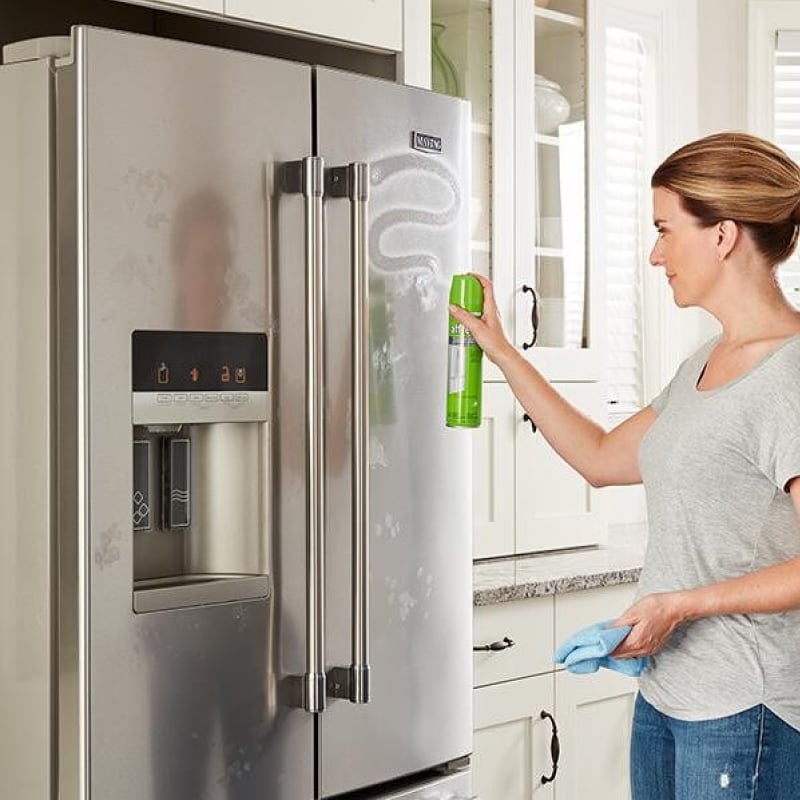
Credit: www.maytag.com
Essential Cleaning Tools
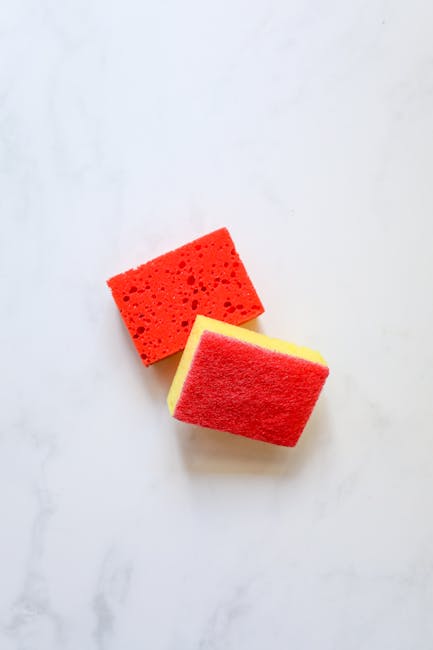
Stainless steel appliances add elegance to any kitchen. Keeping them clean requires the right tools. Essential cleaning tools help maintain their shine. They prevent scratches and preserve the appliance's look. Two must-have tools are microfiber cloths and non-abrasive sponges.
Microfiber Cloths
Microfiber cloths are gentle on stainless steel surfaces. They effectively remove dirt without scratching. Their fibers trap dust and grime effortlessly. Using them is simple. Just dampen with water and wipe the appliance. They don't leave streaks behind. This makes them perfect for daily cleaning. Microfiber cloths are reusable. Wash them regularly for best results.
Non-abrasive Sponges
Non-abrasive sponges clean without damaging surfaces. They are ideal for stubborn stains. Their soft texture protects stainless steel. Use them with a mild detergent for tough spots. They gently scrub away grime without leaving marks. Rinse and dry the surface after cleaning. Non-abrasive sponges are durable. They last longer and provide efficient cleaning.
Daily Maintenance Tips
Stainless steel appliances add a sleek and modern touch to any kitchen. Keeping them spotless can be a bit of a challenge, though. Daily maintenance is key to preserving their shine and ensuring they remain free from smudges and fingerprints. With just a few simple steps, you can keep your stainless steel looking as good as new.
Wiping Fingerprints
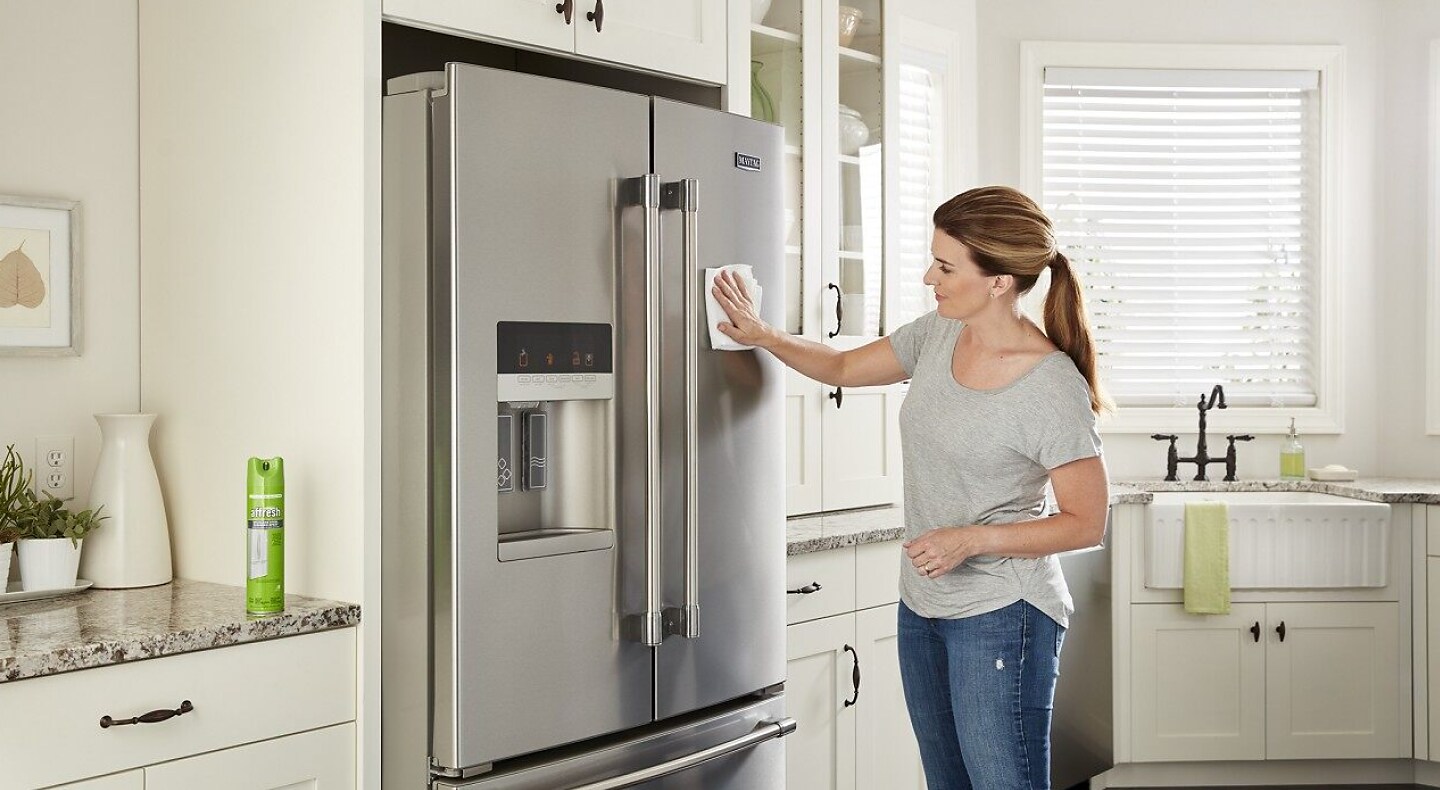
Fingerprints are inevitable, especially when you have little ones running around. A quick wipe with a soft microfiber cloth can do wonders. Avoid using harsh scrubbers or rough towels as they might scratch the surface.
Consider using a dab of dish soap mixed with water for more stubborn prints. Apply it to the cloth, not directly on the appliance, and gently wipe the area. Finish off with a dry cloth to avoid streaks.
Removing Smudges
Smudges can be persistent, but they don't stand a chance against white vinegar. A small spray bottle filled with vinegar is your secret weapon. Spray lightly onto the smudge and wipe with a microfiber cloth.
If vinegar isn’t cutting it, try adding a few drops of olive oil to your cloth. This will not only remove smudges but also add a nice shine to the surface. Remember, always buff with a dry cloth afterwards.
Have you ever wondered why some smudges just won't go away? It could be the residue from cleaning products. Ensure you're using gentle, residue-free solutions to prevent build-up. Keep experimenting with methods until you find what works best for your kitchen.
Daily maintenance might sound tedious, but consider the satisfaction of seeing your stainless steel sparkle. What's your go-to trick for keeping appliances pristine? Share your secrets in the comments below!
Credit: www.maytag.com
Deep Cleaning Techniques
Deep cleaning stainless steel appliances ensures they look their best. It removes grime, fingerprints, and stubborn stains. Regular cleaning might not reach deep-seated dirt. Use special techniques to achieve a spotless finish. Follow these methods for a sparkling kitchen.
Tackling Tough Stains
Tough stains can be challenging on stainless steel. Use a paste of baking soda and water. Apply it gently with a soft cloth. Rub in the direction of the grain. Rinse with warm water. Dry immediately with a microfiber cloth. For grease stains, use vinegar. Spray it on, then wipe with a cloth. Always dry surfaces to prevent water spots.
Polishing For Shine
Polishing brings out the shine in stainless steel. Use a commercial stainless steel cleaner. Spray it onto a clean cloth. Buff the surface in circular motions. Remember to follow the grain. Baby oil or olive oil can also work. Dab a small amount on a cloth. Buff the surface lightly for an extra shine.
Preventing Future Damage
Stainless steel appliances add elegance to your kitchen. Clean them with a soft cloth, mild soap, and water. Avoid harsh cleaners to prevent scratches and future damage.
Keeping your stainless steel appliances gleaming isn't just about regular cleaning; it's also about preventing future damage. With some simple strategies, you can maintain their shine and longevity. Let's explore how you can avoid common pitfalls and keep your kitchen looking pristine.
Avoiding Abrasives
It's tempting to reach for any cleaning product when you're in a hurry. However, using abrasive cleaners can scratch the surface of your stainless steel appliances, leaving them dull and damaged. Instead, opt for soft cloths or microfiber towels that are gentle on the surface. Consider using mild dish soap mixed with warm water for everyday cleaning. This simple solution effectively removes grime without the risk of scratching. Always wipe in the direction of the grain to maintain that beautiful finish.
Using Protective Coatings
Have you thought about using protective coatings on your appliances? These coatings act as a barrier against fingerprints, smudges, and water spots. After cleaning, apply a thin layer of mineral oil or specialized stainless steel polish. This extra step not only keeps your appliances looking new but also makes future cleaning easier. You might find yourself wiping down your fridge less often, saving you time and effort. Have you ever noticed how much longer your car stays clean after a wax? The same principle applies here. It's a small investment of time that pays off with a kitchen that always looks inviting. By making these simple changes, you’re not just cleaning; you’re caring for your stainless steel appliances. What steps will you take to protect your kitchen’s gleam?
Common Mistakes To Avoid
Avoid harsh scrubbing pads that scratch surfaces. Skip bleach-based cleaners; they cause discoloration. Always dry thoroughly to prevent water spots.
Cleaning stainless steel appliances can be a rewarding task, but it's easy to make mistakes that can lead to unsightly results or even damage. Avoiding common pitfalls can save you time, effort, and money. Let’s dive into some key mistakes to avoid to keep your appliances looking pristine.
Overlooking The Grain
One common mistake is ignoring the direction of the grain on your stainless steel. Just like wood, stainless steel has a grain, and cleaning against it can cause streaks or scratches. Have you ever noticed how wiping a surface sometimes leaves behind a trail of marks? That's often due to cleaning against the grain. Always clean in the direction of the grain for a smooth, shiny finish. Next time you grab your cloth, take a moment to inspect the surface carefully. A simple shift in your cleaning technique can make a world of difference.
Using Harsh Chemicals
Reaching for the wrong cleaner can do more harm than good. Harsh chemicals like bleach or ammonia can strip away the protective layer of stainless steel, leading to discoloration or damage. Instead, opt for a mild dish soap mixed with warm water. Even using a mixture of vinegar and water can be effective. I once learned the hard way with a streaky refrigerator door after using a strong cleaner. Ever since, a gentle approach has kept my appliances gleaming without any risk. What about you? Are you using the right cleaners? A simple change could prolong the life of your appliances and keep them looking fresh. By paying attention to these details, you can avoid common mistakes and ensure your stainless steel appliances stay in top condition.
Frequently Asked Questions
How Do I Remove Fingerprints From Stainless Steel?
To remove fingerprints from stainless steel, use a microfiber cloth dampened with vinegar. Gently wipe the surface following the grain. This method effectively cleans and adds shine. For stubborn prints, a mixture of dish soap and warm water can also be used.
Always dry with a clean cloth.
Can I Use Baking Soda On Stainless Steel?
Yes, baking soda is safe for stainless steel. Make a paste with water and apply it to the surface. Gently scrub with a soft cloth, following the grain. Rinse thoroughly with warm water and dry with a clean cloth. Baking soda effectively removes stains and restores shine.
What Should I Avoid When Cleaning Stainless Steel?
Avoid using abrasive materials or cleaners on stainless steel. Steel wool or brushes can scratch the surface. Steer clear of bleach or ammonia-based products as they can damage the finish. Always use soft cloths and mild cleaners. Following these guidelines will help maintain your appliance's appearance.
Is Olive Oil Good For Stainless Steel Polishing?
Yes, olive oil is excellent for polishing stainless steel. After cleaning, apply a small amount to a microfiber cloth. Buff the surface in the direction of the grain. This method enhances shine and helps to conceal minor scratches. Use sparingly to avoid a greasy residue.
Conclusion
Cleaning stainless steel appliances can be simple and effective. Use gentle cleaners to avoid scratches. Regular maintenance keeps them shiny. Wipe spills immediately to prevent stains. Don't forget to dry the surface after cleaning. This prevents water spots. Avoid abrasive pads that can damage the finish.
Always follow the grain when wiping. It enhances the look. A soft cloth works best. Keep your kitchen appliances clean for a fresh look. This improves their lifespan. Enjoy a sparkling kitchen with these easy tips. Happy cleaning!