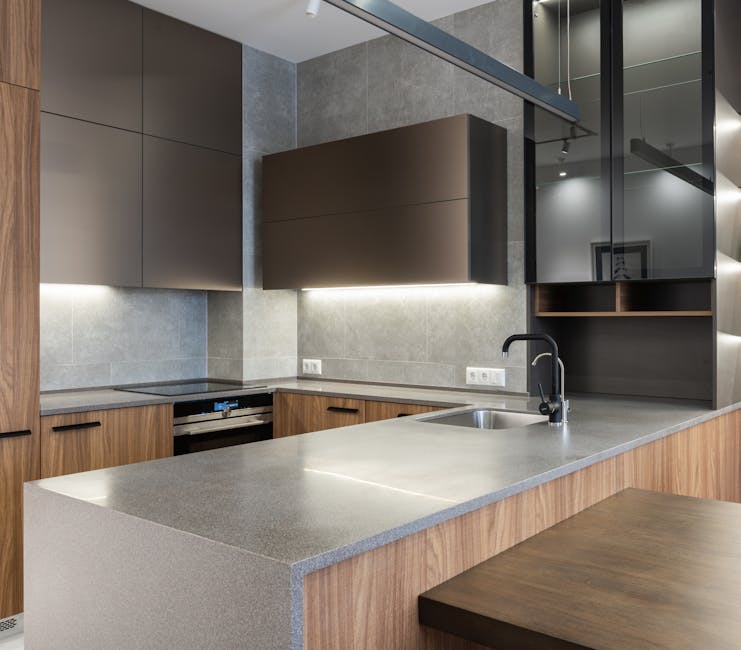

Curious about the cost of manufacturing kitchen appliances? You're not alone.
Whether you're a budding entrepreneur planning to launch your own line or simply intrigued by the process behind your everyday gadgets, understanding these costs can be eye-opening. Imagine knowing exactly what goes into the products you use daily. This knowledge not only empowers you as a consumer but also gives you a competitive edge if you're in the business.
Dive into this article to uncover the secrets of production costs, and learn how they influence the price tag of the appliances in your kitchen. Your insight starts here, and it might just change the way you see those everyday essentials.
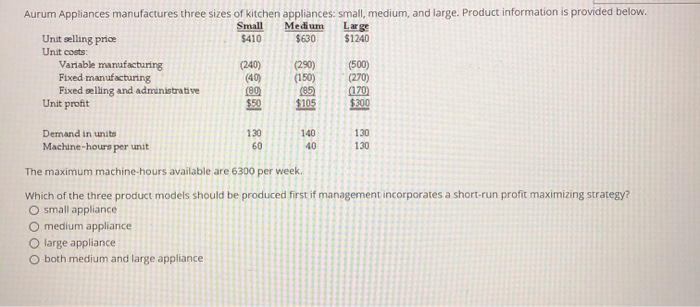
Credit: www.chegg.com
Factors Influencing Costs
Understanding the cost of manufacturing kitchen appliances involves many variables. These factors shape the final price consumers pay. By breaking down these elements, we can gain better insight.
Raw Material Expenses
Raw materials are the backbone of kitchen appliances. Metals, plastics, and glass are commonly used. Their prices fluctuate based on market trends. Scarcity or high demand can drive costs up. Sourcing quality materials at a good price is crucial. Manufacturers strive to maintain a balance between cost and quality.
Labor Costs
Skilled labor is vital in appliance manufacturing. Workers assemble, test, and ensure product quality. Labor costs vary by region and skill level. In some countries, wages are higher. This can increase overall production costs. Efficient labor management helps control expenses.
Manufacturing Techniques
Advanced techniques can reduce production costs. Automation often leads to faster production rates. It minimizes human error, increasing efficiency. Initial investment in technology can be high. Over time, it often leads to cost savings. Manufacturers must choose techniques that best suit their needs.
Research And Development
Innovation drives the appliance industry forward. Research and development (R&D) play a key role. Companies invest in R&D to create better products. This can add to initial costs. Yet, it often results in improved products that meet consumer demands. Balancing R&D investment with manufacturing costs is essential.
Types Of Kitchen Appliances
When you think about kitchen appliances, it's easy to get overwhelmed by the variety available. Understanding the different types is essential, especially when considering the cost of manufacturing these items. Let's dive into the world of kitchen appliances and explore the nuances of small, large, and smart appliances.
Small Appliances
Small appliances are the unsung heroes of your kitchen. These include toasters, blenders, and coffee makers. They are often the most affordable to manufacture due to their size and less complex technology. However, quality and brand reputation can significantly affect their production cost. Have you ever noticed how some budget-friendly blenders struggle with ice? That's often a sign of cost-cutting during manufacturing.
Large Appliances
Large appliances, such as refrigerators, ovens, and dishwashers, are a staple in every kitchen. Their manufacturing cost is notably higher due to their size and the complex engineering involved. These appliances require robust materials and technology to ensure durability and efficiency. When purchasing a refrigerator, do you consider the energy rating? That's a direct result of investment in better technology during manufacturing.
Smart Appliances
Smart appliances are the future, offering connectivity and automation. Think smart fridges or ovens you can control with your smartphone. The manufacturing cost of these appliances is elevated due to advanced technology, software integration, and sensors. These features promise convenience, but do they justify the higher price tag? As you ponder upgrading to smart technology, weigh the benefits against the cost.
Understanding these types of appliances can help you make informed choices. Whether you're a homeowner contemplating a kitchen renovation or a business looking to venture into appliance manufacturing, knowing the costs involved is crucial. Have you ever wondered if investing in smart technology is worth it? The choice is yours, and the details matter.
Supply Chain Considerations
Manufacturing kitchen appliances involves complex supply chain considerations. Effective management of this supply chain impacts production costs significantly. Each stage from sourcing materials to inventory management plays a crucial role.
Sourcing Materials
High-quality materials ensure durability and reliability. Appliance manufacturers often partner with trusted suppliers. These suppliers provide metals, plastics, and electronics. Quality checks occur frequently to maintain standards. Bulk purchasing can reduce costs, yet requires storage solutions. The choice of materials affects the appliance's final cost.
Transportation And Logistics
Efficient transportation is vital for timely delivery. Manufacturers use various modes like trucks or ships. Logistics planning helps avoid delays and extra costs. Coordination between suppliers and manufacturers is essential. Proper packaging prevents damage during transit. Lower transportation costs can reduce the overall manufacturing cost.
Inventory Management
Proper inventory management avoids overstocking and shortages. Manufacturers use software to track stock levels. Forecasting demand helps in planning production schedules. Storage costs add up, affecting the budget. Just-in-time inventory systems can save money. Efficient inventory management contributes to cost control.
Cost Analysis By Region
Manufacturing kitchen appliances varies across different regions. Each region has unique factors influencing costs. Let's explore the cost dynamics across three major regions.
North America
North America presents a high cost for manufacturing. Labor costs are significantly higher here. Advanced technologies are often used in production. This raises overall expenses. Regulations and standards are stringent. They further impact costs. Material costs also add to the total. Raw materials are often imported. This adds transportation costs too. Manufacturers must navigate these factors carefully.
Europe
Europe showcases a different landscape. Labor costs are high, similar to North America. Environmental regulations are strict. This can increase production expenses. Energy costs are a major factor. They are generally high across Europe. Advanced machinery is common. It requires significant investment. Material sourcing is crucial. Many components are sourced locally. This can sometimes reduce costs.
Asia-pacific
Asia-Pacific offers a contrasting picture. Labor costs are generally lower here. This reduces overall manufacturing costs. The region benefits from local material availability. Transportation costs are minimized. Many factories are highly automated. This improves efficiency. Countries like China and India lead in production. They offer competitive pricing. Export regulations are less stringent. This benefits international manufacturers.
Impact Of Technology
Technology significantly influences the cost of manufacturing kitchen appliances. Modern advancements streamline processes, reducing production times and costs. Companies invest in technology to boost efficiency and maintain competitive pricing. Let's explore how technology impacts appliance manufacturing.
Automation In Production
Automation plays a crucial role in appliance production. Machines handle repetitive tasks, ensuring consistency and precision. This reduces labor costs and minimizes human errors. Automated systems speed up production lines, increasing output while maintaining quality. Automation is a key factor in cost-effective manufacturing.
Advanced Manufacturing Techniques
Advanced techniques enhance manufacturing efficiency. 3D printing, for example, helps create complex parts quickly. It reduces material waste and lowers expenses. Laser cutting provides precise cuts, ensuring optimal material usage. These techniques contribute to cost savings and product quality.
Role Of Artificial Intelligence
Artificial intelligence (AI) optimizes production processes. AI systems predict maintenance needs, reducing downtime. They analyze data to improve efficiency and quality. Machine learning algorithms refine production strategies, enhancing output. AI's role in manufacturing leads to smarter, cost-efficient operations.
Sustainability And Eco-friendly Initiatives
As the world pivots towards a more sustainable future, the kitchen appliance industry is not lagging behind. Consumers are increasingly prioritizing eco-friendly products, pushing manufacturers to adopt sustainable practices. But what does this mean for the cost of manufacturing kitchen appliances? Let's explore how sustainability and eco-friendly initiatives are reshaping production costs in this dynamic industry.
Recyclable Materials
Using recyclable materials in kitchen appliances is more than a trend—it's a necessity. By choosing materials that can be reused, manufacturers not only reduce waste but also cut down on raw material costs. Imagine the satisfaction of knowing your old blender could become part of a new oven!
Manufacturers are now investing in materials like stainless steel and recycled plastics. These choices might initially increase production costs. However, they promise long-term savings and environmental benefits.
Energy Efficiency
Energy-efficient appliances are the talk of the town, and for a good reason. They save energy, reduce utility bills, and are kinder to the planet. How often do you think about the energy your refrigerator consumes while keeping your groceries fresh?
Implementing energy-efficient technology in manufacturing isn't cheap. Yet, the investment pays off by appealing to eco-conscious consumers willing to pay more for efficiency. It's a win-win for both the environment and the bottom line.
Carbon Footprint Reduction
Reducing carbon footprints is at the forefront of sustainable manufacturing. The goal is to minimize greenhouse gas emissions during production. Does your kitchen appliance manufacturer prioritize a cleaner planet in its operations?
Companies are adopting practices like sourcing locally to cut transport emissions and optimizing production processes. These steps might seem minor, but they significantly impact reducing overall carbon footprints. Such initiatives can slightly increase production costs but offer invaluable environmental benefits.
Are you ready to invest in appliances that align with your values? The next time you shop, consider the sustainable journey your potential purchase has traveled. Your choices can drive the change towards more eco-friendly manufacturing practices.
Market Trends And Consumer Preferences
Understanding the cost to manufacture kitchen appliances helps businesses align with market trends. Consumers often seek affordable, efficient products. Manufacturers must balance quality with cost to meet demand.
Understanding the cost of manufacturing kitchen appliances involves diving into market trends and consumer preferences. As consumers, our choices are constantly evolving, and manufacturers must adapt to stay relevant. What features are you looking for in your next kitchen gadget? Let's explore the trends shaping the industry.
Design Trends
Design plays a crucial role in kitchen appliance preferences. Sleek and modern aesthetics are not just for showrooms—they're what consumers want in their homes. Look at the rise of minimalist designs and bold color options; it's all about making a statement. Manufacturers are investing in materials that offer durability and style. Stainless steel continues to reign supreme, but vibrant colors and matte finishes are gaining traction. What design elements catch your eye when you shop for appliances?
Demand For Smart Features
Smart features are no longer a luxury; they're becoming a standard expectation. As technology evolves, so do our kitchens. Imagine setting your coffee maker to start brewing before you even get out of bed. Appliances with Wi-Fi connectivity and voice control are increasingly popular. They offer convenience and efficiency, making your life easier. Wouldn't you want your kitchen to work smarter, not harder?
Price Sensitivity
Price sensitivity remains a significant factor in consumer decisions. While everyone loves innovative features, not all are willing to pay a premium. Balancing quality and affordability is key for manufacturers. Consider how often you weigh the cost versus the features. Are you willing to compromise on the latest tech for a more budget-friendly option? This delicate balance shapes the offerings in the market. In conclusion, understanding these trends and preferences can guide you in making informed decisions and help manufacturers align their products with what truly matters to consumers. What trends will you embrace in your next kitchen upgrade?
_11zon.webp)
Credit: www.imarcgroup.com
Future Outlook
Exploring the cost of manufacturing kitchen appliances involves understanding material, labor, and technology expenses. Factors like design complexity and energy efficiency can greatly influence production costs. Staying informed on these aspects helps anticipate future trends and pricing.
The future outlook for manufacturing kitchen appliances is both exciting and challenging. As technology evolves, manufacturers face the task of balancing innovation with cost. With emerging technologies and shifting consumer preferences, there's a lot to consider. How will these changes affect the cost of production? And what opportunities do they present for reducing expenses while meeting consumer needs?
Emerging Technologies
Emerging technologies are reshaping the kitchen appliance industry. From smart refrigerators to AI-driven cooking assistants, these innovations promise greater convenience and efficiency. However, new technology often comes with high production costs. Manufacturers must weigh the benefits against the expenses. Will the added value justify the initial investment?
Potential Cost Reductions
With advancements in production techniques, there are opportunities to cut costs. Automation and 3D printing can streamline manufacturing processes, reducing labor expenses and material waste. Consider a personal experience: when I first saw a 3D-printed blender component, I was amazed at the precision and speed. This technology could lower costs significantly and make appliances more affordable for consumers. Could these savings be passed on to you, the consumer? Or will manufacturers reinvest in further innovation?
Changing Consumer Needs
Consumer needs are constantly evolving. Today's buyers seek energy-efficient appliances with smart features. They also demand sustainable products. Manufacturers must adapt to these preferences without inflating costs. How do they achieve this balance? By investing in research and development to discover cost-effective solutions. Reflect on your own appliance purchases. Do you prioritize energy efficiency or smart technology? Your preferences drive the market and influence manufacturing strategies. The future of kitchen appliance manufacturing hinges on technology, cost management, and consumer demands. As these elements interact, they will shape the industry's landscape. How will this impact the appliances in your home? Only time will tell.
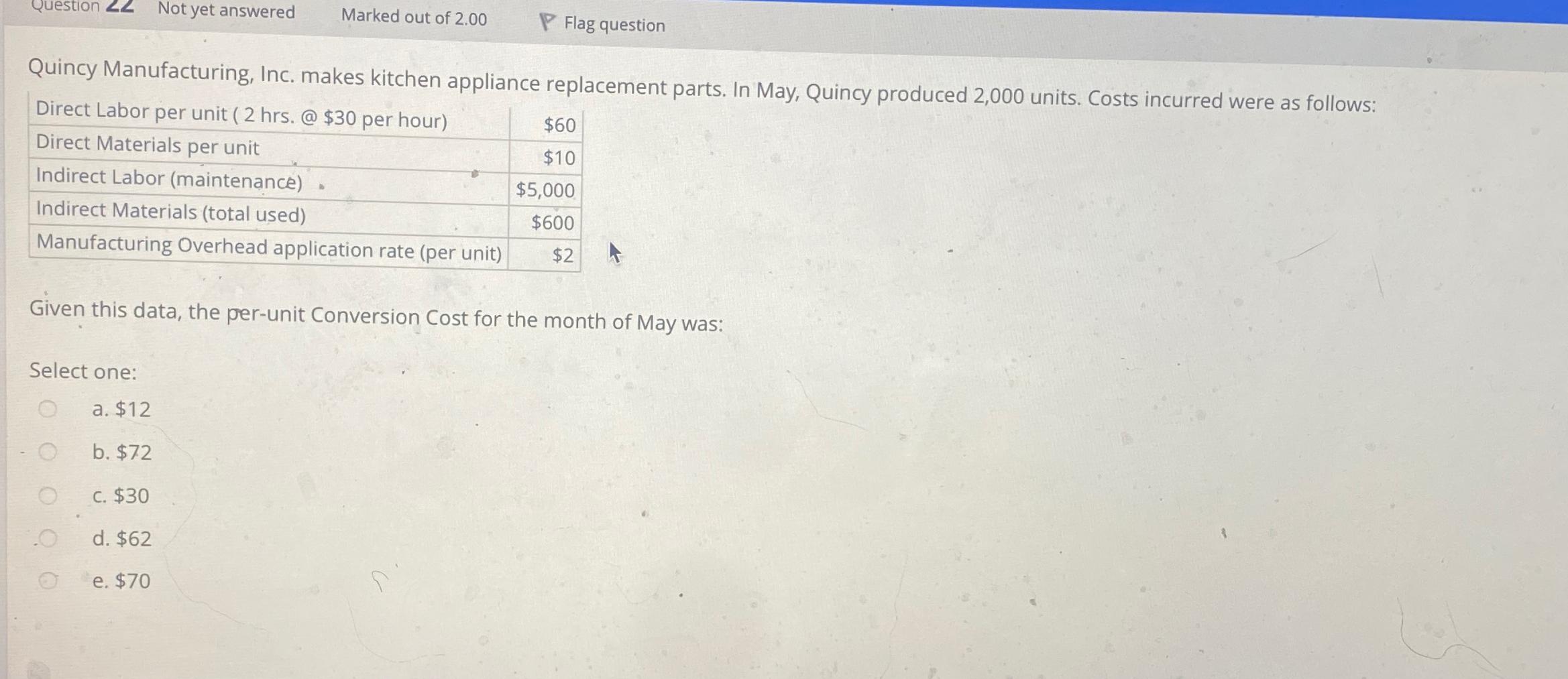
Credit: www.chegg.com
Frequently Asked Questions
What Factors Affect Kitchen Appliance Manufacturing Costs?
Manufacturing costs for kitchen appliances depend on various factors. Material quality, design complexity, and production scale influence costs. Labor expenses, technology integration, and regulatory compliance also play crucial roles. Efficient supply chain management can reduce expenses, while customization may increase costs.
Understanding these elements helps in estimating manufacturing expenses accurately.
Is Labor Cost Significant In Appliance Manufacturing?
Labor cost is a significant component in appliance manufacturing. Skilled workers are needed for assembly and quality control processes. Labor costs vary by region and expertise required. Automation can reduce labor expenses but may involve high initial setup costs. Efficient labor management ensures cost-effectiveness and maintains product quality.
How Does Technology Impact Manufacturing Expenses?
Technology plays a vital role in manufacturing costs. Advanced machinery can streamline production, reducing labor costs. However, the initial investment in technology is often high. Integrating innovative technologies can enhance product quality and efficiency. Balancing technology expenses with production benefits is essential for cost-effective manufacturing.
Are Raw Materials Crucial In Cost Estimation?
Raw materials are crucial in estimating manufacturing costs. Quality materials ensure durability and performance, impacting the appliance's price. Fluctuations in material costs affect overall expenses. Sustainable materials might increase costs but offer long-term benefits. Careful selection and management of materials help maintain cost efficiency.
Conclusion
Manufacturing kitchen appliances involves many factors. Materials, labor, and technology drive costs. Smaller appliances cost less to produce. Larger ones require more resources. Quality affects price significantly. Investing in durable materials increases expenses. Production location matters too. Local manufacturing often costs more.
Imported components can reduce expenses. Companies balance cost and quality. They aim for affordable yet reliable products. Innovations can influence pricing. Efficient processes lower production costs. Understanding these factors helps in budgeting. Consumers benefit from competitive pricing. Choosing the right appliance saves money.
Quality over quantity matters. Always consider long-term value.