
Have you ever wondered why your favorite kitchen appliances seem to cost more each year? You're not alone.
Understanding the annual price increase of kitchen appliances can feel like unraveling a mystery. It's a topic that affects your wallet and buying decisions. With each passing year, you might notice the price tags inching upward, making you question if it's the right time to upgrade your kitchen gadgets.
We'll uncover the factors driving these price hikes and what they mean for you. Whether you're planning to remodel your kitchen, replace a broken appliance, or simply stay informed, knowing how much prices increase annually can help you make smarter choices. You'll gain insights into market trends and learn tips to maximize your budget without compromising on quality. Stay with us as we delve into the details and empower you with knowledge. This could be the key to saving money and making informed decisions on your next appliance purchase.
Credit: humanprogress.org
Historical Pricing Trends
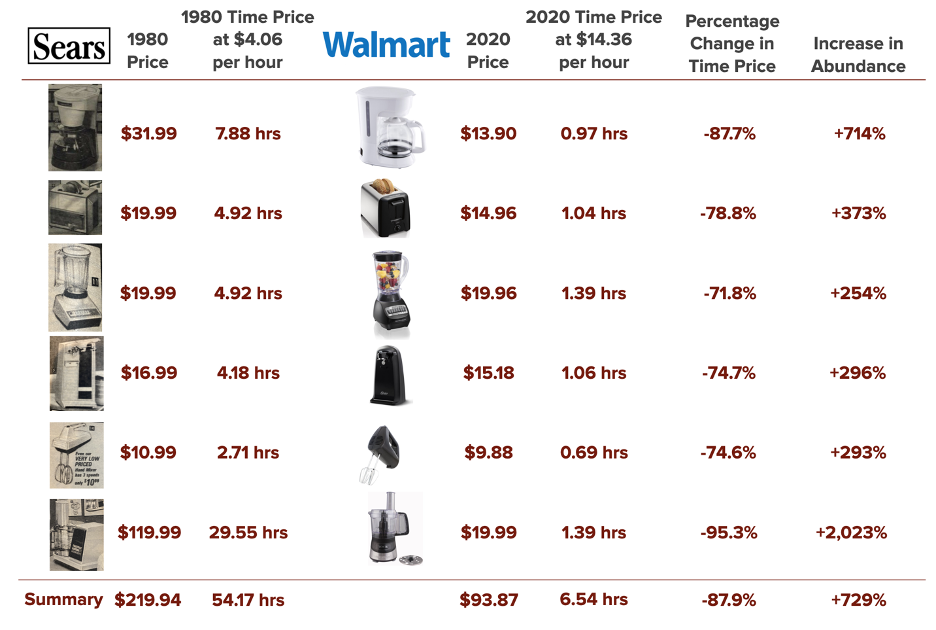
Understanding the historical pricing trends of kitchen appliances can offer valuable insights into future purchasing decisions. Have you ever wondered why the price of your favorite refrigerator seems to rise each year? It's not just inflation at play; there are other fascinating factors driving these changes. Let's dive into how the pricing landscape of kitchen appliances has evolved over the years and what this means for you.
Looking back at kitchen appliances over the decades, you’ll find a pattern. Prices have generally increased due to technological advancements and improved features. Remember the first microwave you bought years ago? It probably lacked the smart features you see today. These innovations come with a cost.
Consider the refrigerator: older models were simpler and cheaper. Today's models boast energy efficiency and smart connectivity, making them pricier. The demand for eco-friendly appliances has driven up prices, too. People are willing to pay more for products that reduce their carbon footprint.
Factors Influencing Price Increase
Several factors contribute to the yearly price hike of kitchen appliances. Firstly, material costs have risen significantly. Steel and electronic components are more expensive than ever. If you've noticed the price of your dishwasher creeping up, this might be why.
Additionally, consumer demand for smart technology is another driver. You might love the convenience of controlling your oven from your smartphone, but this feature adds to the appliance's price tag. This trend is likely to continue as technology advances further.
Impact Of Economic Changes
Economic fluctuations have a direct impact on appliance pricing. During economic booms, disposable income increases, leading to higher demand for premium appliances. Have you observed the price surge during such times?
Conversely, during recessions, manufacturers might offer discounts to boost sales. However, the baseline cost often remains higher due to production expenses. Understanding these cycles can help you time your purchases effectively.
Consumer Behavior And Pricing
Consumer preferences play a pivotal role in pricing trends. There's a growing preference for multi-functional appliances. As you opt for more versatile kitchen gadgets, manufacturers step up their game, leading to increased costs.
Moreover, brand loyalty influences prices. If you're loyal to a particular brand, you're likely to pay a premium for their latest models. This behavior encourages brands to maintain higher prices, banking on customer loyalty.
Tips For Navigating Price Increases
Wondering how to manage these price hikes? Timing your purchases can make a difference. Buying during off-peak seasons often yields better deals. Consider purchasing appliances just before new models are released.
Be on the lookout for sales and promotions. Many retailers offer discounts during holidays or special events. Stay informed and plan your purchases around these opportunities.
Ultimately, understanding historical pricing trends empowers you to make smarter buying decisions. Next time you're in the market for a new kitchen appliance, remember these insights to get the best value for your money. How do you plan to adapt to these trends?
Factors Influencing Price Changes
Kitchen appliance prices often change each year. Various factors play a role in these adjustments. Understanding these elements can help consumers make informed purchasing decisions.
Raw Material Costs
Raw materials have a significant impact on appliance prices. Metals like steel and aluminum are essential for manufacturing. When their prices rise, appliance costs can increase too. Global demand can affect these material costs. Natural events or trade policies might also lead to fluctuations. Manufacturers need to balance these costs to remain competitive.
Technological Advancements
Technology in kitchen appliances evolves rapidly. New features and innovations often come with higher prices. Smart appliances use advanced technologies, adding to production costs. Energy-efficient models may require more expensive components. Consumers often pay a premium for these enhanced capabilities. This trend impacts annual price adjustments.
Supply Chain Challenges
Supply chain issues can greatly affect appliance pricing. Disruptions in transportation or production can lead to higher costs. Natural disasters or political unrest may delay shipments. These delays often cause price increases. Manufacturers must adjust to these challenges, impacting the final price. Efficient supply chains are crucial for stable pricing.
Comparative Analysis By Appliance Type
Understanding how much kitchen appliance prices increase each year can help you plan your budget smartly. By comparing different types of appliances, you gain insights into where your money should go. Let’s dive into the specifics.
Refrigerators
Refrigerators tend to have a steady price increase, often around 5% per year. Consider the impact of energy efficiency advancements. These innovations usually drive prices up but promise long-term savings on electricity bills.
Think about the last time you bought a refrigerator. Did you notice the difference in features and price compared to your previous purchase? Manufacturers frequently add smart features that can bump up the cost. Are these features worth it for you?
Ovens And Stoves
Ovens and stoves show varied price increases, often influenced by technology and design trends. You might notice a 3-7% rise annually. Gas stoves maintain a steadier price compared to electric ovens due to fewer technological changes.
Remember the sleek design of the latest oven you admired? Design improvements can lead to higher prices. If you're not keen on aesthetics, sticking to basic models might save you money.
Dishwashers
Dishwashers often see a price increase of around 4% yearly. Advanced features like eco-friendly modes and smart technology contribute to this rise. However, basic models remain relatively affordable.
Have you ever been torn between a basic and a high-tech dishwasher? While the added features sound appealing, weigh them against your needs and budget. Are you ready to invest more for convenience?
Comparing appliance types helps you understand where your money goes. Do you prioritize energy efficiency, design, or technology? By analyzing these aspects, you can make informed decisions that align with your budget and lifestyle.
Regional Price Variations
Kitchen appliance prices can vary greatly by region, often increasing around 3-5% annually. Factors like local demand and shipping costs influence these variations. Understanding these trends helps consumers make informed purchasing decisions.
Understanding the regional price variations of kitchen appliances can save you money and time. The cost of these essential home items doesn’t just depend on their brand or features. Where you live can significantly influence how much you pay. Whether you're in a bustling city or a quiet rural area, the location can affect price increases year after year. Let's explore how regional factors play a role.
Economic Disparities
The economic health of an area impacts appliance prices. Cities with a high cost of living typically see more pronounced price hikes. For example, a refrigerator might cost more in San Francisco than in a small town in the Midwest. Why is this? It's not just the brand or model. Higher operational costs for retailers in expensive areas lead to higher prices for you. Are you paying more than you should because of where you live?
Supply Chain Challenges
Supply chain dynamics vary by region. Coastal areas might experience different challenges compared to landlocked regions. If your region relies heavily on imports, disruptions can spike prices. An appliance that’s affordable in one area may be more expensive in another due to shipping costs. Are you aware of how logistics affect your purchases?
Local Demand And Preferences
Demand for certain appliances can differ based on regional preferences. In warmer climates, air conditioners might see more frequent price increases. Meanwhile, colder regions might experience this with heaters or ovens. Retailers adjust prices based on what locals buy most. Does your region’s climate influence the appliances you prioritize?
Retail Competition
The level of competition among retailers also affects prices. More competition in urban centers can lead to competitive pricing. However, in less populated areas, fewer choices can mean higher prices. Consider exploring online options if local prices seem steep. Are you comparing prices effectively to get the best deal?
Seasonal Sales And Discounts
Some regions have distinct sales periods. For instance, northeastern states might have post-winter appliance sales. Understanding your area's sales trends can help you time your purchases. Are you maximizing savings by aligning with local sales cycles? Regional price variations in kitchen appliances are influenced by multiple factors. By understanding these, you can make informed decisions and potentially save money. Next time you're shopping, consider how your location affects the price tag. Are you ready to navigate these variations to your advantage?
Impact Of Consumer Demand
Consumer demand directly affects kitchen appliance prices, often causing annual increases. These price hikes usually reflect material and production costs. Understanding demand patterns can help anticipate future price changes, aiding in budget planning for new appliances.
The impact of consumer demand on the price increase of kitchen appliances each year is significant. As more people seek innovative designs and advanced features, manufacturers respond by upgrading their offerings, which often leads to price hikes. But how exactly does consumer demand drive these changes?
Understanding Consumer Demand
Consumer demand is a powerful force. When people clamor for the latest gadgets, manufacturers listen. They introduce smarter refrigerators, multifunctional ovens, and energy-efficient dishwashers. The desire for modern conveniences pushes prices up as companies invest in new technologies. But what do you want from a kitchen appliance? Perhaps it’s speed, efficiency, or sleek design. Your preferences shape the market. When manufacturers see a trend, they act quickly to meet your needs, even if it means higher costs.
Market Trends And Price Fluctuations
Market trends shift rapidly. One year, energy efficiency might be the buzzword; the next, it’s connectivity. Every trend impacts the pricing of kitchen appliances. As soon as a new feature becomes popular, demand surges, and prices follow suit. Consider the rise of smart appliances. Suddenly, having a refrigerator that can order groceries is not just a luxury; it's a trend. This demand leads to increased production costs and, consequently, higher retail prices.
Practical Insights For Budget-conscious Shoppers
For budget-conscious shoppers, navigating these price fluctuations can be tricky. You might wonder if waiting for a sale is better or if buying last year’s model will save you money. Often, purchasing older models can be a smart choice. They offer solid performance without the hefty price tag of the latest releases. Think about your actual needs. Do you require a smart oven that connects to your phone, or will a basic model suffice? Assessing your priorities can help you make wiser purchasing decisions.
Questions To Ponder
How much are you willing to pay for convenience and innovation? Would a slightly older model fulfill your needs just as well? These questions can guide you in making informed choices and understanding the true impact of consumer demand on prices. Consider sharing your thoughts or experiences in the comments. Have you noticed price changes in kitchen appliances? What features are you willing to pay more for? Your insights are valuable and might help others in their buying journey.
Credit: x.com
Role Of Brand And Innovation
Kitchen appliance prices vary yearly. Brands and innovation play a big role. Some brands charge more. They offer new features. Others keep prices low. They focus on basics. Both approaches impact pricing differently.
Premium Vs. Budget Brands
Premium brands often lead with quality. Their appliances cost more. They use better materials. They offer longer warranties. This adds to their value. Customers expect them to last longer. Budget brands focus on affordability. They use simpler designs. Their appliances do the job. But they lack extra features. Both types have loyal customers.
Impact Of Smart Technology
Smart technology changes kitchen appliances. It adds convenience. Many appliances connect to phones. They offer remote control. Some adjust settings automatically. This tech often costs more. It attracts tech-savvy buyers. But not everyone needs these features. Basic models remain popular.
Future Projections
Kitchen appliances may see a yearly price increase of 2-5% due to inflation and rising manufacturing costs. Expect variations based on brand and technology advancements.
Future Projections As kitchen appliances play an essential role in our daily lives, predicting their price trends can help you make smarter purchasing decisions. By understanding future projections, you can plan better and budget effectively for your dream kitchen. Let's dive into some expected economic influences and emerging market trends that might affect the cost of kitchen appliances in the coming years.
Expected Economic Influences
Economic factors, such as inflation and currency fluctuations, can significantly impact the price of kitchen appliances. For instance, a rise in inflation can increase manufacturing costs, which in turn might lead to higher prices for the end consumer. You might find yourself paying more for the same appliance compared to a few years ago. Additionally, tariffs and trade policies can play a crucial role in price changes. Consider how global trade agreements or import duties might affect costs. If a major appliance-producing country faces trade restrictions, you could see a rise in prices due to limited supply. Have you ever noticed how prices spike during economic downturns? During such times, manufacturers might pass on increased costs to consumers, leading to price hikes. It's worth keeping an eye on these economic indicators to anticipate potential price increases.
Emerging Market Trends
The rise of smart technology in kitchen appliances is a trend that's hard to ignore. As manufacturers integrate advanced features like IoT connectivity and energy-saving technologies, the demand—and consequently, prices—might increase. You might soon find yourself weighing the benefits of these smart features against their cost. Sustainability is another trend shaping the future of kitchen appliances. As consumers prioritize eco-friendly products, manufacturers are investing in energy-efficient designs. While these appliances might come with a higher upfront cost, they often offer long-term savings on energy bills. Have you considered how consumer preferences influence market trends? As preferences shift towards convenience and efficiency, manufacturers are likely to innovate, adding features that cater to these needs. These innovations could lead to both higher costs and new opportunities for savings. By staying informed about these economic influences and market trends, you can make informed decisions when planning your next kitchen upgrade. How will these projections shape your future appliance purchases?
Tips For Consumers
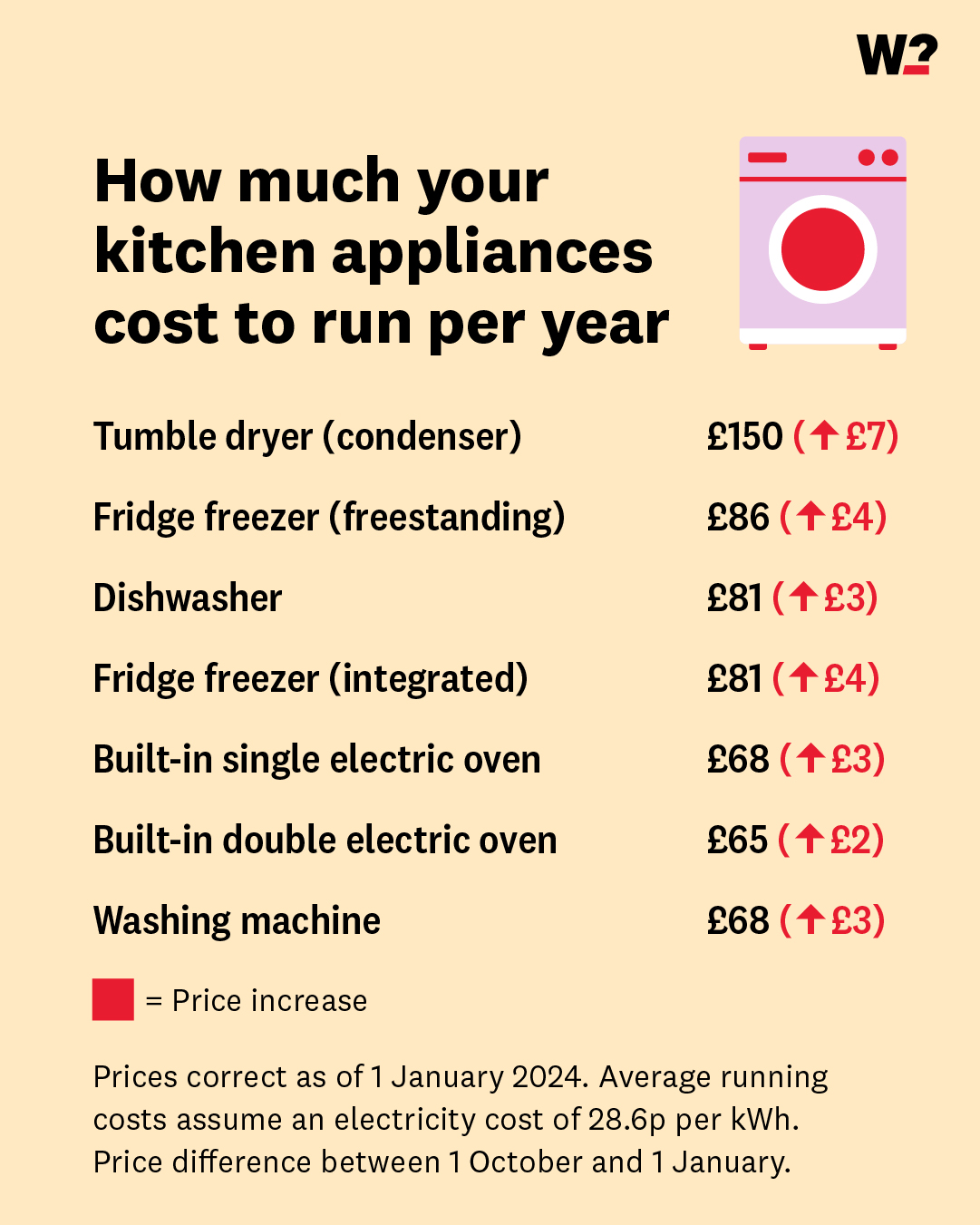
Keeping an eye on kitchen appliance prices can save you money. Prices can rise due to inflation and demand. Being smart about when and how you purchase can make a big difference. Here are some useful tips for consumers to consider.
Timing Purchases
Timing matters when buying kitchen appliances. Many stores offer discounts during holiday sales. Black Friday and Cyber Monday are popular times for deals. End-of-year sales also offer good prices. Buying at these times can lead to big savings.
Considering Alternatives
New models often come with higher prices. Consider buying last year’s model instead. They have similar features at a lower cost. You might also explore refurbished appliances. They are inspected and come with warranties. This option can help you save money while getting quality products.

Credit: www.gminsights.com
Frequently Asked Questions
How Much Do Kitchen Appliance Prices Increase Yearly?
Kitchen appliance prices typically increase by 3-5% annually. This is due to factors like inflation, material costs, and technological advancements. Monitoring market trends can help consumers anticipate price changes and budget accordingly. Comparing different brands and models can also ensure the best value for your money.
What Factors Affect Kitchen Appliance Price Increases?
Several factors influence kitchen appliance price increases. These include inflation, technological advancements, and material costs. Additionally, changes in supply chain dynamics and consumer demand can impact prices. Keeping an eye on these factors can help you make informed purchasing decisions.
Are Kitchen Appliance Prices Consistent Across Brands?
Kitchen appliance prices vary across brands. Factors like brand reputation, quality, and features contribute to price differences. Premium brands may charge more for advanced features and durability. It's important to compare different brands and models to find the best fit for your budget and needs.
How Can I Save On Kitchen Appliance Purchases?
To save on kitchen appliances, shop during sales events and compare prices online. Consider purchasing last year's models for discounts. Additionally, look for bundled deals or package offers. Researching and planning your purchase can result in significant savings without compromising on quality.
Conclusion
Understanding kitchen appliance price trends helps plan budgets wisely. Prices may rise due to technology, materials, or demand. Keeping track of these factors aids smart purchasing decisions. By researching brands and comparing costs, you save money over time. Regularly check for sales or discounts to offset annual increases.
Awareness of market trends benefits consumers and helps make informed choices. A well-informed buyer considers both price and quality. Investing in durable appliances ensures long-term value. Stay updated with market shifts to make the best decisions for your kitchen needs.