
Imagine stepping into your dream outdoor kitchen, where every element is perfectly placed for both functionality and style. But wait, have you thought about the space between your appliances?
You might not realize it, but this could be the secret ingredient to creating an efficient and enjoyable cooking space. Proper spacing isn't just about aesthetics; it’s about making sure your outdoor kitchen is safe, practical, and a joy to use.
In this guide, we’ll explore how much space you really need between appliances, ensuring you maximize your outdoor cooking experience. Curious about how this simple adjustment can transform your outdoor gatherings? Keep reading to find out!
Credit: backyardescapism.com
Ideal Space For Grills
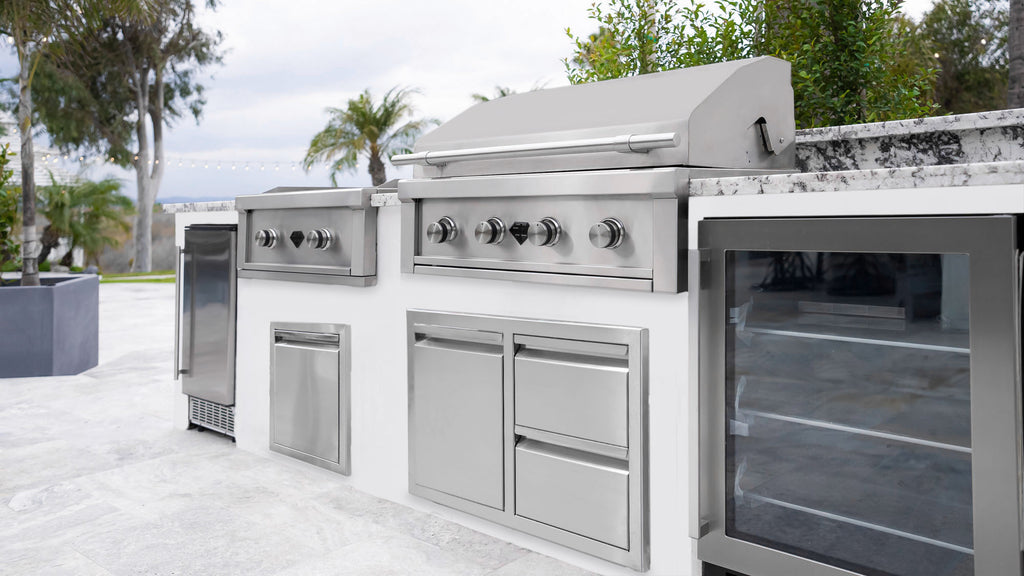
Creating the perfect outdoor kitchen involves planning every detail. Grills are central to the design. Finding the ideal space for grills is crucial. It impacts functionality and safety. Proper placement ensures easy access and cooking efficiency. Spacing affects heat management and ventilation.
Placement And Ventilation
Grills need room for air circulation. Proper ventilation keeps smoke away from seating areas. A grill should be at least 24 inches from other appliances. This distance helps prevent heat buildup. Place grills away from walls to avoid fire risks. Ensure there’s enough space for opening the grill lid.
Safety Considerations
Safety is vital in outdoor kitchen design. Maintain a safe distance from combustible materials. Ensure grills are not near wooden structures. Avoid placing grills under overhanging trees. Keep flammable items away from heat sources. Consider wind direction and grill placement. This prevents smoke from blowing into your home.
Optimal Distance For Refrigerators
Creating the perfect outdoor kitchen isn't just about having the right appliances; it's about ensuring they are positioned effectively for functionality and flow. When planning the layout, the optimal distance for refrigerators is crucial. This decision impacts both usability and efficiency. Imagine reaching for a cold drink without having to navigate around a crowded space. You want your fridge close enough for easy access yet far enough to avoid any potential issues. Let's break down the key considerations.
Access And Convenience
Think about how often you’ll be reaching into your refrigerator. If it's too far from your main cooking area, it becomes a hassle. You might find yourself making unnecessary trips back and forth. Position your refrigerator within easy reach of your grill and prep station.
Consider the flow of your outdoor kitchen. You want a setup that allows seamless movement between tasks. A strategically placed refrigerator enhances the cooking experience, making it more enjoyable and efficient.
Temperature Management
Outdoor conditions can affect your refrigerator's performance. Direct sunlight can cause fluctuations in temperature, impacting the efficiency of cooling. Aim to place your refrigerator in a shaded area to maintain optimal temperature.
Spacing is also important for ventilation. Sufficient distance between the refrigerator and other appliances prevents overheating. This ensures your refrigerator runs smoothly and prolongs its lifespan.
Have you ever considered how weather conditions might affect your outdoor kitchen setup? Protecting your appliances from the elements can save you time and money in the long run. Be proactive in your planning to avoid these pitfalls.
Finding the right balance in your outdoor kitchen layout involves more than aesthetics. The practical placement of your refrigerator can dramatically improve your overall cooking experience. Keep these insights in mind, and you'll create a space that’s both functional and enjoyable.
Spacing For Sinks And Prep Areas
Designing an outdoor kitchen requires thoughtful planning. Spacing between appliances, especially sinks and prep areas, plays a crucial role. Proper spacing ensures functionality and ease of use. It allows for efficient movement and workflow. It is important to consider how each area supports cooking and cleaning tasks. Every inch matters in creating a space that is both practical and inviting.
Efficient Workflow
A well-organized kitchen enhances the cooking experience. Sinks and prep areas need to be placed strategically. This placement should allow for a seamless workflow. Chefs should move from one task to another without obstacles. The ideal space between the sink and prep area is about 36 inches. This distance facilitates smooth transitions between washing and preparing food.
Water Drainage Needs
Effective water drainage is essential in outdoor kitchens. Proper spacing helps manage water flow and prevent pooling. The sink should be positioned to ensure easy access to drainage systems. A distance of at least 18 inches between the sink and drainage area is recommended. This allows for efficient water disposal and maintenance of a clean space.
Clearance For Storage Cabinets
Ensure a safe and functional outdoor kitchen by allowing at least 12 inches between appliances. This space prevents overheating and ensures easy access. Proper clearance for storage cabinets enhances organization and safety.
Creating the perfect outdoor kitchen involves more than just choosing the right grill or sink. One crucial aspect is ensuring you have enough clearance for storage cabinets. Proper spacing not only enhances functionality but also provides a seamless cooking experience. Without adequate clearance, you might find yourself struggling to access essentials or worse, causing damage to your cabinets.
Accessibility
Imagine hosting a summer barbecue and struggling to open a cabinet because it's squeezed too tightly between appliances. Frustrating, right? Ensuring accessibility is key. A good rule of thumb is to leave at least 12-18 inches of space between cabinets and appliances. This allows you to move freely and access your storage without any hassle. Think about how you use your kitchen. Do you often reach for utensils or spices while cooking? Make sure those frequently used items are easy to grab. Placing cabinets within arm’s reach of your cooking station ensures you have everything you need without interrupting your flow.
Weather Protection
Outdoor kitchens face the elements daily. Rain, wind, and sun can affect your storage cabinets if not properly protected. Space between appliances and cabinets can help improve air circulation, reducing moisture buildup that might lead to mold or warping. Consider investing in weather-resistant materials for your cabinets. Stainless steel or marine-grade polymer offer durability against the elements. Don’t forget to check for gaps that could allow water to seep in. A little extra space can make a big difference in extending the life of your cabinets. Have you ever thought about how weather changes can affect your outdoor kitchen's longevity? Taking preventive measures now can save you from costly repairs later. By focusing on accessibility and weather protection, you can design a functional and resilient outdoor kitchen. What steps will you take to ensure your outdoor space is both beautiful and practical?
Integrating Dining Spaces
Integrating dining spaces into your outdoor kitchen enhances functionality. It offers comfort and promotes social interaction. The right setup ensures everyone enjoys the environment. This is particularly important for gatherings and family meals. Achieving this requires thoughtful planning.
Comfortable Seating Arrangements
Comfortable seating boosts the dining experience. Use durable materials that withstand outdoor conditions. Arrange chairs and tables for easy movement. Ensure seats offer good back support. Consider the number of guests you expect. This helps in choosing the right amount of seating.
Space between furniture pieces matters. It allows guests to move without difficulty. A gap of at least three feet is ideal. This prevents overcrowding and enhances comfort.
Proximity To Cooking Stations
Dining spaces should be near cooking stations. This makes serving food more convenient. Keep a clear path between the two areas. This ensures safety and smooth traffic flow.
Maintain a safe distance from grills and hot surfaces. A minimum of four feet is recommended. This reduces risk while keeping interactions lively.
Consider wind direction when placing dining areas. This minimizes smoke and odors affecting diners. It enhances the overall dining experience.
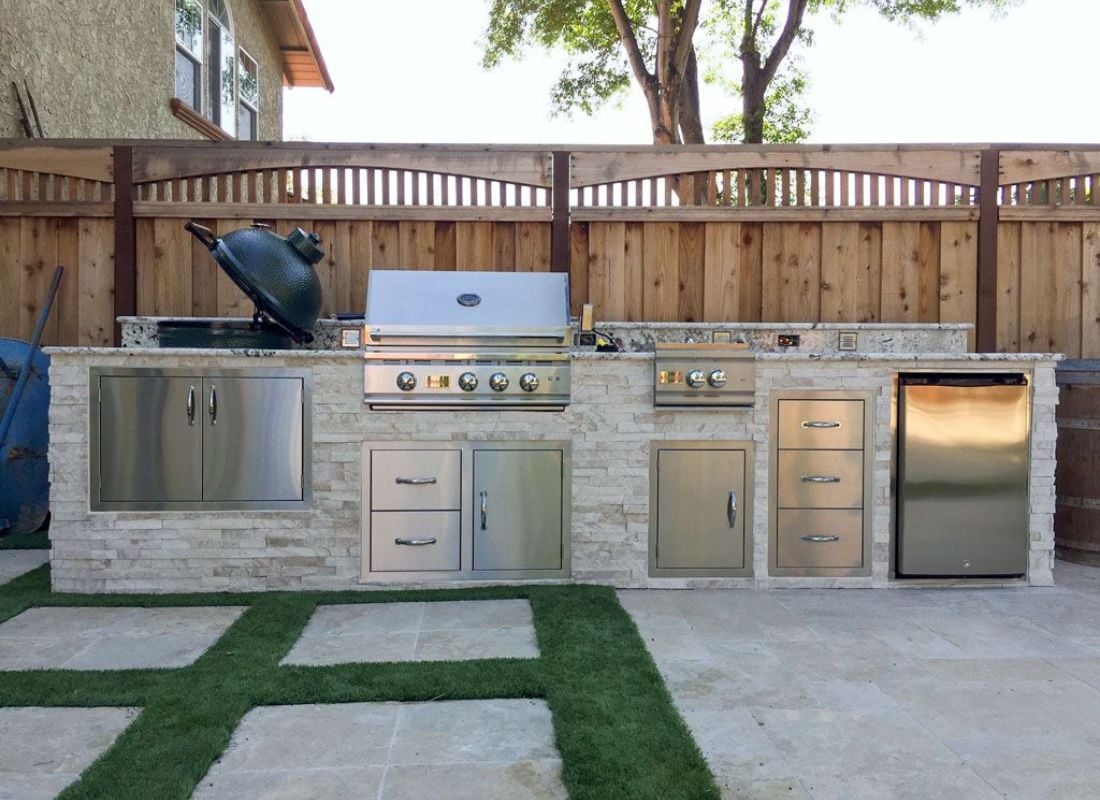
Credit: info.unlimitedoutdoorkitchen.com
Considerations For Electrical Outlets
Creating a functional outdoor kitchen requires careful planning. One critical factor is the placement of electrical outlets. These outlets power appliances and ensure convenience. Proper spacing between appliances and outlets is vital for safety and efficiency.
Appliance Connectivity
Every appliance needs a power source. Consider the cord length of each appliance. Ensure outlets are within reach. Avoid extension cords for permanent setups. This reduces clutter and potential hazards. Plan the layout to minimize appliance movement. This keeps connections secure.
Safety And Compliance
Outdoor kitchens face unique challenges. Weather can affect electrical components. Use weatherproof outlets for protection. Safety codes regulate outlet placement. Follow local guidelines for compliance. This prevents accidents and ensures reliability. Regular checks maintain safety standards.
Balancing Aesthetics And Functionality
Ensure the perfect blend of beauty and utility in your outdoor kitchen by spacing appliances wisely. Leave at least 12-18 inches between each unit. This gap allows for easy movement, enhancing both safety and convenience while cooking outdoors.
Balancing aesthetics and functionality in an outdoor kitchen is crucial. The right space between appliances ensures a sleek look and smooth operation. A well-designed layout adds to the kitchen's beauty. It also makes cooking and entertaining more enjoyable. Finding this balance requires careful planning. Consideration of both design and practical needs is key.
Design Harmony
Achieving design harmony means aligning all elements seamlessly. Each appliance should complement the others. This requires thoughtful spacing to prevent clutter. A clear flow between appliances enhances usability. It allows easy movement while cooking. Visual balance creates a pleasant atmosphere. It also makes the space inviting and stylish. Prioritize symmetry where possible. This adds to the kitchen's overall appeal.
Material Choices
Material choices affect both aesthetics and functionality. Durable materials withstand weather conditions. They also maintain the kitchen's look over time. Stainless steel is a popular choice. It's strong and modern. Stone and tile add texture and warmth. Choose materials that match your style. Also, consider the ease of cleaning. This keeps the space looking fresh. Proper material selection ensures longevity and beauty.
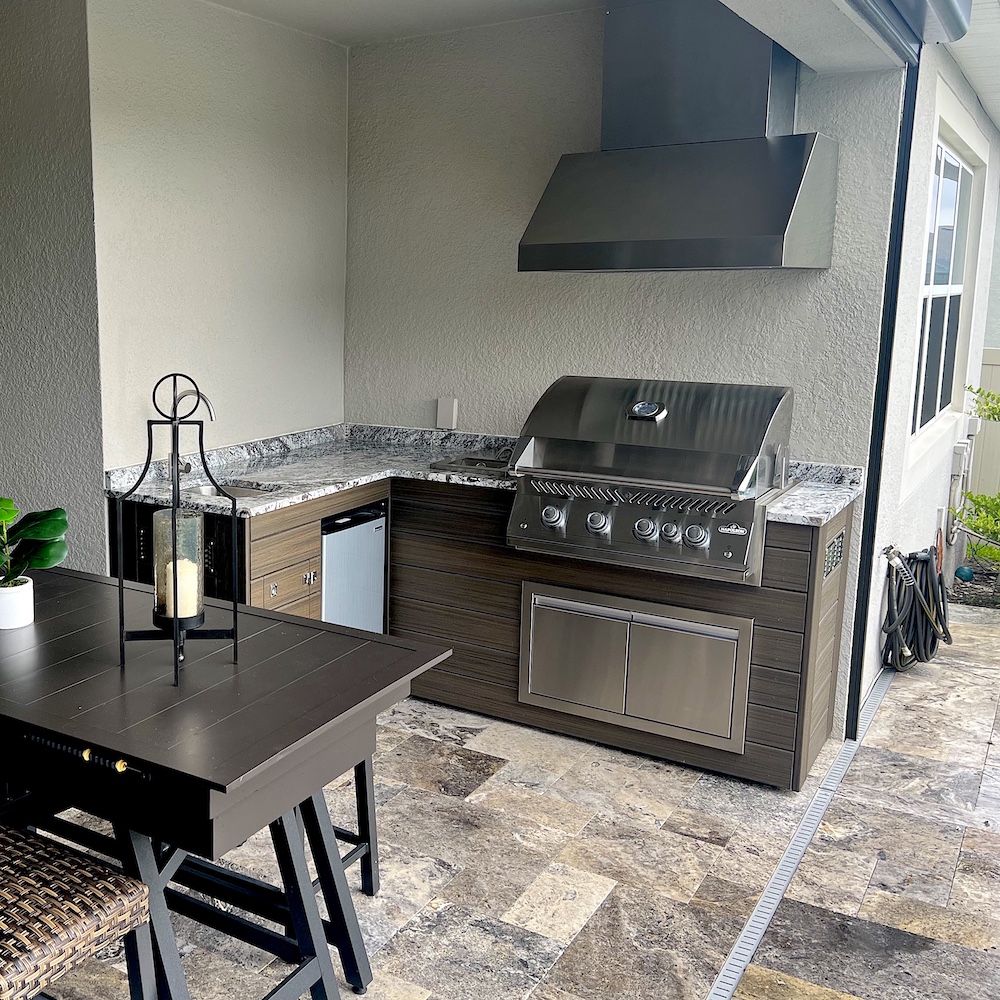
Credit: completeoutdoorliving.com
Frequently Asked Questions
What Is Ideal Space Between Outdoor Kitchen Appliances?
The ideal space between appliances is typically 12-24 inches. This distance ensures proper airflow and accessibility. It also helps prevent heat damage and allows for safe operation. Consider your kitchen layout and appliance sizes when planning spacing.
Why Is Spacing Important In Outdoor Kitchens?
Spacing ensures safety and functionality in outdoor kitchens. Proper distance prevents heat damage and facilitates efficient airflow. It also provides room for movement and accessibility, enhancing the cooking experience.
How Do Appliance Sizes Affect Spacing?
Appliance sizes dictate necessary spacing in outdoor kitchens. Larger appliances need more room for ventilation and access. Always consider manufacturer guidelines and your kitchen layout to ensure optimal spacing.
Can Spacing Impact Appliance Performance?
Yes, improper spacing can affect appliance performance. Limited space may cause overheating and reduce efficiency. Adequate spacing ensures appliances function optimally and enhances safety during use.
Conclusion
Outdoor kitchen spaces need careful planning. Proper spacing ensures safety and comfort. Measure gaps between appliances to avoid accidents. Keep enough room for easy movement. This makes cooking enjoyable. Space affects appliance performance too. Crowded setups might cause heat issues.
Adequate spacing helps ventilation. It also improves usability. Your outdoor kitchen will be more functional. Guests will have a pleasant experience. So, plan wisely. Consider both safety and convenience. Create a space you love using.