
Are you dreaming of a kitchen that perfectly blends style, functionality, and state-of-the-art appliances? You’re not alone.
Many homeowners are eager to transform their kitchens into culinary havens, but one question often lingers: How much will it cost to remodel a kitchen, including appliances? Understanding the financial aspects is crucial to turning your vision into reality without unwanted surprises.
In this guide, we’ll delve into the various factors that impact the cost of a kitchen remodel, helping you make informed decisions and keep your budget in check. Stick around to discover tips and tricks that could save you money while ensuring your kitchen becomes the heart of your home.
Credit: www.cliqstudios.com
Factors Affecting Kitchen Remodel Costs
Remodeling a kitchen can be a daunting task, especially with costs involved. Many factors can affect the overall expense of the project. Understanding these elements helps in planning and budgeting. Let's explore the key factors that influence kitchen remodel costs.
Size And Layout
The size and layout of your kitchen play a big role in the cost. Larger kitchens require more materials and labor. The layout affects plumbing and electrical work. A simple layout is less expensive. An intricate design can increase costs significantly.
Materials And Finishes
Choosing materials and finishes impacts your budget. High-quality materials like granite are costly. Cheaper alternatives like laminate reduce expenses. Finishes like custom cabinetry add to the cost. Standard finishes keep the budget in check.
Labor And Contractor Fees
Labor costs vary depending on the complexity of the remodel. Hiring skilled contractors increases costs. DIY projects can save money but require time. Contractor fees also depend on their experience and reputation.
Geographic Location
Your location affects kitchen remodel costs. Urban areas often have higher labor fees. Material costs vary by region. Local building codes might require additional work. Understanding regional price differences helps with budgeting.
Budgeting For A Kitchen Remodel
Remodeling a kitchen can breathe new life into your home. It's exciting and challenging. Setting a budget is the first step. This helps control costs and manage expectations. Planning wisely ensures you get the best value for your money.
Setting A Realistic Budget
Start with a clear vision of your dream kitchen. List all the features and appliances you want. Research their costs online or at local stores. Include labor costs for installation and upgrades. This helps estimate the total cost. Aim for a budget that matches your financial capacity. Avoid stretching beyond your means.
Prioritizing Features
Focus on essential features first. Cabinets and countertops often take up a large part of the budget. Choose quality materials that fit your lifestyle. Energy-efficient appliances reduce long-term costs. Consider their importance before luxury items. This ensures functionality and style within budget.
Hidden And Unexpected Costs
Prepare for surprises during remodeling. Old plumbing might need repairs. Electrical systems might require upgrades. Factor these into your budget from the start. Set aside funds for unexpected expenses. This prevents stress and delays. A well-planned budget handles unforeseen costs with ease.
Cost Breakdown For Remodeling
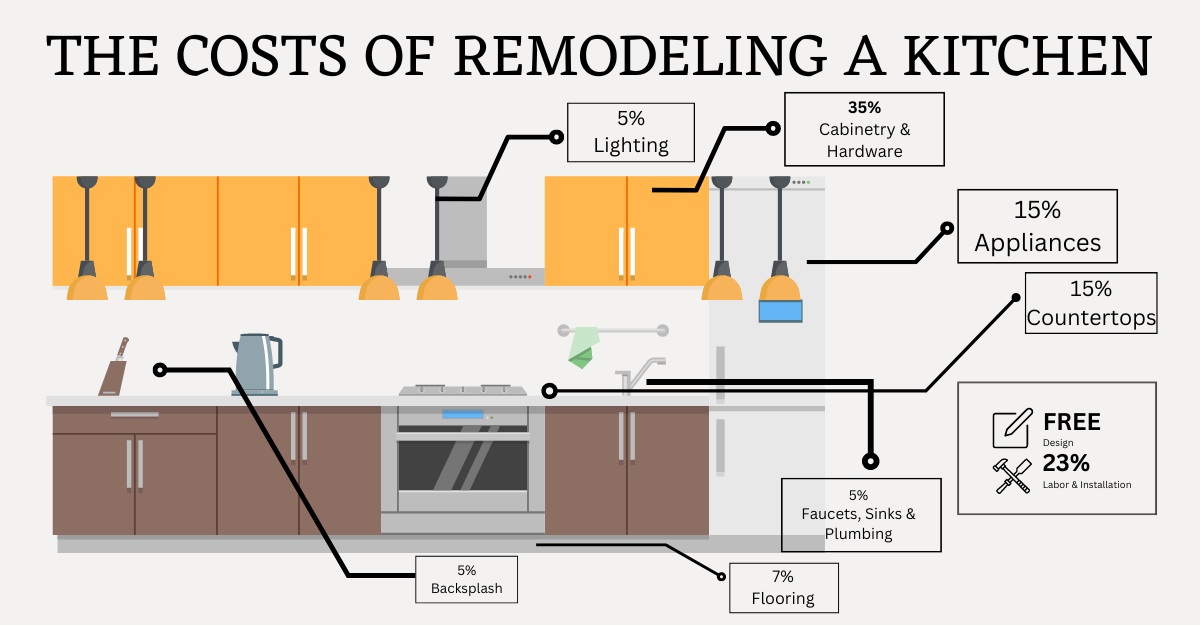
Remodeling a kitchen is a significant investment. Understanding the cost breakdown is essential. Many elements contribute to the total expense. This includes cabinetry, countertops, flooring, lighting, plumbing, and electrical work. Each component has its price range, influencing the final budget.
Cabinetry And Countertops
Cabinetry often represents a large portion of the budget. The price varies based on material and design. Custom cabinets are more expensive than stock options. Countertops come in various materials like granite, quartz, or laminate. Granite and quartz are high-end choices, increasing costs. Laminate is a budget-friendly alternative.
Flooring And Lighting
Flooring choices affect overall spending significantly. Hardwood and tile are popular but costly. Vinyl and laminate flooring are cheaper options. Lighting enhances the kitchen's ambiance. Recessed lights and pendant fixtures can be pricey. LED lights are energy-efficient and save money long-term.
Plumbing And Electrical
Plumbing updates might be necessary for appliance installations. Costs depend on complexity and existing systems. Electrical work involves wiring for lighting and appliances. Older homes may need electrical upgrades. This adds to the overall cost of remodeling.

Credit: boxconstructioncorp.com
Appliance Costs And Considerations
Choosing appliances for your kitchen remodel is important. They impact both function and style. Costs vary based on features and brands. Understanding appliance costs helps you budget wisely.
Consider energy efficiency, brand quality, and maintenance. These factors influence both price and long-term value.
Energy-efficient Options
Energy-efficient appliances save money over time. They use less electricity and water. Look for Energy Star ratings. This label shows the appliance meets efficiency standards.
Though they may cost more upfront, energy-efficient models reduce utility bills. This makes them a smart long-term investment.
Choosing Quality Brands
Quality brands offer reliable performance and durability. They often come with warranties and good customer service. Research brands known for kitchen appliances. Read reviews and compare features.
Spending more on a trusted brand can save repair costs later. A reliable appliance lasts longer and works better.
Installation And Maintenance
Proper installation ensures appliances work correctly. Hire professionals for installation if needed. This prevents damage and ensures safety.
Consider maintenance costs, too. Regular upkeep extends the life of your appliances. Clean and check them to keep them running smoothly.
Remember, care today means fewer problems tomorrow.
Ways To Save On Kitchen Remodeling
Kitchen remodeling costs, including appliances, can be reduced by budgeting and comparing prices. Choosing energy-efficient appliances and considering DIY options help save money. Planning ahead and seeking deals on materials can further cut expenses.
Remodeling a kitchen can feel overwhelming, especially when the costs start to add up. But fear not, there are plenty of savvy ways to save money without sacrificing style or quality. Whether you're a DIY enthusiast or prefer the expertise of professionals, with a little planning and creativity, your dream kitchen can become a reality without breaking the bank. Let's explore some practical and actionable insights to help you save on your kitchen remodel.
Diy Vs. Professional Help
Choosing between DIY and hiring a professional is a crucial decision in your remodeling journey. If you have the skills and time, tackling projects like painting cabinets or installing a backsplash can save you significant labor costs. However, for complex tasks like electrical work or plumbing, hiring a professional can prevent costly mistakes and ensure safety. Consider your comfort level and expertise when deciding. Ask yourself: are you willing to invest the time to learn, or do you prefer peace of mind with a pro handling the job? Balancing your budget with your skills can lead to effective cost-saving decisions.
Shopping For Discounts
Keep an eye out for sales, especially during holiday weekends or end-of-season clearances. Many retailers offer substantial discounts on appliances and materials during these times. Sign up for newsletters from home improvement stores to stay informed about upcoming deals. Don’t underestimate the power of negotiation. Talk to store managers and ask if there's any room for a better price, especially if you’re purchasing multiple items. You might be surprised at the savings you can secure just by asking.
Repurposing Existing Elements
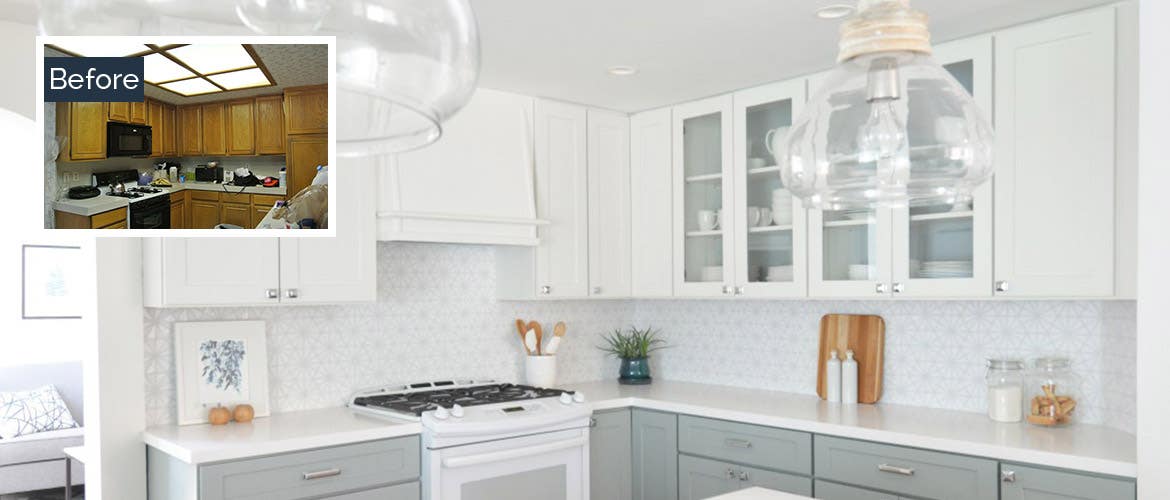
Before tearing out your entire kitchen, consider what you can keep. Repurposing existing elements like cabinets and countertops can drastically reduce costs. A fresh coat of paint or new hardware can give old cabinets a new life, saving you the expense of replacements. Think about how you can creatively use what you already have. Could you transform that old table into a stylish island? By repurposing, you not only save money but also add unique character to your kitchen. Saving money on your kitchen remodel doesn't mean compromising on style or quality. With thoughtful planning and a little creativity, you can achieve a stunning kitchen makeover while keeping your budget in check. Remember, every dollar saved is a dollar you can invest elsewhere in your home. What creative ways have you found to save on home renovations?
Credit: www.usacabinetstore.com
Financing Your Kitchen Remodel
Estimating kitchen remodel costs, including appliances, often ranges from $10,000 to $50,000. Factors like materials and labor impact the total expenses. Setting a clear budget helps manage expectations and prioritize essential upgrades.
Renovating your kitchen is an exciting project, but financing it can be a daunting task. You might be wondering how to cover the costs without breaking the bank. Luckily, there are several options available to help you finance your dream kitchen, including home equity loans, personal loans, and credit card options. Each has its pros and cons, and understanding these can help you make the best decision for your financial situation.
Home Equity Loans
Home equity loans allow you to borrow against the value of your home. If you’ve built up equity over the years, this can be a smart way to fund your remodel. Interest rates are usually lower than credit cards or personal loans. However, this option requires using your home as collateral. Are you comfortable with this risk? Take time to evaluate your financial stability and consider whether the benefits outweigh the potential consequences.
Personal Loans
Personal loans provide a flexible way to finance your kitchen remodel. They don’t require collateral, which can be appealing if you don’t want to use your home as leverage. Lenders offer various terms, so you can choose one that fits your repayment ability. Interest rates can be higher than home equity loans. Have you explored different lenders to find the most competitive rates? Shopping around can save you money in the long run.
Credit Card Options
Credit cards might seem like a convenient way to finance smaller expenses in your remodel, like purchasing new appliances. Some cards offer 0% interest for an introductory period, which can be a great short-term financing solution. This can save you on interest if you can pay off the balance before the period ends. Beware of high-interest rates after the introductory period. Can you realistically pay off the balance in that time? It's essential to budget carefully to avoid falling into debt. Choosing the right financing option for your kitchen remodel involves weighing your options and considering your financial situation. Have you considered which financing option fits your needs and goals? Take the time to assess your situation carefully, and you'll be better prepared to enjoy your newly remodeled kitchen without financial stress.
Hiring The Right Contractor
Choosing the right contractor can greatly impact kitchen remodel costs, including appliances. A skilled professional ensures efficient budgeting and quality work. Consider experience and customer reviews to make an informed decision.
Hiring the right contractor can make or break your kitchen remodel. You need someone who understands your vision and budget. A good contractor ensures the process is smooth and stress-free. But how do you find the perfect fit? Consider key steps to guide your decision. These include research, interviews, and credential checks.
Research And Referrals
Start with thorough research. Explore online reviews and ratings for local contractors. Websites like Yelp or Angie's List can be helpful. Seek recommendations from friends and family. Word of mouth often leads to trustworthy professionals. Compile a list of potential contractors. This will be useful for the next step.
Interviewing And Quotes
Interviewing contractors is crucial. Prepare a set of questions. Ask about their experience with kitchen remodels. Request quotes from at least three contractors. Compare their pricing and timelines. Ensure they understand your budget. Discuss your vision in detail. This helps gauge their enthusiasm and expertise.
Checking Credentials
Always check credentials before finalizing your choice. Verify their licenses and insurance. This protects you from liabilities. Ask for references from previous clients. Follow up on these references. Learn about their experience with the contractor. Ensure they have a solid reputation and track record. This step secures peace of mind in your investment.
Frequently Asked Questions
How Much Does A Kitchen Remodel Cost?
The cost of a kitchen remodel varies widely based on size, materials, and location. On average, you can expect to spend between $12,000 to $35,000. High-end remodels can exceed $50,000. It's important to budget carefully and consider the scope of work involved.
What Factors Affect Kitchen Remodeling Costs?
Several factors influence kitchen remodeling costs, including materials, appliances, labor, and design complexity. High-end materials and custom designs increase costs. Labor rates vary based on region. Efficient planning and choosing cost-effective materials can help manage your budget effectively.
Is Remodeling A Kitchen Worth The Investment?
Remodeling a kitchen is often worth the investment due to increased home value and improved functionality. A well-designed kitchen enhances daily living and attracts potential buyers. Return on investment can vary, but kitchens are a key selling point in real estate.
How To Save Money On A Kitchen Remodel?
To save money on a kitchen remodel, consider reusing existing materials, opting for mid-range appliances, and DIY tasks. Shop for discounts and compare contractor quotes. Planning thoroughly and prioritizing essential upgrades can help manage costs effectively while achieving your desired results.
Conclusion
Remodeling a kitchen involves careful planning and budgeting. From cabinets to countertops, every detail counts. Appliances can add a significant cost. Choose wisely based on needs and style. Research helps find affordable options without sacrificing quality. Keep an eye on trends but focus on personal taste.
Compare prices for materials and labor. This ensures a balance between cost and quality. A well-planned kitchen remodel enhances home value and daily comfort. Consider professional advice for best results. A refreshed kitchen is a rewarding investment for any homeowner.
Enjoy the journey of creating your dream kitchen space.