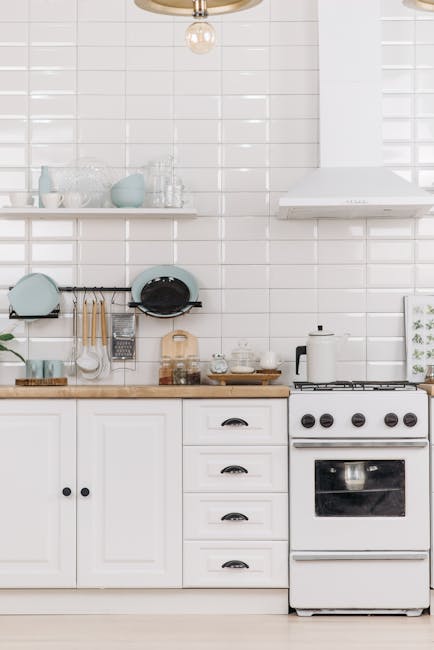

Revamping your kitchen can feel like a daunting task, especially when faced with the decision to replace all of your appliances. You might be wondering about the costs, the choices available, and how to make it all fit within your budget.
This is where we come in. By the end of this article, you'll have a clear understanding of how much it truly costs to replace your kitchen appliances, without any hidden surprises. Imagine the joy of cooking in a kitchen equipped with brand-new, energy-efficient appliances that not only elevate your culinary experiences but also enhance the aesthetic appeal of your home.
We'll walk you through everything you need to know, ensuring you make informed decisions that align with both your needs and your wallet. Curious about what lies ahead? Keep reading to uncover the secrets to a seamless kitchen transformation.
Factors Affecting Appliance Costs
Replacing all kitchen appliances can be a daunting task, and understanding the factors that influence costs is crucial. Whether you're renovating your kitchen or just want a fresh start, knowing what affects appliance prices will help you make informed decisions. Let’s explore the elements that play a significant role in determining how much you’ll spend on new kitchen appliances.
Brand And Model
The brand and model of an appliance can greatly impact the price. High-end brands like Sub-Zero or Viking might offer advanced features and superior quality but come with a hefty price tag. On the other hand, brands like Whirlpool or GE provide reliable options at more affordable rates. You might find that paying a bit more for a trusted brand saves you money in the long run due to fewer repairs or replacements.
Energy Efficiency
Energy-efficient appliances often cost more upfront, but they can save you money over time. Look for appliances with the ENERGY STAR label, which indicates they use less energy and water. You’ll benefit from lower utility bills and contribute to a more sustainable environment. Ask yourself if the initial investment is worth the long-term savings and environmental impact.
Size And Capacity
The size and capacity of your appliances can also affect costs. Larger appliances typically cost more, but they can be essential for bigger households. A compact dishwasher might be cheaper but could struggle to meet the needs of a large family. Consider your kitchen space and usage needs to find the perfect balance between size and cost.
Features And Technology
Modern appliances come loaded with features and technology that can drive up the price. Smart appliances offer connectivity and convenience—imagine controlling your oven from your phone. While these features are appealing, ask yourself if they are necessary for your lifestyle. Sometimes, simpler models perform just as well without the extra bells and whistles.
Understanding these factors allows you to tailor your choices to your budget and needs. What compromises are you willing to make? How do these choices reflect your lifestyle and priorities? By asking these questions, you can better navigate the appliance market and make decisions that suit your unique situation.
Types Of Kitchen Appliances
Replacing all kitchen appliances can transform your cooking space. Different types serve unique functions and come with varied costs. Understanding each type helps you plan your budget wisely.
Refrigerators
Refrigerators keep food fresh and safe. They come in many styles, like French doors or side-by-side. Costs depend on size, brand, and features. Energy-efficient models might cost more initially but save money over time.
Ovens And Stoves
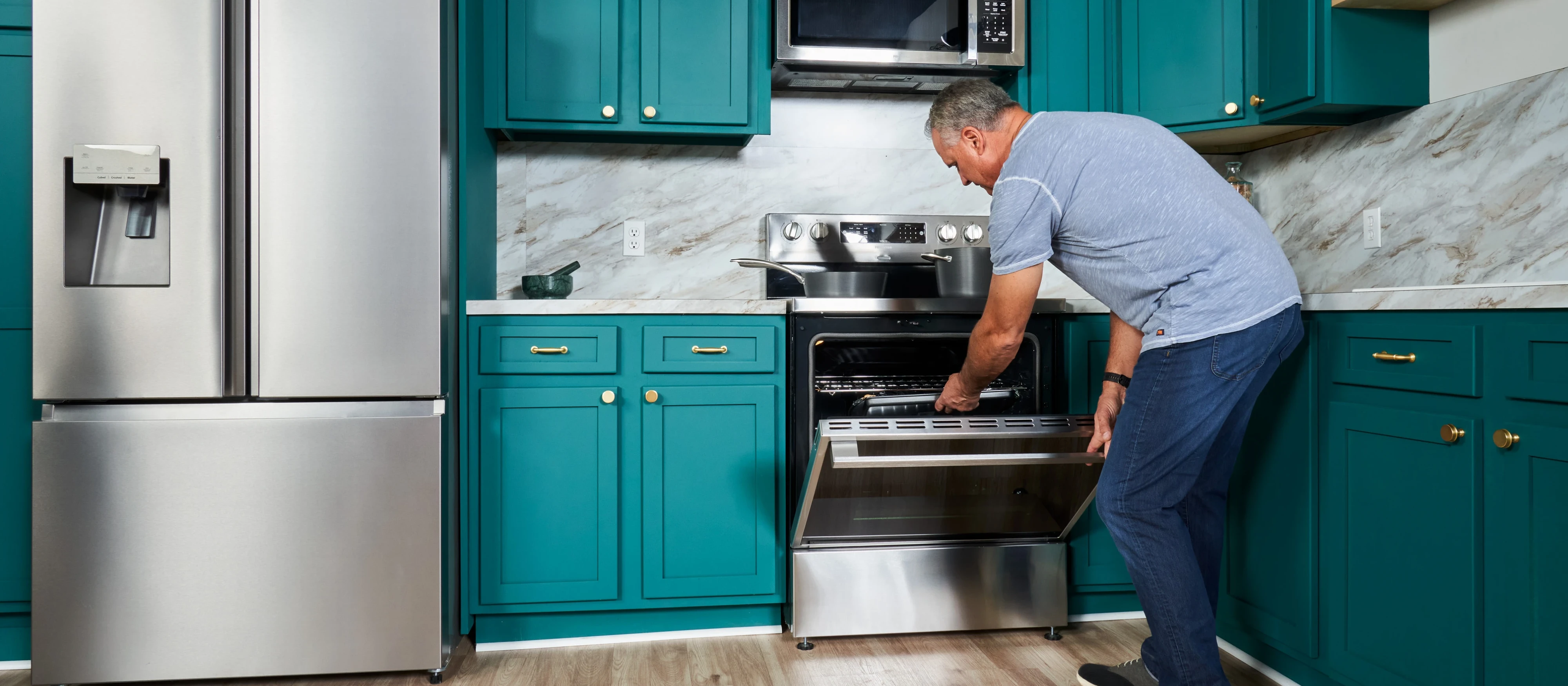
Ovens and stoves are central to meal preparation. Choose from electric, gas, or induction models. Prices vary based on technology and brand. Built-in ovens can cost more due to installation needs.
Dishwashers
Dishwashers simplify cleaning tasks. They differ in size, capacity, and technology. Some models offer advanced settings for energy saving. High-end brands usually come with a higher price tag.
Microwaves
Microwaves heat food quickly. Options include countertop or built-in designs. Prices depend on features like convection or smart technology. Compact models are often less expensive.
Range Hoods
Range hoods ventilate cooking areas. They vary in style, such as under-cabinet or wall-mounted. Cost is influenced by size, material, and power. Efficient models help maintain kitchen air quality.
Average Cost Breakdown
Replacing all kitchen appliances can be a significant investment. Understanding the average cost breakdown helps in budgeting effectively. Kitchen appliances vary greatly in price due to brand, features, and style. This guide divides the costs into three categories: low-end, mid-range, and high-end. Each offers different benefits and price points. Whether updating a single appliance or all, these categories simplify the decision-making process.
Low-end Options
Low-end appliances are budget-friendly. They serve basic functions without extra features. The average cost for a refrigerator ranges from $300 to $600. Dishwashers typically cost between $250 and $450. Stoves and ovens can be found for $300 to $500. These appliances are ideal for those with limited budgets or temporary needs.
Mid-range Choices
Mid-range appliances offer a balance of cost and features. They provide reliable performance and some modern conveniences. A refrigerator in this range costs $800 to $1,500. Dishwashers are available for $500 to $800. Stoves and ovens may range from $600 to $1,200. These choices suit homeowners seeking durability and moderate features.
High-end Selections
High-end appliances boast advanced features and superior quality. They often come with stylish designs and innovative technology. Refrigerators in this category cost $1,500 to $3,000. Dishwashers range from $800 to $1,500. Stoves and ovens can exceed $1,500, sometimes reaching $5,000. These selections cater to luxury seekers and tech enthusiasts.
Credit: www.hisense-usa.com
Installation And Additional Costs
Replacing all your kitchen appliances can be quite an investment, and the costs don't just stop at purchasing those shiny new gadgets. Installation and additional costs can add up quickly, making it essential to budget wisely. Understanding these expenses can help you avoid surprises and plan efficiently.
Professional Installation
Are you considering a professional installation for your new kitchen appliances? This decision can save you time and ensure that everything is set up correctly. However, it often comes with a price tag. Depending on the complexity of the appliances and your location, professional installation fees can range from $100 to $500 per appliance. For example, installing a high-end refrigerator with a water line might cost more than a simple microwave setup.
Sometimes, you might be tempted to install appliances yourself to cut costs. But ask yourself—are you comfortable handling electrical connections or gas lines? Hiring a professional can prevent potential hazards and ensure your appliances run efficiently. Plus, some warranties require professional installation to remain valid.
Delivery Charges
Once you've picked out the perfect appliances, the next step is getting them to your home. Delivery charges are often overlooked but can significantly impact your budget. Costs can vary based on distance, the size of the appliances, and even the retailer's policies. For instance, a large appliance like a double oven might incur higher delivery fees compared to a smaller dishwasher.
Some stores offer free delivery as part of a promotion. But is it truly free? Often, the cost is built into the appliance price. Always check the fine print. If you're buying multiple appliances, inquire about package deals that might reduce delivery costs.
Disposal Of Old Appliances
What will you do with your old appliances? Disposal is a crucial part of the replacement process. Leaving them in your garage is not a long-term solution. Many retailers offer disposal services for an additional fee, which can range from $20 to $100 per appliance.
Some municipalities have recycling programs that might accept your old appliances for free or a small fee. Alternatively, consider donating them if they're still functional. You might just make someone’s day and save on disposal costs. Remember, proper disposal is not only about saving money—it's also about being environmentally responsible.
When planning your budget for new kitchen appliances, don't forget these additional costs. It's not just about what you pay at the register. Consider installation, delivery, and disposal as integral parts of the total expense. What strategies will you use to manage these costs?
Budgeting Tips
Replacing all kitchen appliances can seem costly. Plan your budget by considering appliance types and sizes. Research average prices for each item. Compare brands for quality and cost. Look for sales or discounts to save money. Consider energy-efficient models to reduce future expenses.
When planning to replace kitchen appliances, managing costs is crucial. Budgeting tips help ensure you make wise financial decisions. Replacing all appliances can be expensive. A clear budget prevents overspending. Here's how to set a budget that works.
Setting A Realistic Budget
Determine how much you can spend. Calculate your available savings. Consider future expenses too. Research appliance prices to get an idea. Factor in installation costs. Set a budget that balances needs with financial limits. A realistic budget keeps you on track.
Prioritizing Purchases
Not all appliances need immediate replacement. Prioritize based on necessity. Is your fridge malfunctioning? Replace it first. Can your dishwasher last longer? Delay its purchase. This approach saves money. It also reduces financial strain. Focus on what you need most.
Exploring Discounts And Deals
Always hunt for discounts. Seasonal sales offer great savings. Check online for deals and promotions. Visit multiple stores. Compare prices before buying. Loyalty programs can provide extra discounts. Coupons and rebates lower costs. Every little saving adds up.

Credit: www.airportappliance.com
Long-term Savings
Calculating the cost to replace kitchen appliances involves considering factors like brand and energy efficiency. Set aside a budget of $3,000 to $15,000 for quality upgrades. Investing wisely now can lead to significant savings in the long run.
Replacing all your kitchen appliances can seem like a hefty investment. However, it’s crucial to consider the long-term savings that come with upgrading. Modern appliances not only enhance your kitchen’s functionality but also contribute to significant cost savings over time.
Energy-efficient Models
Switching to energy-efficient appliances is a game-changer for your utility bills. These models are designed to use less electricity and water, which means lower monthly expenses. Imagine slashing your electricity bill by a substantial percentage just by updating your old refrigerator or dishwasher. Energy-efficient appliances often come with the Energy Star label, indicating they meet energy efficiency guidelines. They might be slightly pricier upfront, but they pay off in the long run. Plus, you’re making an environmentally friendly choice, which is a win-win.
Maintenance And Care
Regular maintenance and care of your new appliances can extend their lifespan significantly. It’s like giving your car regular oil changes to keep it running smoothly. Simple actions like cleaning filters and checking seals can prevent costly repairs down the line. Think of it as protecting your investment. When you take care of your appliances, they take care of you by functioning efficiently and reliably for years. Have you ever calculated how much you could save by avoiding emergency repairs?
Warranty Considerations
When purchasing new appliances, consider the warranty options available. A comprehensive warranty can provide peace of mind and protect you from unexpected expenses. It’s like having a safety net for your new investment. Some warranties cover parts and labor for several years, which can be incredibly beneficial. Before buying, compare warranties to ensure you’re getting the best coverage possible. Wouldn’t it be reassuring to know you’re covered if anything goes wrong? Incorporating these considerations when replacing your kitchen appliances can lead to significant long-term savings. Are you ready to make a wise investment in your kitchen’s future?

Credit: www.organicauthority.com
Frequently Asked Questions
What Is The Average Cost To Replace Kitchen Appliances?
The average cost to replace kitchen appliances can range from $2,000 to $15,000. This depends on the brand, size, and features of the appliances. Energy-efficient models may cost more initially but save money in the long run.
Which Appliances Should Be Replaced First In A Kitchen?
Start by replacing the refrigerator and stove, as they're used most frequently. Next, consider the dishwasher and microwave. Prioritize appliances that are outdated, inefficient, or frequently break down to improve kitchen functionality.
How Can I Save Money When Replacing Appliances?
To save money, look for sales and discounts on kitchen appliances. Consider buying floor models or last year's models for reduced prices. Energy-efficient appliances may cost more upfront but save on utility bills.
Are There Financing Options For Kitchen Appliances?
Yes, many retailers offer financing options for kitchen appliances. You can choose monthly payment plans to spread the cost. Some stores also offer interest-free financing for a limited time. Always read the terms carefully before committing.
Conclusion
Replacing kitchen appliances can be a smart investment. Budget planning helps. Start with essentials like the fridge and stove. Compare prices and brands. Look for energy-efficient options to save money later. Check warranty details for long-term security. Prioritize appliances based on your cooking needs.
Don't forget installation costs. Consider buying during sales for discounts. Local stores may offer better deals. Online reviews guide you in choosing reliable brands. Take your time to decide. The right choices enhance your kitchen's functionality. Enjoy cooking with new, efficient appliances.
Plan wisely, spend wisely. Transform your kitchen into a modern, efficient space.