
Imagine sipping your morning coffee in a cozy corner of your kitchen, surrounded by a bench that not only offers comfort but also helps you declutter your space. A kitchen nook bench with storage is the perfect solution for creating such a serene spot.
It combines functionality with style, making your kitchen both inviting and organized. But how do you build one that suits your space and needs? In this guide, you'll discover step-by-step instructions on creating a kitchen nook bench with storage that's tailored just for you.
Whether you're a seasoned DIY enthusiast or a beginner eager to learn, this project is within your reach. We’ll break down the process into manageable steps, ensuring you feel confident and inspired. Plus, we’ll share clever tips to maximize storage and enhance the aesthetic appeal of your kitchen nook. Ready to transform your kitchen into a haven of comfort and efficiency? Let’s dive in and explore how you can build your dream kitchen nook bench today!
Benefits Of A Kitchen Nook Bench
Creating a kitchen nook bench offers many advantages for your home. This innovative seating solution combines functionality with style, enhancing your kitchen's overall vibe. Let's dive into the distinct benefits of adding a kitchen nook bench to your living space.
Space Efficiency
A kitchen nook bench maximizes your available space effectively. It fits snugly into corners, utilizing areas often left unused. This efficient design allows more room for movement and activities in smaller kitchens. Perfect for those seeking to optimize their floor plan without compromising comfort.
Additional Storage
Storage is a key benefit of a kitchen nook bench. Beneath the seating, ample storage space can be utilized. Store kitchen essentials, pantry items, or dining accessories within reach. This clever use of space reduces clutter and keeps your kitchen organized.
Aesthetic Appeal
Beyond functionality, kitchen nook benches enhance aesthetic appeal. They add a cozy, inviting feel to any kitchen. With various design options, you can choose a style that complements your decor. A nook bench transforms ordinary kitchens into warm, welcoming spaces.
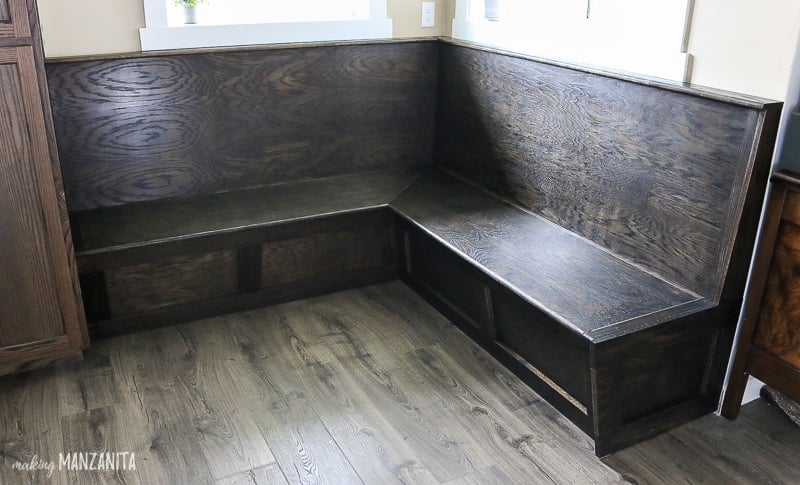
Credit: www.makingmanzanita.com
Planning The Design
Designing a kitchen nook bench seating with storage can transform your space. It adds charm and functionality, creating a cozy corner for dining or relaxing. With thoughtful planning, you can maximize space and efficiency.
Choosing The Right Space
Identify the perfect spot for your nook. Consider areas near windows for natural light. Ensure the space doesn't interfere with kitchen traffic. Visualize how the nook will fit with your kitchen layout.
Measuring Dimensions
Accurate measurements are crucial. Measure the length and width of the chosen area. Consider the height for comfortable seating. Use a measuring tape for precise numbers. Don't forget to account for table space.
Selecting Materials
Choose materials that suit your kitchen style. Wood offers a warm, traditional look. Metal and glass provide a modern feel. Ensure materials are durable and easy to clean. Consider cushions and upholstery for comfort.
Gathering Necessary Tools And Materials
Embarking on a DIY kitchen nook bench with storage is exciting. First, you'll need the right tools and materials. This step ensures your project starts smoothly and finishes successfully. Planning and preparation are crucial. They save time and reduce stress during the build.
Essential Tools
Having the correct tools is vital. A tape measure helps with precise measurements. A circular saw is perfect for cutting wood. A power drill speeds up the process. Use a screwdriver for assembling parts. A sander smooths rough wood surfaces. Safety goggles protect your eyes. Always prioritize safety.
Material Checklist
Choosing the right materials is key. Plywood is a strong base. Choose wood that complements your kitchen. Wood glue provides extra strength. Use screws to secure parts. Hinges are needed for storage access. Paint or stain adds a personal touch. Sandpaper prepares surfaces for finishing. Having all materials ready avoids delays.
Building The Base Structure
Create a cozy dining space with a practical kitchen nook bench featuring storage. Use sturdy materials for durability. Ensure the base structure is strong to support seating and storage needs.
Building the base structure for a kitchen nook bench with storage is crucial. It sets the foundation for durability and functionality. A solid base ensures your bench is both sturdy and long-lasting. This part of the project involves careful planning and precise measurements. Let's dive into the key steps required to build the base structure effectively.
Cutting The Wood
Start by measuring the dimensions of your space. This determines the size of your bench. Use a saw to cut plywood to the required dimensions. Ensure the cuts are straight and clean. For this, a circular saw or miter saw works best. Double-check each piece for accuracy. Proper cuts prevent gaps and ensure a snug fit.
Assembling The Frame
Lay out the cut pieces on a flat surface. This helps visualize the frame. Begin by connecting the base and side panels. Use wood screws and a power drill for strong joints. Align edges carefully to maintain a straight frame. Reinforce corners with wood glue to enhance stability. Check that the frame is square using a carpenter's square.
Securing The Base
Position the frame in your desired nook area. Ensure it fits snugly against the walls. Secure the frame to the floor using L-brackets. This prevents movement and adds stability. Use a level to ensure the bench is even. Adjust if necessary for a perfect fit. This step is vital for a stable and safe seating area.
Constructing The Seat And Backrest
Constructing the seat and backrest is a crucial step in building your kitchen nook bench. The seat provides comfort while the backrest adds support. This section guides you through attaching the seat panels, installing the backrest, and ensuring stability. Let's dive into the details and make your nook bench both functional and comfortable.
Attaching The Seat Panels
First, measure and cut the seat panels to fit your bench frame. Use a durable wood like plywood for long-lasting results. Secure the panels with screws, evenly spaced for stability. Ensure the panels are flush with the frame edges. This gives a neat and finished appearance.
Installing The Backrest
Next, prepare the backrest by cutting panels to your desired height. Consider comfort and the overall look. Attach the backrest panels to the bench frame using sturdy brackets. Ensure the backrest is angled slightly for a comfortable seating position. This improves user comfort and satisfaction.
Ensuring Stability
Stability is key for a safe and secure bench. Check all connections and tighten loose screws. Use corner braces to reinforce joints for extra stability. Test the bench by applying pressure to the seat and backrest. Make adjustments if any movement occurs. A stable bench ensures safety and longevity.
Adding Storage Compartments
Building a kitchen nook bench with storage maximizes space and keeps essentials organized. Adding storage compartments offers an efficient solution for storing kitchen items. This approach enhances both functionality and aesthetics in your kitchen area.
Adding storage compartments to your kitchen nook bench seating is a smart way to maximize space. Not only does it offer a cozy spot to enjoy meals, but it also provides a hidden area to keep your kitchen organized. With a few creative touches and some handy tools, you can transform your bench into a functional storage solution.
Creating Storage Space
Start by deciding how much storage you need. Consider what items you want to store and their sizes. This will help you plan the compartments effectively. Measure the bench's interior dimensions. Sketch a layout that divides the space into sections. Think about incorporating a mix of small and large compartments for versatility. Use sturdy materials like plywood or MDF for the dividers. Secure them with wood screws to ensure stability. Remember, the goal is to keep everything accessible yet out of sight.
Installing Hinges
Hinges are essential for easy access to your storage compartments. Choose quality hinges that can support the weight of the bench lid. Attach the hinges to the back edge of the bench seat. Ensure they are evenly spaced for smooth operation. Test the lid to make sure it opens and closes without any hitches. Soft-close hinges are a great option to avoid slamming. They add a touch of luxury and protect your stored items from damage.
Organizing The Interior
Once your compartments and hinges are set, focus on organizing the interior. Decide on a system that makes sense for your daily use. Consider adding small baskets or bins to keep things tidy. Label them for easy identification. This method is especially useful for storing smaller items like napkins or utensils. Think about using drawer liners or shelf mats to protect the bench's interior. These can also prevent items from sliding around. A well-organized bench is a joy to use and makes your kitchen look pristine. By adding storage compartments to your kitchen nook bench, you create a multifunctional space that meets both seating and storage needs. What creative storage solutions will you try in your kitchen nook?
Finishing Touches
Transform your kitchen nook into a cozy retreat with bench seating that offers hidden storage. This practical solution maximizes space and keeps your area organized. Add cushions for comfort, and your nook becomes a perfect spot for relaxation or casual dining.
After you've assembled your kitchen nook bench seating with storage, it's time to add the finishing touches that will elevate your project from functional to fabulous. This phase is where your creativity shines, and you can truly make the bench your own. Consider how each detail can reflect your style and enhance the bench’s practicality.
Sanding And Smoothing
Sanding is crucial to achieve a smooth and splinter-free surface. Use a medium-grit sandpaper to gently smooth out any rough spots or edges. You might be surprised at how satisfying it is to feel the transformation under your fingertips. Finish with a fine-grit sandpaper for an ultra-smooth finish. Pay attention to corners and joints to ensure they're seamless. Have you considered using a sanding block for better control?
Painting Or Staining
Decide whether you want to paint or stain your bench. Paint can add a pop of color to your kitchen nook, while stain enhances the natural beauty of the wood. Which one aligns better with your kitchen aesthetic? If you choose paint, apply a primer first to ensure the paint adheres well. For a stained finish, test the stain on a small area to see how it looks on your wood type. Remember to apply a sealant to protect your bench from spills and scratches.
Adding Cushions
Cushions are not only about comfort; they also add style. Choose fabrics that complement your kitchen decor. Have you thought about how patterns can add personality to your space? For easy maintenance, consider cushions with removable covers. This way, you can wash them regularly and keep your nook looking fresh. Add a few throw pillows for extra coziness and color contrast. These finishing touches are what make your kitchen nook bench seating truly yours. What’s your favorite step in the process?

Credit: www.seanandann.org
Maintenance And Care Tips
Building a kitchen nook bench with storage adds style and function. Regularly check hinges and screws for wear. Clean surfaces with mild soap to maintain shine and prevent damage.
Building a kitchen nook bench with storage can transform your dining area into a cozy, functional space. However, to ensure its longevity and maintain its charm, regular maintenance and care are essential. With the right tips, you can keep your nook bench looking pristine and functioning perfectly for years.
Cleaning Guidelines
Regular cleaning is crucial for keeping your bench in top shape. Dust and crumbs can accumulate in crevices, making your seating look worn and dirty. Use a soft cloth or vacuum with a brush attachment to remove these particles. For sticky spills, a damp cloth with mild soap will do wonders. Avoid harsh chemicals that may damage finishes or paint. If your bench has fabric cushions, consider removable covers that you can machine wash. This not only keeps them clean but also lets you update the look easily.
Repair And Upkeep
Over time, your bench might show signs of wear, such as loose screws or squeaky hinges. Regularly check for these issues and address them promptly. Tightening screws and oiling hinges can prevent larger problems down the line. If you notice scratches or dents, a little sanding and touch-up paint can restore its original appearance. Consider keeping some of the original paint or stain on hand for quick fixes. Don’t let minor damages spiral into major repairs.
Enhancing Durability
To enhance the durability of your kitchen nook bench, consider applying a protective finish. A clear varnish or sealant can protect the wood from moisture and everyday wear and tear. This extra layer acts as a barrier against spills and scratches. Place felt pads under the bench to protect floors and reduce movement. This small step can prevent unnecessary stress on joints and prolong the life of your seating. Reflect on how these practices can save you time and money in the long run. Do you have a unique way of maintaining your kitchen nook bench? Share your tips in the comments! By sharing your experiences, you can help others create a space that remains beautiful and functional for years.
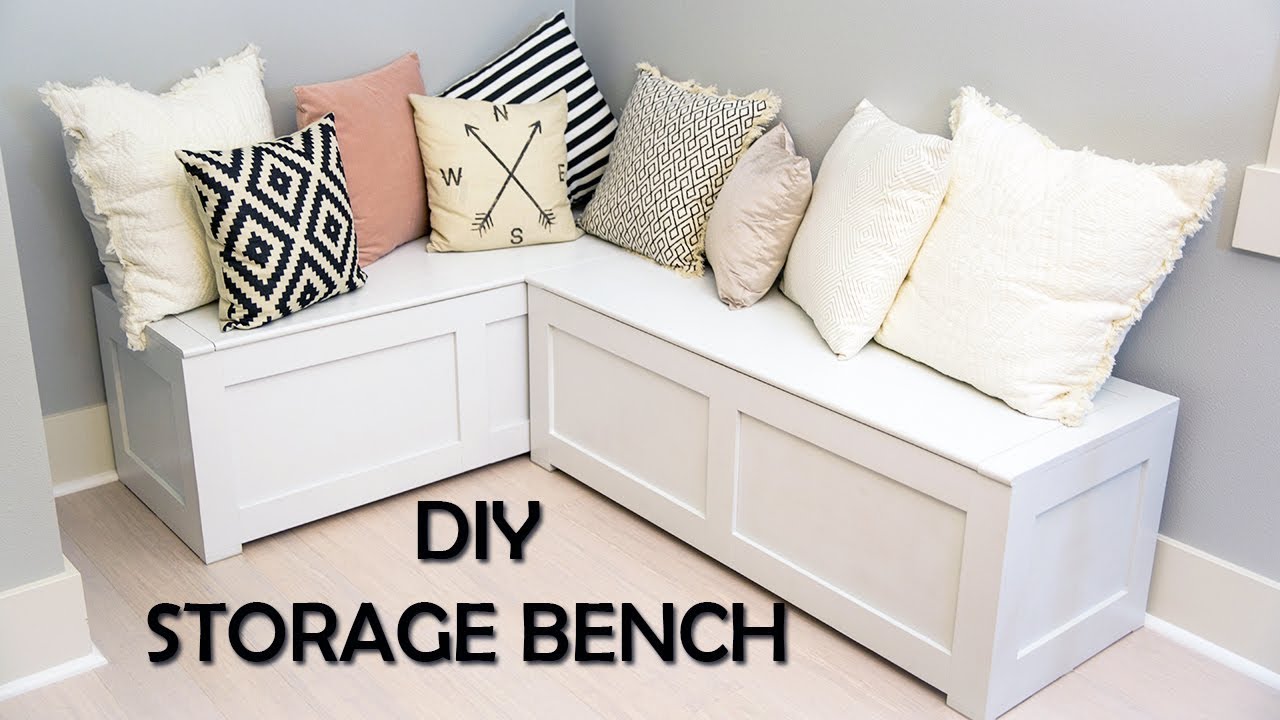
Credit: www.youtube.com
Frequently Asked Questions
How Do I Start Building A Kitchen Nook?
Begin by measuring your space and sketching a design. Gather materials like wood, screws, and tools. Follow step-by-step plans or guides. Focus on creating a sturdy frame first. Consider storage needs and integrate compartments. Ensure your design complements your kitchen’s style and maximizes space.
What Materials Are Best For Kitchen Nook Benches?
Opt for durable materials like hardwood, plywood, or MDF. These offer strength and longevity. Choose finishes that match your kitchen decor. Consider cushioned seating for comfort. Use moisture-resistant materials if near sinks or windows. Select high-quality hinges and hardware for storage doors.
How Much Storage Can I Include In The Bench?
Incorporate storage beneath the seating area. Use drawers or hinged lids for easy access. Customize compartments based on your needs. Maximize space by utilizing every inch. Consider adding shelves or baskets inside. Aim for a balance between seating comfort and practical storage.
Can I Customize The Bench To Fit My Space?
Yes, custom designs are ideal for unique spaces. Adapt dimensions to your kitchen layout. Modify shapes and angles for corners. Adjust the height for comfortable seating. Tailor the storage to your specific needs. Personalize with paint or fabric choices. Customization ensures a perfect fit.
Conclusion
Building a kitchen nook bench with storage is a rewarding project. It adds style and functionality to your space. The process involves planning, measuring, and assembling. Following simple steps ensures a successful build. Your new bench provides seating and extra storage.
Perfect for keeping your kitchen tidy. Use quality materials for durability. Customize the design to fit your space. Enjoy your cozy nook with friends and family. Create a perfect spot for meals and chats. Your kitchen will feel more welcoming.
Start building your dream nook today. Make your kitchen both functional and inviting.