How to Design a Functional Kitchen?
Are you tired of cooking in a cramped, inefficient kitchen? Imagine a space where everything you need is within reach, where meal prep is a breeze, and where you actually enjoy spending time.
Designing a functional kitchen can transform your cooking experience and elevate your home’s value. You don't have to be a professional designer to achieve this; with a few simple strategies, you can create a kitchen that's not only beautiful but also highly practical.
In this guide, you’ll discover key tips and tricks to help you design a kitchen that perfectly suits your needs, making every culinary task easier and more enjoyable. Stick around, and you’ll soon be on your way to crafting the kitchen of your dreams.
:max_bytes(150000):strip_icc()/2633501_Brenh-816-2000-58f2149fb9964541bbdece72d56800f5.jpg)
Credit: www.southernliving.com
Layout Options
Creating a functional kitchen starts with choosing the right layout. It's the backbone of your cooking space, affecting efficiency and comfort. Different layout options offer unique benefits, catering to diverse needs and preferences. Let's explore some popular designs that maximize space and functionality.
U-shaped Design
The U-shaped kitchen is perfect for those who need ample workspace. It surrounds you with three walls of counters and cabinets. This layout is ideal for larger spaces and offers plenty of storage. It creates a cozy cooking environment, allowing multiple people to work together. It's a great option for families who love cooking together.
L-shaped Design
An L-shaped kitchen is versatile and fits well in open areas. It features two adjacent walls forming an L. This layout maximizes corner space, providing room for appliances and storage. It's suitable for small to medium kitchens. The design allows easy movement and efficiency, making it popular in modern homes.
Galley Kitchen
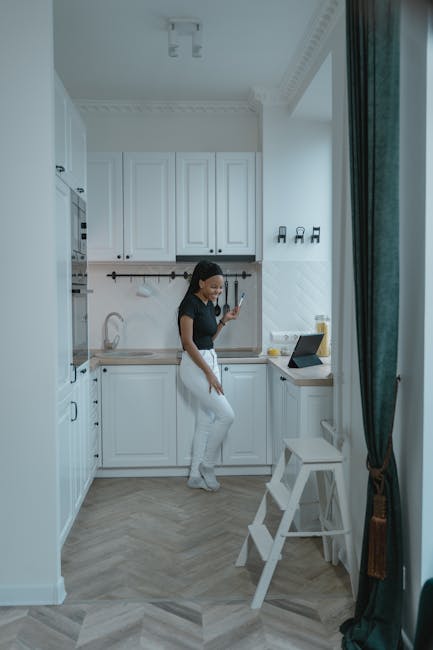
Galley kitchens are ideal for small spaces. They consist of two parallel walls with counters and cabinets. This layout creates a streamlined workflow, perfect for single cooks. It's efficient, with everything within arm's reach. This design is often found in apartments and smaller homes, maximizing every inch.
Open Concept
Open concept kitchens offer a seamless flow between cooking and living areas. They lack walls separating spaces, promoting interaction and connectivity. This layout is great for entertaining guests and family. It creates a spacious feel, ideal for modern living environments. Open kitchens blend functionality with aesthetics, enhancing the home's overall appeal.
Efficient Work Triangle
Designing a functional kitchen involves creating an efficient work triangle between the stove, sink, and refrigerator. This layout minimizes unnecessary steps, making cooking and cleaning more convenient. An optimal triangle enhances workflow and maximizes kitchen space.
Designing a functional kitchen involves more than just picking out attractive cabinetry and counters; it’s about efficiency and ease of use. At the heart of this concept is the Efficient Work Triangle. This involves strategically placing your sink, stove, and refrigerator to form a triangle, ensuring smooth workflow and minimal movement. This simple concept can transform your cooking space into a powerhouse of productivity.
Placement Of Sink
The sink is often the hub of kitchen activity. It’s where you wash ingredients, clean dishes, and sometimes prep food. Consider placing it near a window for natural light and a view to make dishwashing less of a chore. Ensure there's ample counter space on either side for drying racks and meal prep activities. Wouldn't it be nice to have your sink close to the dishwasher, minimizing the risk of drips and drops?
Positioning Of Stove
The stove is the heart of cooking. Position it within easy reach of the sink and refrigerator. This allows you to grab ingredients and dispose of waste without breaking a sweat. Make sure there’s enough space around the stove for pots, pans, and utensils. You'll appreciate not having to juggle items while cooking.
Refrigerator Accessibility
Your refrigerator is the gateway to your ingredients. It should be easily accessible, but not in the way of main traffic flow. Consider placing it on the edge of the work triangle. This way, you can access it without disturbing the cooking process. Isn’t it frustrating when you have to sidestep people just to grab the milk? An accessible fridge solves this problem. By thoughtfully planning the placement of these three key elements, you’ll find cooking becomes a more enjoyable and seamless experience. Have you ever noticed how a well-designed kitchen makes meal prep feel less like a chore and more like an art?
Optimizing Storage Space
Design a kitchen that maximizes storage space by using shelves, cabinets, and drawers wisely. Keep counters clear with strategic placement of appliances. Use stackable containers and organizers for an efficient setup.
Designing a functional kitchen involves clever storage solutions. Every inch counts. A well-organized kitchen enhances functionality and appearance. Optimizing storage space makes cooking a breeze. It ensures that essentials are within reach. Let's explore ways to maximize storage in your kitchen.
Cabinet Solutions
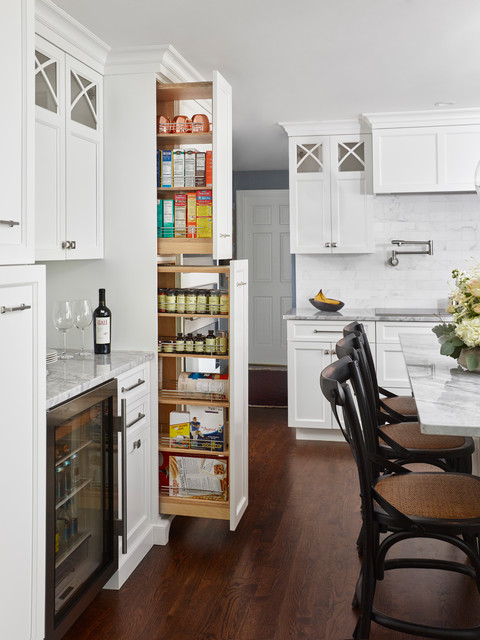
Cabinets offer prime storage. Choose tall cabinets for more vertical space. Use adjustable shelves for flexibility. Install pull-out trays for easy access. Consider corner cabinets with lazy susans. They save space and provide accessibility. Glass-front cabinets add elegance and display items beautifully.
Drawer Organization
Drawers can store more than cutlery. Use dividers for better organization. Store pots, pans, and lids in deep drawers. Utilize drawer inserts for spices and utensils. Roll-out trays make deep drawers accessible. Drawers keep items tidy and easy to find. Label drawers for quick identification.
Pantry Utilization
A pantry maximizes storage efficiency. Use clear containers for easy visibility. Install pull-out shelves for deeper pantries. Label containers for quick identification. Use door racks for spices and small items. Organize by category to save time. A tidy pantry boosts cooking efficiency. `
Credit: www.houzz.com
Countertop Considerations
Designing a functional kitchen begins with choosing the right countertops. They should be durable, easy to clean, and complement the overall style. Consider materials like granite or quartz for longevity and aesthetic appeal.
Designing a functional kitchen can be a rewarding experience, especially when you focus on the countertops. This crucial element of your kitchen should blend aesthetics with practicality. Understanding how to choose the right materials, allocate space effectively, and make use of multi-functional designs can transform your kitchen into a more efficient workspace.
Material Choices
The material of your countertop can significantly impact both the look and functionality of your kitchen. Popular choices include granite, quartz, and laminate. Each material has its own benefits and drawbacks. Granite offers a luxurious look and is incredibly durable.
However, it requires regular sealing. Quartz, on the other hand, is non-porous and low maintenance, making it a great choice for busy households. Consider how much maintenance you're willing to do. If you prefer a low-maintenance option, quartz might be your best bet. On a tight budget? Laminate can offer a wide range of styles at a lower cost.
Space Allocation
Think about how you use your kitchen. Do you love baking and need lots of counter space for rolling dough? Or maybe you require a designated area for meal prep. Allocate space based on your daily activities. A spacious island can serve multiple purposes—meal prep, casual dining, or even a homework station for kids. Remember to leave enough room for appliances. Consider a layout that allows easy access to essential items like the stove, fridge, and sink.
Multi-functional Use
Countertops can do more than just provide a surface for cooking. They can become a hub for various activities. Think about adding a breakfast bar or an integrated cutting board. You might incorporate a charging station for your devices, blending technology with functionality. Or, install shelves underneath for additional storage without cluttering the counter.
Multi-functional designs make the most out of limited space. How can you make your countertop work harder for you? Designing a functional kitchen is all about making choices that fit your lifestyle. What changes will you make to your countertops to enhance your daily routine?
Lighting Essentials
Designing a functional kitchen requires thoughtful lighting choices. Good lighting transforms your kitchen into an inviting space. It enhances both functionality and aesthetics. Lighting is crucial for safety, especially during food preparation.
Different types of lighting serve different purposes in a kitchen. Understanding these can help you make informed choices. Let's explore the essentials of kitchen lighting.
Task Lighting
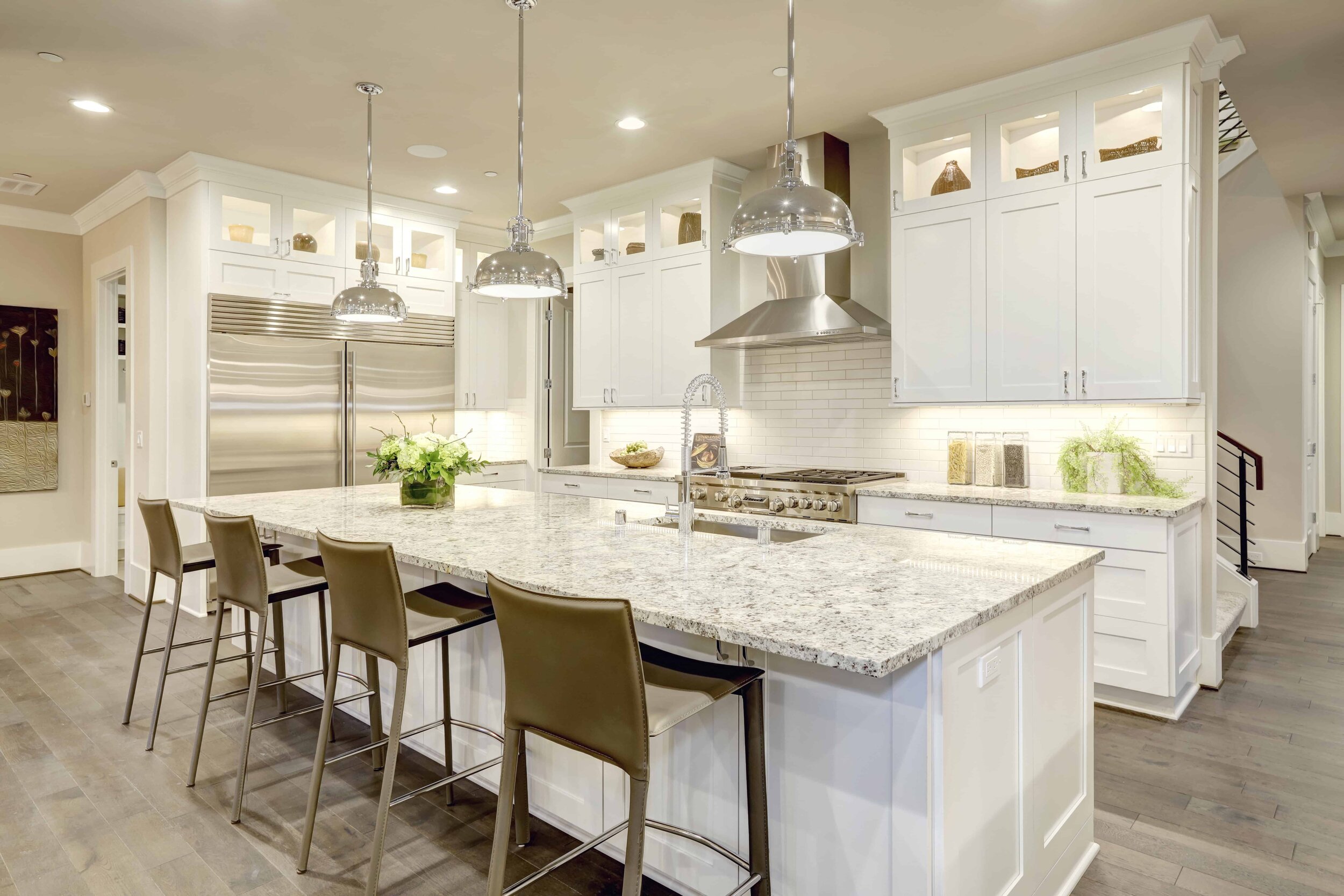
Task lighting focuses on specific areas where you perform tasks. It is vital for food prep, cooking, and cleaning. Under-cabinet lights work well for illuminating countertops. Pendant lights over an island can also provide focused light. Choose LED bulbs for energy efficiency and long life.
Ambient Lighting
Ambient lighting provides general illumination. It creates a comfortable and welcoming atmosphere. Ceiling fixtures or recessed lights are common choices. Ensure the light is evenly distributed across the kitchen. Dimmer switches can add flexibility to ambient lighting.
Accent Lighting
Accent lighting highlights features like artwork or decorative elements. It adds depth and visual interest to the kitchen. Use it to showcase a beautiful backsplash or open shelving. Small spotlights or strip lights can work well. Accent lighting is about adding a touch of style.
Appliance Selection
Choosing the right appliances is key to a functional kitchen. Focus on size, energy efficiency, and style. Ensure harmony with your kitchen layout for seamless cooking experiences.
Designing a functional kitchen requires careful thought, especially when it comes to selecting appliances. Choosing the right appliances can transform your kitchen into a space that is not only efficient but also enjoyable to use. While it's tempting to go for the latest models, it's vital to consider aspects like energy efficiency, size, and smart technology. Each of these elements plays a critical role in ensuring that your kitchen meets your needs and complements your lifestyle.
Energy Efficiency
Opting for energy-efficient appliances can lead to significant savings on your electricity bill. Look for the Energy Star label, which indicates that an appliance meets energy efficiency guidelines set by the Environmental Protection Agency. Choosing energy-efficient appliances not only benefits your wallet but also reduces your carbon footprint. Imagine saving money while contributing to a healthier planet—it's a win-win.
Size And Fit
Before purchasing appliances, consider the size and layout of your kitchen. Measure your space to ensure that each appliance will fit perfectly without crowding your kitchen. A friend once made the mistake of buying a large refrigerator that blocked a cabinet door. Avoid such headaches by double-checking dimensions and planning your layout thoughtfully.
Smart Technology
Smart appliances can make your kitchen more efficient and enjoyable. Picture this: you're stuck in traffic, but with a smart oven, you can preheat it from your smartphone, ensuring dinner is ready as soon as you get home. Smart technology can also help you monitor energy usage and maintain your appliances.
Are you ready to bring your kitchen into the future with smart innovations? When selecting appliances, it's essential to think about how they will fit into your daily routine. Will they make your life easier and your kitchen more functional? By focusing on energy efficiency, size, and smart technology, you can create a kitchen that truly works for you.
Ergonomic Design
Designing a kitchen that is both stylish and functional involves ergonomic principles. An ergonomic kitchen ensures comfort, efficiency, and ease of use. A good ergonomic design can make cooking and cleaning less tiring. It supports the natural movements of the body. This design approach can enhance your kitchen experience significantly.
Height Of Countertops
Countertop height affects comfort during cooking. Standard height is around 36 inches. This suits most adults. You may need different heights for specific tasks. Taller individuals may prefer 38 inches. Lower heights work better for tasks like kneading dough. Consider adjustable countertops for flexibility.
Ease Of Access
Accessibility in the kitchen is crucial for efficiency. Place frequently used items within arm's reach. Install pull-out shelves in cabinets. This reduces the need to bend or stretch. Ensure that appliances are easy to reach. A well-organized kitchen saves time and energy.
Safety Features
Safety is a key aspect of kitchen design. Rounded edges on countertops prevent injuries. Non-slip flooring reduces the risk of falls. Install childproof locks on cabinets with hazardous items. Ensure proper lighting to avoid accidents. A safe kitchen design protects everyone in the home.
Credit: www.multitradebuildingservices.com
Incorporating Style
Create a kitchen that blends style and function effortlessly. Use smart storage solutions to keep essentials organized. Choose durable materials like quartz countertops for long-lasting beauty.
Creating a kitchen that’s both functional and stylish can feel like a balancing act. You want a space that caters to your culinary needs, yet reflects your personal taste. How do you successfully blend practicality with aesthetics? By focusing on key elements like color schemes, material coordination, and personal touches, you can achieve a kitchen design that not only works but wows. Let's dive into these aspects and see how they can transform your cooking space into a culinary haven.
Color Schemes
Choosing the right color scheme is crucial in designing a stylish kitchen. Colors influence the mood and perception of space. Lighter shades can make a small kitchen feel larger, while bold colors can create a focal point. Think about how colors make you feel. Does a sunny yellow energize you in the morning? Or does a cool blue help you unwind while cooking dinner?
Mix and match colors that resonate with your lifestyle and the ambience you wish to create. Consider the cabinetry, walls, and even appliances. Harmonizing these elements can create a cohesive look. A friend of mine chose a soft mint green for her cabinets, paired with white walls, and it transformed her kitchen into a refreshing oasis.
Material Coordination
Materials play a significant role in the kitchen's style and functionality. Selecting the right ones can enhance durability and aesthetics. Wood, stainless steel, and quartz are popular choices, each bringing unique qualities to the table. Have you ever noticed how a wooden countertop can add warmth, while stainless steel offers a modern touch? Balance different materials to achieve both style and practicality. Think about your kitchen's traffic. For a busy household, durable materials like granite or laminate can withstand the wear and tear. Your choices should reflect not only your taste but also your cooking habits.
Personal Touches
Your kitchen should be an extension of yourself. Adding personal touches can make it uniquely yours. Display your favorite cookbooks or hang a piece of art that inspires you. Consider small details like cabinet handles or a quirky kitchen clock. Do they reflect your personality? These elements might seem minor but can significantly impact the overall vibe. Ask yourself what makes you happy in a space. Is it the family photos on the fridge or a vase of fresh flowers? Personal touches turn a functional kitchen into a place where memories are made. As you design your kitchen, remember that it's not just about following trends. It's about creating a space where you feel comfortable and inspired. So, what will your kitchen say about you?
Frequently Asked Questions
What Are Key Elements Of A Functional Kitchen?
A functional kitchen should incorporate effective layout, sufficient storage, and accessible workspaces. Ensure easy movement between cooking, cleaning, and food storage areas. Prioritize organization with cabinets, shelves, and drawers. Utilize ergonomic design to reduce strain and improve efficiency during kitchen tasks.
How To Maximize Kitchen Space Efficiently?
Maximize kitchen space by using vertical storage and multi-purpose furniture. Install wall-mounted shelves and hooks to keep counters clear. Consider pull-out cabinets and foldable tables. Optimize layout with a triangle setup connecting stove, sink, and fridge for easy workflow.
Which Materials Are Ideal For Kitchen Surfaces?
Choose durable, easy-to-clean materials like quartz, granite, or stainless steel for kitchen surfaces. These materials resist stains, heat, and scratches effectively. Ensure surfaces complement your kitchen design for aesthetic appeal while prioritizing functionality and longevity.
How To Choose Kitchen Lighting Effectively?
Opt for layered lighting to enhance kitchen functionality. Use ambient lighting for overall illumination and task lighting for specific work areas. Consider pendant lights over islands and under-cabinet lights for countertops. Adjust lighting to create a welcoming atmosphere.
Conclusion
Designing a functional kitchen enhances daily life. Focus on layout and storage. Choose appliances that fit your needs. Think about workflow for easy cooking. Keep surfaces clutter-free for a clean look. Good lighting brightens your space. Use colors that make you happy.
Add personal touches for warmth. Safety and accessibility matter too. A well-planned kitchen brings joy and efficiency. Enjoy cooking in your perfect space!