
Are you ready to transform your kitchen into a culinary masterpiece? Understanding the latest kitchen design trends and industry statistics can be your secret weapon.
Imagine walking into a kitchen that's not only beautiful but also highly functional and perfectly suited to your needs. Whether you're a homeowner dreaming of a new space or a professional seeking to sharpen your skills, knowing the numbers and trends can give you a competitive edge.
This article will guide you through the fascinating world of kitchen design, backed by the latest statistics, to ensure your next project is both stylish and practical. Stay with us to unlock the insights that could redefine your approach to kitchen design.
Kitchen Design Trends
Kitchen design trends evolve with lifestyles and technology. The kitchen, once a mere cooking space, is now the heart of the home. It reflects personal style and functionality. Understanding trends helps in creating a kitchen that is both beautiful and practical. Let's explore some key trends shaping modern kitchens.
Modern Vs. Traditional Styles
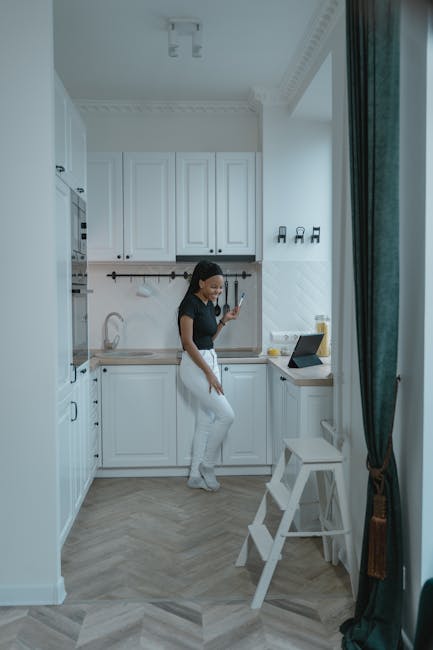
Modern kitchens focus on clean lines and minimalism. Sleek surfaces and neutral tones dominate. Open spaces and integrated appliances are common features. Traditional kitchens, on the other hand, embrace warmth and detail. They often include ornate cabinetry and rich colors. Both styles offer unique aesthetics. Choosing between them depends on personal taste and lifestyle needs.
Sustainable Materials
Eco-friendly materials are gaining popularity in kitchen design. Bamboo and reclaimed wood are preferred for cabinetry. These choices reduce environmental impact. Recycled glass countertops offer durability and style. Low-VOC paints are used to improve air quality. Sustainability in design supports a healthier planet and home.
Smart Technology Integration
Smart technology transforms kitchen functionality. Wi-Fi-enabled appliances allow remote control. Smart refrigerators can track food inventory. Voice-activated assistants manage tasks like setting timers. Touchless faucets offer convenience and hygiene. Technology enhances efficiency and adds modern flair to kitchen spaces.
Credit: www.stollindustries.com
Key Design Elements
Designing a kitchen involves understanding essential elements that shape its functionality and aesthetics. Key design elements create harmony in your kitchen space. These elements optimize utility while enhancing visual appeal.
Layout And Space Optimization
The layout defines the kitchen's workflow. An efficient layout boosts functionality. Consider the work triangle, connecting the stove, sink, and refrigerator. This arrangement minimizes unnecessary movement. Space optimization is crucial in small kitchens. Use vertical storage solutions like tall cabinets. Pull-out pantries save space and offer easy access.
Lighting And Ambiance
Proper lighting transforms the kitchen atmosphere. Ambient lighting creates a welcoming mood. Task lighting focuses on work areas like countertops. Under-cabinet lights illuminate cooking zones. Accent lighting highlights decor elements. Choose adjustable fixtures to control brightness. Natural light enhances openness and cheerfulness.
Color Schemes
Colors set the kitchen's tone. Neutral shades provide a timeless look. Bold colors add vibrancy. Light colors make small kitchens feel larger. Dark tones create a cozy environment. Mix and match colors for depth and interest. Coordinate with cabinets and countertops for a cohesive feel.
Material Choices
Choosing the right materials defines your kitchen's style and functionality. Material choices impact durability, aesthetics, and cost. Understanding the options can help create a dream kitchen. Explore different materials for countertops, cabinetry, and flooring.
Countertop Options
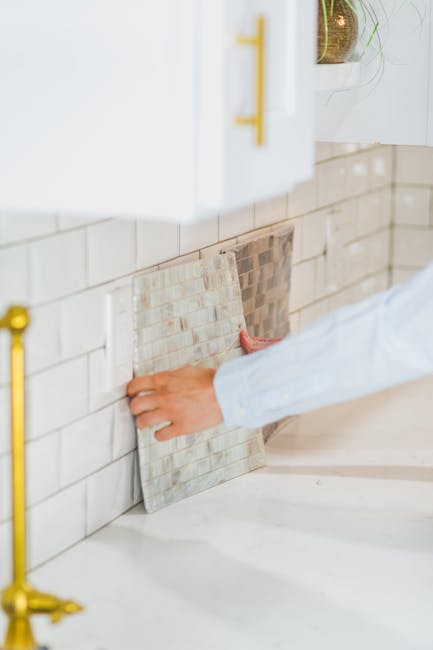
Countertops are the kitchen's workhorse. Granite offers durability and elegance. It's resistant to scratches and heat. Quartz provides a sleek, modern look. It's non-porous and easy to clean. Marble adds luxury with unique patterns. It's softer, so it requires care. Laminate offers affordability and variety. It mimics other materials at a lower cost. Choose based on your style and budget.
Cabinetry Materials
Cabinetry sets the kitchen's tone. Solid wood gives a timeless feel. It's strong and can be painted or stained. Plywood offers strength and affordability. It's often used for cabinet interiors. MDF is smooth and budget-friendly. It's ideal for painted finishes. Thermofoil provides a sleek look with easy maintenance. It's resistant to moisture. Each material offers unique benefits.
Flooring Alternatives
Flooring impacts both style and practicality. Hardwood adds warmth and elegance. It's durable but may need refinishing. Tile offers versatility and easy cleaning. It's ideal for high-traffic areas. Vinyl provides comfort and is budget-friendly. It's water-resistant and easy to install. Laminate resembles wood but costs less. It's easy to maintain. Each option suits different needs and preferences.

Credit: dojobusiness.com
Appliance Selection
Choosing the right appliances for your kitchen can feel overwhelming with the numerous options available. It's not just about picking what looks good; it's about what works best for you and your home. Let's delve into the critical aspects of appliance selection and understand the factors that can enhance your kitchen's functionality and efficiency.
Energy Efficiency
Energy-efficient appliances are not only environmentally friendly but can also save you money in the long run. Imagine reducing your electricity bill while also doing your part to conserve energy. Look for appliances with Energy Star ratings. These are designed to consume less power without compromising performance. Have you ever noticed how some refrigerators run quieter and more efficiently? That's the magic of energy efficiency at work.
Innovative Features
The appliance industry is buzzing with exciting innovations. Touchscreen controls, smart connectivity, and automation are becoming standard features. Imagine preheating your oven with a simple command from your smartphone or having a refrigerator that tracks your grocery list. These features not only add convenience but also elevate your cooking experience. What innovative features do you think would make your life easier?
Brand Comparisons
Brand reputation can significantly influence your appliance choices. Some brands are known for their durability, while others are praised for cutting-edge designs. Comparing brands can help you find appliances that fit your budget and meet your expectations. Create a list of pros and cons for each brand and see which aligns with your kitchen goals. Have you ever had an appliance that exceeded your expectations simply because of the brand?
In the end, the key is to select appliances that cater to your lifestyle and needs. Whether it's saving energy, embracing technology, or choosing the right brand, your kitchen should be a space where functionality meets personal satisfaction. What priorities guide your appliance choices?
Kitchen Design Costs
Kitchen design costs vary widely depending on the materials and layout chosen. Industry statistics show that expenses can range from affordable DIY projects to high-end professional designs. Understanding these trends helps homeowners plan their budgets effectively.
Designing a kitchen involves several decisions, especially regarding costs. Understanding kitchen design costs helps make informed choices. It's crucial to balance dreams with reality. Expenses can vary based on size, materials, and location. Knowing where your money goes ensures you get the best value.
Budgeting Tips
Set a clear budget before starting. This prevents overspending. Research average costs in your area. Allocate funds for essentials first. Cabinets, appliances, and countertops take a large portion. Leave room for unexpected expenses. Price shop for deals and discounts. Consider DIY for minor tasks to save money.
Cost Vs. Value
Consider the long-term value of your investment. Quality materials may cost more but last longer. High-end appliances can increase home value. A well-designed kitchen appeals to potential buyers. Balance initial costs with future benefits. Investing wisely can enhance both function and style.
Financing Options
Explore different financing options if needed. Home equity loans often have lower interest rates. Personal loans offer flexibility in repayment. Some stores provide installment plans for big purchases. Consider credit cards with zero interest for a limited time. Always calculate total interest to avoid surprises. Choose the option that best suits your situation.
Industry Statistics
Understanding the kitchen design industry is crucial for designers and homeowners. Industry statistics provide insights into market trends and consumer behaviors. These statistics help in making informed design decisions. Let's delve into some key data points.
Market Growth
The kitchen design industry is booming. Reports indicate a steady annual growth rate of 5%. This growth is driven by rising home renovations and new constructions. Smart kitchens and sustainable solutions are key contributors. The demand for eco-friendly materials continues to rise.
Consumer Preferences
Consumer preferences shape the kitchen design industry. Many prefer open-plan kitchens that blend with living areas. There is a strong demand for energy-efficient appliances. Homeowners seek modern aesthetics with a touch of nature. Natural light and neutral colors are popular choices.
Regional Differences
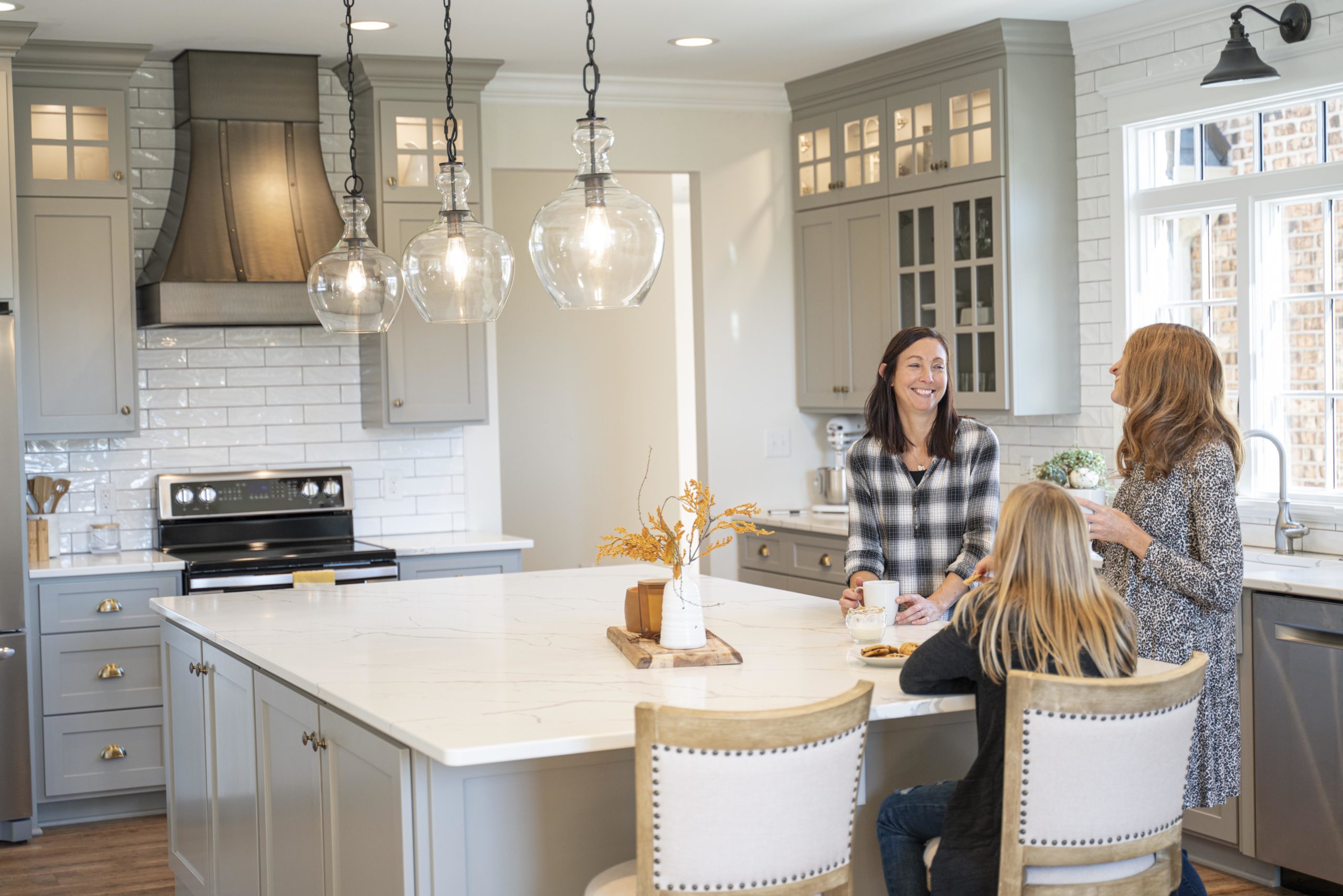
Regional differences impact kitchen design trends. In North America, there's a preference for large kitchen islands. European designs focus on compact and efficient layouts. Asian markets emphasize minimalist styles with high functionality. Each region has unique design priorities.

Credit: www.thefarnsworthgroup.com
Frequently Asked Questions
What Are Current Kitchen Design Trends?
Modern kitchen design trends focus on sustainability, minimalism, and functionality. Open shelving, smart appliances, and eco-friendly materials are popular. Neutral colors with bold accents create a timeless look. Incorporating natural elements like wood and stone enhances aesthetics. These trends aim to create a stylish and efficient space that meets contemporary needs.
How Important Is Kitchen Layout Design?
Kitchen layout is crucial for functionality and efficiency. A well-planned layout ensures smooth workflow and maximizes space. Popular layouts include L-shaped, U-shaped, and galley kitchens. Each layout offers unique benefits and suits different space sizes. A good layout enhances cooking experience, making it easier to move and work.
What Role Does Technology Play In Kitchen Design?
Technology revolutionizes kitchen design with smart appliances and automation. Features like voice-activated assistants and app-controlled devices enhance convenience. Smart refrigerators, ovens, and dishwashers offer energy efficiency and advanced functionalities. Technology integration creates a modern, connected kitchen that simplifies tasks and improves overall user experience.
How Does Sustainability Impact Kitchen Design?
Sustainability significantly influences kitchen design with eco-friendly materials and energy-efficient appliances. Recycled materials, bamboo, and reclaimed wood are popular choices. Energy-efficient lighting and appliances reduce environmental impact and costs. Sustainable design promotes resource conservation and healthier living environments, making it a priority for many homeowners.
Conclusion
Designing a kitchen involves understanding key industry statistics. These figures guide decision-making. They help in selecting materials, layouts, and appliances. Trends show what's popular and functional. Statistics highlight efficient designs. They point out cost-effective options. Knowing these helps avoid mistakes.
It saves time and money. It leads to smarter choices. A well-designed kitchen boosts home value. It enhances daily life. It provides comfort and convenience. Being informed makes a difference. Statistics offer valuable insights. Use them wisely for successful kitchen design.