
Imagine having a kitchen that not only functions seamlessly but also becomes the heart of your home. A well-designed kitchen island can make this dream a reality.
It’s more than just a piece of furniture; it’s a multifunctional hub that can transform the way you cook, entertain, and even work. But how do you create the perfect kitchen island that suits your unique needs and style? In this guide, we'll unravel the secrets of designing a kitchen island that fits seamlessly into your space while enhancing its aesthetic appeal.
Whether you're looking to increase storage, add seating, or create a stunning focal point, this article will guide you step by step. Don't miss out on discovering how to transform your kitchen into a space you'll love spending time in every day.
Choosing The Right Size
Selecting the ideal size for a kitchen island enhances both functionality and style. Ensure it fits your space, allowing smooth movement around it. Balance between storage, seating, and work area for a harmonious kitchen design.
Choosing the right size for your kitchen island can transform it from a simple fixture into the heart of your home. It’s not just about aesthetics; a well-sized island enhances functionality, boosts storage, and makes cooking a breeze. But how do you decide what size is ideal? Let's dive into some practical insights to help you make the best choice for your space.
Assessing Space Availability
Start by evaluating the space you have. Measure your kitchen to determine how much room is available for an island. Consider the distance between the island and other fixtures like cabinets, appliances, and walls. Imagine navigating your kitchen during a busy dinner prep. You don't want to feel cramped or struggle to move around. Ensure there's ample space for foot traffic and that your island doesn't disrupt the flow. Is there enough room for seating if that’s on your wish list? Think about how you'll use the island. Will it be a social hub or just a prep area? Your answers will guide the size decision.
Proportion And Balance
Your kitchen island should harmonize with the rest of your kitchen. An oversized island can dominate, while a tiny one might seem out of place. Consider the overall dimensions of your kitchen. Picture your kitchen as a canvas. The island should be a complementary element, not overpowering the scene. Balance is key to creating a visually appealing space. Do you have a large kitchen? A bigger island can serve as a central attraction without overwhelming the area. In smaller kitchens, a compact island might be the perfect choice for maintaining openness. Remember, your kitchen island should enhance the kitchen experience, not hinder it. Finding the right size is about creating a space that's both functional and welcoming. How will your kitchen island fit into your daily life?

Credit: www.roomsketcher.com
Selecting Materials
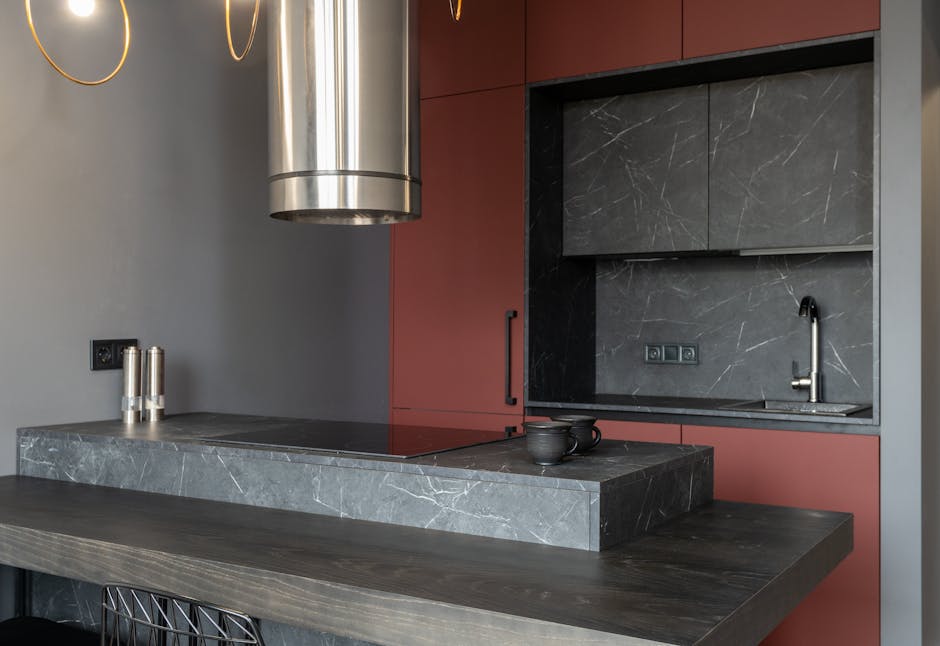
Choosing the right materials is key to designing a functional kitchen island. Wood offers warmth and durability. Marble adds elegance but needs care. Stainless steel is modern and easy to clean. Each material impacts the island's look and feel.
Designing a kitchen island is an exciting project that allows you to blend functionality with style. A crucial part of this process is selecting the materials that will make your island both durable and visually appealing. The right choice can transform your kitchen into a space where you love to cook and entertain. Let's dive into some key considerations for choosing materials.
Countertop Options
When you think about countertops, consider how you'll use your kitchen island. If you're a fan of baking, a smooth marble surface might be perfect for rolling out dough. Granite is an excellent choice for durability, resisting scratches and heat, while its natural patterns add a touch of elegance. Quartz countertops are another popular option. They offer a sleek look and are virtually maintenance-free, making them ideal for busy households. What do you prioritize more—style or practicality? Your answer will guide your choice.
Base Materials And Finishes
The base of your island should complement the rest of your kitchen design. Solid wood bases provide warmth and a classic look, while painted finishes can add a pop of color or a modern touch. Consider the finish options. A glossy finish can make your island the centerpiece of the kitchen, while a matte finish offers a more understated elegance. Think about how these finishes will interact with natural light in your space. Mixing materials can also be intriguing. Pairing wood with metal elements, like stainless steel, can create a unique industrial vibe. What combination speaks to your style and suits your daily needs? Selecting materials for your kitchen island is about balancing aesthetics with functionality. It's your chance to make a statement and create a space that reflects your personality and lifestyle. What materials will you choose to bring your vision to life?
Functionality And Features
Designing a kitchen island involves focusing on practicality and style. Ensure ample storage, seating, and workspace. Integrate appliances like sinks or cooktops for added efficiency.
Designing a kitchen island is not just about aesthetics. It's about creating a space that enhances your culinary experience. A well-thought-out island can transform your kitchen into a more functional and enjoyable environment.
Storage Solutions
Imagine having a place for everything in your kitchen. With the right storage solutions on your island, you can achieve just that. Think about deep drawers for pots and pans, and open shelves for your cookbooks. You could even add pull-out bins for easy waste disposal. Consider what you use most often and design your storage to make these items easily accessible. Do you find yourself always searching for that one elusive spice jar? Designate a spice rack section to keep them all in one place.
Seating Arrangements
Would you like your kitchen to be a social hub? Adding seating to your island can make it a perfect spot for casual meals or catching up with family. It’s essential to ensure comfortable spacing between seats, allowing enough room for everyone to move freely. Think of how often you host gatherings. If you love hosting, consider adding more seating. For those who prioritize intimate family time, a couple of stools might suffice.
Incorporating Appliances
Have you ever thought about the convenience of having a small fridge or a dishwasher in your island? Incorporating appliances can save time and streamline your kitchen workflow. Consider what appliances you use most frequently and how they can fit into your island design. A built-in cooktop can make preparing meals more interactive, allowing you to face your guests while you cook. But be mindful of the available space. Adding too many appliances can make your kitchen feel cramped rather than functional. With these insights, how do you envision your ideal kitchen island? Remember, the best designs cater to your specific needs and preferences. Prioritize functionality, and your kitchen island will undoubtedly become the heart of your home.
Aesthetic Considerations
Designing a kitchen island involves thoughtful aesthetic choices. Consider size, shape, and material to complement your kitchen style. Balance functionality with visual appeal for a harmonious and inviting space.
Designing a kitchen island is more than just a practical task; it's an opportunity to enhance the heart of your home. Aesthetic considerations play a crucial role in this process. By focusing on color, texture, lighting, and ambiance, you can create a kitchen island that not only serves your needs but also elevates your kitchen's overall appeal.
Color And Texture
Choosing the right color and texture for your kitchen island can set the tone for the entire space. Consider the existing color palette in your kitchen. Do you want the island to blend in or stand out? Lighter colors can make a small kitchen feel more open, while darker shades can add a touch of elegance and drama. On a recent renovation project, I opted for a soft sage green island with a smooth, matte finish. It beautifully complemented the white cabinetry and added a refreshing pop of color without overwhelming the space. Textures play a vital role too. A rough, reclaimed wood countertop can add warmth and character, while sleek, polished surfaces lend a modern touch. Think about what textures you are drawn to and how they will interact with the other elements in your kitchen.
Lighting And Ambiance
Lighting can transform the ambiance of your kitchen island dramatically. Consider installing pendant lights above the island for focused task lighting. They not only illuminate your work surface but also act as a design statement. Think about the mood you want to create. Bright, white lights can energize the space, perfect for a busy morning routine. Meanwhile, dimmable lights allow you to adjust the brightness to create a cozy atmosphere for evening gatherings. On a personal note, I once chose a trio of vintage-style pendant lights with Edison bulbs for my kitchen island. The warm glow they cast over the island made it a favorite spot for late-night conversations and morning coffee. Ask yourself, how do you want your kitchen island to make you feel? The right lighting can help you achieve that desired ambiance and enhance the functionality of your space.
Maximizing Efficiency
Designing a kitchen island demands careful planning. Efficiency remains a top priority. An efficient island transforms your kitchen. It enhances functionality and ease. Consider various factors to maximize efficiency. Workflow and ergonomics play crucial roles.
Workflow Optimization
A well-planned workflow saves time. Place the island strategically. It should be near the stove, sink, and fridge. This creates a work triangle. It minimizes movement and increases productivity. Include storage for frequently used items. This keeps essentials within arm's reach. Consider adding a prep sink. It aids in food preparation and cleaning. A trash bin nearby helps with waste management.
Ergonomic Design
Comfort is key in kitchen design. Ensure your island's height suits your needs. Standard height is 36 inches. Taller individuals might prefer 42 inches. Provide ample legroom for seating areas. This enhances comfort for family and guests. Choose materials that are easy to clean. Non-slip surfaces improve safety. Ensure adequate lighting above the island. Proper lighting reduces strain and enhances visibility.
:strip_icc()/Traditiona-kitchen-island-MID_7006334_Shot_1_29-copy_30IsyS2AKQoA5KQQl5K3L7-a27924a64c6246abbd9201c8f1dc7fa5.jpg)
Credit: www.bhg.com
Personalizing Your Island
Personalizing your kitchen island can transform your cooking space into a unique hub that reflects your style and meets your needs. Imagine walking into your kitchen and seeing an island that’s not just functional but also a true representation of your personality. It’s your chance to blend practicality with creativity, making everyday tasks a joy. Let’s dive into how you can tailor your kitchen island to fit your personal style and preferences.
Custom Design Elements
Adding custom design elements to your island can make a world of difference. Consider integrating features like built-in wine racks or a small bookshelf for your cookbooks. You could even add a charging station for your electronics, perfect for following recipes online.
Think about the materials that resonate with you. Do you love the rustic charm of wood, or does sleek stainless steel appeal to your modern taste? The choice of materials can set the tone for your entire kitchen. Picking the right ones will ensure your island becomes a centerpiece you love.
Incorporating Personal Style
How do you express your personal style in your kitchen? Is it through vibrant colors or understated elegance? Paint your island in a shade that excites you every time you enter the room. Or, choose neutral tones for a timeless look.
Consider adding decorative elements like pendant lighting or custom knobs and handles. These small touches can make a big impact. They’re easy to change, allowing you to refresh your kitchen’s look whenever you feel like a change.
Personalizing your kitchen island isn’t just about aesthetics. It’s about creating a space that works for you. Do you enjoy hosting dinners? A larger surface can accommodate more seating. Love baking? Add extra storage for your baking tools and ingredients. How will you ensure your kitchen island reflects your lifestyle?
Budgeting And Planning
Designing a kitchen island requires careful budgeting and planning. It's crucial to balance cost and design. A well-planned budget ensures a smooth process. Planning lets you foresee challenges and avoid costly errors. Here's how to navigate the financial aspects of your kitchen island project.
Cost Estimation
Start by estimating the cost of your kitchen island. Consider materials, labor, and additional features. Basic islands with simple designs cost less. Premium materials like marble or granite increase expenses. Custom features like sinks or cooktops add to the budget. Create a detailed list of all potential costs. This helps in avoiding unexpected expenses.
Hiring Professionals Vs. Diy
Decide between hiring professionals or a DIY approach. Professionals bring expertise and experience. They ensure a high-quality finish but come at a higher cost. DIY projects save money, but they require time and skill. Assess your abilities honestly before choosing DIY. For complex designs, hiring experts might be wise. Balance your budget with your skills and time availability. This decision affects the overall cost and quality of your kitchen island.
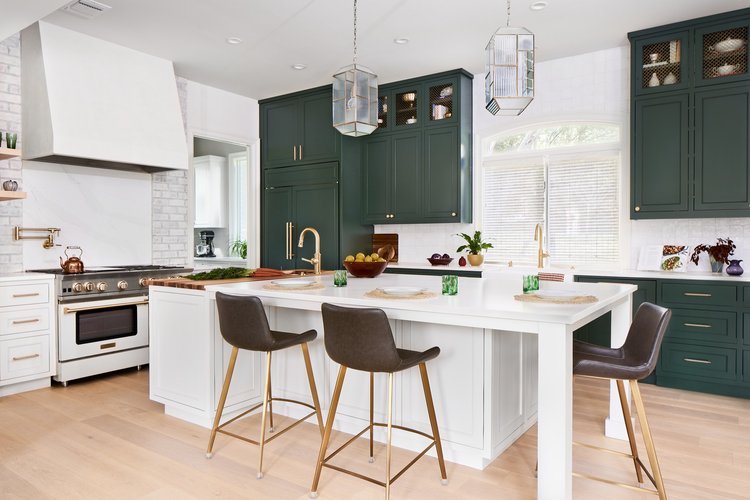
Credit: www.studiodk.com
Frequently Asked Questions
What Is The Ideal Height For A Kitchen Island?
The ideal height for a kitchen island is typically around 36 inches. This height is standard for kitchen counters, providing a comfortable workspace. If you plan to use bar stools, consider a height of 42 inches to accommodate seating comfortably.
How Much Space Should Surround A Kitchen Island?
Ensure there is at least 36 to 48 inches of clearance around your kitchen island. This space allows easy movement and access to cabinets and appliances. Adequate clearance ensures functionality and convenience, especially during meal preparation and entertaining.
What Materials Are Best For Kitchen Islands?
Popular materials for kitchen islands include granite, quartz, and butcher block. Granite and quartz offer durability and a sleek appearance. Butcher block provides a warm, rustic look and is ideal for prep work. Consider your style and maintenance preferences when choosing materials.
Can A Kitchen Island Include Appliances?
Yes, kitchen islands can feature appliances like sinks, cooktops, and dishwashers. Including appliances enhances functionality and maximizes space. Ensure proper installation and ventilation for appliances. Consult a professional for design and installation to meet all safety standards.
Conclusion
Designing a kitchen island can be fun and rewarding. Consider your space and needs first. Focus on size, shape, and functionality. Choose materials that match your kitchen's style. Storage options can enhance organization. Seating arrangements add social elements. Lighting plays a crucial role in ambiance.
Remember, your kitchen island should reflect your lifestyle. It’s not just about looks, but also utility. With thoughtful planning, your island becomes a beautiful centerpiece. It will serve both as a workspace and gathering spot. Enjoy the process and the results.
Your dream kitchen island awaits you!