
Designing a kitchen layout is like setting the stage for countless meals, shared laughter, and cozy family gatherings. It's where functionality meets creativity, and the heart of your home comes to life.
But where do you start? Maybe you feel overwhelmed by the endless choices, or you're unsure how to make the most of your space. Don't worry; you're not alone. Imagine walking into a kitchen that feels just right for you, where every detail reflects your style and needs.
Excited to find out how? Let’s dive into the secrets of creating a kitchen layout that not only looks beautiful but also works brilliantly for you.
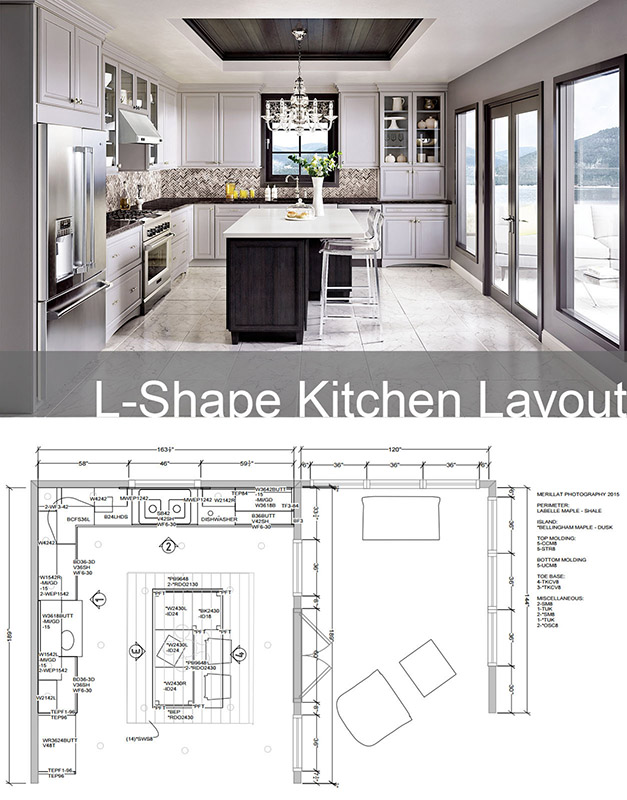
Credit: www.merillat.com
Kitchen Work Triangle
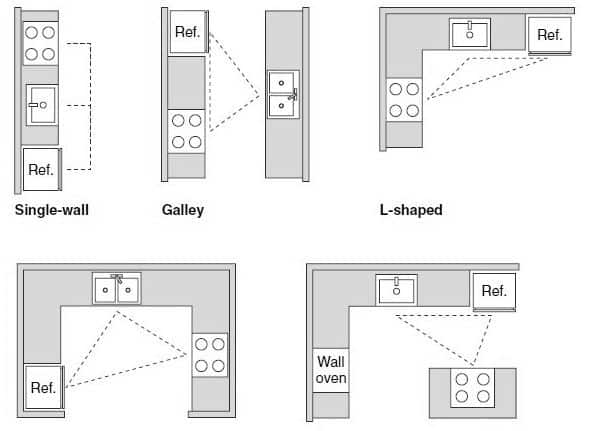
The kitchen work triangle is a key concept in kitchen design. It focuses on the relationship between the stove, sink, and refrigerator. This layout helps create a kitchen that is both efficient and functional. The idea is simple. Place these elements so they form a triangle. This design reduces unnecessary steps. It makes cooking and cleaning more convenient.
Efficiency And Functionality
An efficient kitchen layout can save time and energy. The work triangle is the foundation of this efficiency. By organizing the stove, sink, and refrigerator, you improve workflow. This arrangement minimizes walking distances. It also keeps the kitchen space organized. A functional kitchen allows easy movement. This enhances cooking experiences.
Optimal Distances
The work triangle has specific distance recommendations. The sum of the triangle's sides should be between 12 to 26 feet. This ensures the kitchen is neither too cramped nor too spread out. Each leg of the triangle should be 4 to 9 feet. This distance allows for easy access to each workstation. Maintaining these distances can improve efficiency. It also prevents overcrowding.
Choosing The Right Layout
Choosing the right kitchen layout is crucial for a functional space. It influences how you cook, entertain, and move around. The right layout can make your kitchen more efficient and enjoyable. Let's explore different layout options to find what suits your needs best.
L-shaped Kitchens
L-shaped kitchens are perfect for small spaces. They use two adjacent walls, forming an 'L' shape. This layout offers flexibility and easy access to appliances. It's great for open-plan designs and allows for efficient workflow. The L-shape creates a natural dining area, adding to its appeal.
U-shaped Kitchens
U-shaped kitchens provide ample counter space. They surround you with cabinetry, creating a cozy cooking hub. This layout is ideal for larger kitchens, offering lots of storage. It keeps everything within reach, reducing steps between tasks. The U-shape is great for busy cooks needing extra space.
Galley Kitchens
Galley kitchens are compact and efficient. They feature two parallel counters, maximizing space. This layout is perfect for small homes or apartments. It creates a streamlined workflow, making cooking quicker. Galley kitchens are practical and easy to maintain.
Island And Peninsula Options
Islands and peninsulas add extra functionality. They provide additional workspace and storage. Islands can be a focal point, offering seating for guests. Peninsulas extend from the main counters, integrating seamlessly. These options enhance your kitchen's versatility and style.
Maximizing Storage Space
Maximizing storage space in your kitchen can transform your cooking experience. A well-designed kitchen layout not only looks beautiful but also ensures efficiency. With the right strategies, you can create ample storage without compromising style. Below are some effective ways to maximize storage in your kitchen.
Cabinet Solutions
Cabinets are the backbone of kitchen storage. Consider installing pull-out shelves for better access. They make finding items easier. Deep drawers can store pots, pans, and large bowls. Use adjustable shelves to customize cabinet space for different items. Corner cabinets with lazy Susans prevent wasted space.
Utilizing Vertical Space
Vertical space is often overlooked in kitchens. Install tall cabinets that reach the ceiling. They provide extra storage for rarely used items. Use wall-mounted racks for pots, pans, and utensils. Hooks can hold mugs or kitchen towels. Open shelving adds storage and displays your favorite items.
Smart Pantry Designs
A well-organized pantry saves time and effort. Consider pull-out pantry shelves for easy access. Use clear containers to store dry goods. Label them for quick identification. Door racks can hold spices and small items. Tiered shelves make canned goods visible and reachable.
Credit: vevano.com
Lighting Essentials
Designing a kitchen layout involves careful lighting choices to enhance functionality and style. Good lighting ensures every corner is bright, making cooking tasks easier. Proper placement of lights can transform the kitchen into a welcoming space.
When you're designing a kitchen layout, lighting can make or break the space. Lighting isn't just about aesthetics; it plays a crucial role in functionality. Imagine chopping veggies in dim light or struggling to find ingredients in a shadowed pantry. Good lighting transforms your kitchen into a vibrant, efficient space. But how do you choose the right lighting? Understanding the essentials—task, ambient, and accent lighting—will guide you to design a kitchen that's both beautiful and practical.
Task Lighting
Task lighting is the backbone of your kitchen. It illuminates specific areas where you perform tasks like chopping, cooking, and reading recipes. Think about under-cabinet lights that brighten up countertops or pendant lights over your island. When choosing task lighting, consider LED options for energy efficiency and longevity. They provide bright, focused light perfect for detailed work. Ask yourself: Are there dark spots in your kitchen layout? Adding task lighting can eliminate shadows, making your kitchen a safer and more enjoyable place to cook.
Ambient Lighting
Ambient lighting sets the overall mood of your kitchen. It's the general lighting that fills the room, ensuring it's well-lit without overpowering specific tasks. Ceiling fixtures and recessed lights are common choices for ambient lighting. Experiment with dimmable options to adjust the brightness according to your needs. A brighter setting for busy mornings, a softer glow for cozy dinners. How does your kitchen feel during different times of the day? Ambient lighting should adapt to various activities, enhancing comfort and usability.
Accent Lighting
Accent lighting adds a touch of drama and highlights specific features in your kitchen. Whether it's showcasing a beautiful backsplash or illuminating open shelves, accent lighting creates focal points. Consider strip lights above cabinets or spotlights directed at a decorative piece. These lights draw attention and add personality to your space. What unique elements do you want to highlight? Accent lighting can turn ordinary spaces into eye-catching areas, adding depth and interest to your kitchen design. By carefully choosing and layering these three types of lighting, you can craft a kitchen that's not only stylish but also highly functional. Whether you're an avid cook or someone who enjoys the occasional culinary adventure, the right lighting setup can transform your kitchen experience.
Material And Finish Selection
Choosing the right materials and finishes can transform a kitchen's look. Focus on durability and style to enhance functionality. Opt for easy-to-clean surfaces to maintain a neat appearance.
Designing a kitchen layout involves several crucial steps, with material and finish selection being one of the most important. The materials you choose will not only impact the look and feel of your kitchen but also its functionality and durability. By making informed choices, you can create a kitchen that is both beautiful and practical.
Durability Considerations
When choosing materials for your kitchen, durability should be a top priority. Think about how often you cook and entertain. High-traffic kitchens benefit from materials like quartz or granite for countertops, as they withstand wear and tear. Cabinet finishes also matter. Solid wood or high-quality plywood can handle frequent use better than particleboard. Remember, a durable kitchen is a long-lasting kitchen.
Aesthetic Appeal
Your kitchen should reflect your personal style. Do you prefer a sleek, modern look or a cozy, traditional vibe? Materials like stainless steel can offer a contemporary feel, while wood brings warmth and character. Color and texture also play a significant role. Glossy finishes can brighten a space, while matte finishes add subtle elegance. Your kitchen should be a space you love to spend time in.
Cost-effectiveness
Budget is always a consideration. Some materials, like marble, can be quite expensive, but there are affordable alternatives like laminate or ceramic tiles. Think about where to splurge and where to save. Investing in high-quality countertops might be worth it, while more budget-friendly options for cabinet finishes could still look great. Balancing cost with quality ensures you get the most value for your money. Are you willing to compromise on certain features to stick to your budget? Selecting the right materials and finishes for your kitchen is a crucial step in the design process. By considering durability, aesthetic appeal, and cost-effectiveness, you can create a kitchen that meets your needs and reflects your style. What choices will you make to create your dream kitchen?
Incorporating Technology
Designing a kitchen layout becomes easier with modern technology. Use 3D design software to visualize your space. Smart appliances can help optimize functionality and efficiency.
Designing a kitchen layout with technology in mind can transform your cooking space into a futuristic hub of convenience. Modern kitchens aren't just about looks anymore; they are about functionality and efficiency. By embracing technology, you can enhance your cooking experience and make daily tasks easier.
Smart Appliances
Imagine starting your oven from your phone while you’re still at the grocery store. Smart appliances like refrigerators that remind you of expiring items or dishwashers you can schedule from your tablet are game-changers. They save time and help you maintain a seamless routine. Smart appliances are not just a luxury; they are practical tools that can simplify your life. Look for options that connect with your existing smart home system. This integration helps streamline your tasks and keeps everything in sync.
Efficient Ventilation
Good ventilation is crucial to maintaining a fresh kitchen environment. Modern exhaust fans and range hoods with smart sensors can automatically adjust settings based on the amount of smoke or steam. This ensures efficient air circulation without manual intervention. Have you ever noticed how cooking smells linger even after you've finished eating? Efficient ventilation helps eliminate these odors quickly. Consider a system that operates quietly but powerfully, keeping your kitchen air clean and odor-free.
Integrated Sound Systems
Cooking is more enjoyable with your favorite tunes playing in the background. Integrated sound systems allow you to control music or podcasts from your kitchen controls. Whether you’re hosting a dinner or just cooking solo, the right soundtrack can set the mood. Consider installing speakers that blend seamlessly with your kitchen design. These systems can be voice-activated, making it easy to adjust volume or change tracks without touching a button. Does your kitchen have the right vibe for a cooking session? Incorporating technology in your kitchen isn't just about the gadgets; it's about creating a space that works for you. What technology would make your kitchen the best room in the house?
Personalizing Your Space
Designing a kitchen layout is an exciting journey, especially when you get to personalize your space. It's your chance to create a cooking haven that truly reflects who you are and how you live. By focusing on key elements like color schemes, decorative touches, and adapting to lifestyle, you can transform your kitchen into a unique and functional space. Let's dive into how you can make each aspect of your kitchen distinctly yours.
Color Schemes
Colors can set the mood in your kitchen. Think about what feelings you want to evoke while you cook or entertain. Do you want a bright, energizing space or a calm, soothing retreat?
Consider using a mix of bold and neutral colors. Bold colors like red or yellow can add excitement, while neutral tones like grey or white can provide balance. You could even try a two-tone scheme, like pairing navy with white for a modern yet classic look.
Personal story: I once painted my kitchen walls a vibrant teal, and it instantly became a conversation starter with guests. It made the space feel lively and welcoming. What colors speak to you?
Decorative Elements
Decorative elements bring character to your kitchen. Think of them as the accessories that complete your outfit. Simple touches can make a big impact.
Consider adding artwork or photos to your walls. Displaying family recipes or food-themed art can make your kitchen feel homey. Small plants or herbs on windowsills can add a touch of nature.
Experiment with lighting fixtures. Unique pendant lights or under-cabinet LEDs can change the atmosphere dramatically. I swapped out a standard light for a vintage chandelier once, and it transformed the room’s vibe instantly.
Adapting To Lifestyle
Your kitchen should cater to your lifestyle needs. Do you love hosting dinner parties, or is quick meal prep more your style? Design your kitchen to suit your daily habits.
If you enjoy entertaining, consider an open layout with a large island for guests to gather around. If cooking is your passion, ensure there’s ample counter space for preparing meals.
Think about storage solutions that work for you. Open shelving can display dishes beautifully but may require more upkeep. Closed cabinets keep things tidy. I found that installing pull-out shelves in my pantry made accessing items much easier.
How does your kitchen layout adapt to your life? It should be a space that not only looks good but feels right for you.
Credit: www.fitzgeraldkitchens.com
Frequently Asked Questions
What Are The Key Elements In Kitchen Design?
The key elements include layout, functionality, and aesthetics. A well-planned layout ensures efficient workflow. Functionality focuses on storage and appliances. Aesthetics integrate colors and materials for a harmonious look. Together, these elements create a kitchen that's both practical and visually appealing.
How Do I Choose A Kitchen Layout?
Start by considering your space and needs. Popular layouts include U-shaped, L-shaped, and galley. Each offers unique benefits. U-shaped maximizes space, L-shaped suits open areas, and galley is efficient for small spaces. Choose a layout that complements your lifestyle and kitchen size.
What Is The Best Kitchen Layout For Small Spaces?
Galley kitchens are ideal for small spaces. They feature two parallel counters, maximizing storage and efficiency. This layout creates a seamless workflow while utilizing limited space effectively. It's perfect for apartments or homes where space is a constraint, ensuring functionality without compromising style.
How Important Is The Kitchen Triangle Concept?
The kitchen triangle is crucial for efficiency. It connects the sink, stove, and refrigerator, minimizing movement. This concept ensures a streamlined workflow, reducing time spent moving between tasks. Proper implementation enhances kitchen functionality, making cooking and cleaning more convenient and enjoyable.
Conclusion
Designing a kitchen layout can feel overwhelming at first. But it doesn't have to be. Start with a clear plan. Think about your needs. Consider the space available. Focus on functionality and flow. Ensure easy access to essentials. Choose a layout that suits your lifestyle.
Remember, lighting is crucial. Good light enhances both function and mood. Don't forget about storage. Ample space keeps your kitchen organized. Finally, choose materials that are both durable and stylish. With these tips, you'll create a kitchen layout that’s both beautiful and practical.
Enjoy your new cooking space!