
Imagine walking into a kitchen that feels just right — where every appliance is within reach, the counter space is ample, and the design flows seamlessly. This is the dream for many homeowners and chefs alike.
But how do you get there? How do you design a kitchen that not only meets your needs but also aligns with the latest market trends? If you're planning a kitchen makeover or designing one from scratch, understanding the market size is crucial.
It gives you insights into the latest innovations, popular styles, and must-have features. It also helps you gauge the value your investment might add to your home. You'll discover everything you need to know about designing a kitchen that suits your lifestyle and enhances your home’s market appeal. Whether you're a homeowner, a designer, or a curious soul, this guide will unlock the secrets to a kitchen that combines functionality with style. Dive in, and let’s explore how you can transform your kitchen into a space that's both beautiful and efficient.
Current Market Trends
Understanding the current trends in kitchen design can empower you to make smart decisions when planning your space. With the kitchen being the heart of the home, it's crucial to align with what's popular and practical. Let's dive into the latest movements shaping the kitchen market today.
Sustainable Materials
Eco-friendly designs are gaining momentum. People are opting for materials like bamboo and recycled glass. You might wonder how these choices impact the environment positively. They reduce waste and promote sustainability, making your kitchen both stylish and responsible.
Smart Technology Integration
Technology is transforming kitchens into futuristic spaces. Smart appliances that connect to your phone are now commonplace. Imagine adjusting your oven's temperature while you're still at the grocery store. This convenience is becoming a standard expectation in modern kitchen designs.
Minimalist Designs
Less is more in today's kitchen design. Clean lines and simple layouts create a sense of calm. Have you noticed how a clutter-free environment can boost productivity and mood? This trend emphasizes function without sacrificing style, making your kitchen a serene place to cook and gather.
Open Shelving Concepts
Open shelving adds character and accessibility. It allows you to showcase beautiful dishware and keep essentials within reach. Is your kitchen feeling a bit cramped? This design choice can open up your space, giving it a more airy and inviting look.
Customization And Personalization
Personal touches are defining kitchens today. Custom cabinetry and unique fixtures reflect individual tastes. Have you considered how your kitchen can tell your story? Personalization transforms a generic space into a reflection of your style, making it uniquely yours.
As you explore these trends, think about how they can fit into your vision for your kitchen. Are there any that resonate with your lifestyle and values? Embracing current trends can help create a kitchen that's not only functional but also a true extension of you.
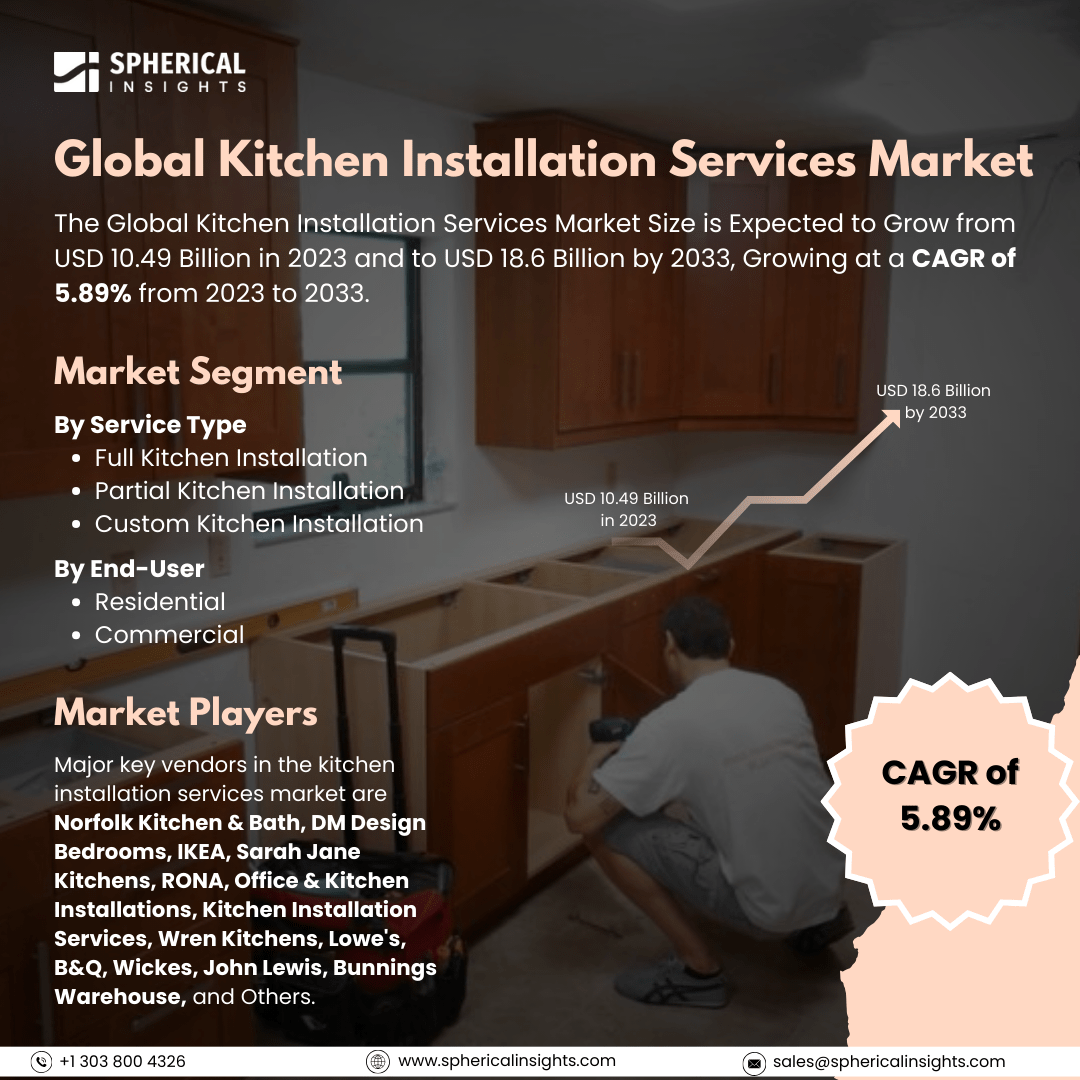
Credit: www.sphericalinsights.com
Consumer Preferences
Understanding consumer preferences is vital in kitchen design. People's choices shape the kitchen market. Preferences affect trends and styles. Knowing what consumers want helps businesses cater to needs.
Consumer Trends In Kitchen Design
Modern consumers favor functional kitchens. Features that simplify cooking are popular. Smart appliances are in demand. People seek energy-efficient options. Sleek designs attract many buyers. Minimalism is preferred by many.
Color Choices And Material Preferences
Neutral colors dominate kitchens today. White, gray, and beige are popular choices. Bold colors sometimes add flair. Many prefer natural materials. Wood and stone are favorite picks. Durability matters in material choice.
Layout And Space Utilization
Open spaces are preferred by many. An airy feel is desired by homeowners. Efficient use of space is crucial. Consumers like island layouts. Multi-functional spaces are in demand. Compact designs suit small homes.
Technology Integration
Tech-savvy consumers want smart kitchens. Wi-Fi-enabled appliances are desired. Touch-free features are popular. Energy-saving gadgets attract buyers. Tech integration enhances convenience. It makes cooking more enjoyable.
Impact Of Technology
Technology helps designers create modern kitchens with smart appliances. This boost in design options grows the kitchen market. People now seek tech-friendly, efficient spaces, leading to increased demand.
The impact of technology on kitchen design is undeniable and transformative. Today's kitchens are not just spaces for cooking; they're becoming smarter, more efficient, and tailored to our fast-paced lives. Technology is reshaping how we interact with our kitchen spaces, making them more convenient and enjoyable.
Smart Appliances: The Game Changer
Smart appliances have revolutionized kitchen experiences. Imagine a fridge that tells you what's inside without opening it or an oven that you can control with your smartphone. These innovations not only save time but also enhance efficiency and precision in cooking. Smart appliances can even suggest recipes based on the ingredients you have. They make meal prep easier and reduce food waste. How often have you wished for a more organized cooking process? Smart technology makes it possible.
Virtual Kitchen Design Tools
Designing a kitchen has never been easier thanks to virtual design tools. These platforms allow you to visualize your kitchen before any physical changes. You can experiment with different layouts, colors, and styles without any commitment. Virtual tools often provide a 3D experience, offering a realistic view of your future kitchen. This helps in making informed decisions, reducing the chances of costly mistakes. Have you ever regretted a design choice? Virtual tools can help prevent that.
The Rise Of Iot In Kitchens
The Internet of Things (IoT) is connecting kitchen devices like never before. It allows appliances to communicate with each other, creating a seamless cooking environment. For instance, your coffee machine could start brewing as soon as your alarm goes off. IoT also enables energy efficiency by monitoring and optimizing appliance usage. This can lead to lower utility bills and a more sustainable lifestyle. Isn't it intriguing how connectivity can enhance both convenience and conservation?
Voice-activated Assistants
Voice-activated assistants are becoming kitchen staples. They offer hands-free control, making multitasking easier. Whether it's setting timers, converting measurements, or controlling smart appliances, voice commands streamline kitchen tasks. These assistants can even play your favorite music or podcasts while you cook. They turn your kitchen into a versatile space for both work and leisure. Have you tried using voice commands in your kitchen yet?
Impact On Market Size
The integration of technology in kitchen design significantly impacts market size. There’s a growing demand for smart kitchens, pushing manufacturers to innovate and expand. This surge is creating opportunities for businesses and driving economic growth. Consumers are willing to invest in technology that adds value to their daily lives. As a result, the kitchen market is expanding, offering more options and better technology. How will you leverage this trend in your kitchen design plans? Technology is not just a trend; it's a crucial element in modern kitchen design. Embracing it can transform how you interact with your space, making cooking a more enjoyable and efficient experience. What technological feature are you excited to include in your kitchen?
Sustainability Factors
In recent years, sustainability has become a significant focus in kitchen design. As consumers grow more eco-conscious, manufacturers are adapting to meet these demands. This shift impacts the kitchen market size, with sustainable options becoming increasingly popular.
Eco-friendly Materials
Choosing eco-friendly materials is crucial in sustainable kitchen design. Bamboo and recycled glass are popular choices. These materials reduce environmental impact and are durable. They offer a stylish look that appeals to modern consumers.
Energy-efficient Appliances
Energy-efficient appliances are essential for a sustainable kitchen. They consume less energy and save money over time. Brands now offer a range of energy-saving options. Look for appliances with energy star ratings for the best efficiency.
Water Conservation
Water conservation is another key factor. Low-flow faucets help minimize water usage. Dishwashers designed to use less water are in demand. Consumers are more aware of water waste, driving market growth.
Waste Reduction
Reducing waste is vital in sustainable kitchen design. Compost bins and recycling stations are popular additions. These features encourage responsible disposal habits. They help reduce landfill contributions and promote eco-friendly practices.
Durability And Longevity
Durable materials extend the lifespan of kitchen components. Investing in quality reduces the need for replacements. This approach supports sustainability efforts. Durable products are less likely to end up as waste.
Local Sourcing
Locally sourced materials reduce carbon footprint. They support local economies and promote sustainability. Consumers appreciate the reduced transportation impact. This trend influences market choices significantly.
Regional Variations
Regional differences influence kitchen design market size. Preferences vary by culture, impacting styles and materials. Local climate and traditions also shape kitchen needs.
Designing a kitchen involves more than just choosing countertops and cabinets. The process also requires considering the market size and understanding regional variations. Different areas have unique preferences and trends. What works in one region might not fit well in another. Understanding these variations can help you make better design decisions that suit your local market.
North America: Emphasizing Open Spaces
In North America, open kitchens are highly popular. Many homeowners prefer kitchens that flow into living areas. This layout promotes socializing and adds a sense of space. If you’re designing a kitchen here, think about how you can remove walls to create openness.
Europe: Maximizing Small Spaces
European kitchens often prioritize efficient use of space. Homes tend to be smaller, so every inch counts. Consider built-in appliances and smart storage solutions. These elements can make a small kitchen feel larger and more functional.
Asia: Integrating Technology
Asian markets often lead in integrating technology into kitchen design. Smart appliances and automated systems are common. If you're designing for this market, consider adding high-tech features. These additions can improve functionality and attract tech-savvy homeowners.
Africa: Focus On Sustainability
In Africa, sustainable design is gaining traction. Many homeowners are interested in eco-friendly materials and energy-efficient appliances. Consider using locally sourced materials and renewable energy options. This approach not only supports the environment but also appeals to conscious consumers.
South America: Bright And Bold Colors
South American kitchens often feature vibrant colors. Bright hues can make a kitchen feel lively and warm. If you’re planning a kitchen here, think about using bold colors for walls or cabinets. This choice can reflect the rich culture and lively spirit of the region. Understanding regional preferences can make your kitchen design more relevant and appealing. Which regional trend resonates with you?
Competitive Landscape
Exploring the competitive landscape in kitchen design reveals trends and market size. Key players shape consumer preferences and innovations. Understanding these dynamics helps businesses navigate opportunities and challenges effectively.
Designing a kitchen involves understanding the competitive landscape of the market. Whether you're a homeowner, a designer, or a contractor, knowing who the major players are can help you make informed decisions. As you navigate through various options, consider how different brands and trends can impact your choices.
Understanding Key Players
In the kitchen design industry, several companies stand out. Brands like IKEA, Home Depot, and Lowe’s offer diverse options that cater to different budgets and styles. These companies have established themselves with a blend of affordability and quality. You might find it beneficial to explore what each offers, particularly if you're looking for specific features or price points. Do you know which brand aligns with your design vision? Researching their offerings could lead you to the perfect kitchen setup.
Innovative Trends
Innovation is a driving force in kitchen design. Companies are continually developing smart appliances and sustainable materials that appeal to modern consumers. Think about how technology can enhance your kitchen experience. Imagine a fridge that alerts you when you're out of milk or countertops made from eco-friendly materials. Keeping an eye on these trends can ensure your kitchen is not only stylish but also future-proof.
Local Vs. Global Brands
Choosing between local and global brands can influence your kitchen's design. Local brands often offer personalized service and unique designs that reflect regional aesthetics. Global brands, on the other hand, provide a broader range of products and often have more competitive pricing. Which suits your needs better? Consider balancing local craftsmanship with global efficiency to create a kitchen that is both unique and functional. Consumer preferences are shifting towards customization and functionality. People want kitchens that reflect their lifestyles and cater to their daily routines. Have you thought about what matters most to you in a kitchen? Perhaps you prioritize space-saving solutions or crave a cozy, rustic vibe. Understanding these preferences can guide your design choices, ensuring your kitchen meets your personal needs.
Market Challenges
The kitchen design market faces challenges like supply chain disruptions and fluctuating material costs. These factors can affect availability and pricing. It’s crucial to stay informed about these challenges. They might impact your timeline or budget, but being prepared allows you to adapt your plans effectively. Are you ready to tackle these obstacles and achieve your dream kitchen? Being proactive can make all the difference. In the competitive landscape of kitchen design, knowledge is power. Understanding key players, trends, and challenges can empower you to create a kitchen that is uniquely yours.
Future Growth Opportunities
Exploring future growth opportunities in the kitchen design market offers exciting possibilities. The industry is evolving rapidly. New trends and technologies are emerging. Understanding these opportunities can help businesses thrive.
1. Technological Integration in Kitchen Design
Smart appliances are gaining popularity. They offer convenience and energy efficiency. Integrating technology in kitchen design enhances functionality. Consumers seek kitchens that simplify their lives.
2. Emphasis on Sustainability and Eco-Friendly Solutions
Environmental concerns are rising. Sustainable materials are in demand. Green kitchen designs attract eco-conscious buyers. Businesses can capitalize on this trend by offering sustainable options.
3. Customization and Personalization Trends
Consumers want unique kitchens. Personalization is key. Offering customizable designs meets this demand. It allows customers to express their individuality.
4. Open-Concept and Multifunctional Spaces
Open-concept layouts are popular. They create spacious environments. Multifunctional kitchens accommodate diverse needs. This trend enhances usability and aesthetic appeal.
5. Incorporation of Health and Wellness Features
Health-conscious consumers seek wellness features. Air purifiers and ergonomic designs are in demand. Incorporating these elements attracts health-focused buyers.
6. Growth of Online and Virtual Design Services
Online design services are expanding. Virtual consultations offer convenience. This growth provides opportunities for remote businesses. It allows customers to design kitchens from home.

Credit: www.gminsights.com
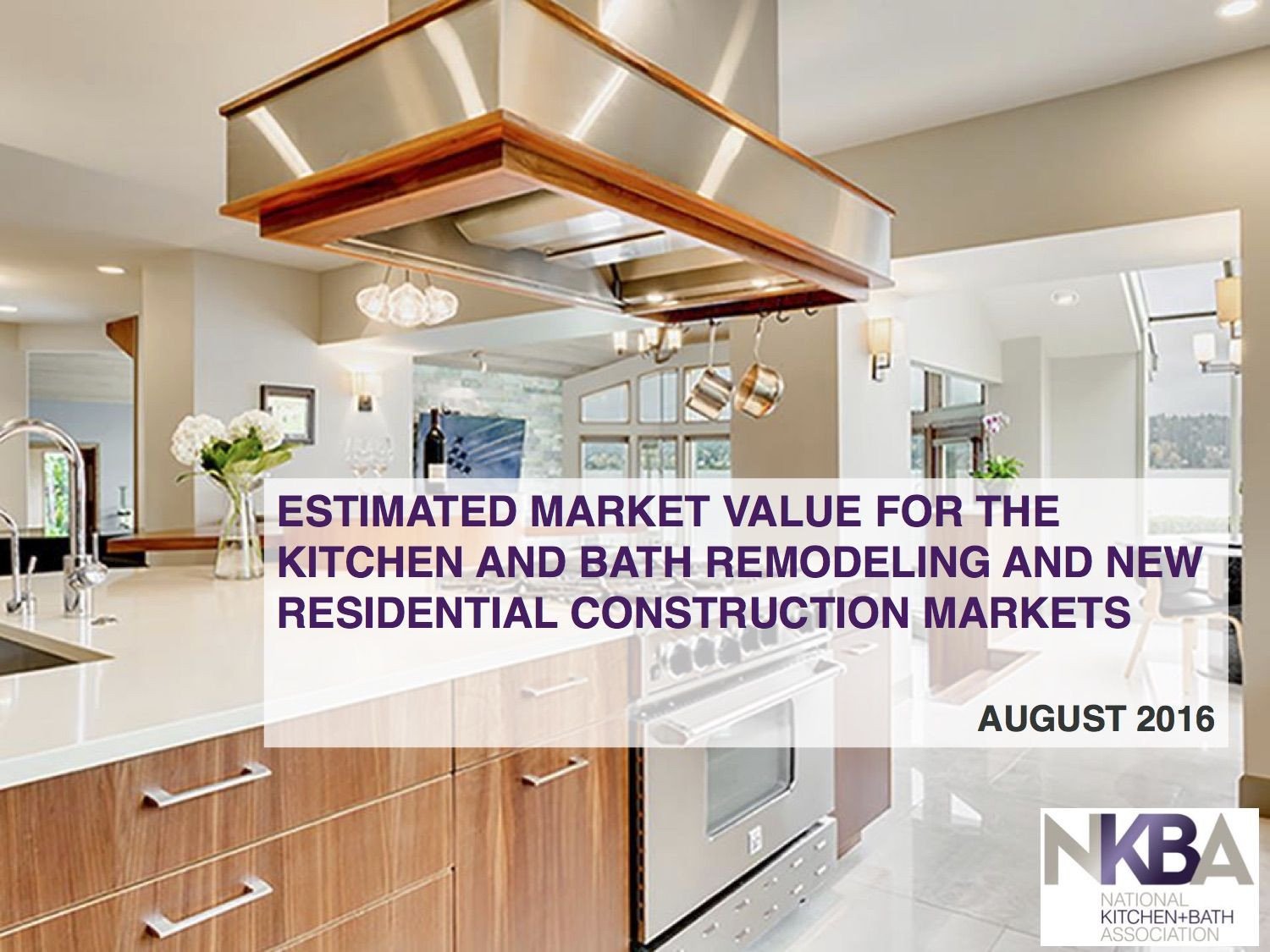
Credit: kb.nkba.org
Frequently Asked Questions
What Is The Kitchen Market Size?
The kitchen market size refers to the total sales of kitchen products. It includes appliances, cabinetry, and other kitchen essentials. The market size helps businesses understand demand and growth opportunities. It is influenced by trends, consumer preferences, and technological advancements.
How To Analyze Kitchen Market Trends?
Analyzing kitchen market trends involves researching consumer behaviors and preferences. Look at emerging technologies and design styles. Consider economic factors affecting purchasing power. Use market reports and surveys for data. This helps in understanding current and future market dynamics.
What Factors Influence Kitchen Market Growth?
Several factors influence kitchen market growth. These include consumer lifestyle changes and technological advancements. Economic conditions and real estate trends also impact growth. Sustainability and smart home trends are increasingly important. Understanding these factors helps in strategic planning and investment.
Why Is Kitchen Design Important For Market Size?
Kitchen design impacts consumer purchasing decisions significantly. A well-designed kitchen attracts buyers and boosts sales. It reflects current trends and consumer preferences. Design influences functionality and aesthetics, crucial for market appeal. This makes it a key factor in market size expansion.
Conclusion
Designing a kitchen involves understanding market size and trends. Knowing these helps make informed choices. Start by researching your local market. Consider popular styles and materials. This ensures your design meets current demands. Budget plays a crucial role too. Plan wisely to balance costs and quality.
Remember, a well-designed kitchen adds value to your home. It also enhances daily living. Stay updated with design innovations. This keeps your kitchen modern and appealing. Focus on functionality and aesthetics. Both are key for a successful kitchen design. Stay informed and plan carefully for the best results.