
Designing a wheelchair accessible kitchen is more than just a home improvement project—it's about creating a space that empowers you and enhances your daily life. Imagine a kitchen where every corner is within reach, where safety meets convenience, and where independence is prioritized.
You deserve a kitchen that adapts to your needs, not the other way around. We’ll guide you through simple yet effective ways to transform your kitchen into a functional and welcoming haven. Whether you're cooking a family meal or grabbing a quick snack, a well-designed accessible kitchen can make all the difference.
Continue reading to discover how you can turn your kitchen into a space that truly works for you.
Key Principles Of Accessible Design
Designing a wheelchair-accessible kitchen involves thoughtful planning. Place countertops at a reachable height for comfortable use. Ensure wide pathways for easy movement and install pull-out shelves for effortless access. Prioritize safety by installing lever-handle faucets and slip-resistant flooring.
Designing a wheelchair-accessible kitchen involves more than just removing physical barriers. It's about creating a space that enhances independence and supports daily tasks. By understanding the key principles of accessible design, you can transform a kitchen into a functional, welcoming area for everyone. Whether you're updating your existing kitchen or starting from scratch, these principles will guide you to make thoughtful choices.
Ensure Adequate Space And Mobility
Think about the flow of your kitchen. Wide pathways are crucial, allowing easy movement for wheelchair users. Aim for at least 36 inches of clearance around fixtures and counters. This extra space not only accommodates wheelchairs but also makes it easier for everyone to move around, especially during busy times.
Accessible Counter Heights
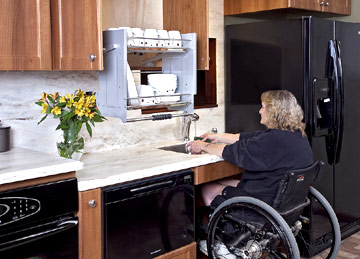
Standard counter heights can be challenging for wheelchair users. Lowering counters to about 30 inches can make a significant difference. Consider installing pull-out work surfaces for added flexibility. These adjustments allow for comfortable food preparation and cooking without straining.
Smart Storage Solutions
Imagine reaching for items without struggle. Opt for pull-down shelves and cabinets with easy-to-grasp handles. Keep frequently used items within reach, avoiding the need for excessive stretching or bending. Lazy Susans and drawer organizers can help keep things tidy and accessible.
User-friendly Appliances
Choosing the right appliances can simplify kitchen tasks. Look for side-opening ovens and dishwashers that offer easier access. Consider touch controls instead of knobs, which can be difficult to turn. Think about how these features might make cooking more enjoyable and less exhausting.
Thoughtful Lighting And Color Contrast
A well-lit kitchen is safer and more inviting. Consider task lighting under cabinets and adjustable fixtures to suit different needs. Use contrasting colors for countertops and cabinets to enhance visibility. This helps in distinguishing surfaces, especially for those with visual impairments.
Safety Features
Safety should be a priority in any kitchen. Install slip-resistant flooring to prevent falls. Consider rounded corners on counters to minimize injury. Easy-to-reach fire extinguishers and accessible emergency exits are vital components of a safe kitchen environment. Designing a wheelchair-accessible kitchen is not just about meeting needs. It's about empowering individuals and creating a space where everyone feels comfortable and capable. Have you considered how these adjustments might impact your daily routine?
Credit: www.kitchenmagic.com
Space Planning Essentials
Creating a wheelchair accessible kitchen requires careful space planning. It's vital to make sure everyone can move freely and use the kitchen comfortably. Key considerations include optimizing floor space and ensuring proper clearance for maneuverability. Let's explore these essentials.
Optimizing Floor Space
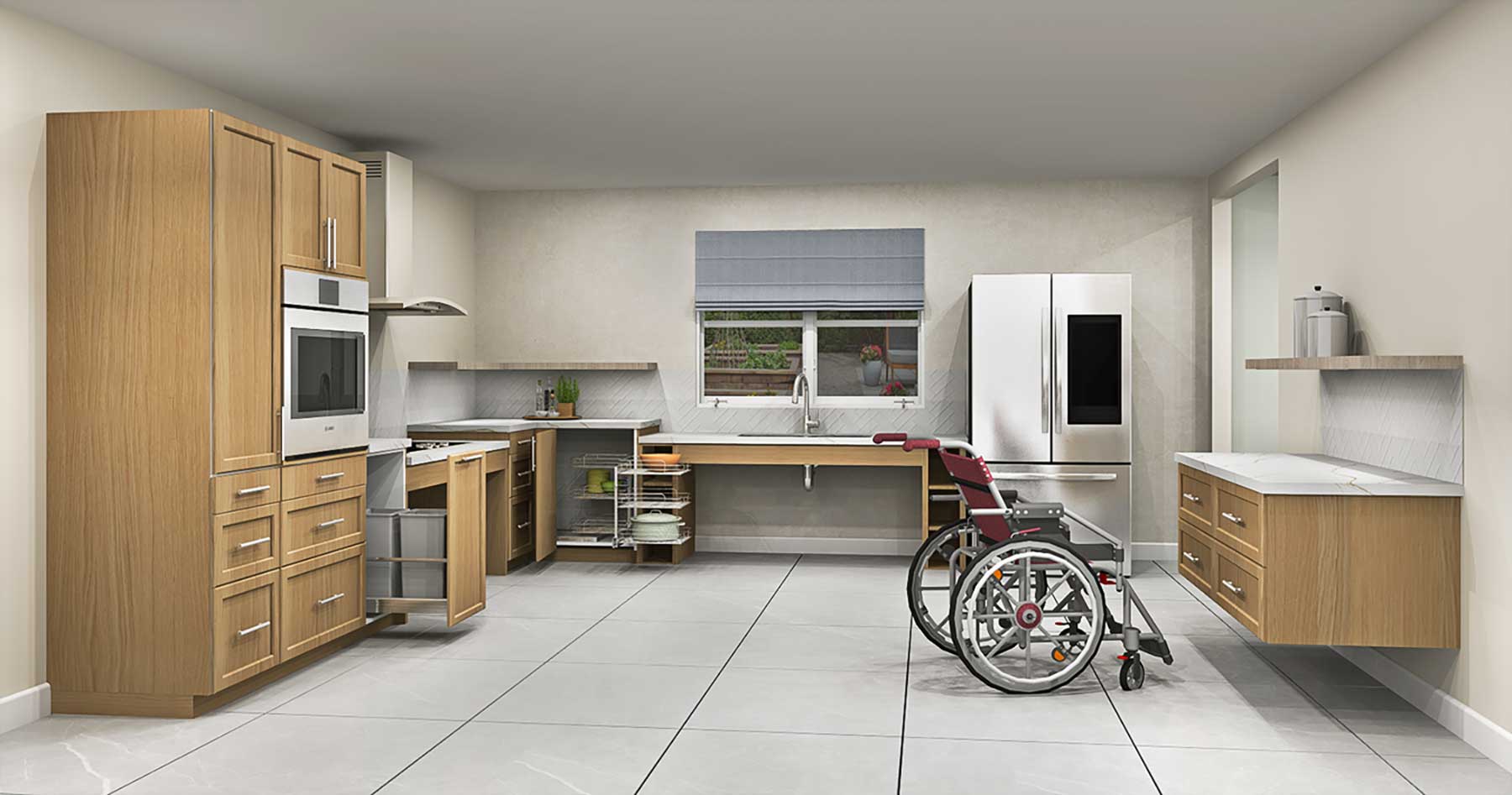
Floor space must be open and uncluttered. This allows easy navigation for wheelchair users. Arrange furniture and appliances to create wide pathways. Avoid placing items in the middle of walkways. Use compact appliances to save space. Consider wall-mounted storage for better accessibility. Keep counters clear of unnecessary items.
Clearance And Maneuverability
Ensure ample clearance around all kitchen fixtures. Wheelchairs need more space to turn and move. Maintain a minimum of 5 feet between counters. Ensure doorways are wide enough for easy access. Use sliding doors for more room. Consider lowering countertops for easier reach. Ensure sinks and stoves are accessible from a seated position.
Accessible Appliances
Designing a wheelchair accessible kitchen involves careful choice of appliances. These should meet the needs of all users. Accessible appliances ensure comfort and ease during daily activities. Selecting the right appliances can improve kitchen accessibility significantly.
Choosing User-friendly Appliances
Select appliances with easy-to-reach controls. Front-control ranges and ovens are great options. These allow wheelchair users to operate them without strain. Consider appliances with simple knobs and buttons. Avoid complex touch screens that require multiple steps.
Low-profile refrigerators are another smart choice. These offer easier access to food and beverages. Look for dishwashers with adjustable racks. They help in loading and unloading dishes easily.
Smart Technology Integration
Integrating smart technology into appliances can enhance accessibility. Voice-activated assistants can help control appliances effortlessly. They allow users to perform tasks without physical interaction.
Consider smart ovens with pre-set cooking modes. These can start with simple voice commands. Smart refrigerators can send alerts for maintenance or stock updates. They ensure users can manage kitchen tasks with ease.
Credit: inspiredkitchendesign.com
Countertops And Cabinets
Designing a wheelchair accessible kitchen requires thoughtful planning. Countertops and cabinets play a crucial role. These elements must cater to diverse needs and ensure comfort. Proper design enhances accessibility and functionality. Let's explore key aspects to consider.
Adjustable Countertop Heights
Adjustable countertops offer flexibility. They can accommodate various wheelchair users' heights. This feature ensures a comfortable cooking experience. Adjustable heights promote independence in the kitchen. They allow users to customize their workspace easily. Some systems use manual cranks. Others use electronic controls for simple adjustments.
Easy-to-reach Storage Solutions
Easy-to-reach storage is essential. Cabinets should be within arm's reach for wheelchair users. Pull-down shelves make accessing items simpler. They eliminate the need for awkward stretching. Lazy Susans in corner cabinets maximize space. They provide easy access to stored items. Consider open shelving for frequently used items. This design choice keeps everything in sight.
Sink And Plumbing Considerations
Designing a wheelchair accessible kitchen involves careful planning. The sink and plumbing are critical parts. They must be easy to reach and use. Accessibility ensures comfort and independence. Consider several factors to make sinks functional. Adjust plumbing to fit unique needs.
Accessible Sink Design
An accessible sink should have a clear space underneath. This allows a wheelchair to fit comfortably. The sink height should be lower than standard sinks. A height of 28 to 34 inches is ideal. Controls must be easy to operate. Lever handles or touchless faucets are best. Ensure the sink is shallow enough. This allows the user to reach the bottom easily.
Plumbing Adaptations
Plumbing adaptations enhance accessibility. Pipes should be insulated or covered. This prevents burns from hot pipes. Ensure plumbing does not obstruct wheelchair access. Use flexible hoses for easier reach. Consider installing a side-mounted drain. This offers more room beneath the sink. An anti-scald device can prevent burns. This maintains a safe water temperature.
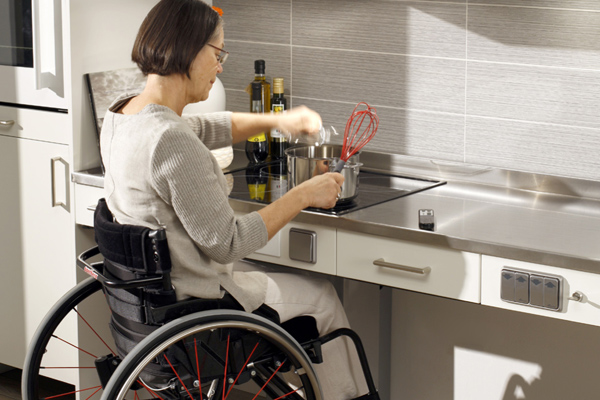
Credit: www.eastersealstech.com
Lighting And Safety Features
Proper lighting and safety features are essential in a wheelchair accessible kitchen. Bright, well-placed lights ensure visibility, while slip-resistant floors and rounded countertop edges enhance safety. Strategic design choices make the kitchen user-friendly and secure for everyone.
Designing a wheelchair-accessible kitchen goes beyond just space and layout. Lighting and safety features play a crucial role in creating a functional and secure environment. Proper lighting enhances visibility, while safety measures ensure the kitchen is a safe place for everyone. Let’s explore how you can effectively integrate these elements into your kitchen design.
Enhancing Visibility
Bright, well-placed lighting is essential in a wheelchair-accessible kitchen. Consider installing LED strip lights under cabinets to illuminate countertops, making it easier to see while cooking or preparing meals. Adjustable lighting, such as dimmable overhead lights, allows you to control brightness according to your needs. Natural light can significantly impact visibility. If possible, incorporate large windows or skylights to flood the kitchen with daylight. This not only enhances visibility but also creates a warm, inviting atmosphere. Have you considered how changing your lighting might transform your kitchen experience? Think about task lighting for specific areas like the stove and sink. Pendant lights or focused beam lights can provide targeted illumination, reducing shadows and enhancing your ability to work safely and efficiently.
Incorporating Safety Measures
Safety is paramount in any kitchen, especially one designed for wheelchair access. Make sure you have easy-to-reach fire extinguishers and smoke detectors with accessible alarms. Position these devices where they can be quickly accessed in an emergency. Install slip-resistant flooring to prevent accidents, especially in areas prone to spills like near the sink and stove. Ceramic tiles with anti-slip coating or textured vinyl are great options to consider. Have you checked the traction of your current flooring? Create clear pathways by organizing kitchen tools and appliances within reach. Use pull-out shelves and lazy Susans in cabinets to minimize the need for bending and reaching. This not only enhances safety but also improves accessibility and ease of use. Consider adding rounded edges to countertops and cabinets to prevent injuries from accidental bumps. This small modification can make a significant difference in ensuring a safer kitchen environment for wheelchair users. Incorporating these lighting and safety features into your kitchen design can make a world of difference. With careful planning and thoughtful execution, you can create a space that’s not only accessible but also safe and enjoyable to use.
Materials And Finishes
Designing a wheelchair accessible kitchen requires thoughtful consideration of materials and finishes. These choices impact both functionality and aesthetics. Properly selected surfaces can enhance safety and ease of use. The right finishes can make the space welcoming and stylish. Let's explore how to choose durable materials and create inclusive design aesthetics.
Durable And Non-slip Surfaces
Durable surfaces withstand daily wear and tear. They should resist scratches and stains. Non-slip surfaces prevent accidents. Choose flooring with texture for grip. Vinyl and rubber are great options. They provide safety and durability. Countertops should also be resilient. Quartz and solid surface materials are ideal. They offer easy maintenance and long-lasting appeal.
Inclusive Design Aesthetics
Inclusive design balances function and beauty. Choose finishes that are easy to clean. Avoid sharp edges and corners. Rounded designs are safer and more accessible. Colors should enhance visibility. Contrast helps differentiate surfaces. Use lighting to highlight key areas. Warm tones create a welcoming atmosphere. Ensure cabinetry and appliances blend seamlessly. This creates a cohesive and inviting space.
Involving Experts
Designing a wheelchair accessible kitchen requires thoughtful planning. Involving experts can ensure the space is functional and user-friendly. Experts bring valuable insights to create a kitchen that meets accessibility needs. They help navigate complex design choices, making the process smoother and more efficient. Let's explore how consulting with specialists and working with designers and architects can help.
Consulting With Accessibility Specialists
Accessibility specialists understand the unique needs of wheelchair users. They provide guidance on essential features such as counter heights and appliance placement. These experts ensure compliance with accessibility standards. Their input helps create a safe and comfortable environment. Consulting them early in the process can prevent costly mistakes later.
Working With Designers And Architects
Designers and architects bring technical expertise to the project. They translate accessibility needs into practical design solutions. Collaborating with them ensures that the kitchen is both functional and stylish. They can suggest materials and layouts that enhance accessibility. Their skills help integrate accessibility without compromising aesthetics.
Frequently Asked Questions
What Are Key Features Of An Accessible Kitchen?
An accessible kitchen should have adjustable countertops and pull-out shelves. Ensure there is ample floor space for maneuvering. Use lever-style handles and easy-to-reach appliances. Consider lower sink heights and side-opening ovens. Adequate lighting is essential for visibility and safety. These features enhance functionality for wheelchair users.
How Can Cabinets Be Made Wheelchair-friendly?
Install pull-down shelves and lazy Susans in cabinets for easy access. Use D-shaped handles for better grip. Consider open shelving to avoid doors entirely. Position cabinets at accessible heights. Opt for sliding doors instead of traditional ones. These modifications make cabinets more accessible for wheelchair users.
Why Is Countertop Height Important In Accessible Design?
Countertop height is crucial for comfort and usability. Adjustable or lowered countertops allow easy access for seated individuals. Ensure there’s enough knee clearance below. This setup enables wheelchair users to perform tasks independently. Proper countertop height enhances both safety and convenience in an accessible kitchen.
What Flooring Is Best For Wheelchair Accessibility?
Choose smooth, slip-resistant flooring like vinyl or linoleum. Avoid high-pile carpets and uneven surfaces. Ensure transitions between rooms are level to prevent tripping hazards. Durable flooring materials are ideal for high-traffic areas. Proper flooring ensures safety and ease of movement for wheelchair users.
Conclusion
Creating a wheelchair accessible kitchen is achievable and rewarding. It enhances daily living. Consider layout, countertops, and appliances. Ensure paths are wide for easy movement. Choose lever handles for cabinets and faucets. Install pull-out shelves for convenience. Opt for lower counters and sinks.
Safety is crucial; place items within reach. Use non-slip flooring to prevent accidents. Lighting should be ample and adjustable. Personalize your space to suit your needs. This process not only promotes independence but also comfort and safety. Enjoy your new, accessible kitchen, tailored just for you.