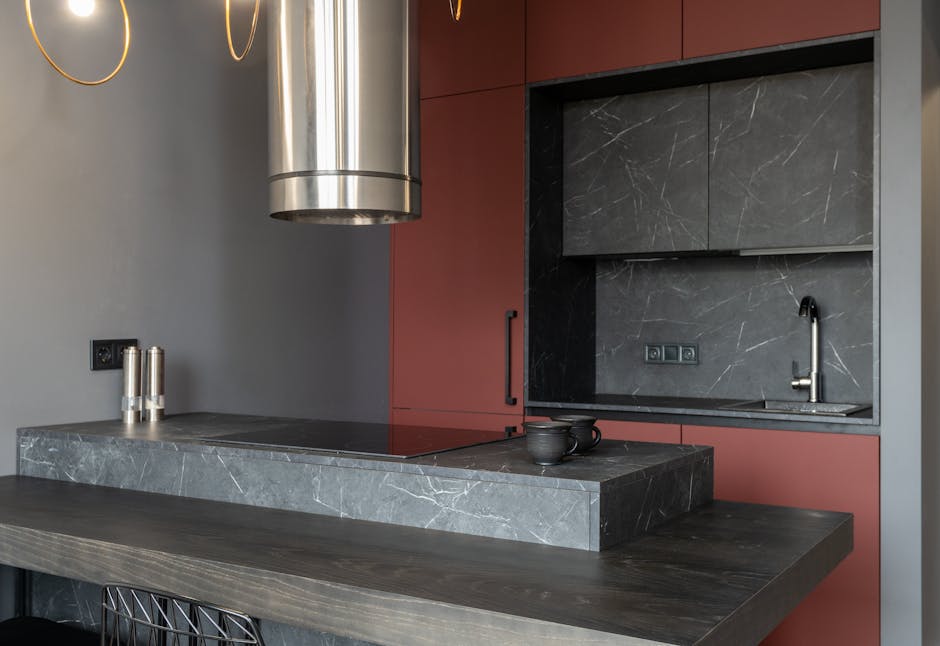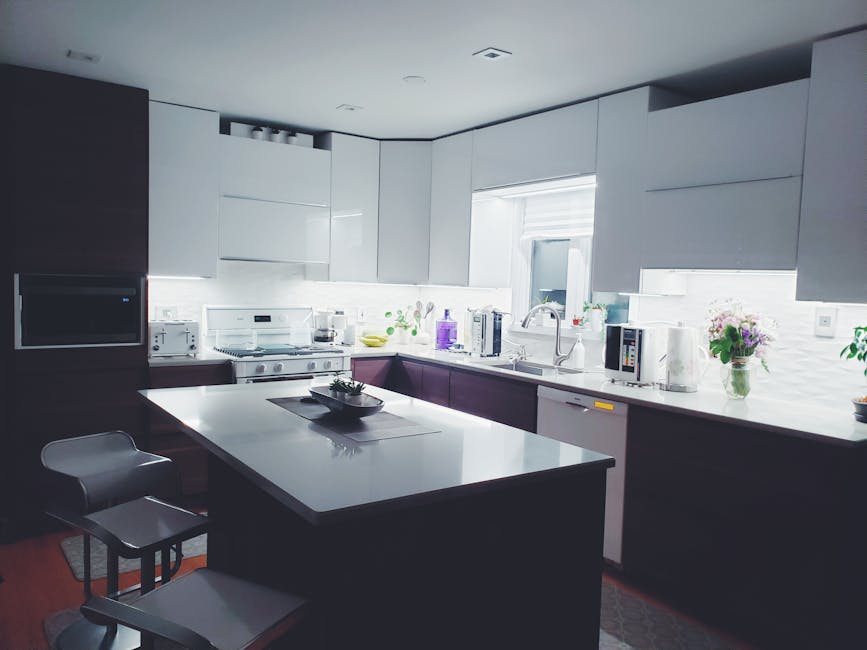

Imagine stepping into your office kitchen and feeling instantly inspired. The aroma of fresh coffee, the vibrant colors, and the welcoming design all set the tone for a productive day.
Designing an office kitchen isn't just about aesthetics; it’s about creating a space that boosts morale, encourages collaboration, and fuels creativity. But how do you turn an ordinary kitchen into an extraordinary space that energizes your team? You might think it's a daunting task, but with a few strategic choices, you can transform your office kitchen into a hub of motivation and innovation.
Stick around to discover the secrets behind designing a kitchen that not only meets your practical needs but also enhances your work environment.
Space Planning
Designing an office kitchen involves optimizing space for functionality and comfort. Prioritize appliances and storage solutions to enhance efficiency. Arrange seating areas to encourage collaboration and relaxation, ensuring a harmonious blend of work and leisure.
Space planning is vital for creating a functional office kitchen. Proper planning maximizes space, improves efficiency, and enhances aesthetics. It ensures every inch is used wisely. This section explores crucial elements of space planning.
Assessing Space Requirements
Begin by evaluating the available space. Measure dimensions accurately. Consider the number of employees using the kitchen. A small team needs less space. A larger team requires more room. Identify essential kitchen appliances. Think about refrigerators, microwaves, and coffee machines. Allocate space for each item. Determine storage needs for utensils and supplies. Prioritize easy access to these items. Ensure there is room for movement. Avoid overcrowding. Safety is paramount.
Balancing Functionality And Aesthetics
Blend functionality with design. Choose durable materials for countertops. They should withstand daily use. Select cabinets that offer ample storage. Ensure they match the office decor. Opt for smart lighting solutions. Bright lights improve visibility. They create a welcoming environment. Install ergonomic furniture. Comfortable seating encourages breaks. Choose colors that enhance mood. Neutral tones create calm. Vibrant colors energize. Ensure a cohesive design. Balance practicality with style.
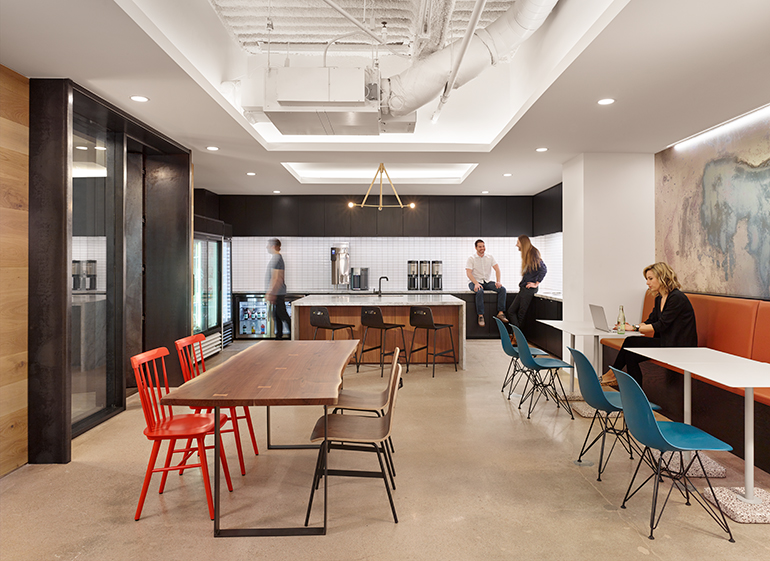
Credit: interiordesign.net
Ergonomic Considerations
Designing an office kitchen requires careful attention to ergonomics. An ergonomic kitchen promotes health and efficiency. It helps reduce strain and discomfort. Thoughtful design choices can transform daily routines into seamless experiences.
Choosing Appropriate Furniture
Furniture selection impacts comfort and productivity. Choose chairs with adjustable heights and lumbar support. Tables should be at a comfortable height. This prevents awkward bending or stretching. Consider stools for quick breaks. Ensure they are stable and comfortable.
Optimizing Counter Heights
Counter height plays a crucial role in kitchen ergonomics. Too high or low counters cause strain. Adjust counters to suit average user height. This minimizes bending and stretching. Arrange items within easy reach. This reduces unnecessary movements.
Appliance Selection
Selecting the right appliances is key in designing an efficient office kitchen. Choose energy-efficient models to save on costs. Opt for compact appliances to maximize space and keep the kitchen clutter-free.
Designing an office kitchen requires thoughtful appliance selection to create a functional and inviting space. Choosing the right appliances can significantly impact energy efficiency, convenience, and the overall vibe of your office kitchen. Whether you're updating an existing space or starting from scratch, your appliance choices will shape the experience for everyone. Let’s dive into how to make these choices with a practical approach.
Energy-efficient Options
Energy efficiency should be a priority in your appliance selection. Consider appliances that have the Energy Star label. These appliances consume less energy, reducing your utility bills and carbon footprint. Smart refrigerators offer features like temperature control and energy-saving modes, providing both efficiency and convenience. A friend of mine once switched to an energy-efficient fridge, and the cost savings were significant. It’s worth considering this investment for your office kitchen. Think about induction cooktops. They heat quickly and use less energy compared to traditional stoves. Imagine saving time and energy during those busy lunch hours.
Essential Vs. Optional Appliances
Decide which appliances are essential for your office kitchen. A refrigerator is a must-have for storing food and beverages. A microwave can be indispensable for quick meals and reheating leftovers. Coffee machines might be considered essential in offices where coffee drives productivity. However, a dishwasher might be optional if you prefer manual cleaning or have fewer dishes. Evaluate the needs of your team. Do they need a blender for smoothies or a kettle for tea? Sometimes, less is more, and eliminating unnecessary appliances can make the space more efficient. How does your team use the kitchen? Answering this can guide your selection between essential and optional appliances. Reflect on your experiences. Which appliances do you use every day, and which ones are gathering dust? Your answers can lead to a more tailored kitchen setup. --- By focusing on energy-efficient and essential appliances, you create a kitchen that serves your team's needs while being mindful of energy consumption. Are there appliances you wish you had in your office kitchen?
Storage Solutions
Designing an office kitchen requires smart storage solutions. Utilize vertical space with shelves and cabinets for maximum efficiency. Add labeled containers and drawer organizers to keep items accessible.
Designing an office kitchen can be both exciting and challenging, especially when it comes to storage solutions. You want a space that's not only functional but also inviting. A well-organized kitchen boosts productivity and fosters a sense of community among team members. Let's explore some practical storage ideas to transform your office kitchen into an efficient hub.
Maximizing Cabinet Space
Cabinet space is often limited, so every inch counts. Install shelves at varying heights to accommodate different items, from cereal boxes to coffee mugs. Consider pull-out drawers for easy access to items stored at the back. Use the inside of cabinet doors to hang small racks or hooks for extra storage. This can hold spices, dish towels, or small utensils. Keep similar items together to make it easier for everyone to find what they need. Think about vertical space. Adding tall pantry cabinets or even hanging shelves can help make the most of the available room. Have you ever opened a cabinet and felt overwhelmed by clutter? With these strategies, you can prevent that.
Organizing Utensils And Supplies
A cluttered countertop can make the kitchen feel chaotic. Use drawer dividers to keep utensils in order. This way, you'll always know where to find the bottle opener or can opener. Consider using clear containers for supplies like coffee, tea, and sugar. This not only looks tidy but also lets you see when supplies are running low. Labeling is key here; it saves time and reduces frustration. Wall-mounted racks or magnetic strips for knives and utensils can free up valuable drawer space. Ever spent precious minutes searching for a spoon among a heap of utensils? Proper organization can help you avoid such hassles and maintain a pleasant kitchen environment. Remember, a well-organized kitchen isn't just about aesthetics; it directly impacts how you and your colleagues interact with the space. Make the most of these storage solutions and enjoy a more efficient and harmonious office kitchen.
Design For Social Interaction
Designing an office kitchen that encourages social interaction can significantly boost employee morale and productivity. By creating spaces where colleagues naturally gather, you foster a sense of community. Your office kitchen can be the heart of your workplace, a place where ideas are shared, and connections are made. Let's delve into how you can design such a space effectively.
Creating Gathering Spaces
Think about how you can use the kitchen layout to invite interaction. Consider placing a large communal table in the center. This not only serves as a dining area but also as a meeting place. You might have noticed that the best conversations happen over a shared meal or coffee. A central table encourages spontaneous discussions that can lead to innovative ideas.
Also, consider open shelving or a snack bar that attracts people to linger. Offering a variety of snacks and beverages can draw employees to the kitchen. This can naturally lead to more interaction. People tend to bond over shared tastes, whether it's a love for green tea or a craving for chocolate.
Incorporating Comfortable Seating
Comfort is key in any gathering space. Invest in comfortable chairs and sofas that invite employees to sit and relax. This isn't just about physical comfort; it’s about creating a welcoming atmosphere. A relaxed employee is more likely to engage in conversation and share ideas.
Consider seating arrangements that encourage face-to-face interaction. For example, circular seating arrangements can promote inclusivity and openness. This setup ensures everyone feels part of the conversation, breaking down barriers between departments or hierarchies.
Now, think about the last time you sat on a comfy chair in a cafe. Did it make you want to stay longer? The same principle applies here. Comfortable seating makes the office kitchen a preferred spot for breaks and informal meetings.
How does your current office kitchen measure up? Could you add elements that make it a more inviting space? Think about what makes you feel comfortable and connected in a social setting. Now apply those principles to your office kitchen design.
Healthy Eating Promotion
Designing an office kitchen that promotes healthy eating can enhance employee wellbeing. A kitchen filled with nutritious options encourages better eating habits. This can lead to improved focus and productivity. Employees feel valued when their health is prioritized.
Stocking Nutritious Options
Fill the kitchen with healthy snacks and meals. Fresh fruits and vegetables should be readily available. Consider whole-grain crackers and nuts for quick snacks. These options provide energy without unhealthy ingredients.
Use clear containers to display healthy choices. This makes them attractive and easy to grab. Include a variety of foods to cater to different tastes. Employees appreciate having diverse options.
Encouraging Hydration
Hydration is crucial for maintaining energy levels. Install water coolers or dispensers in the kitchen. Provide infused water with fruits like lemon or cucumber. This adds flavor without extra calories.
Offer reusable water bottles to encourage drinking water. Keep them in a visible spot for easy access. This simple gesture promotes a healthier work environment. Employees stay refreshed throughout the day.
Maintaining Cleanliness
Designing an office kitchen focuses on keeping it clean. Choose easy-to-clean materials for countertops and floors. Install proper storage for utensils and cleaning supplies to avoid clutter.
Designing an office kitchen is more than just selecting the right appliances and fixtures. It's about creating a space that encourages productivity and well-being. One crucial aspect that often gets overlooked is maintaining cleanliness. A tidy kitchen not only promotes hygiene but also boosts morale and efficiency. How do you ensure that your office kitchen remains spotless? Let's delve into some actionable strategies.
Establishing Cleaning Protocols
Creating a clean kitchen starts with setting clear cleaning protocols. Have you ever walked into an office kitchen, only to find it in disarray? It's not a pleasant sight and can be easily avoided with proper guidelines. Develop a schedule that outlines daily, weekly, and monthly cleaning tasks. Clearly define who is responsible for each task. Use a shared calendar or digital tools to remind everyone of their duties. This helps to distribute the workload evenly and keeps everyone accountable. Make it a team effort. Encourage team members to clean up after themselves. Consider having a quick check-in meeting once a week to discuss any cleaning issues. This fosters a sense of ownership and pride in maintaining a clean kitchen.
Providing Adequate Waste Disposal
Waste disposal is another key component of a clean kitchen. Without proper bins, clutter quickly accumulates. Do you have enough bins in your office kitchen, and are they clearly labeled? Ensure you have separate bins for recyclables, compostables, and general waste. Clearly label each bin so everyone knows where to toss their trash. This simple step can significantly reduce clutter and promote recycling. Think about the bin placement. Are they easily accessible? Placing bins in strategic locations, like near the sink or exit, encourages their use. Regularly emptying the bins prevents overflow and unpleasant odors, keeping the kitchen fresh and inviting. Maintaining cleanliness in an office kitchen is a team effort. With clear protocols and adequate waste disposal, you can create an inviting and efficient space. Are you ready to transform your office kitchen into a spotless haven?
Incorporating Technology
Integrating smart appliances and touchless faucets can transform your office kitchen into a modern space. Digital displays for recipes and energy-efficient lighting enhance functionality. Technology makes the kitchen more efficient and user-friendly.
Incorporating technology into your office kitchen can enhance efficiency and convenience. Modern workplaces thrive on innovation. A tech-savvy kitchen is no exception. From smart appliances to charging stations, technology transforms how we interact with everyday kitchen tasks. It allows employees to enjoy a seamless experience. Let's explore how integrating these technologies can make a difference.
Installing Smart Appliances
Smart appliances simplify kitchen tasks through automation and connectivity. Refrigerators can track inventory and suggest recipes. They send alerts when items are running low. Smart coffee machines allow employees to brew coffee from their phones. This saves time during busy mornings. Ovens can be preheated remotely. This ensures meals are ready when needed. These appliances improve efficiency. They make the kitchen a hub of productivity.
Integrating Charging Stations
Charging stations keep devices powered throughout the day. Placing them in the kitchen offers convenience. Employees can charge phones while taking breaks. This reduces downtime and keeps communication flowing. Charging ports should be easily accessible. Consider USB outlets for versatility. Wireless charging pads offer a clutter-free option. Ensuring enough stations prevents bottlenecks. A well-equipped kitchen promotes an efficient work environment.
Sustainability Practices
Designing an office kitchen with sustainability in mind benefits everyone. It reduces environmental impact and promotes well-being. Sustainable practices in office kitchens save resources. They also create a healthier work environment.
Adopting eco-friendly measures is easier than you think. Start by focusing on key areas. Using recycled materials and reducing waste are great steps. These practices can make your office kitchen more sustainable.
Using Recycled Materials
Using recycled materials in your office kitchen is a smart choice. It reduces waste and conserves resources. Consider cabinets made from reclaimed wood. They give a rustic and natural look.
Choose countertops from recycled glass or composite materials. These options are both stylish and eco-friendly. Recycled materials offer durability and unique design elements. They are a win-win for your kitchen.
Implementing Waste Reduction Strategies
Implement waste reduction strategies to keep your kitchen green. Start with a composting system for food scraps. Composting reduces landfill waste and enriches soil.
Use reusable dishware and utensils instead of disposables. This practice cuts down on single-use plastic. Encourage staff to bring their own mugs and water bottles. It minimizes waste and fosters a sustainable culture.
Install energy-efficient appliances to save energy. They reduce your carbon footprint and lower energy bills. Small changes in waste management make a big difference.
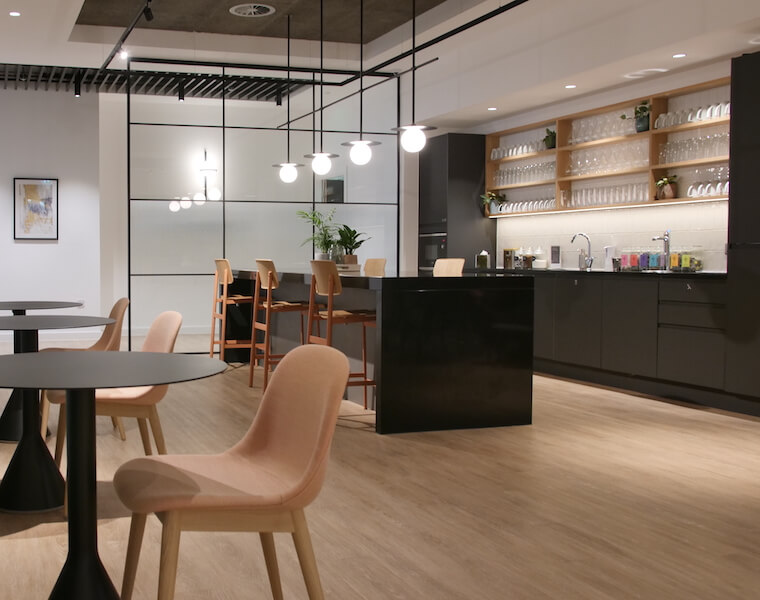
Credit: penkethgroup.com
Personalization And Branding
Creating an office kitchen that reflects personalization and branding is a powerful way to enhance your workplace. This space is not just for preparing meals; it’s a canvas where your company's identity can shine. Personalization ensures the kitchen feels unique and inviting, while branding reinforces the core values of your business.
Reflecting Company Culture
Think about your company's culture when designing your kitchen. Is your business rooted in creativity? Add colorful accents or quirky furniture. If your company values sustainability, choose eco-friendly materials and appliances. Your kitchen should echo the spirit of your brand, making employees feel connected and engaged.
I remember visiting a tech startup where the kitchen was filled with gadgets and interactive screens. It was more than just a space to eat; it was an extension of their innovative culture. How can your kitchen reflect your company’s ethos?
Adding Unique Design Elements
Unique design elements can make your kitchen stand out. Consider incorporating your company logo or color scheme into the design. Use custom mugs or plates that feature your brand’s imagery. These small touches can enhance the sense of belonging and pride among employees.
During a recent redesign, a colleague added chalkboard walls for employees to write messages and draw pictures. This not only personalized the space but also encouraged creativity and interaction. What unique elements can you add to make your kitchen memorable?
Ultimately, personalization and branding in your office kitchen should create a space where employees feel at home. It's about blending functionality with your company’s identity, fostering a sense of community and belonging. What steps will you take to transform your office kitchen into a hub of inspiration and connection?

Credit: www.canopyfitouts.com.au
Frequently Asked Questions
How Can I Optimize Kitchen Space In An Office?
To optimize kitchen space, use multifunctional furniture and vertical storage. Incorporate compact appliances to save room. Designate specific areas for different activities, ensuring smooth workflow. Choose space-saving tables and chairs that can be easily moved. Implement smart organization techniques to keep the space clutter-free and efficient.
What Are Essential Kitchen Appliances For An Office?
Essential kitchen appliances include a refrigerator, microwave, and coffee maker. A water cooler and toaster can be beneficial. Consider a dishwasher for convenience and hygiene. Choose energy-efficient models to reduce costs. Ensure all appliances meet the needs of your team while fitting within the available space.
How Important Is Kitchen Lighting In An Office?
Proper kitchen lighting is crucial for functionality and atmosphere. Use bright task lighting for food preparation areas. Consider ambient lighting to create a welcoming environment. Ensure good visibility to prevent accidents. Choose energy-efficient LED lights for cost savings. Lighting should complement the overall design of the office kitchen.
How Can I Create A Welcoming Kitchen Environment?
Create a welcoming environment by using warm colors and comfortable seating. Add personal touches like artwork or plants. Ensure cleanliness and regular maintenance. Consider soundproofing to reduce noise. Provide a variety of snacks and beverages to cater to different preferences.
Make the space inviting and conducive to relaxation.
Conclusion
Designing an office kitchen is crucial for a happy workplace. A simple, efficient layout boosts productivity. Choose easy-to-clean surfaces. Add bright lighting to make the space inviting. Remember, storage is key for organization. Comfortable seating enhances social interactions. A well-designed kitchen supports healthy eating habits.
Encourage staff to personalize the space. Keep it tidy and clutter-free. A functional kitchen fosters a positive work environment. Employees will appreciate the effort. Creating a welcoming kitchen shows you care about their comfort. Aim for simplicity and practicality. Your office kitchen can be a great place to relax and recharge.