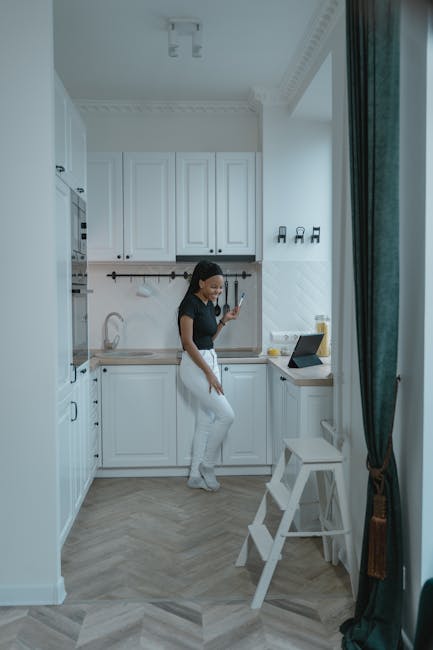
Imagine walking into your kitchen and seeing cabinets that perfectly match your style and needs. Designing and building your own kitchen cabinets might seem like a daunting task, but it can be a fulfilling and even cost-effective project.
Have you ever felt frustrated with the lack of storage or the outdated look of your kitchen? You're not alone. Many homeowners dream of a kitchen that reflects their personality and meets their functional needs. By taking on this project, you can customize every detail, from the type of wood to the perfect shade of paint or stain.
Think about the satisfaction of opening a cabinet door you crafted yourself, knowing it was designed with your unique vision in mind. This blog will guide you through the steps to bring your dream kitchen to life. With clear instructions and practical tips, you’ll discover how manageable—and rewarding—it can be to design and build your own kitchen cabinets. Ready to transform your kitchen into a space that truly feels like home? Let's dive in!
Planning Your Kitchen Cabinets
Designing and building kitchen cabinets involves choosing materials, measuring spaces, and planning layouts. Create functional and stylish storage solutions. Enhance your kitchen's look and feel with personalized cabinet designs.
Designing and building your own kitchen cabinets can be a rewarding project. Whether you want to refresh your kitchen's look or create a more functional space, planning is essential. The right plan will save you time, money, and potential frustration.
Assessing Your Needs
First, think about what you need from your kitchen cabinets. Are you looking for more storage, better organization, or an update to the style? Consider your cooking habits and lifestyle. For example, if you love baking, you might need space for your mixer and baking supplies. Talk to family members about their needs too. Do they find it hard to reach high shelves? This is your chance to create a space that works for everyone. Keep a list of your top priorities to guide your design decisions.
Choosing The Right Style
The style of your cabinets will set the tone for your entire kitchen. Do you prefer a modern look, or does a classic, rustic style appeal to you? Visit kitchen showrooms or browse online for inspiration. Sometimes, seeing different styles can spark ideas you hadn't considered. Think about how your cabinets will blend with the rest of your kitchen. Will they complement your countertops and appliances? Your cabinets should enhance the overall look, not clash with it. Choose colors and finishes that reflect your personal taste while considering current trends.
Measuring Your Space
Accurate measurements are crucial in cabinet planning. Start by measuring the length, width, and height of the area where your cabinets will be installed. Don’t forget to account for appliances, windows, and doorways. These can significantly impact your layout. Use graph paper to sketch a rough layout of your kitchen. This will help you visualize where each cabinet will go. Mistakes in measurement can lead to costly errors, so double-check your work. A simple measuring tape and a keen eye can make all the difference. In the end, planning your kitchen cabinets is about creating a space that meets your unique needs and style preferences. Are you ready to take the first step in transforming your kitchen?
Credit: www.thehandymansdaughter.com
Gathering Materials And Tools
Gathering materials and tools is crucial for designing and building kitchen cabinets. Choose quality wood, hinges, and screws. Ensure you have drills, saws, and measuring tape ready for precise construction. Proper preparation leads to efficient work and a beautiful, functional kitchen.
Designing and building your own kitchen cabinets can be an incredibly rewarding project. It allows you to tailor every detail to your personal taste and kitchen space requirements. However, before you start crafting, it's crucial to gather the right materials and tools. Without them, even the best plans can fall apart. Let’s dive into the essentials you’ll need to make your cabinet-building journey successful.
Essential Materials
Your choice of materials will significantly impact the durability and appearance of your cabinets. Wood is a popular choice for its aesthetic appeal and strength. Consider using plywood for the cabinet box and solid wood for the doors. Hardware, like hinges and drawer slides, is also vital—choose high-quality options for longevity. Don't forget the finishing materials. Paint or varnish can protect your wood and add a personal touch. Have you ever considered using recycled materials? They can add character and are an environmentally friendly choice. What unique material could you incorporate to make your cabinets stand out?
Must-have Tools
Every successful DIY project starts with the right tools. A table saw or circular saw is essential for cutting wood accurately. A drill with various drill bits will be necessary for assembling your cabinets and attaching hardware. Clamps are your best friends for holding pieces together while glue dries or during assembly. Think about investing in a router for creating smooth edges and intricate designs. Do you have a reliable measuring tape? Precision is key, and measuring twice can save you from costly mistakes. What tool could transform a challenging step into an effortless task for you?
Safety Equipment
Safety should always be a priority in any DIY project. Safety goggles protect your eyes from wood dust and debris. Ear protection is crucial if you're using loud power tools. Dust masks prevent you from inhaling harmful particles, especially when sanding or cutting. A pair of sturdy gloves can protect your hands from splinters and sharp edges. Have you ever overlooked safety gear and regretted it later? Ensuring you’re protected helps you focus on crafting beautiful cabinets without worry. What safety equipment do you need to feel confident and secure during your project? Gathering the right materials and tools sets the foundation for a successful cabinet-building project. Whether you're creating a modern masterpiece or a rustic charm, your preparation will dictate the ease and enjoyment of the process. Are you ready to roll up your sleeves and bring your cabinet vision to life?
Designing Your Cabinets
Designing your kitchen cabinets involves creativity and planning. It's a chance to tailor your space to fit your needs. You can make your kitchen functional and beautiful. Start by considering your style and preferences.
Sketching Your Design
Begin with a simple sketch of your kitchen layout. Draw each cabinet's location and size. Think about how the cabinets will interact with appliances. Visualize the overall look you want to achieve. Use graph paper for accurate measurements. A detailed sketch helps bring your ideas to life.
Selecting Materials And Finishes
Choose materials that match your kitchen's theme. Wood is a classic option with various types available. Consider laminate for a budget-friendly choice. Decide on finishes like gloss or matte. These affect the cabinet's appearance. Test samples to see how they look in different lighting. Select durable materials to ensure longevity.
Incorporating Functionality
Think about how you use your kitchen daily. Add features that improve access and storage. Include pull-out shelves for easy reach. Design cabinets with adjustable shelves. This allows flexibility in organizing items. Add dividers for utensils and pots. Ensure the cabinets complement the kitchen workflow. Functionality should enhance your cooking experience.
Building The Cabinet Frame
Crafting the cabinet frame begins with selecting sturdy materials. Precision in measurements ensures a perfect fit. Use basic tools to assemble, keeping the design simple yet functional.
Building your own kitchen cabinet frame can be rewarding. It allows you to customize your kitchen space. This step is crucial for a sturdy and functional cabinet. Let’s dive into the process.
Cutting The Wood
Start by measuring your kitchen space. This ensures your cabinet fits perfectly. Use these measurements to cut the wood. A table saw is ideal for straight cuts. Ensure all pieces are accurate. Mistakes here can affect assembly later. Use a pencil and square for marking. Double-check measurements before cutting.
Assembling The Frame
Lay out the cut pieces on a flat surface. Begin by connecting the sides. Use wood glue and screws for a strong bond. Attach the top and bottom panels next. Make sure all corners meet at right angles. A carpenter's square is helpful here. Check alignment often during this process. Secure all parts tightly.
Ensuring Stability
Stability is essential for cabinet longevity. Add support beams if needed. They provide extra strength to the frame. Ensure each joint is secure. Use clamps to hold pieces while drying. Inspect for any wobbles or gaps. Fix them before proceeding. Your frame should feel solid and durable.
Creating Doors And Drawers
Designing and building your own kitchen cabinets requires creativity and basic carpentry skills. Start by choosing materials that fit your style and budget. Assemble doors and drawers precisely to ensure functionality and aesthetic appeal.
Designing and building your own kitchen cabinets is an exciting adventure. It’s a chance to add a personal touch to your home and craft something truly unique. A crucial part of this process is creating doors and drawers. These elements define the aesthetic and functionality of your cabinets. You’ll want them to be both stylish and practical. Let’s dive into the steps involved in making them come to life.
Sizing And Cutting
Getting the size right is essential. Measure twice to avoid mistakes. Consider the space available and the overall design of your kitchen. Cutting the wood can be intimidating, but don't worry. Use a circular saw or a table saw for precision. Double-check your measurements before you start cutting. Use quality materials for durability. Choose wood that complements your kitchen style. This decision sets the tone for the entire cabinet design.
Attaching Hinges And Handles
Hinges play a pivotal role in the functionality of your cabinets. Choose the right type based on your cabinet style. Concealed hinges offer a sleek look, while exposed hinges can add a rustic charm. Attaching handles is where you can get creative. Select handles that match your kitchen theme. Consider the size and shape that would be comfortable for everyday use. Ensure they’re securely attached. Loose handles can be frustrating. Test them out before finalizing the installation.
Installing Slides
Drawer slides are the unsung heroes of cabinet design. They ensure smooth operation every time you open or close a drawer. Opt for slides that can handle the weight and frequency of use. Installation requires precision. Align them perfectly to avoid misalignment. Check the level and adjust if necessary. Test the movement of your drawers. They should glide effortlessly. If they stick, recheck your installation process. Building your own kitchen cabinets offers a rewarding experience. Every detail you add is a reflection of your taste and creativity. What unique ideas will you implement in your cabinet project?
Finishing Touches
Crafting your own kitchen cabinets involves selecting materials, planning dimensions, and perfecting the final details. Focus on the finish to enhance durability and style. Use paint or varnish to achieve a polished look that complements your kitchen's decor.
Embarking on the journey of designing and building your own kitchen cabinets is thrilling. As you near the finish line, the finishing touches are what will truly bring your vision to life. This is the stage where your hard work pays off, and your cabinets transform from mere structures to beautiful, functional pieces. Let's dive into the key elements that will complete your project: sanding and smoothing, applying paint or stain, and adding decorative elements.
Sanding And Smoothing
Sanding is the foundation of a polished finish. Before you start, ensure all surfaces are clean and free from dust. Use a fine-grit sandpaper for a smooth touch. It might take a little elbow grease, but the result is worth it. Don't rush this step. A well-sanded surface ensures the paint or stain adheres properly and looks even. Have you ever noticed how a rough surface can ruin a perfect paint job? Avoid that by being thorough here.
Applying Paint Or Stain
The choice between paint and stain depends on your style. Paint offers a crisp, solid color that can brighten up your kitchen, while stain enhances the natural beauty of the wood. Consider your kitchen’s color scheme. Do you want your cabinets to stand out or blend in? Apply a primer first if you’re going with paint. This helps in achieving a smooth finish. For stain, a pre-stain conditioner can prevent blotches. Use even strokes and let each coat dry completely before applying the next. This patience ensures a professional look.
Adding Decorative Elements
Decorative elements are your chance to personalize your cabinets. Think about adding unique hardware, such as knobs and pulls, which can elevate the overall look. Consider your kitchen’s theme. Are you going for rustic charm or modern sleekness? Adding trim or molding can add depth and character. You might have seen this in high-end kitchens, and it’s a detail that can make your cabinets pop. Don’t be afraid to get creative—this is your project, after all. What unique element will make your kitchen truly yours? Focus on these finishing touches to ensure your kitchen cabinets are not just functional but also a reflection of your personal style. Remember, the details make all the difference.
Installing Your Cabinets
Craft your kitchen space with custom cabinets by designing and building them yourself. Choose materials and styles that suit your taste. Measure carefully for a perfect fit and look.
Designing and building your own kitchen cabinets is a rewarding project that can transform your kitchen into a personalized space. However, the journey doesn't end with designing and building. The installation process is where your hard work truly comes to life. But how do you ensure everything aligns perfectly? Let’s dive into the crucial steps of installing your cabinets.
Preparing The Space
Before you start installing, ensure your kitchen is ready. Clear the area of any obstacles. This includes moving appliances and removing old cabinets if needed. A clean slate allows for precise measurements and easy movement. Next, check your walls and floors for levelness. Uneven surfaces can lead to misaligned cabinets. Use a spirit level to identify any problem areas. If adjustments are necessary, make them now. Finally, mark the layout on your walls. Use a pencil to draw the lines where each cabinet will go. This acts as a guide to ensure everything is in the right place.
Mounting The Cabinets
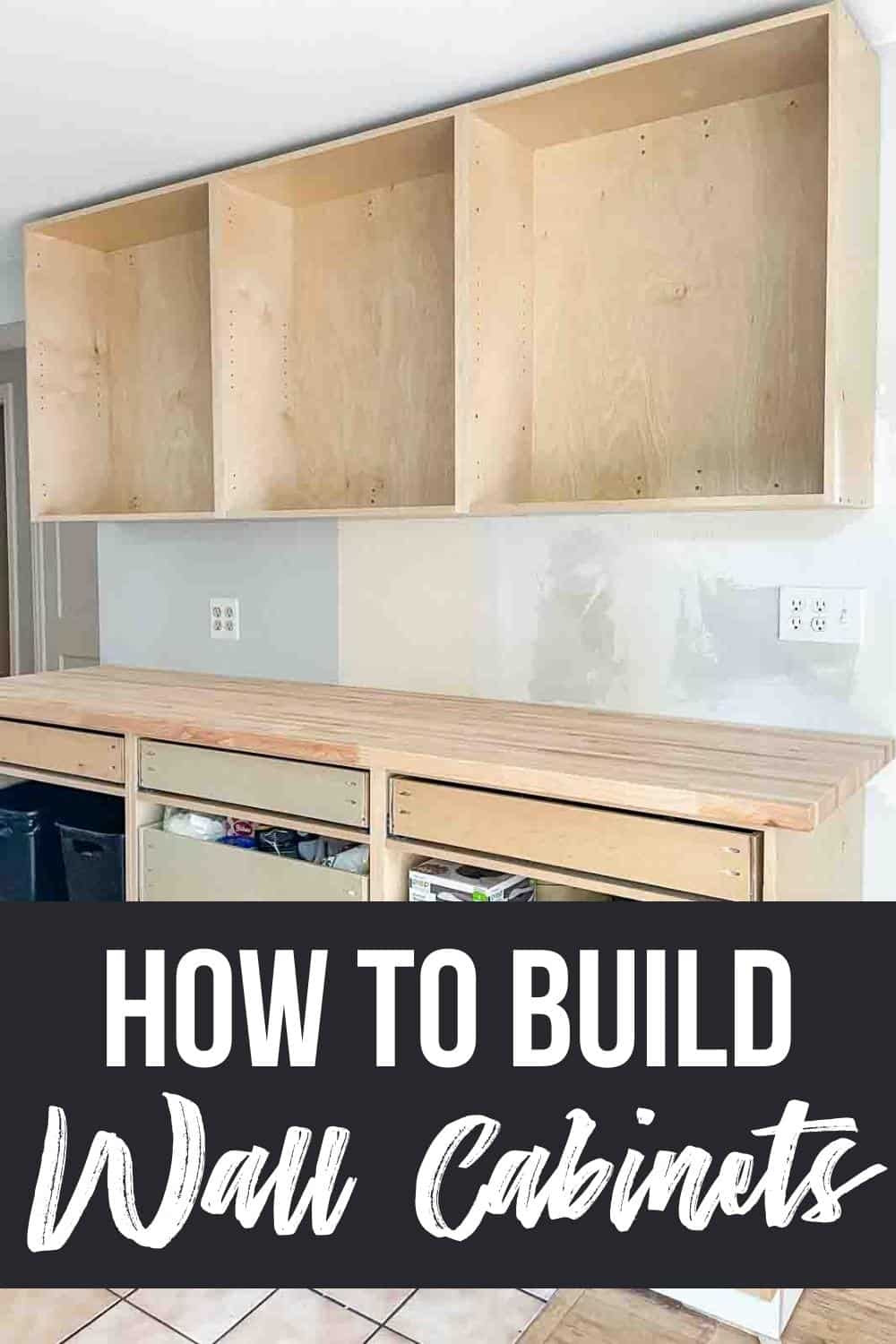
Begin with the upper cabinets. Why? They are easier to install without the base cabinets in the way. Use a ledger board to temporarily support the weight of the cabinets during installation. Secure the board firmly to the wall. Lift the cabinet into place and secure it with screws. Ensure each cabinet is level before moving to the next. If you're working alone, consider using clamps or asking a friend for help. After the upper cabinets, shift your focus to the base cabinets. Align them with your layout marks. Ensure each cabinet is level and adjust using shims if necessary.
Aligning And Securing
Now that your cabinets are in place, it's time for the final adjustments. Check that all doors and drawers open smoothly. Misaligned cabinets can cause functionality issues down the line. Use a carpenter's square to ensure corners are perfect. Adjust the cabinets slightly if needed. Once satisfied, secure each cabinet tightly to the wall studs. This ensures they are safely anchored and won't budge over time. Lastly, step back and admire your handiwork. Installing cabinets requires patience and precision. But with careful preparation and attention to detail, you can achieve a professional look. What tips do you have for making the installation process smoother?

Credit: www.grandmashousediy.com
Maintenance Tips
Creating kitchen cabinets is just the beginning. Proper maintenance ensures they remain beautiful and functional. Regular care extends their life and keeps them looking new. Here are essential tips for maintaining your kitchen cabinets.
Cleaning Techniques
Dust cabinets with a soft, dry cloth weekly. This prevents buildup. Use a mild soap solution for sticky stains. Rinse with a damp cloth and dry thoroughly. Avoid harsh chemicals. They damage wood and finishes. For glass doors, use a glass cleaner sparingly.
Handling Wear And Tear
Inspect hinges and handles regularly. Tighten loose screws to avoid damage. Use cabinet liners to protect from spills. Avoid slamming doors. This reduces stress on hinges. Consider touch-up kits for minor scratches. They match your cabinet's finish.
Periodic Inspections
Check cabinets every few months. Look for signs of moisture or warping. Address issues immediately to prevent further damage. Ensure that seals and caulking remain intact. This keeps moisture out. Regular inspections maintain your cabinet’s integrity.

Credit: www.youtube.com
Frequently Asked Questions
What Materials Are Best For Kitchen Cabinets?
The best materials for kitchen cabinets include solid wood, plywood, and MDF. Solid wood offers durability and a classic look. Plywood is a strong and cost-effective option. MDF provides a smooth surface for painting but is less resistant to moisture.
How Do I Measure For Kitchen Cabinets?
To measure for kitchen cabinets, start by measuring the width and height of the space. Use a tape measure and note each dimension. Consider appliance placement and door swings. Measure twice to ensure accuracy, as precise measurements are crucial for a proper fit.
Can I Build Kitchen Cabinets Myself?
Yes, building kitchen cabinets yourself is possible with the right tools and skills. Start by researching cabinet design and construction techniques. Gather necessary materials and tools like a saw and drill. Follow detailed plans and take your time to ensure precision.
What Tools Are Needed For Cabinet Building?
Essential tools for cabinet building include a table saw, drill, and clamps. A tape measure ensures accurate measurements. A jigsaw helps with detailed cuts. A level is crucial for ensuring straight installation. Gather all tools before starting to streamline the building process.
Conclusion
Designing and building kitchen cabinets can be rewarding. You get personalized storage solutions. It saves money and enhances your skills. Start with careful planning. Choose materials wisely. Measure accurately. Assemble your cabinets with patience. Enjoy the process and the finished product.
Your new cabinets will reflect your style. They fit perfectly in your space. With practice, you'll get better at carpentry. Share your experience with friends. Inspire them to try it too. Crafting cabinets is a useful skill. It transforms your kitchen and boosts your confidence.
Dive into this fun project. Enjoy the fruits of your labor!