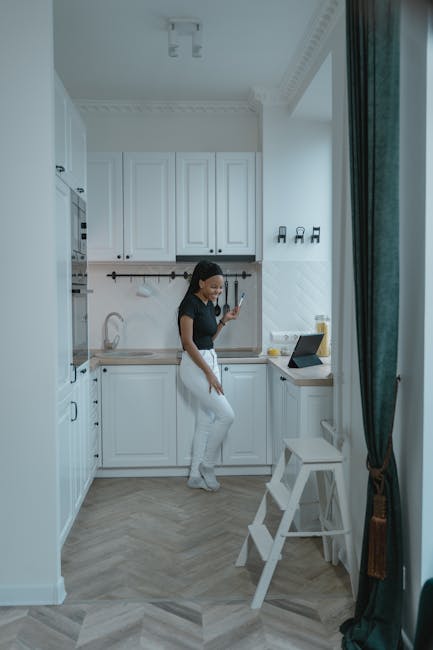

Imagine stepping into a kitchen where timeless elegance meets modern functionality. The classic white kitchen is a dream for many, offering a clean, bright, and sophisticated space that never goes out of style.
But how do you transform your kitchen into this iconic haven without getting overwhelmed by choices or breaking the bank? You're about to discover the secrets to achieving that perfect balance of simplicity and charm. This guide will walk you through each step, ensuring your design is not only stunning but also tailored to your taste and lifestyle.
Ready to create a kitchen that you'll love every day? Let's dive in and make your vision a reality.
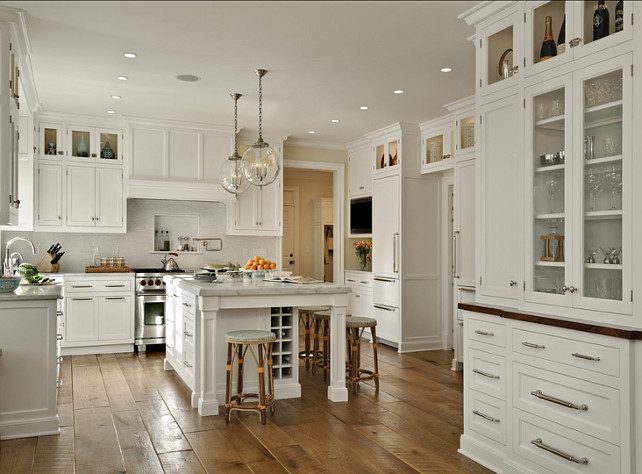
Credit: www.homebunch.com
Choosing The Right Shade Of White
Selecting the perfect shade of white transforms a kitchen into a timeless classic. Each hue offers unique warmth and light reflection. Soft whites create cozy atmospheres, while bright whites lend a fresh, clean look. Consider lighting and surrounding colors for a harmonious design.
Designing a classic white kitchen is a timeless choice that exudes elegance and simplicity. However, the key to achieving that perfect look lies in choosing the right shade of white. You might think white is just white, but the subtle differences can significantly impact your kitchen's overall feel. Picking the perfect shade involves considering lighting, cabinetry, and the mood you want to create.
Understanding Undertones
White isn't just one color. It comes with undertones like blue, yellow, or gray. These undertones can change the vibe of your kitchen. Consider the natural light in your space. Does it highlight cooler hues, or does it warm up the room? You might favor a warm white in a sun-drenched kitchen or opt for cooler tones in spaces with less light.
Testing Samples
Before committing to a shade, test out samples. Paint swatches on your walls or cabinetry. Observe them at different times of the day. You’ll notice how morning light might make your chosen white appear different than it does under evening lighting. This practical step ensures you pick a shade that consistently pleases you.
Complementing With Other Colors
Think about other colors in your kitchen. Are you pairing white with bold accents or staying monochromatic? The right shade of white can either pop against vibrant colors or blend seamlessly for a serene space. Consider whites with soft undertones to complement wood grains or metallic finishes, adding depth and character to your kitchen.
Personal Experience: The Power Of A Swatch
I once thought any white would do for my kitchen. I painted a wall with a sample and watched it transform under different lights. It was eye-opening. A seemingly perfect shade in the store looked starkly different at home. Testing is vital. It saved me from a costly mistake and guided me to a shade that feels just right every day. Choosing the right shade of white for your kitchen isn't just about aesthetics; it's about creating a space where you feel comfortable and inspired. How do you envision your kitchen? Let your choice of white pave the path to your dream space.
Balancing Natural And Artificial Light
Designing a classic white kitchen involves harmonizing natural and artificial light. White surfaces reflect sunlight, creating a bright, airy feel. Complement with warm artificial lighting for cozy evenings. This balance enhances the kitchen's timeless elegance.
Balancing natural and artificial light is crucial when designing a classic white kitchen. The interplay of these lighting elements can transform your space, enhancing its elegance and functionality. Whether you are a seasoned cook or someone who enjoys hosting, proper lighting can make your kitchen more inviting and efficient.
Maximizing Natural Light
Start by assessing the natural light your kitchen receives. Large windows or glass doors can flood your space with sunlight, making it warm and welcoming. If your kitchen lacks windows, consider installing skylights or using glass panels in cabinet doors to let light filter through. Place reflective surfaces strategically. White countertops and glossy tiles can bounce light around, brightening the entire space. Mirrors can also be a stylish addition, amplifying the natural light and making your kitchen feel more expansive.
Choosing The Right Artificial Lighting
Artificial lighting should complement the natural light, not overpower it. Use a combination of overhead lights, under-cabinet lights, and pendant fixtures to cover all areas. LED lights are energy-efficient and offer a range of warm to cool tones to suit your kitchen's mood. Install dimmers to adjust the light intensity according to your needs. Brighten the room for cooking or dim the lights for a cozy dinner setting. This flexibility enhances the functionality of your space, catering to various activities.
Creating A Harmonious Blend
Think about the balance between natural and artificial light. You might notice that certain times of the day your kitchen looks perfect, but at other times it feels too dim or too bright. Adjusting your artificial lights to complement the changing natural light can solve this. Consider how you use your kitchen throughout the day. Do you prefer a bright space in the morning for breakfast prep, or a softer ambiance in the evening for relaxation? Tailoring your lighting setup to your routine will enhance your daily experience.
Personal Insights And Tips
In my kitchen, I found that adding a simple pendant light above the island made a world of difference. It not only provided focused light for tasks but also became a design focal point. Think about your kitchen's unique features and how lighting can accentuate them. Ask yourself how your kitchen feels at different times of the day. Are there dark corners that need attention, or are some areas too bright? By being mindful of these nuances, you can create a kitchen that is both beautiful and functional, enhancing your overall living experience.
Selecting Timeless Cabinet Styles
Choosing the right cabinets sets the stage for a classic white kitchen. Timeless cabinet styles blend elegance with functionality. They create a harmonious and inviting space. Focus on styles that have stood the test of time. This approach ensures your kitchen remains chic and relevant.
Traditional Shaker Cabinets
Shaker cabinets feature clean lines and a straightforward design. Their simplicity makes them timeless. They suit both modern and classic kitchen settings. The flat panels and sturdy construction add durability. White shaker cabinets bring a fresh, bright feel to your kitchen.
Elegant Raised Panel Cabinets
Raised panel cabinets offer a sophisticated look. They feature an inset panel that creates depth. This design adds a touch of elegance. White raised panel cabinets provide a graceful backdrop. They pair well with decorative hardware for a polished finish.
Classic Beadboard Cabinets
Beadboard cabinets evoke a cottage charm. The vertical lines add texture and interest. They are perfect for traditional kitchens. White beadboard cabinets brighten the space. They create a cozy and welcoming atmosphere.
Vintage Glass-front Cabinets
Glass-front cabinets add a touch of vintage appeal. They allow display of beautiful dishware. The transparent doors create an open feel. White glass-front cabinets enhance the light in the room. They contribute to a spacious and airy kitchen vibe.
Timeless Flat-front Cabinets
Flat-front cabinets offer a sleek, modern look. Their smooth surface creates a minimalist feel. They are versatile and fit various kitchen styles. White flat-front cabinets provide a clean and crisp appearance. They are ideal for contemporary kitchen designs.
Incorporating Durable Materials
Designing a classic white kitchen involves using durable materials like quartz countertops and solid wood cabinets. These choices ensure longevity and maintain the timeless elegance of the space. High-quality finishes and sturdy fixtures contribute to a kitchen that's both functional and visually appealing.
Designing a classic white kitchen requires more than just choosing the right shade of paint. The materials you use play a significant role in ensuring your kitchen remains timeless and functional. Durable materials not only enhance the aesthetic but also withstand the test of time, making your investment worthwhile. Let's explore how you can effectively integrate these materials into your kitchen design.
Choosing The Right Countertops
White kitchens are a blank canvas, and the countertops are a key element that can add character. Quartz is an excellent choice. It’s non-porous, resistant to stains, and doesn't need sealing. Granite, though slightly more maintenance-heavy, offers natural beauty and durability. Consider your cooking habits and choose a material that suits your lifestyle.
Opting For Hardwood Flooring
Hardwood floors add warmth to a white kitchen. They are durable and can be refinished multiple times. Oak or maple are popular choices for their strength and versatility. If you're worried about wear and tear, think about adding rugs in high-traffic areas to prolong the floor's life.
Investing In Quality Cabinetry
Cabinets are the backbone of any kitchen. Solid wood cabinets, though pricier, are a long-term investment. They resist warping and can handle the weight of heavy kitchenware. Consider soft-close hinges to prevent wear and tear over time.
Utilizing Stainless Steel Appliances
Stainless steel appliances are not just sleek but also long-lasting. They resist rust and are easy to clean. Their reflective surface can add depth to a white kitchen, making it appear more spacious. Think about the layout and ensure appliances are strategically placed for ease of use.
Incorporating Durable Backsplash Materials
A backsplash can protect your walls while adding a design element. Subway tiles are a classic choice that complements a white kitchen beautifully. They are easy to clean and maintain. You might also consider glass tiles for a modern touch, which are equally durable and easy to maintain. By choosing durable materials, you're not just creating a kitchen that looks good today; you're ensuring it will stand the test of time. Each material choice impacts the overall feel and functionality of your space. What choices resonate with your vision of a classic kitchen?
Adding Subtle Accents
White kitchens feel timeless. Adding subtle accents makes them stand out. Consider soft textures or gentle color pops. They add warmth and depth. Small details like brass handles or wooden stools make a big impact. These touches create a welcoming and stylish space.
Adding subtle accents to a classic white kitchen can transform a simple space into an elegant masterpiece. While a white kitchen exudes timeless beauty, adding small details can make it uniquely yours. These accents enhance the design without overshadowing the pristine white palette. How do you add character without losing the elegance of white? Let’s explore some thoughtful ways to do just that.
Metallic Touches
Metallic touches can add a touch of glamor to your white kitchen. Think about using chrome or brass handles for cabinets and drawers. These metals reflect light beautifully, adding a hint of luxury to the space. Consider pendant lights with metallic finishes. They can serve as a stunning focal point above a kitchen island or dining area. Even small metallic accessories, like a brushed silver fruit bowl or a copper kettle, can make a big impact. Do you have an old metal fixture you adore? A quick polish might bring it back to life, adding both sentiment and style to your kitchen.
Textured Backsplashes
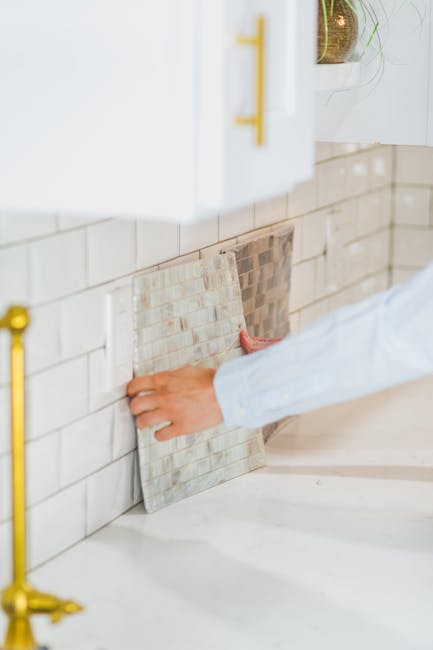
A textured backsplash can add depth and interest to your kitchen. Subway tiles are a classic choice, but consider those with a beveled edge or a unique pattern. They maintain the classic look while offering a subtle variation. Stone or brick backsplashes can introduce natural textures that contrast beautifully with smooth white cabinets. These options bring warmth and a rustic feel to your kitchen. If you prefer something modern, explore textured glass tiles. They add a sleek, contemporary touch without overwhelming the space. Have you ever tried creating a mood board? It’s a great way to visualize how different textures will work together in your kitchen. By thoughtfully adding these subtle accents, you can elevate your classic white kitchen into a space that reflects both timeless elegance and your personal style. What accents will you add to make your kitchen uniquely yours?
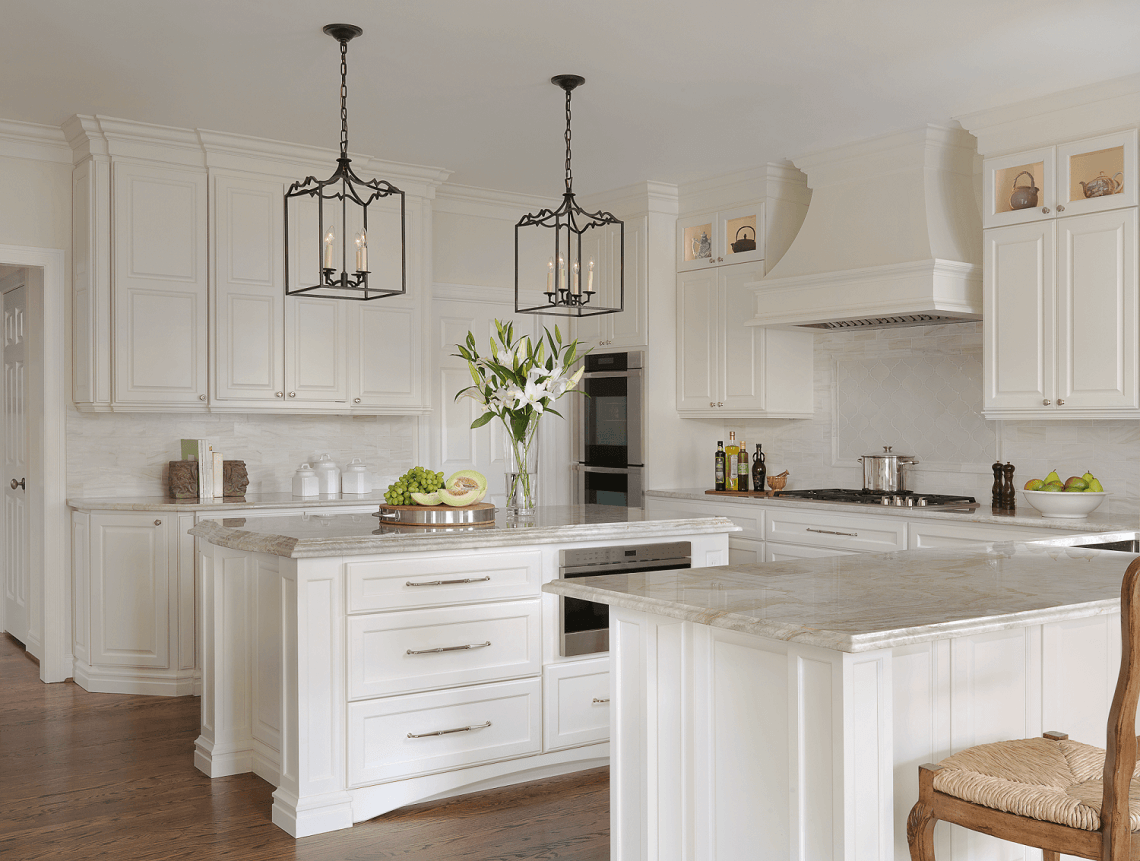
Credit: beckallencabinetry.com
Integrating Classic Fixtures
Incorporating classic fixtures brings timeless elegance to a white kitchen design. Think vintage knobs and delicate lighting. These elements add charm and warmth, creating a cozy atmosphere.
Designing a classic white kitchen offers a timeless appeal and a serene cooking environment. A key component in achieving this look is integrating classic fixtures that blend functionality with traditional elegance. These elements not only enhance the aesthetic but also add character and charm to your kitchen space.
Choosing Timeless Cabinet Hardware
Cabinet hardware is like jewelry for your kitchen. Opt for brass or brushed nickel handles and knobs to add a touch of sophistication. These materials are durable and resistant to wear, ensuring your kitchen remains stylish for years to come.
Installing Vintage-inspired Lighting
Lighting sets the mood in your kitchen. Consider pendant lights with a vintage design or classic chandeliers to hang above the island. These fixtures provide both illumination and a statement piece that captures attention.
Incorporating A Farmhouse Sink
A farmhouse sink not only offers practicality but also exudes rustic charm. Choose an enamel or stainless-steel finish to complement your white cabinetry. This fixture becomes the centerpiece, drawing admiration from guests and family alike.
Opting For Classic Faucet Designs
Faucets are an opportunity to showcase classic style. Look for those with cross handles or elegant curves, often found in polished chrome or oil-rubbed bronze finishes. These designs blend well with the overall theme, providing both utility and beauty.
Adding Traditional Backsplash Tiles
Subway tiles are a classic choice for a kitchen backsplash. Their clean lines and neutral colors make them perfect for a white kitchen. Consider a herringbone pattern for added visual interest without overshadowing the classic appeal.
Choosing Timeless Floor Materials
Your kitchen floor should complement the classic fixtures. Hardwood or marble tiles are popular choices that provide durability and an elegant finish. Ensure the color and texture harmonize with your overall kitchen design.
When you’re designing your classic white kitchen, consider how each fixture contributes to both form and function. Have you thought about how your choices will affect your daily kitchen activities? Pay attention to details, and your kitchen will not only look timeless but will also serve as a functional and inviting space for years to come.
Optimizing Layout For Functionality
Designing a classic white kitchen involves smart layout choices for better functionality. Prioritize ample storage with sleek cabinetry. Ensure efficient workflow by placing appliances strategically.
Designing a classic white kitchen is not just about aesthetics; it's about creating a space where every item has its place and every movement feels natural. Optimizing your kitchen layout for functionality is key to achieving this. Think about your daily routine in the kitchen. Where do you usually prepare your meals? Where do you store your most-used kitchen gadgets? These questions help you create a layout that works for you, making your kitchen both beautiful and practical.
Understanding The Work Triangle
The work triangle is a concept that connects the stove, sink, and refrigerator—the three most crucial areas in the kitchen. This triangle should allow you to move effortlessly between these points. If you're redesigning, consider keeping these areas within a few steps of each other. A compact work triangle can significantly reduce the time and effort spent in the kitchen.
Maximizing Storage Solutions
Storage is essential in a classic white kitchen. Utilize every inch of space by installing cabinets that reach the ceiling. You can also add pull-out shelves or lazy Susans in corner cabinets to make items more accessible. Think about the items you use most and position them within easy reach. Is there a specific drawer where you always struggle to find things? Consider organizers to keep everything in place.
Creating An Efficient Workflow
An efficient workflow means arranging your kitchen in a way that minimizes unnecessary movements. Group similar tasks together. For instance, keep your cutting board, knives, and vegetables in the same vicinity. This minimizes back-and-forth movements, saving time and energy. Have you ever found yourself running around the kitchen just to prepare a simple meal? Rearranging your items could solve this issue.
Incorporating Adequate Lighting
Lighting can transform the functionality of your kitchen. Ensure your workspaces are well-lit with overhead or under-cabinet lights. Natural light is also a fantastic asset. If possible, place your prep area near a window to enjoy the daylight. If your kitchen feels dim, adding more lighting could make tasks easier and the space feel more inviting.
Personalizing For Your Needs
Every household has unique needs. Tailor your kitchen layout to accommodate your lifestyle. If you love baking, dedicate a corner for your baking tools and appliances. If you often entertain guests, an island with seating could be perfect. Have you ever thought about how your kitchen reflects your cooking habits? Design your space to support your favorite activities. Creating a functional kitchen layout is about understanding your needs and preferences. By focusing on these elements, you can design a classic white kitchen that's not just timeless but also a joy to work in. What changes could make your kitchen more efficient and enjoyable?
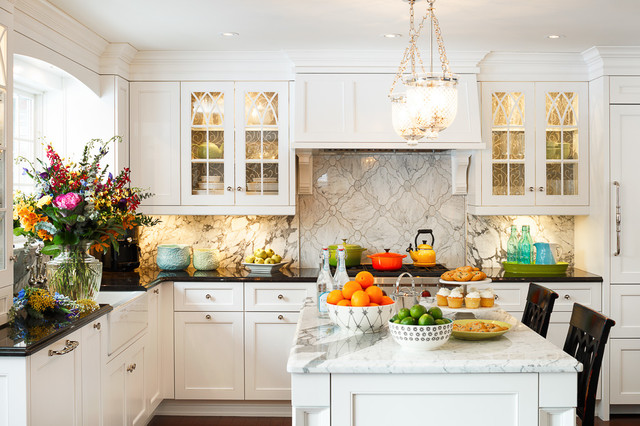
Credit: www.houzz.com
Choosing Timeless Flooring Options
Creating a classic white kitchen involves careful choices. Flooring plays a vital role in setting the tone. Timeless flooring options ensure your kitchen remains stylish for years. The right choice complements white cabinetry and enhances overall aesthetics.
Choosing Hardwood Flooring
Hardwood floors offer a warm, natural look. They pair beautifully with white kitchens. Oak, maple, and walnut are popular choices. Each type brings unique grain patterns and colors. Hardwood is durable and can be refinished. This makes it a long-lasting option.
Opting For Tile Flooring
Tiles provide versatility in design and durability. Ceramic and porcelain tiles resist moisture. They are perfect for kitchens. Choose neutral tones like beige or gray. These colors complement white cabinets. Tiles are easy to clean and maintain.
Selecting Laminate Flooring
Laminate flooring mimics natural wood. It's an affordable alternative to hardwood. Installation is straightforward and quick. Laminate offers a wide range of styles. Choose lighter shades for a cohesive look. It stands up well to high traffic.
Considering Stone Flooring
Natural stone adds elegance to any kitchen. Marble and travertine are popular choices. Each stone has unique veining and patterns. Stone flooring is durable and timeless. Proper sealing protects against stains. It creates a luxurious feel.
Exploring Vinyl Flooring
Vinyl is known for its resilience. It's water-resistant and easy to clean. Modern vinyl mimics wood and stone. It's cost-effective and versatile. Choose patterns that align with kitchen design. Vinyl offers comfort underfoot.
Decorative Elements For Elegance
Creating an elegant white kitchen involves more than just choosing cabinets and countertops. Decorative elements add a touch of sophistication and style. They transform a simple space into a classic masterpiece. This section explores how to enhance your kitchen's elegance.
Ornamental Moldings
Ornamental moldings add character to a white kitchen. They frame cabinets beautifully. Choose crown moldings for a regal touch. They add depth and detail above cabinets. Baseboard moldings complete the look. They offer a polished finish at the floor level. Moldings can be simple or intricate. Both styles look stunning in white kitchens.
Classic Art Pieces
Art brings personality to a kitchen. Classic pieces fit well with white themes. Consider black and white prints for a timeless feel. Small sculptures also work well. Place them on shelves or countertops. Art adds color and texture. It turns the kitchen into a welcoming space.
Maintaining A Clutter-free Space
Designing a classic white kitchen creates a clean and timeless look. Choose sleek cabinetry and minimalistic decor to maintain a clutter-free space. Opt for smart storage solutions that blend seamlessly into the white design, enhancing functionality and elegance.
Maintaining a clutter-free space in a classic white kitchen can be both satisfying and challenging. A clean and organized kitchen not only looks beautiful but also enhances functionality. You might be wondering how to keep your kitchen pristine without sacrificing practicality. Let's explore some practical strategies to achieve this balance.
Keep Countertops Clear
Countertops should be reserved for essentials. When you have too many items on display, it can make the space feel cramped and disorganized. Consider storing small appliances like toasters and blenders in cabinets. If you find a particular appliance is used daily, designate a specific spot for it. This way, you maintain functionality while preserving visual appeal.
Use Smart Storage Solutions
Smart storage solutions can be a game-changer in your kitchen. Drawer organizers, pull-out shelves, and lazy Susans can make a significant difference in keeping things tidy. Evaluate your current storage system and identify where improvements can be made. Does your pantry need a revamp? Adding labeled bins can help keep similar items together, making it easier to find what you need without rummaging through a mess.
Regularly Declutter
Decluttering isn't just a one-time task; it should be part of your routine. Set aside time monthly to go through your kitchen items. Ask yourself if you really need that extra set of measuring spoons or those mismatched mugs. A rule I follow is if I haven't used it in the last six months, it might be time to let it go. Less clutter means more space to enjoy cooking.
Embrace Minimal Decor
Decor in a classic white kitchen should be minimal yet impactful. Too many decorative items can overwhelm the space. Choose a few key pieces that complement the white aesthetic, such as a vase of fresh flowers or a simple fruit bowl. These elements can add warmth without taking away from the clean lines of the kitchen.
Evaluate Your Habits
Your habits play a crucial role in maintaining a clutter-free kitchen. Notice how often you leave items out after using them. Are you someone who tends to let mail or magazines pile up on the counter? Becoming aware of these habits can help you make small changes that lead to a tidier space. Remember, the key is consistency. Maintaining a clutter-free kitchen requires diligence, but the rewards are worth it. A beautiful, organized space enhances your cooking experience and brings peace to your home. What strategies have you found effective in keeping your kitchen tidy?
Frequently Asked Questions
What Are Key Elements Of A White Kitchen?
A white kitchen typically features clean lines, minimalist cabinetry, and subtle textures. Incorporate classic materials like marble or quartz countertops. Use stainless steel appliances and chrome fixtures for a modern touch. Add warmth with wooden accents or colorful décor. Lighting plays a crucial role, so consider pendant lights or under-cabinet lighting.
How Do I Maintain A White Kitchen?
Maintaining a white kitchen involves regular cleaning. Use gentle, non-abrasive cleaners for surfaces to prevent scratches. Wipe spills immediately to avoid staining. Clean cabinetry and appliances weekly to keep them pristine. Consider using protective mats or coasters to reduce wear.
Regular dusting will keep your kitchen looking fresh and bright.
Which Countertops Work Best In White Kitchens?
Quartz and marble are popular choices for white kitchens due to their elegance. Quartz is durable and low-maintenance, ideal for busy households. Marble adds a timeless, luxurious appeal but requires sealing. Granite offers variety and strength, suitable for high traffic.
Consider lighter shades to complement the overall aesthetic of the kitchen.
How To Add Color To A White Kitchen?
Introduce color through accessories, artwork, or plants. Use colorful kitchenware or vibrant stools for a pop of color. Consider a feature wall in a soft hue or patterned backsplash. Incorporate greenery with potted plants or herbs. Changing textiles like curtains or rugs can also add warmth and personality.
Conclusion
Creating a classic white kitchen blends elegance and simplicity. Timeless design offers a clean, bright look that fits any home. Focus on quality materials for long-lasting beauty. White cabinets paired with subtle accents add charm. Natural light enhances the space, making it feel open.
Choose fixtures that match the classic theme. Balance functionality with style for everyday use. Incorporate personal touches to make it unique. Simple changes create a welcoming atmosphere. A white kitchen never goes out of style. Perfect for both modern and traditional homes.
Enjoy your beautiful, classic kitchen transformation.