

How to Design Commercial Kitchen Hood System?
Designing a commercial kitchen hood system is crucial for the efficiency and safety of your restaurant. If you’ve ever walked into a kitchen filled with smoke, you know how important it is to have the right ventilation.
A well-designed hood system not only keeps the air clean but also ensures a comfortable environment for your chefs and staff. You might think it's a daunting task, but it's easier than you imagine. This guide will walk you through the essential steps to create a system that meets your needs, complies with regulations, and enhances your kitchen’s performance.
Keep reading to discover how you can transform your kitchen into a well-ventilated, safe, and productive space.
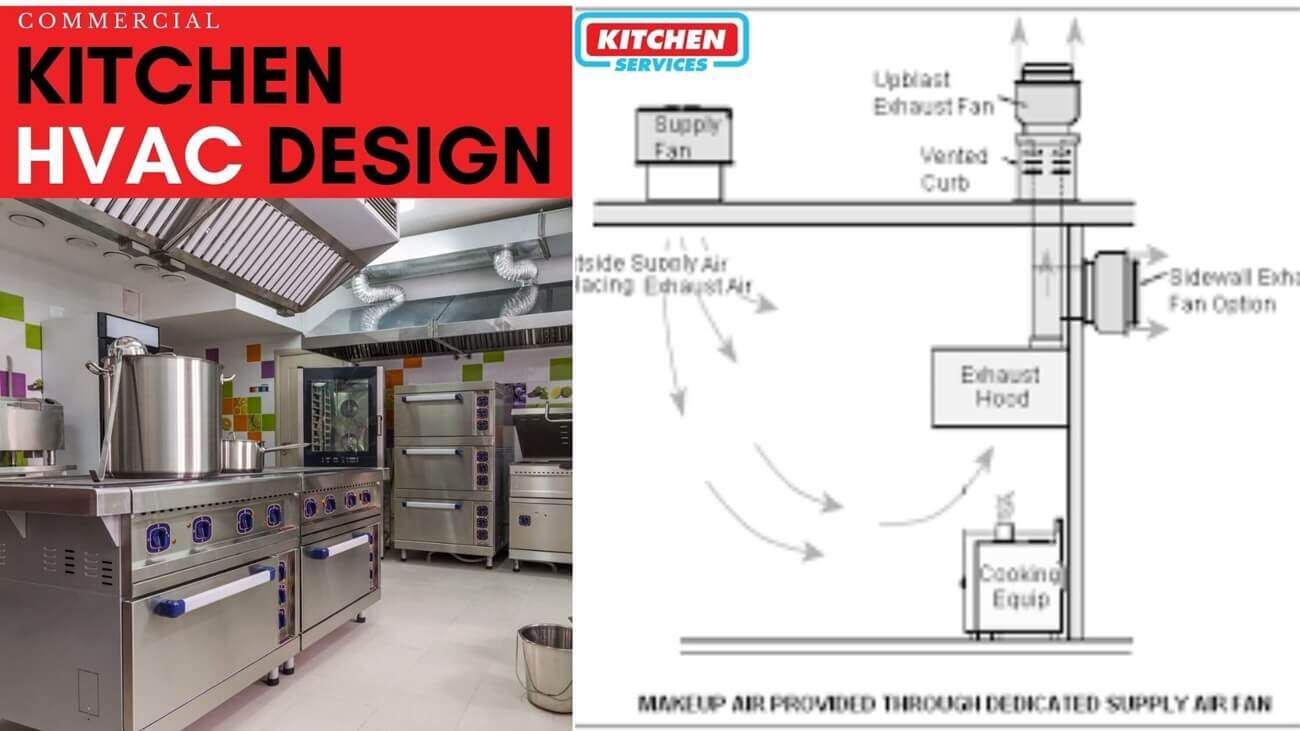
Credit: kitchen.services
Choosing The Right Hood Type
Selecting the ideal hood type is crucial for an efficient commercial kitchen design. Consider factors like kitchen size and cooking volume. Proper ventilation ensures safety and compliance with regulations.
Choosing the right hood type for a commercial kitchen is crucial. It ensures safety and efficiency in your cooking environment. Different types of hoods suit different kitchen setups and needs. A well-chosen hood can greatly improve air quality. It also helps maintain a comfortable kitchen atmosphere.
Wall-mounted Vs. Island Hoods
Wall-mounted hoods attach directly to a wall. They are suitable for kitchens with ranges along the wall. These hoods are easier to install and often more affordable. They effectively capture smoke and grease from cooking. Island hoods hang from the ceiling above a cooking island. They are ideal for open kitchen layouts. Island hoods usually require more power. This is because they need to cover a larger area. Choose an island hood if your stove is not near a wall.
Vented Vs. Recirculating Systems
Vented hood systems release air outside. They are effective in removing smoke, heat, and odors. This system requires ductwork installation. It might be more costly but provides better air quality. Recirculating systems filter and return air to the kitchen. They do not need ducts and are easier to install. These systems are less effective than vented ones. They may need frequent filter replacements. Choose based on your kitchen’s layout and budget.
Calculating Ventilation Needs
Calculating ventilation needs is crucial for a commercial kitchen hood system. Proper ventilation ensures safety and efficiency. It removes smoke, heat, and odors. This keeps the kitchen environment healthy. Understanding ventilation needs involves several key factors. Determining exhaust volume and airflow dynamics are essential steps.
Determining Exhaust Volume
Exhaust volume measures the air a hood system must remove. It depends on kitchen size and cooking equipment. Heavy-duty appliances need more exhaust. Calculate the exhaust volume in cubic feet per minute (CFM). Consider the hood's dimensions. Measure the length, width, and height. This gives the hood's surface area. Multiply by a recommended factor. This factor varies by equipment type. Typically, ranges require a higher factor. Ovens and fryers need less. Ensure the exhaust volume matches kitchen activities.
Understanding Airflow Dynamics
Airflow dynamics impact how air moves in the kitchen. Proper airflow ensures efficient ventilation. It prevents heat and smoke buildup. Good airflow keeps the kitchen cool. Consider the hood's placement. Ensure it covers cooking surfaces fully. Check for obstructions. Avoid blocking air paths. Ensure air can circulate freely. Balance is key. Too much airflow can cause drafts. Too little leaves areas unventilated. Maintain optimal airflow for comfort and safety.
Material Selection
When designing a commercial kitchen hood system, choosing the right materials is crucial. The materials you select can impact the efficiency, safety, and longevity of your kitchen hood. It's not just about picking something that looks good; it's about ensuring that your kitchen is safe and functional. Are you considering what material will best suit your kitchen’s needs?
Stainless Steel Options
Stainless steel is a popular choice for kitchen hoods, and for good reason. It's durable, easy to clean, and resistant to corrosion. This material can withstand the harsh conditions of a busy kitchen without losing its shine.
Stainless steel is available in various grades. Grade 304 is commonly used in kitchen hoods due to its excellent corrosion resistance. However, if your kitchen environment is exceptionally humid or exposed to chemicals, grade 316 might be a better option.
Have you ever noticed how some kitchens retain their sleek look despite constant use? That's often due to the choice of stainless steel. Choosing the right grade can make your maintenance tasks much easier and keep your kitchen looking professional.
Fire-resistant Materials
Safety is a top priority in commercial kitchens, and selecting fire-resistant materials for your hood system is non-negotiable. These materials can prevent the spread of fire, protecting your staff and equipment.
One effective fire-resistant material is galvanized steel. It's cost-effective and provides a reliable barrier against flames. Another option is aluminum, which has a high melting point and offers substantial fire resistance.
Have you considered how fire-resistant materials can impact insurance costs? Using these materials might not only enhance safety but also reduce your premiums. It's an investment that pays off in more ways than one.
Choosing the right materials for your kitchen hood system is more than just a decision; it's a commitment to safety and efficiency. What materials will you trust to keep your kitchen running smoothly?
Ensuring Compliance With Regulations
Designing a commercial kitchen hood system demands careful attention to regulations. Ensure safety by incorporating proper ventilation and fire safety measures. Regular inspections and adhering to local codes are essential for compliance.
Designing a commercial kitchen hood system is not just about aesthetics and functionality. It's crucial to ensure your design complies with regulations. This guarantees safety and efficiency, and also shields you from potential fines and legal issues. Whether you're opening a new restaurant or upgrading an existing one, understanding the rules is vital. Let's dive into the specifics of compliance.
Local Building Codes
Local building codes are the backbone of your kitchen hood design. They dictate everything from the materials you can use to the placement of your hood system. Ignoring these codes can lead to costly renovations or delays. Before you start, check with your city's building department. Obtain a list of requirements for commercial kitchen hoods.
This will help you plan effectively and avoid surprises down the road. Consider the story of a small café owner who overlooked a minor detail in their local code. They ended up having to redo their entire ventilation system, costing them thousands. Don't let this be you. Pay close attention to every detail in the local building codes.
Fire Safety Standards
Fire safety is paramount in any commercial kitchen. A well-designed hood system plays a crucial role in fire prevention. Compliance with fire safety standards protects your staff, customers, and property. Ensure your hood system includes fire suppression equipment. This might include automatic fire extinguishing systems specifically designed for kitchen environments. Check that your system is regularly maintained and tested.
Think about a busy Friday night service. The last thing you want is a fire breaking out because your hood system wasn't up to code. Investing in a compliant system is an investment in peace of mind. Understanding and adhering to these regulations is not just a legal obligation. It's a commitment to safety and quality. As you design your commercial kitchen hood system, keep these compliance factors at the forefront of your planning. Your diligence today can prevent major issues tomorrow.
Designing For Energy Efficiency
Designing a commercial kitchen hood system involves many considerations. Energy efficiency stands out as a key focus. It helps reduce operational costs and supports a sustainable environment. Efficient design also ensures a comfortable workspace. Let's explore important aspects of energy-efficient designs.
Energy-efficient Fans
Fans play a critical role in kitchen ventilation. Choose fans with variable speed controls. They adjust airflow based on demand. This reduces unnecessary energy use. High-efficiency fans also produce less noise. Ensuring a quieter kitchen environment.
Heat Recovery Systems
Heat recovery systems capture waste heat. They reuse it to preheat incoming air or water. This reduces the energy needed for heating. Installing these systems can save significant energy. It also minimizes the carbon footprint of the kitchen.
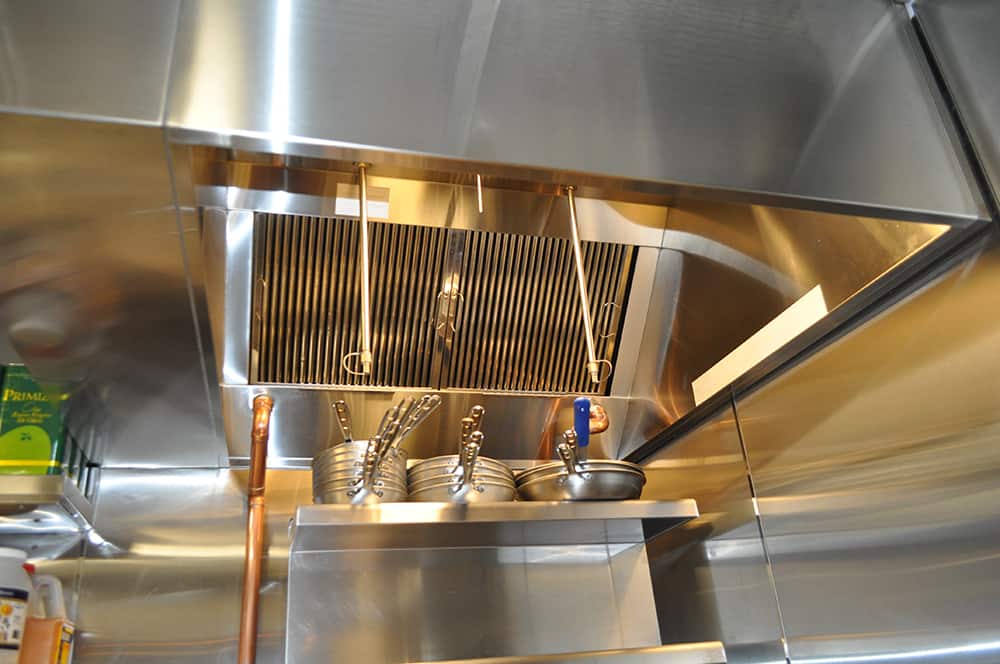
Credit: thekitchenspot.com
Noise Reduction Strategies
Effective noise reduction in commercial kitchen hood systems involves strategic design and material selection. Proper fan placement and sound-dampening materials minimize unwanted noise, creating a quieter environment. Balancing airflow dynamics with acoustics ensures efficient operation without compromising kitchen ambiance.
Designing a commercial kitchen hood system involves many considerations. One key aspect is minimizing noise. Noise can disrupt kitchen operations and affect staff concentration. Implementing effective noise reduction strategies is crucial. It ensures a quieter, more comfortable kitchen environment. Below are some strategies to achieve this.
Soundproofing Techniques
Soundproofing helps reduce the noise levels in kitchens. Use sound-absorbing materials like acoustic panels. These materials absorb sound waves. Install them on walls and ceilings. Another option is using insulation around ductwork. This prevents sound from escaping into the kitchen. Ensure the hood system components are vibration-free. This minimizes noise from moving parts.
Fan Placement Considerations
The fan's location affects noise levels significantly. Place fans away from high-traffic areas. This reduces noise exposure for kitchen staff. Consider installing fans outside the building. External fans can lower indoor noise levels. Use flexible connectors to attach fans. This reduces vibrations and noise transmission. Opt for variable speed fans. They adjust speed based on need, reducing unnecessary noise.
Maintenance And Cleaning
Designing a commercial kitchen hood system involves ensuring proper ventilation and safety. Regular maintenance and cleaning keep it efficient. This helps in removing smoke, odors, and grease, ensuring a safe cooking environment.
Maintaining and cleaning your commercial kitchen hood system is crucial for its longevity and efficiency. Neglecting these tasks can lead to a build-up of grease and grime, which not only hampers performance but also poses safety risks. If you want your kitchen to run smoothly, regular upkeep is non-negotiable. Imagine the peace of mind knowing your kitchen is safe and your equipment is in top shape.
Routine Cleaning Schedules
Establishing a routine cleaning schedule is your first line of defense against grease build-up. Consistency is key. You might schedule daily wipe-downs of accessible surfaces, weekly checks for grease accumulation, and monthly deep cleans. During these deep cleans, focus on the internal components of the hood system. This ensures it remains efficient and reduces the risk of fire. Ever wondered why some kitchens always look spotless? They have a strict cleaning routine that leaves no room for error.
Access For Easy Maintenance
Designing your kitchen hood system with easy access for maintenance simplifies this crucial task. Ensure that filters and fans are easy to reach. If you find yourself struggling to reach these parts, consider adjusting your setup. This ease of access encourages regular checks and cleaning, preventing major issues before they occur.
Have you ever been frustrated with a stubborn hood that refuses to budge? It might be time for a redesign that prioritizes accessibility. By focusing on maintenance and cleaning, you not only ensure safety but also enhance the performance and lifespan of your kitchen hood system. Are you ready to make the commitment to regular upkeep? Your kitchen—and your peace of mind—will thank you.
Collaboration With Contractors
Collaborating with contractors is crucial when designing a commercial kitchen hood system. This partnership ensures that your project progresses smoothly, saving you time and money. When you work hand in hand with the right professionals, every aspect of the design and installation can be tailored to fit your unique needs.
Choosing Experienced Professionals
Your first step is to find contractors with proven expertise in commercial kitchen hood systems. Look for professionals who have handled similar projects and can provide references. Check their credentials and past work to ensure they possess the necessary skills. Remember, hiring the right contractor can make the difference between a well-functioning system and costly setbacks.
Consider asking potential contractors how they handle unexpected challenges. Their answers can give you insight into their problem-solving abilities and reliability. You want a team that can adapt and respond efficiently to any situation that arises.
Coordinating Design And Installation
Once you've selected your contractors, focus on seamless coordination between design and installation. Effective communication is key. Discuss every detail of your kitchen hood system with the contractors to ensure your vision is clearly understood.
Schedule regular meetings to keep everyone on the same page. Use these opportunities to address any questions or concerns. A well-coordinated team will ensure that the installation process is streamlined and efficient, avoiding unnecessary delays.
Have you considered the impact of installation timing on your business operations? Plan the installation during off-peak hours to minimize disruptions. This attention to detail can enhance the overall experience for both your staff and customers.
By collaborating effectively with experienced contractors, you can achieve a commercial kitchen hood system that meets your needs and enhances your business operations. Are you ready to take the next step in designing your ideal kitchen?

Credit: www.energystar.gov
Frequently Asked Questions
What Is A Commercial Kitchen Hood System?
A commercial kitchen hood system removes smoke, heat, and odors. It ensures a safe and clean cooking environment. Proper ventilation is crucial for health and efficiency. The system includes a hood, filters, and ductwork. Regular maintenance is essential for optimal performance.
How Does A Kitchen Hood System Work?
A kitchen hood system extracts air pollutants from cooking. It uses fans to draw in smoke and steam. Filters trap grease and particles. Ductwork expels air outside. This process improves air quality and reduces fire risk. Proper design enhances efficiency and safety.
Why Is Kitchen Hood Design Important?
Proper hood design ensures efficient ventilation and safety. It reduces fire hazards and improves air quality. A well-designed system meets health regulations. It also enhances kitchen comfort and energy efficiency. Custom designs cater to specific kitchen needs. Regular maintenance keeps the system effective.
What Factors Influence Hood System Design?
Hood system design depends on kitchen size, equipment, and usage. Local codes and regulations must be followed. Airflow rates and ductwork layout are crucial. Energy efficiency and noise levels are considered. Customization ensures optimal performance for specific kitchen needs. Professional consultation is recommended.
Conclusion
Designing a commercial kitchen hood system requires careful planning. Focus on functionality, efficiency, and safety. Choose the right materials and equipment. Ensure proper ventilation to maintain air quality. Measure the space accurately to fit your needs. Consult with professionals for best results.
Regular maintenance keeps the system running smoothly. A well-designed hood prevents fires and improves kitchen operations. Prioritize energy efficiency to lower costs. Keep local regulations in mind during design. With these tips, create a kitchen hood system that supports your business.
Stay informed and proactive for a successful outcome.