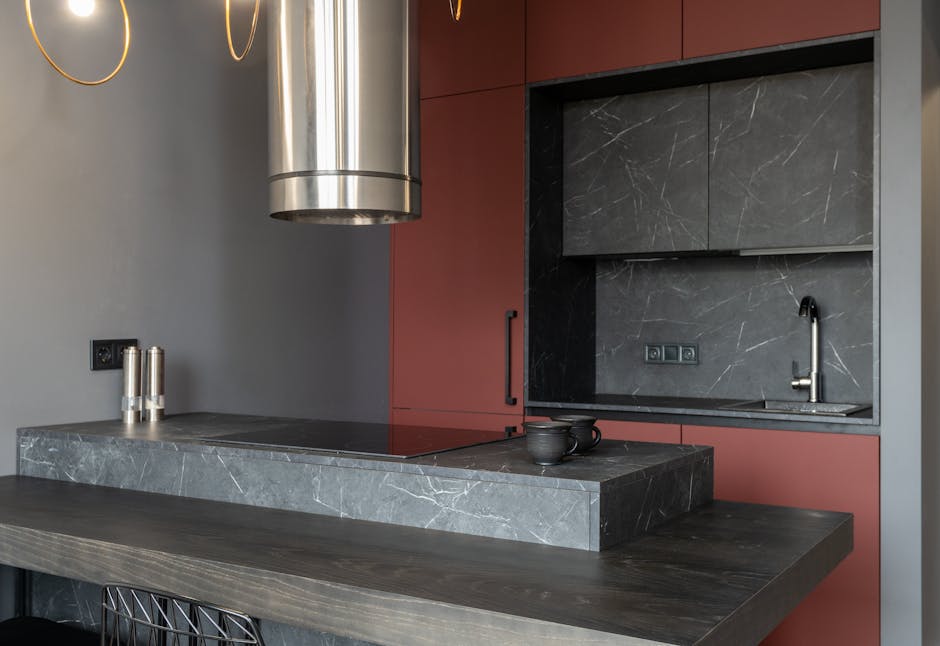

Designing a commercial kitchen is no small feat. It's about creating a space that not only looks good but works efficiently.
Picture this: a kitchen where every tool is within reach, and every corner is optimized for speed and safety. This is not just any kitchen—it's the heart of your business. Your culinary success depends on it. Imagine the satisfaction of having a seamless workflow.
Imagine the joy of chefs moving effortlessly, creating culinary masterpieces without a hitch. This is what a well-designed commercial kitchen offers. It’s more than just equipment and layout; it’s about crafting an environment that boosts productivity and enhances creativity. Are you ready to transform your kitchen into a powerhouse of efficiency and innovation? Dive into this guide, and discover how you can design a commercial kitchen that meets your needs and exceeds your expectations. Your dream kitchen is just a few steps away.
Credit: cloudkitchens.com
Key Elements Of Commercial Kitchen Design
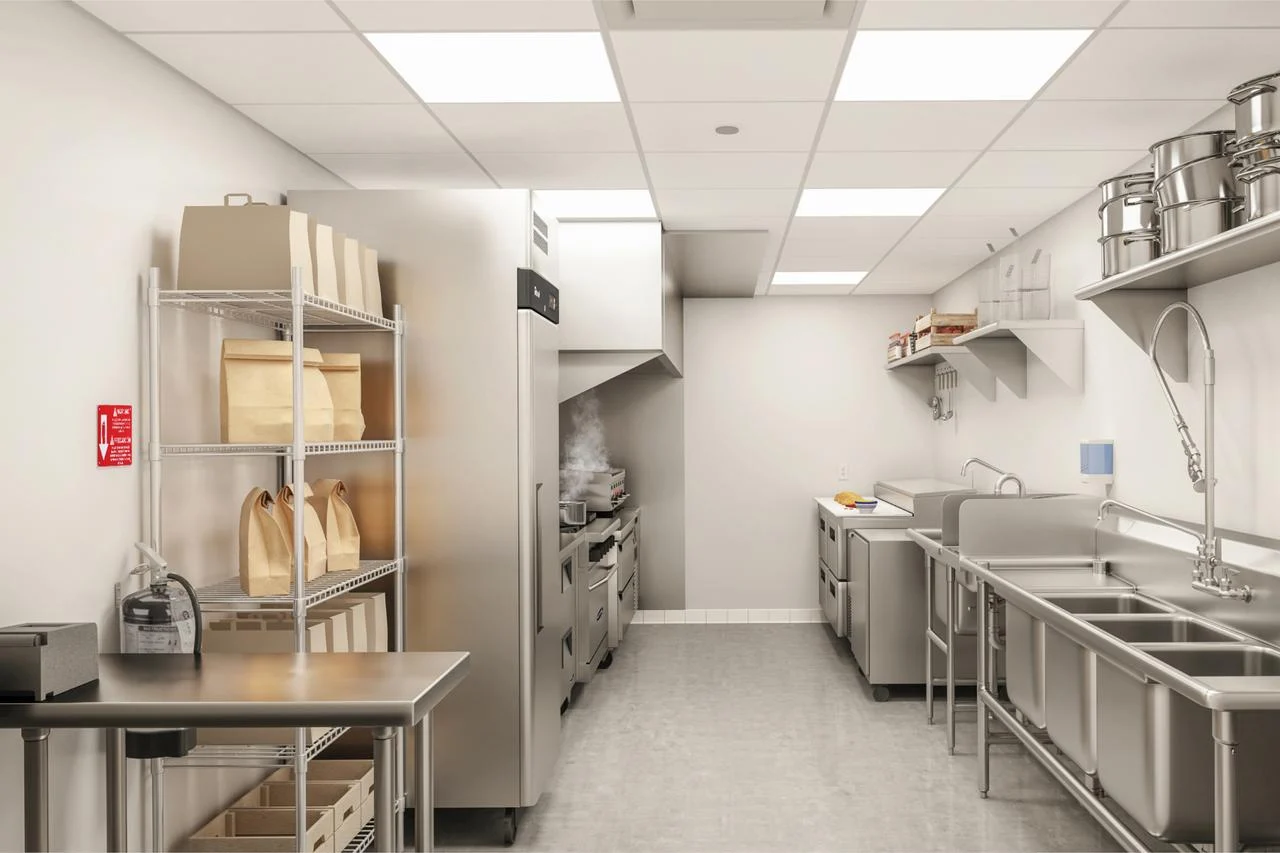
Designing a commercial kitchen requires careful consideration of several key elements. These elements ensure the kitchen is functional, efficient, and safe. A well-designed kitchen enhances productivity and meets health regulations. Below are the essential components to focus on.
Space Optimization
Maximizing space in a commercial kitchen is crucial. Every inch should serve a purpose. Arrange equipment and workstations to minimize movement. This saves time and reduces accidents. Consider vertical storage options. Shelves and racks can free up floor space. Choose compact appliances where possible. They offer more room without sacrificing function.
Workflow Efficiency
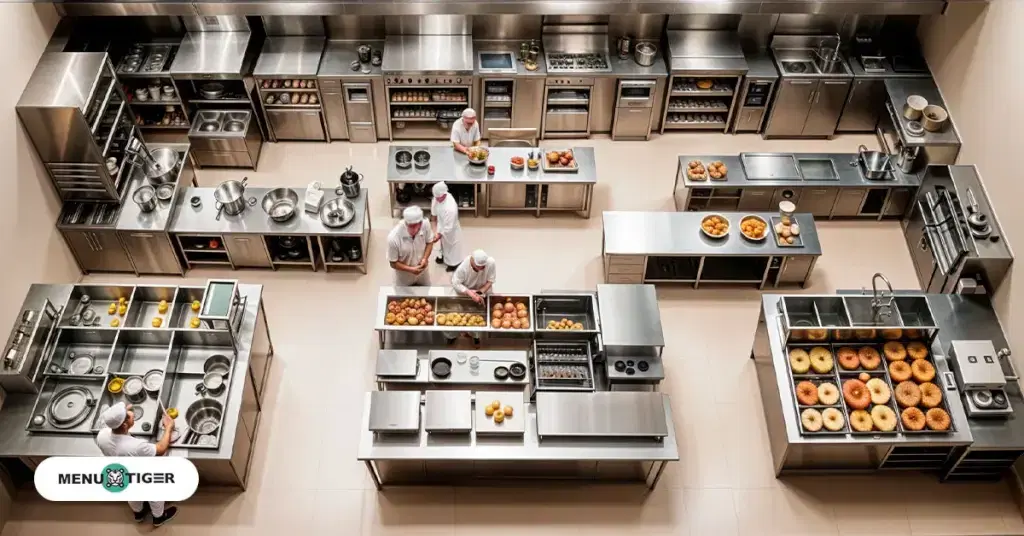
Efficient workflow is vital in a busy kitchen. Design the layout in zones. Each zone should have a specific task. This reduces the need for staff to cross paths. Use the "kitchen triangle" principle. Place the stove, sink, and fridge in a triangular layout. This setup speeds up food preparation. It also minimizes unnecessary steps.
Compliance With Health Codes
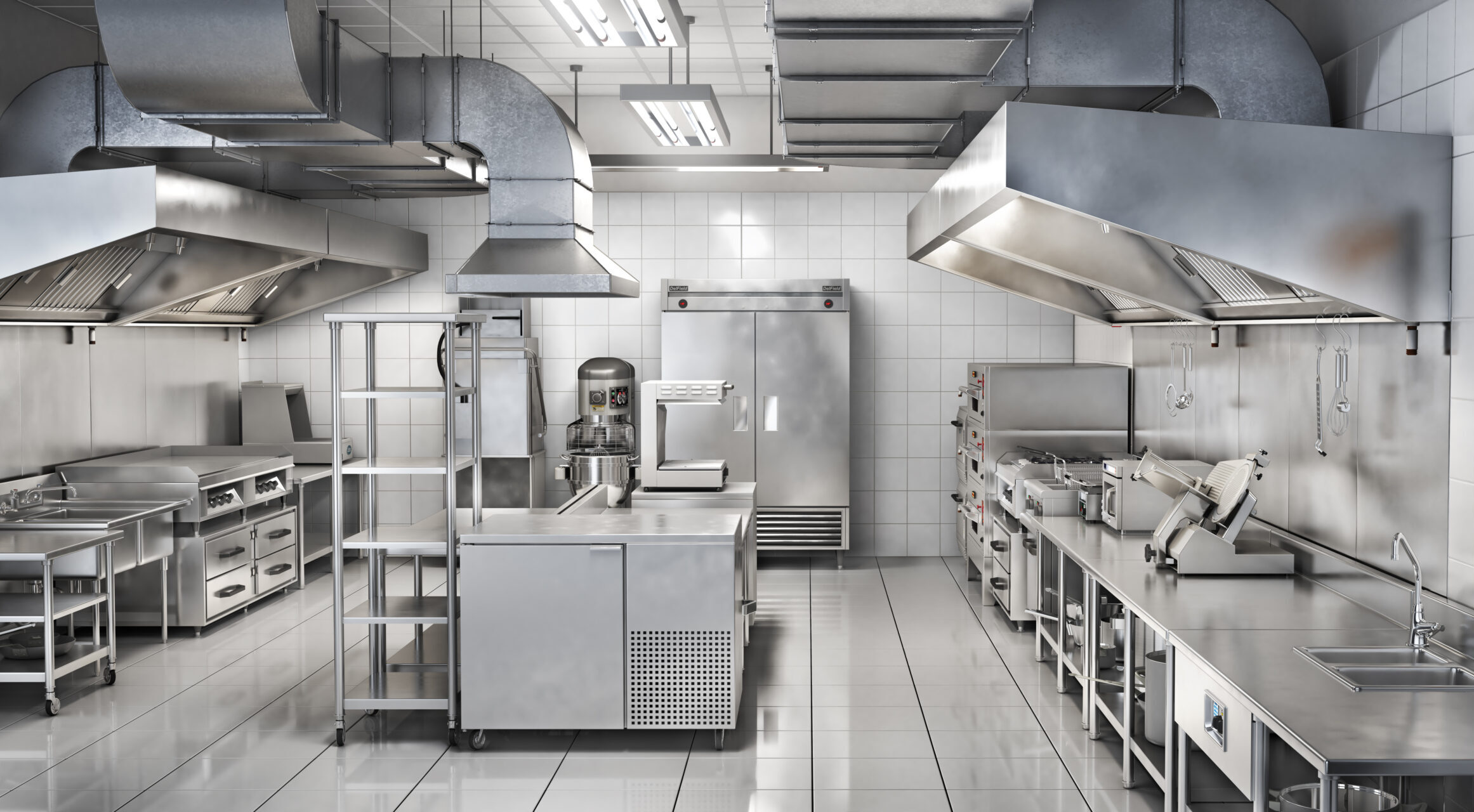
Health and safety regulations must guide kitchen design. Start with proper ventilation. It ensures a clean and safe environment. Install non-slip flooring to prevent falls. Use materials that are easy to clean. Stainless steel is a popular choice. Regularly check equipment for safety compliance. Following these steps keeps the kitchen up to code and safe.
Credit: www.menutiger.com
Choosing The Right Equipment
Choosing the right equipment for your commercial kitchen is like laying the foundation for a successful restaurant. It's about making smart choices that enhance efficiency, reduce costs, and ensure smooth operations. You want equipment that not only meets your culinary needs but also aligns with your budget and sustainability goals. So, how do you select the best tools for your kitchen? Let's dive into the essentials and explore how you can make informed decisions that will benefit your business.
Energy-efficient Appliances
Energy-efficient appliances are a game-changer for commercial kitchens. They help cut down on utility bills and reduce your carbon footprint. Look for appliances with the Energy Star label, which signifies top-tier efficiency.
Think about the long-term savings. While initial costs might be higher, energy-efficient appliances pay off by lowering your monthly bills significantly. You could channel those savings into other critical areas of your business.
Consider a personal story: I once switched to energy-efficient ovens in my café. The reduction in energy costs was noticeable within the first few months, allowing me to invest more in quality ingredients. Are you ready to make a similar impact?
Essential Cooking Tools
Every commercial kitchen needs essential cooking tools that chefs can rely on. Quality pots, pans, knives, and mixers are non-negotiable. They should withstand heavy use and deliver consistent performance.
Don't underestimate the importance of ergonomic design. Tools that are comfortable to use can prevent fatigue, helping your staff maintain productivity throughout their shifts.
Imagine the satisfaction of your chef when they have the perfect knife for slicing fresh vegetables effortlessly. It can make a big difference in food prep speed and accuracy.
Storage Solutions
Effective storage solutions are crucial to a well-organized kitchen. You need to consider shelving, refrigeration, and cabinetry that maximize space without cluttering it.
Invest in smart shelving systems that allow quick access to ingredients and tools. This can streamline operations, saving valuable time during peak hours.
Have you thought about using vertical space? It can be a game-changer in smaller kitchens, allowing you to store more without expanding your footprint.
Choosing the right equipment can transform your commercial kitchen into a well-oiled machine. Consider each option carefully, keeping efficiency and practicality in mind. What equipment will you choose to elevate your kitchen's performance?
Safety And Hygiene Practices
Designing a commercial kitchen involves more than just aesthetics. Safety and hygiene are crucial. A well-designed kitchen keeps staff safe and maintains food quality. Ensuring cleanliness prevents cross-contamination and promotes health. Let's explore some essential practices for your kitchen.
Proper Ventilation
Ventilation removes smoke and heat from the kitchen. It keeps the air clean and fresh. Proper airflow reduces the risk of fire hazards. Install exhaust hoods to maintain air quality. Regular maintenance of vents ensures efficiency.
Non-slip Flooring
Kitchen floors often get wet and greasy. Non-slip flooring helps prevent accidents. Choose materials with texture for better grip. Rubber or vinyl options are ideal. Ensure thorough cleaning to maintain safety.
Sanitation Stations
Sanitation stations are vital for cleanliness. Provide sinks for regular handwashing. Use soap dispensers and paper towels. Easy access encourages frequent use. Install stations near prep areas for convenience.
Layout Options For Different Needs
Designing a commercial kitchen requires careful planning. The layout directly affects efficiency and workflow. Different layouts cater to various operational needs. Choosing the right one can boost productivity. Let's explore some popular layout options.
Assembly Line Layout
The assembly line layout is ideal for fast-paced environments. It is common in fast food kitchens. Each station focuses on a specific task. The flow is linear, from start to finish. This setup minimizes movement and speeds up service. It suits kitchens with high-volume production needs.
Island Layout
The island layout features a central workstation. It allows for easy access from all sides. This design suits spacious kitchens. Chefs can work efficiently with less obstruction. It encourages team collaboration. The island layout is great for creative culinary tasks. It also facilitates open communication among staff.
Zone-style Layout
The zone-style layout divides the kitchen into specific areas. Each zone handles different functions. For example, preparation, cooking, and cleaning. This setup reduces cross-contamination. It is suitable for kitchens with diverse menus. Staff can focus on their tasks without interference. This layout promotes organization and order.
Incorporating Technology
Designing a commercial kitchen involves incorporating technology to enhance efficiency and workflow. Smart appliances and digital systems streamline cooking processes and improve food safety. Energy-efficient equipment reduces operational costs while maintaining high performance.
Incorporating technology into your commercial kitchen can elevate efficiency, safety, and productivity. With the latest advancements, you can streamline operations and enhance the culinary experience. But how do you ensure that technology serves your kitchen's specific needs?
Smart Kitchen Appliances
Smart kitchen appliances are a game-changer in the culinary world. They offer precision, energy efficiency, and ease of use. Imagine a smart oven that preheats itself based on your schedule or a refrigerator that alerts you when the temperature fluctuates. These appliances can be controlled remotely through apps, allowing you to monitor and adjust settings with ease. This not only saves time but also reduces human error. Have you ever thought about how a Wi-Fi-enabled sous-vide could transform your menu offerings?
Inventory Management Systems
Keeping track of inventory is crucial for reducing waste and maintaining fresh ingredients. Advanced inventory management systems provide real-time updates on stock levels. They can even alert you when items are running low or nearing their expiration date. Picture a system that automatically generates purchase orders based on your inventory data. This ensures you never run out of essential ingredients during peak hours. Wouldn't it be great to focus more on creativity and less on logistical headaches?
Order Tracking Solutions
Order tracking solutions streamline the entire order process, from taking customer orders to kitchen preparation. These systems can instantly relay orders to kitchen staff, ensuring accuracy and speed. Digital screens or handheld devices in the kitchen can display orders, reducing the risk of misunderstandings. Have you ever experienced the chaos of a bustling kitchen during rush hour? An effective order tracking system can be your best ally in maintaining calm and efficiency. By integrating technology thoughtfully, you can transform your commercial kitchen into a well-oiled machine. What innovations are you ready to embrace to take your kitchen to the next level?
Sustainability In Kitchen Design
Sustainability in kitchen design is gaining importance in commercial spaces. Creating a kitchen that is eco-friendly benefits both the environment and business. Sustainable kitchens reduce waste and conserve resources. They also meet the expectations of eco-conscious customers. Designing a sustainable kitchen involves careful planning and smart choices. Let's explore some key aspects of sustainability in kitchen design.
Eco-friendly Materials
Choosing eco-friendly materials is crucial for a sustainable kitchen. Use recycled or renewable materials for countertops and cabinets. Bamboo and reclaimed wood are popular choices. They are durable and have low environmental impact. Stainless steel is another eco-friendly option. It is recyclable and long-lasting. Avoid materials with harmful chemicals. This ensures a safe kitchen environment.
Waste Management Systems
Effective waste management is vital in a commercial kitchen. Install systems that separate waste for recycling and composting. This reduces landfill contributions. Use bins with clear labels. They help staff sort waste correctly. Implement food waste reduction practices. Track and analyze waste to improve efficiency. Educate staff on waste management procedures.
Water And Energy Conservation
Water and energy conservation are key in sustainable kitchen design. Install low-flow faucets to reduce water usage. Consider energy-efficient appliances. They consume less power and reduce costs. Use LED lighting for energy savings. Motion sensors can further reduce unnecessary lighting. Insulate pipes to prevent heat loss. This conserves energy and saves money.
Budgeting And Cost Management
Designing a commercial kitchen involves careful budgeting and cost management. Prioritize essential equipment and layout efficiency. Choose durable materials to ensure long-term savings.
Designing a commercial kitchen involves more than just aesthetics and functionality. A crucial part of the process is budgeting and cost management, which ensures your kitchen not only meets operational needs but also stays within financial constraints. Effective budgeting can make the difference between a kitchen that enhances efficiency and one that becomes a financial burden. Understanding how to manage costs smartly can set your project up for long-term success.
Cost-effective Materials
Choosing cost-effective materials is a smart way to keep your budget in check without compromising on quality. Stainless steel, for instance, is both durable and affordable, making it a popular choice for commercial kitchens. It's resistant to rust and easy to clean, which means fewer replacements and lower maintenance costs. Think about using materials that offer a balance between cost and longevity. Instead of high-end marble countertops, consider high-quality laminates that mimic the look at a fraction of the price. This approach allows you to allocate funds to other critical areas without sacrificing style or functionality.
Investment In Quality Equipment
Investing in quality equipment may seem expensive initially, but it pays off in the long run. High-grade appliances often come with better warranties and require less frequent repairs. Imagine the savings if you didn't have to replace a broken oven every few years. When purchasing equipment, prioritize items that enhance efficiency and energy savings. Energy-efficient ovens and refrigerators can significantly reduce utility bills. Always check for energy ratings and user reviews to ensure you're making a wise investment.
Long-term Savings Strategies
Think beyond the immediate expenses and plan for long-term savings. Regular maintenance is a cost-effective way to extend the life of your equipment. Scheduled checks can prevent small issues from becoming costly repairs. Consider implementing a waste reduction strategy. Training staff on proper food storage and inventory management can minimize waste, saving both food costs and disposal expenses. Ask yourself: how can small changes today lead to significant savings tomorrow? Creating a commercial kitchen on a budget doesn't mean cutting corners. It means making informed choices that align with your financial goals. By focusing on cost-effective materials, investing in quality equipment, and strategizing for long-term savings, you can create a kitchen that is both efficient and financially sustainable.
Credit: www.avanticorporate.com
Frequently Asked Questions
What Is Essential In Commercial Kitchen Design?
A commercial kitchen design should prioritize efficiency and safety. Key elements include workflow optimization, proper ventilation, and durable equipment. It should also comply with health regulations, ensure easy cleaning, and support efficient food preparation. Functionality and space utilization are crucial for a successful kitchen design.
How Does Kitchen Layout Affect Efficiency?
A well-planned kitchen layout enhances efficiency by minimizing movement and maximizing productivity. It should facilitate a smooth workflow, enabling chefs to access tools and ingredients easily. Efficient layouts reduce time spent moving between stations, improve staff coordination, and increase overall productivity in commercial kitchens.
What Are The Best Materials For Kitchen Surfaces?
Durable materials like stainless steel and granite are ideal for commercial kitchen surfaces. They offer easy cleaning and resistance to heat, scratches, and stains. Using high-quality materials ensures longevity and maintains hygiene standards. Choosing the right surface materials enhances the kitchen's functionality and aesthetic appeal.
How Important Is Ventilation In Commercial Kitchens?
Ventilation is crucial in commercial kitchens to ensure safety and comfort. Proper ventilation removes heat, smoke, and odors, maintaining air quality. It prevents moisture buildup and reduces fire risks. Efficient ventilation systems protect staff health, comply with regulations, and enhance kitchen performance.
Conclusion
Designing a commercial kitchen requires careful planning. Focus on layout and space. Prioritize efficiency and safety. Choose durable materials and reliable equipment. Think about workflow and storage needs. Lighting and ventilation are essential. Consult with experts for best results. Aim for a functional and comfortable environment.
Remember, a well-designed kitchen boosts productivity. It can enhance customer satisfaction too. Take your time with each step. Every detail matters. A thoughtfully designed kitchen supports your business goals. Good design is an investment in success. Start planning today for a better tomorrow.