
Imagine transforming your kitchen into a space that's uniquely yours, reflecting your style and creativity. Designing your own kitchen cabinets is not just a fulfilling project but also a cost-effective way to revamp your kitchen.
If you've ever felt overwhelmed by the options in big-box stores or frustrated by the prices of custom cabinetry, you're in the right place. This guide will walk you through the steps to design kitchen cabinets that you can build yourself, making your dream kitchen a reality.
By the end of this article, you'll feel empowered and confident, ready to take on this rewarding DIY project. So, are you ready to roll up your sleeves and get started? Let's dive in!
:max_bytes(150000):strip_icc()/CabinetOpener-2000-05483ad02f854fceb8833a3d91f687d3.jpg)
Credit: www.woodmagazine.com
Planning Your Kitchen Layout
Designing kitchen cabinets yourself involves careful planning and creativity. Start by measuring your space accurately. Choose materials that match your style and budget. Consider functionality by incorporating drawers and shelves where needed. Ensure easy access to essential items for a practical and beautiful kitchen layout.
Designing kitchen cabinets yourself is an exciting and rewarding project that requires thoughtful planning. A well-planned kitchen layout is crucial for ensuring that your space is both beautiful and functional. This step is all about making sure that every inch of your kitchen is utilized effectively, reflecting your personal style and staying within your budget.
Assessing Space And Functionality
Before diving into design choices, take a moment to evaluate the space you have. Measure your kitchen and note where windows, doors, and appliances are located. Consider how you move around the kitchen during meal prep. Is there enough room for your activities? Think about your daily kitchen routine and how your cabinet placement can support it. A friend of mine realized too late that her cabinet doors clashed with the fridge door—avoid such mistakes by planning ahead.
Choosing A Design Style
What design style speaks to you? Whether it’s modern, rustic, or traditional, your cabinets should echo your overall kitchen vibe. If you’re drawn to sleek lines and minimalism, consider flat-panel cabinets. For a cozy, homey feel, raised-panel or shaker-style might be your go-to. Remember, your design choice will influence the mood of your entire kitchen. How do you want to feel every time you step into your kitchen?
Budget Considerations
Budgeting is key in any DIY project, and kitchen cabinets are no exception. Start by listing all the materials you need, from wood to hinges, and research their costs. You might find yourself in a dilemma between expensive hardwoods and budget-friendly options like laminate. It’s essential to balance quality with cost to avoid overspending. Can you think of creative ways to save, like reusing old cabinet handles or painting existing cabinets? Keep track of expenses to ensure you don’t go overboard. After all, sticking to a budget doesn’t mean compromising on style or functionality.

Credit: www.grandmashousediy.com
Selecting Materials And Tools
Designing kitchen cabinets yourself is a rewarding project. It combines creativity with practicality. The first step is selecting the right materials and tools. This ensures a smooth building process. Choose wisely to achieve a durable and beautiful finish. Let’s explore the essentials.
Wood Types And Alternatives
Wood is a classic choice for kitchen cabinets. Oak offers strength and durability. Maple has a fine texture and looks elegant. Cherry wood darkens beautifully over time. Consider alternatives like plywood. It's affordable and strong. MDF is another option. It’s smooth and easy to paint. Each material has unique benefits. Choose based on your needs and budget.
Essential Tools For Cabinet Construction
Having the right tools is crucial. A circular saw cuts wood pieces with precision. A power drill helps in assembling parts. Use a tape measure for accurate measurements. A carpenter’s square ensures perfect angles. Sandpaper smooths rough edges. Safety gear like goggles and gloves is a must. These tools make the work easier and safer.
Hardware And Accessories
Hardware adds functionality and style. Hinges allow doors to open smoothly. Choose ones that match your cabinet style. Drawer slides ensure easy access. Handles and knobs come in various designs. They can be metal, wood, or ceramic. Soft-close mechanisms prevent slamming. This extends the life of your cabinets. Select hardware that complements your design vision.
Creating Cabinet Designs
Creating cabinet designs is a rewarding part of building your own kitchen. It allows personal touches and unique styles. Whether you prefer a modern look or a rustic feel, designing cabinets is your chance to express creativity. This step involves sketching ideas, using design software, and finalizing dimensions. Each part is essential to ensure your cabinets are functional and beautiful.
Sketching Your Ideas
Start with simple sketches. Draw basic shapes and outlines. Use pencil and paper for a tactile experience. This helps visualize your concept easily. Try different layouts and styles. Experiment with various shapes and sizes. Let your creativity flow without any restrictions. Sketching helps refine ideas before moving to software.
Using Design Software
Design software brings your sketches to life. Many options are available online. Choose one that suits your skill level. These tools offer precise measurements and detailed views. They help tweak designs and make adjustments. Software can simulate real-life scenarios. You can see how cabinets fit in your space. This step is crucial for accurate planning.
Finalizing Dimensions
Finalize dimensions with care. Measure your kitchen space accurately. Consider door swings and appliance placements. Ensure cabinets fit perfectly in your layout. Double-check measurements to avoid mistakes. Write down all dimensions clearly. Use these measurements during construction. Precise dimensions lead to a seamless installation process.
Credit: designingvibes.com
Building Cabinet Frames
Building cabinet frames is a crucial step in designing kitchen cabinets. This process requires precision and patience to ensure sturdy and durable frames. By focusing on cutting wood pieces, assembling the framework, and securing with fasteners, you can create professional-looking cabinets. Let's delve into each step to guide you through building cabinet frames yourself.
Cutting Wood Pieces
Start by measuring the space where the cabinets will fit. Accurate measurements are essential. Use a saw to cut the wood pieces according to these dimensions. Choose quality wood for durability and appeal. Double-check every cut to ensure precision.
Assembling The Framework
Arrange the cut pieces on a flat surface. Begin by connecting the sides to the base. Use clamps to hold pieces together while you work. Ensure corners are square for stability. Follow a blueprint or plan for consistency in size and shape.
Securing With Fasteners
Use screws or nails to secure the framework. Choose fasteners that match the wood type. Drill pilot holes to prevent splitting. Fasten each joint securely. This strengthens the frame and prevents wobbling.
Installing Doors And Drawers
Crafting your own kitchen cabinets starts with installing doors and drawers. Choose materials that match your kitchen's style. Ensure measurements are accurate for a seamless fit.
Designing your own kitchen cabinets can be a rewarding endeavor, especially when it comes to installing the doors and drawers. This stage is crucial as it ensures both the functionality and aesthetic of your cabinets. With a little patience and precision, you can achieve professional-looking results. Let's dive into the steps you need to follow to install your cabinet doors and drawers effectively.
Measuring For Precision
Before you start drilling holes or attaching hardware, take accurate measurements. Measure the width and height of each cabinet opening. Note these down carefully. Use a tape measure to double-check your measurements. It's easier to adjust on paper than after drilling. Remember, precision is key to a seamless fit. Consider the thickness of your doors and drawers. This detail ensures they close properly without interfering with adjacent cabinets or appliances.
Attaching Hinges And Slides
Choose quality hinges and slides that can support the weight of your doors and drawers. Lightweight options may sag over time. Use a drill to attach hinges to the doors first, then to the cabinet frame. Ensure they are evenly spaced for balance. For drawers, install slides inside the cabinet. Then, attach the corresponding pieces to the drawers. Make sure they’re level for smooth opening and closing.
Aligning For Smooth Operation
Once everything is attached, check the alignment of your doors and drawers. Use a level to ensure they hang straight. Adjust hinges if needed. Most modern hinges allow for minor adjustments to help align doors perfectly. Open and close each drawer. They should glide effortlessly. If they stick or wobble, adjust the slides until they operate smoothly. Installing cabinet doors and drawers might seem daunting at first, but it's all about taking it step by step. Have you ever tackled a project like this before? If not, why not give it a try and see how rewarding it can be to complete your own kitchen transformation?
Finishing Touches
Creating kitchen cabinets involves careful planning and attention to detail. Choose materials that suit your style and budget. Final touches like knobs and paint can enhance the overall look.
Finishing touches bring your kitchen cabinets to life. They add personality and function. These final details elevate your project. They transform simple cabinets into custom masterpieces. Let's explore how to perfect these details.
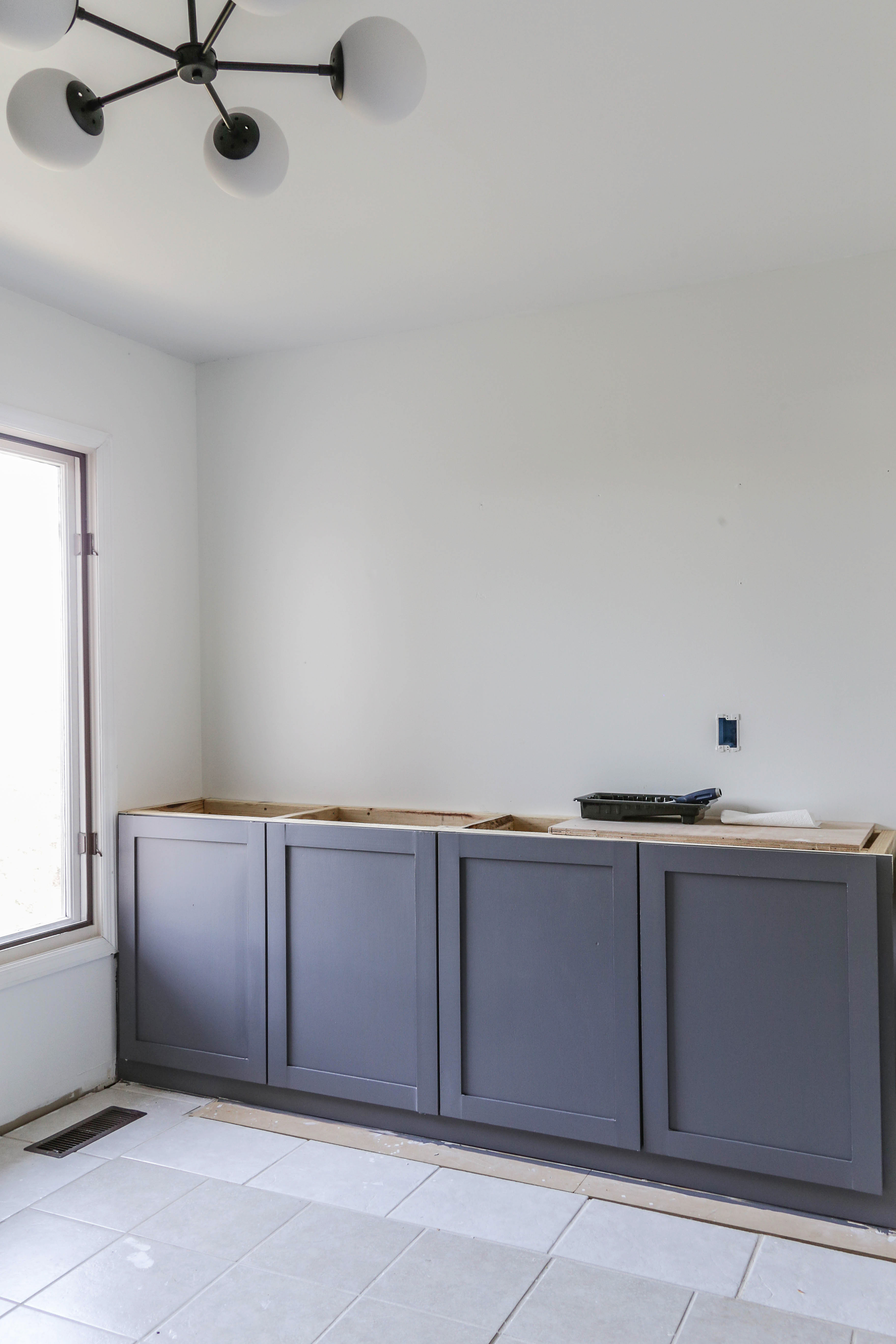
Sanding And Painting
Sanding prepares the wood for painting. It smooths rough surfaces. Use fine-grit sandpaper for the best results. Keep your strokes even and gentle. This ensures a flawless finish. Choose paint that complements your kitchen. Light colors make small spaces feel bigger. Darker shades add depth. Use a primer for better paint adhesion. Apply paint in thin, even coats. Allow each coat to dry before adding another.
Adding Knobs And Handles
Knobs and handles are essential. They add style and functionality. Choose hardware that matches your kitchen theme. Measure twice before drilling holes. This ensures perfect alignment. Install knobs on cabinet doors. Handles go on drawers. Tighten screws securely. Loose hardware can cause damage. Test each piece after installation. Make adjustments as needed.
Applying Protective Coatings
Protective coatings extend the life of your cabinets. They guard against stains and scratches. Use a clear polyurethane finish. It provides a durable shield. Apply the coating with a brush or sprayer. Work in a well-ventilated area. Follow the grain of the wood. This ensures an even finish. Allow the coating to dry completely. Apply multiple coats for extra protection.
Tips For Successful Diy Cabinetry
Crafting kitchen cabinets yourself starts with smart planning. Choose materials that suit your style and budget. Sketch a design that fits your space perfectly, ensuring functionality and ease of use.
Designing your own kitchen cabinets can be fulfilling. With the right tips, you can achieve a professional look. DIY cabinetry saves money and offers a personal touch. Here are some essential tips for successful DIY cabinetry. These will help you create beautiful and functional kitchen cabinets.
Safety Precautions
Safety is crucial in any DIY project. Always wear protective gear like gloves and goggles. Keep your workspace clean to avoid accidents. Use tools carefully and read their manuals. Ensure proper ventilation when working with paints or adhesives. Regularly check for damaged tools. Fix or replace them immediately. This will prevent injuries and ensure smooth work.
Troubleshooting Common Issues
DIY projects often face challenges. Cabinets may not fit perfectly. Measure twice before cutting materials. Use a level to ensure straight lines. Doors might not close properly. Adjust hinges and check for obstructions. Paint may chip or peel. Sand surfaces before applying new paint. Use primer for a smooth finish. Always have extra materials for unexpected issues.
Enhancing Durability
Durability is important for long-lasting cabinets. Use high-quality materials for better results. Hardwood offers strength and beauty. Seal all edges to prevent moisture damage. Use water-resistant adhesives and finishes. Reinforce joints with screws and brackets. Regularly clean and maintain your cabinets. This will keep them in excellent condition for years.
Frequently Asked Questions
What Materials Are Best For Diy Kitchen Cabinets?
For DIY kitchen cabinets, choose plywood or MDF for durability. These materials are cost-effective and easy to work with. Plywood offers strength, while MDF provides a smooth finish. Both can be painted or laminated to match your kitchen style. Select based on your budget and design needs.
How Do I Plan Kitchen Cabinet Layout?
Planning involves assessing kitchen size and functionality needs. Consider work zones, storage requirements, and appliance placements. Use design software or graph paper for visualization. Measure dimensions carefully to maximize space. A well-planned layout enhances efficiency and aesthetics, ensuring your DIY cabinets fit seamlessly.
What Tools Are Essential For Cabinet Building?
Essential tools include a circular saw, drill, and measuring tape. Clamps and a level ensure accuracy. Sandpaper or a sander smooths surfaces. A quality screwdriver helps with assembly. Having these tools ready simplifies the building process, making your DIY project more efficient and professional.
How Can I Customize Cabinet Design?
Customize by choosing unique finishes, colors, and hardware. Incorporate open shelving or glass doors for a modern look. Add pull-out drawers or organizers for functionality. Tailor the design to suit your kitchen style and personal preferences. Customization enhances both the aesthetic appeal and practical use of your cabinets.
Conclusion
Crafting your own kitchen cabinets is quite rewarding. It combines creativity and functionality. You tailor them to fit your unique space and needs. Start with a simple design. Gather quality materials. Plan each step carefully. Measure twice, cut once. This ensures precision.
Enjoy the process and learn as you go. Each cabinet reflects your personal touch. Remember, patience is key. Take your time for best results. Your new kitchen cabinets will bring pride and satisfaction. They will enhance your kitchen’s beauty and utility.
Happy building!