Imagine stepping into your kitchen and being greeted by a perfectly lit space that not only elevates your mood but also enhances your cooking and dining experiences. Kitchen ceiling lights are more than just a practical necessity; they are a vital element in creating the ambiance and functionality of your culinary haven.
But how do you choose the right design for your kitchen ceiling lights? With countless options available, it can feel overwhelming to find the perfect fit for your home. Fear not! This guide is here to illuminate your path, offering you simple, effective tips to transform your kitchen into a well-lit masterpiece.
Get ready to discover how the right lighting can make your kitchen the heart of your home.

Credit: www.pinterest.com
Choosing The Right Style
Selecting the perfect kitchen ceiling lights involves considering style and function. Balance aesthetics with practical lighting needs. Different designs can enhance your kitchen's atmosphere.
When designing your kitchen ceiling lights, choosing the right style is crucial in setting the tone for your space. Whether you lean towards sleek modern designs or have a soft spot for traditional charm, the style you choose will significantly impact the ambiance of your kitchen. Let's explore different styles to help you make the perfect choice.
Modern Vs. Traditional
Modern kitchen ceiling lights often feature clean lines and bold, geometric shapes. If you're aiming for a contemporary look, consider pendant lights with metallic finishes or recessed lighting for a seamless appearance. Traditional styles, on the other hand, can add a warm and inviting touch to your kitchen. Think about chandeliers with intricate designs or lantern-style fixtures. These classic elements can make your kitchen feel timeless and cozy.
Minimalist Designs
Minimalist designs are all about simplicity and functionality. They often use understated fixtures that blend seamlessly into the ceiling. Consider flush mounts or simple pendant lights in neutral colors. These can provide ample lighting without overwhelming the space. Minimalist designs are perfect if you want your kitchen to feel open and uncluttered. Are you ready to embrace simplicity?
Rustic And Vintage Options
Rustic and vintage options can add character and charm to your kitchen. Look for fixtures with distressed finishes or Edison bulbs that offer a nostalgic feel. Wrought iron chandeliers or wooden beam lights can create a cozy, farmhouse vibe. If you love the idea of combining old-world charm with modern functionality, this might be the style for you. Choosing the right style of kitchen ceiling lights can transform your space. What story do you want your kitchen to tell?
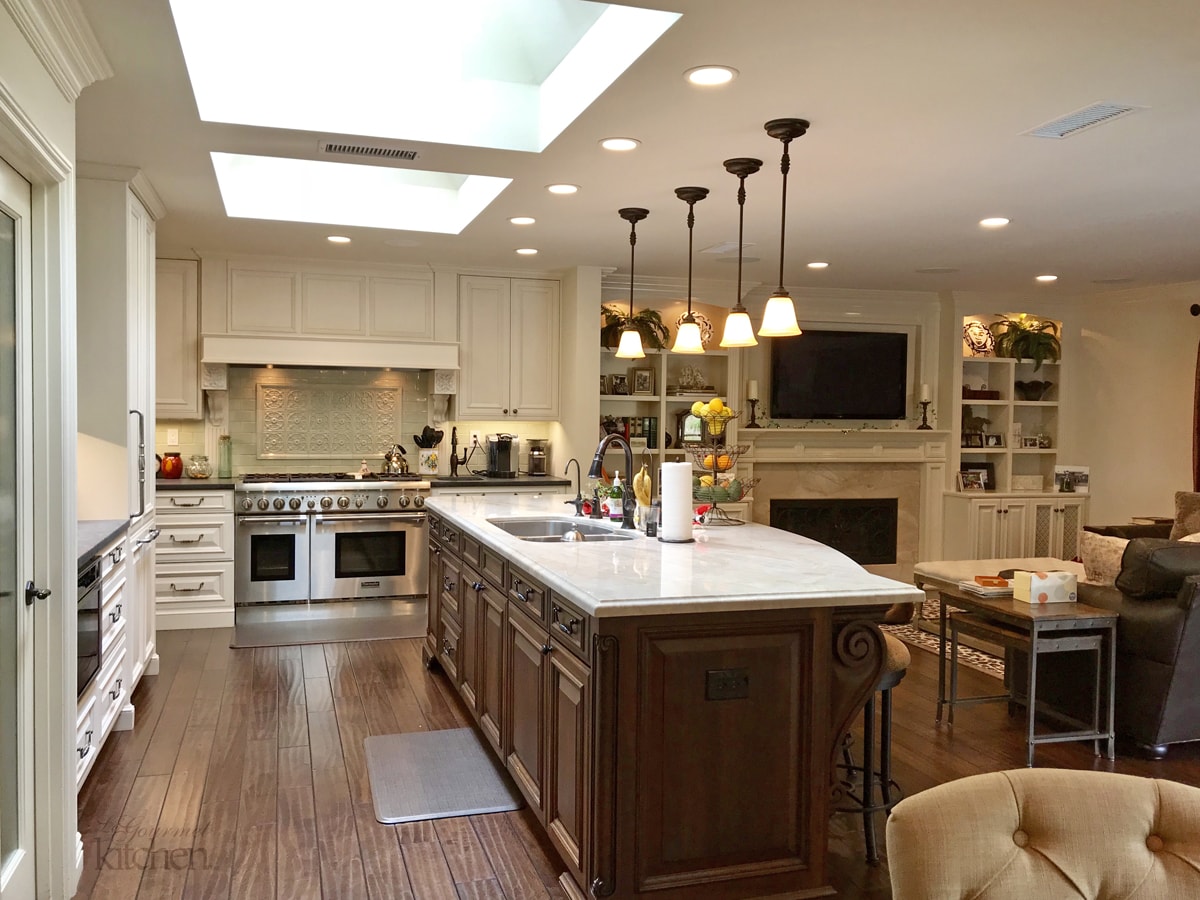
Credit: legourmetkitchen.com
Assessing Kitchen Needs
Designing kitchen ceiling lights involves evaluating the room's functionality and style. Consider task lighting for work areas and ambient light for a cozy atmosphere. Choose fixtures that complement the kitchen's decor while ensuring sufficient illumination.
Designing kitchen ceiling lights is more than just picking a pretty fixture. It starts with assessing your kitchen needs. Every kitchen is unique, and understanding your specific requirements can transform your cooking space from functional to fabulous. Lighting plays a crucial role in setting the mood, enhancing functionality, and highlighting the beauty of your kitchen. It's time to focus on the three essential types of lighting: task, ambient, and accent.
Task Lighting
Task lighting is all about functionality. Think about the areas where you need focused light. This could be over the countertops, sink, or stove—places where you chop, cook, and clean. Consider installing under-cabinet lights. They provide direct illumination without casting shadows, making meal prep a breeze. Use LED strips or puck lights for energy efficiency and brightness. Remember, the goal is to make your kitchen tasks easier and safer.
Ambient Lighting
Ambient lighting sets the overall tone of the kitchen. It fills in the gaps where task lighting doesn't reach. This lighting ensures the kitchen is evenly lit and comfortable to be in. Ceiling fixtures like recessed lights or flush mounts work well for ambient lighting. Choose dimmable options to adjust the intensity based on your mood. Imagine having a bright kitchen when you need it, and a cozy setting for dinner parties.
Accent Lighting
Accent lighting is your chance to add personality. It highlights specific areas or features in your kitchen, like a beautiful backsplash or a collection of cookbooks. Pendant lights over an island or track lights focusing on artwork can make a statement. Use accent lighting to draw attention to what you love most about your kitchen. What unique element would you like to spotlight? By focusing on these three types of lighting, you're not just brightening your kitchen; you're enhancing its functionality and style. Consider how each type of lighting can work together to create a cohesive and inviting space.
Types Of Ceiling Lights
Designing kitchen ceiling lights can transform your space from functional to fabulous. The right lighting not only enhances the look but also improves the functionality of your kitchen. While choosing the perfect ceiling lights, consider the different types available that can cater to your needs and preferences. Whether you're updating a modern kitchen or revamping a rustic one, you'll find various options to suit your taste.
Recessed Lighting
Recessed lighting is a popular choice for creating a clean and uncluttered ceiling look. These lights are installed within the ceiling, offering a sleek finish that blends seamlessly with any kitchen design. They provide focused, adjustable lighting, ideal for illuminating countertops and workspaces.
Do you want a minimalist kitchen? Recessed lights might be your best bet. They offer direct lighting without being intrusive, making them perfect for small kitchens or areas where space is a premium.
Pendant Lights
Pendant lights hang from the ceiling and can serve as a decorative focal point. They come in a variety of styles, shapes, and sizes, offering flexibility in design. Whether you prefer industrial, vintage, or modern aesthetics, there's a pendant light to match.
Consider hanging pendant lights above your kitchen island or dining area. They not only provide task lighting but also add personality to your space. Imagine a cozy dinner under the warm glow of stylish pendant lights.
Flush Mount Fixtures
Flush mount fixtures are mounted directly against the ceiling, providing ample light without taking up much space. These lights are perfect for kitchens with low ceilings or for those who prefer a subtle lighting solution.
If you're dealing with limited ceiling height, flush mount fixtures can be the answer. They offer bright, widespread illumination without dominating the room's design.
Chandeliers
Chandeliers can add a touch of elegance and sophistication to your kitchen. While traditionally associated with dining rooms, they are increasingly being used in kitchens to make a bold statement. With various designs available, they can be tailored to fit both classic and contemporary kitchens.
Think of a chandelier as a piece of jewelry for your kitchen. It can elevate the entire room's atmosphere, especially if you love hosting dinner parties or want to impress your guests with a stunning centerpiece.
Which type of ceiling light will make your kitchen shine? Consider the size, style, and functionality of each option to find the perfect fit for your space. Remember, the right lighting can dramatically alter your kitchen's look and feel, making it an inviting place for cooking, dining, and entertaining.
Consideration Of Kitchen Layout
When designing kitchen ceiling lights, considering your kitchen layout is crucial. Your lighting should complement your space, highlighting key areas without overwhelming the room. Whether you have an open plan kitchen or a cozy corner, the right lighting can transform your cooking and dining experience.
Open Plan Kitchens
In open plan kitchens, lighting plays a pivotal role in defining spaces. You might want to use ceiling lights to create zones. Pendant lights over the dining area can set a distinct mood, while recessed lights can brighten up the cooking zone.
Think about how you use your open space. Are there specific areas that require more focus, like a reading nook or a bar area? By strategically placing lights, you can enhance functionality while adding style.
Small Space Solutions
In a small kitchen, every inch counts, and so does every light. Ceiling lights should be minimalistic yet powerful enough to illuminate the entire room. Consider flush mount ceiling lights, which offer ample lighting without taking up too much space.
Mirrors can be a secret ally. They reflect light, making your kitchen appear larger and brighter. It's like getting more space without knocking down any walls.
Island And Countertop Focus
Your kitchen island and countertops often serve as the heart of your kitchen. Directing focused lighting here can enhance your cooking and dining tasks. Pendant lights are a popular choice for islands, offering both style and function.
Consider the type of activities you do on your countertops. Do you frequently bake or prepare elaborate meals? Task lighting can ensure that you have the right amount of light for every culinary adventure.
Are you ready to rethink your kitchen lighting layout? Reflect on the layout, and the way you use your space, and let your lights shine the spotlight on what truly matters to you.
Energy Efficiency And Bulb Selection
Choosing the right bulbs boosts kitchen ceiling light design. LED options save energy and offer bright illumination. Focus on warm tones for a cozy atmosphere.
Designing your kitchen ceiling lights is more than just picking fixtures that look good. It's about creating a space that is both functional and energy-efficient. One key aspect of this is choosing the right bulbs. By focusing on energy efficiency and bulb selection, you can save money, reduce your carbon footprint, and still enjoy a well-lit kitchen.
Led Vs. Incandescent
Choosing between LED and incandescent bulbs can feel overwhelming. LEDs, or Light Emitting Diodes, are renowned for their energy efficiency. They use up to 75% less energy than traditional incandescent bulbs, and they last much longer. Incandescent bulbs, on the other hand, are cheaper upfront. However, they consume more energy and need replacing more often. Imagine constantly changing bulbs in your kitchen ceiling, it's both a hassle and a hidden cost. So, which will you choose for your kitchen's needs?
Smart Lighting Options
Smart lighting is an exciting, modern option for your kitchen. These systems allow you to control your lights with your smartphone or voice commands. You can dim them, change the color, or even set schedules. If you're often juggling tasks in the kitchen, imagine just saying "lights on" with your hands full. Many smart bulbs are LED-based, offering the same energy-saving benefits. Is it time to smarten up your kitchen lighting?
Energy Saving Tips
You don't have to overhaul your entire lighting system to save energy. Start with simple changes. Replace any incandescent bulbs with LED ones. Use dimmer switches to adjust the lighting to your needs, which can cut down on energy use. Consider motion sensor lights under cabinets. They only turn on when you need them, perfect for those late-night fridge raids. Small changes can lead to significant savings on your electricity bill. What small steps can you take today to make your kitchen lighting more efficient? By focusing on energy efficiency and bulb selection, you can create a kitchen that is not only beautifully lit but also eco-friendly and cost-effective.
Installation And Safety
Designing kitchen ceiling lights involves careful installation and safety measures. Ensure fixtures are securely mounted to prevent accidents. Opt for LED lights to save energy and reduce heat.
Designing kitchen ceiling lights involves more than just aesthetics; it’s also about ensuring proper installation and maintaining safety. You might have the most beautiful light fixtures picked out, but if they aren't installed correctly, they could become a hazard. So, how do you balance style with safety? Let’s dive into the essentials of installation and safety to make your kitchen both stunning and secure.
Professional Installation
Hiring a professional can save you from potential headaches down the road. They know the electrical codes and have the right tools to ensure a safe setup. This is especially important if your kitchen has complex wiring or if you're installing heavy fixtures. A professional can assess the structural integrity of your ceiling before installing heavy pendant lights. Once, I attempted to hang a chandelier myself, only to realize the ceiling couldn’t support it. A quick call to an electrician saved me from a possible disaster. Does your home have old wiring? A professional can spot and fix issues that might not be obvious to you. They can also help you choose the right fixtures for your ceiling type, whether it's vaulted, flat, or something else.
Diy Considerations
Thinking of doing it yourself? Make sure you're prepared. Gather all the necessary tools like a voltage tester, drill, and ladder. Reading the manufacturer's instructions thoroughly can prevent common mistakes. Start small if you're new to DIY projects. Try installing a simple LED panel before moving on to something more elaborate. Test your skills without risking your safety. Are you replacing existing lights? It might be easier than starting from scratch. Ensure the power is off before you begin. Double-checking this step can prevent accidents.
Safety Precautions
Safety should always be your top priority. Before starting any installation, ensure the power is turned off at the breaker. This simple step can prevent electrical shocks. Use a sturdy ladder when working on the ceiling. An unstable ladder can lead to serious injuries. Make sure it’s placed on a flat surface to avoid wobbles. Do your lights get hot? Ensure they are not too close to flammable materials. Using the right wattage for your bulbs can prevent overheating and potential fires. Are you ready to light up your kitchen safely? Taking these steps seriously can make the difference between a kitchen that dazzles and one that endangers. Keep asking questions, keep learning, and most importantly, stay safe.
Enhancing Aesthetics
Kitchen ceiling lights do more than provide illumination. They shape the room's atmosphere. Beautiful lighting can change a kitchen's look and feel. It's essential to pick the right designs and features. This enhances aesthetics while maintaining functionality.
Color Temperature Choices
Color temperature affects the mood of your kitchen. Warm lights add coziness and comfort. Cool lights offer a clean and modern look. Choose based on the ambiance you desire. Mixing different temperatures is also possible for a balanced effect.
Dimmers And Controls
Dimmers offer flexibility in lighting. Adjust brightness based on the time of day. Bright light for cooking. Softer glow for dining. Controls can be manual or smart. They help create the perfect kitchen environment.
Decorative Elements
Decorative elements enhance visual appeal. Pendant lights add character and style. Chandeliers bring elegance to spacious kitchens. Consider the kitchen's theme. Match lighting fixtures to cabinet and wall colors. This creates harmony in design.
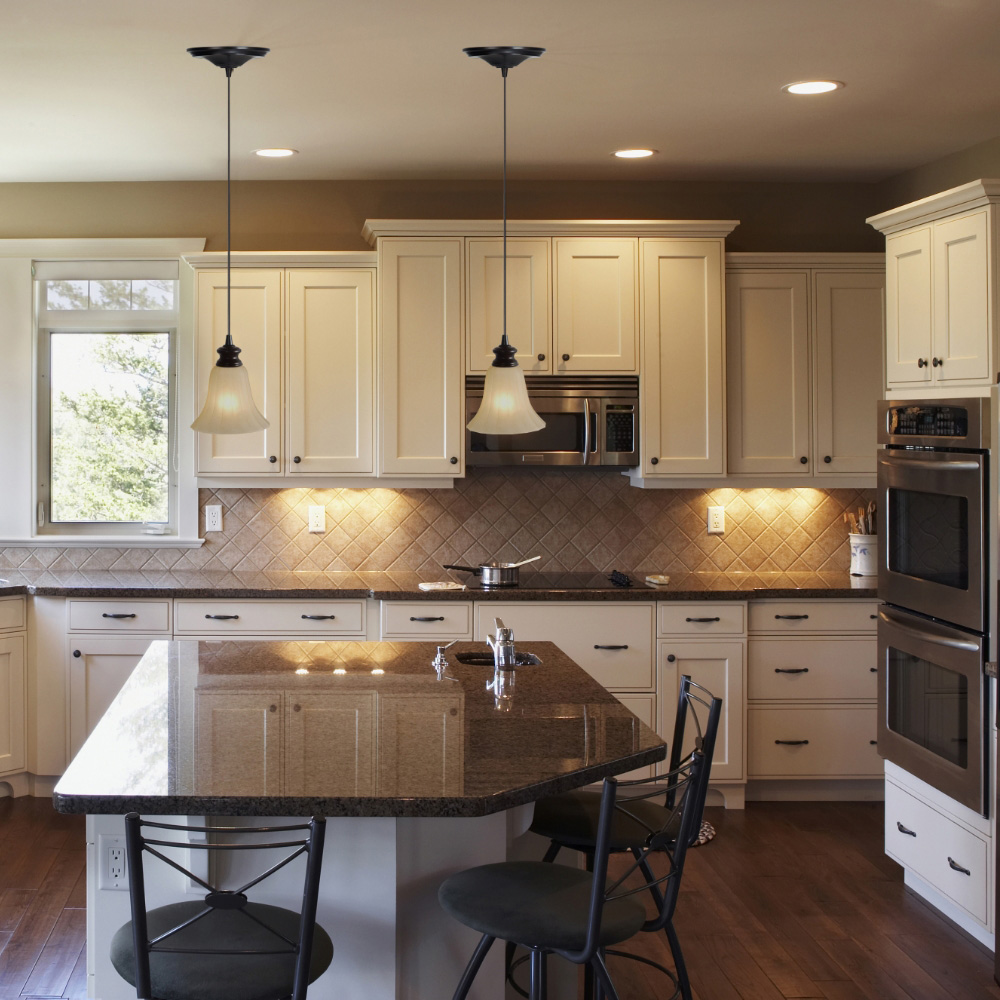
Credit: www.homedepot.com
Frequently Asked Questions
What Are The Best Types Of Kitchen Ceiling Lights?
The best types include recessed lights, pendant lights, and chandeliers. Recessed lights provide a clean look and are versatile. Pendant lights add style and can focus on specific areas. Chandeliers offer elegance and ambient lighting, perfect for dining areas.
How Do I Choose The Right Kitchen Light Size?
To choose the right size, consider the kitchen's size and height. Small kitchens benefit from compact fixtures. Larger spaces can accommodate bigger lights. Ensure the light fits proportionally to avoid overwhelming or under-lighting the area.
What Is The Ideal Placement For Kitchen Ceiling Lights?
Ideal placement involves layering light sources for functionality and ambiance. Position recessed lights evenly for overall illumination. Hang pendant lights above islands or dining areas for focused lighting. Consider placing task lights under cabinets for cooking areas.
How Can I Make My Kitchen Lighting Energy-efficient?
Choose LED bulbs for energy efficiency and longevity. They consume less power and reduce electricity bills. Install dimmer switches to control light levels and save energy. Consider using smart lighting systems for additional energy management.
Conclusion
Designing kitchen ceiling lights? Focus on style and function. Choose fixtures that match your kitchen theme. Consider lighting types for different tasks. Spotlights work well for cooking areas. Pendants add elegance above islands. Balance brightness with energy efficiency. Use dimmers for flexible lighting options.
Plan your layout carefully. Test light effects before installation. Proper lighting enhances kitchen ambiance. It also improves visibility. Combine aesthetics with practicality. Create a space that feels inviting. Make your kitchen a joyful place. Let light be your guide.