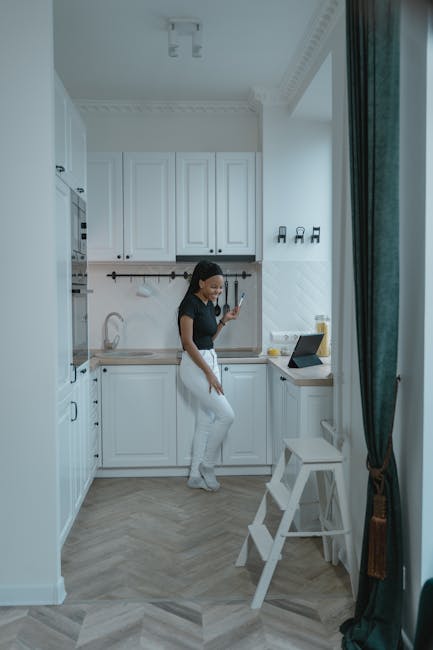
Are you dreaming of a kitchen that combines functionality with style? Designing the perfect kitchen layout is crucial to creating a space that not only meets your culinary needs but also becomes the heart of your home.
Imagine cooking your favorite meals without the constant shuffle for space or the need to navigate awkward corners. By understanding some simple design principles, you can transform your kitchen into an efficient, beautiful area that enhances your everyday life. In this guide, you'll discover tips and tricks to maximize your kitchen space, whether it's large or small.
We'll explore different layout styles and help you choose the one that aligns with your lifestyle and preferences. Plus, with insights into the latest design trends, you can ensure your kitchen stays fresh and inviting. Ready to turn your kitchen into a dream workspace? Read on to unlock the secrets of perfect kitchen design that will leave you inspired and empowered.
Kitchen Triangle Concept
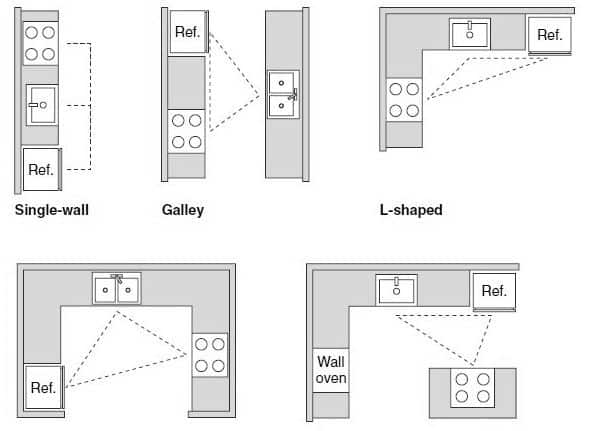
When planning your kitchen layout, the Kitchen Triangle Concept is a key design principle that can dramatically enhance functionality. This concept focuses on the relationship between the stove, sink, and refrigerator. By strategically positioning these three elements, you can create a more efficient space that simplifies meal preparation and cleanup.
Efficient Workflow
The kitchen triangle is all about creating an efficient workflow. Imagine cooking your favorite dish without the hassle of bumping into things or running across the kitchen for ingredients. By aligning the stove, sink, and refrigerator in a triangular pattern, you can streamline movements.
Think about how you cook. Do you often find yourself zigzagging across the room? Positioning these essential items in a triangle can reduce unnecessary steps and save time. It's like having everything within arm's reach without cluttering the space.
Ideal Distances
The distance between each point of the triangle should be just right—not too close, yet not too far. Aim for a total perimeter of 12 to 26 feet. If the triangle is too small, your workspace may feel cramped. If it's too large, you might tire yourself out moving from one point to another.
Consider the size of your kitchen. A smaller kitchen might benefit from a tighter triangle, while a larger space can accommodate a wider setup. Personal experience taught me that adjusting these distances can turn a frustrating cooking session into a smooth one.
Have you ever thought about how much your kitchen layout affects your cooking experience? Try adjusting the triangle distances, and you might be surprised at how much more enjoyable your time in the kitchen becomes.
Choosing The Right Layout
Designing a kitchen layout requires careful thought and planning. The right layout enhances functionality and aesthetics. It influences how efficiently you use the space. It also impacts your cooking experience.
Galley Layout
The galley layout is ideal for small kitchens. It features two parallel countertops. This setup maximizes space and efficiency. It offers plenty of storage and work area. You can reach everything with minimal movement. It's perfect for one-cook kitchens.
L-shaped Layout
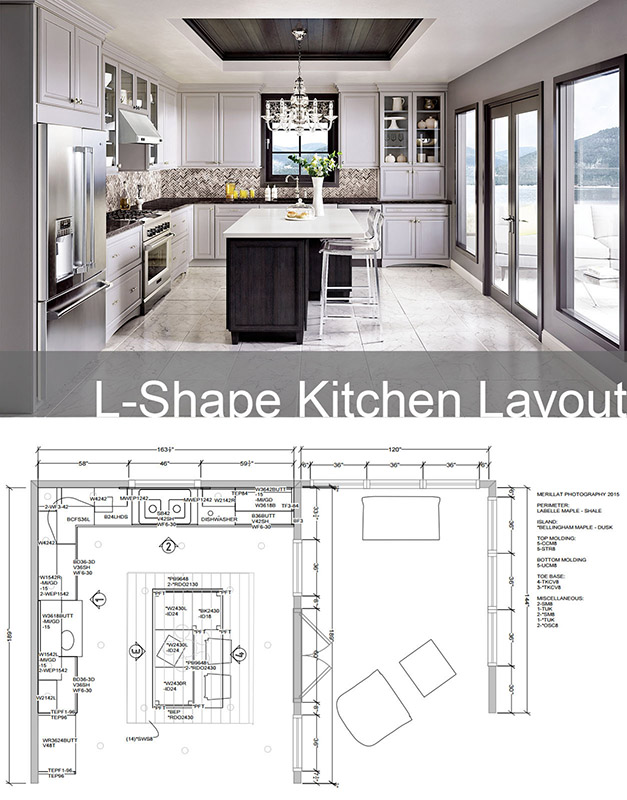
The L-shaped layout suits medium to large kitchens. It features two adjoining walls forming an 'L'. This design offers flexibility and openness. It creates a natural flow for cooking and entertaining. It's great for families and gatherings.
U-shaped Layout
The U-shaped layout wraps around three walls. It offers ample counter and storage space. This design is efficient for multiple cooks. It provides a cozy and contained work area. It's perfect for those who love to cook intricate meals.
Island Layout
The island layout adds an extra countertop in the center. It enhances prep space and storage. This layout is great for social kitchens. It encourages interaction while cooking. It's ideal for open-plan living spaces.
Maximizing Space
Designing a kitchen layout involves creativity and planning. Space is often limited, so maximizing it becomes essential. Efficient use of space ensures functionality and ease of movement. A well-designed kitchen makes cooking and cleaning more enjoyable. Let's explore some strategies to maximize space effectively.
Smart Storage Solutions
Smart storage solutions keep your kitchen organized. Choose cabinets with adjustable shelves. They allow you to customize according to your needs. Pull-out drawers make accessing items easy and efficient. Use corner cabinets with rotating shelves. This prevents wasted space. Install drawer dividers to keep utensils sorted. Consider hooks on cabinet doors for extra storage. A tidy kitchen increases efficiency.
Vertical Space Utilization
Vertical space is often overlooked. Tall cabinets use ceiling height efficiently. Use open shelves for frequently used items. They add style and accessibility. Hang pots and pans from a ceiling rack. This frees up cabinet space. Wall-mounted racks are great for spices and condiments. Magnetic strips hold knives and metal tools. Every inch matters in a small kitchen.
Lighting Essentials
Creating a kitchen layout involves careful consideration of lighting. Good lighting enhances functionality and mood. Position lighting to illuminate work areas like counters and sinks effectively.
Lighting is the unsung hero in kitchen design. It can transform a space from dull to dazzling, ensuring both functionality and style. Good lighting not only enhances the beauty of your kitchen but also makes it safer and more efficient. Let's dive into the essentials of creating the perfect kitchen lighting layout.
Ambient Lighting
Ambient lighting is your kitchen’s main light source. It provides an overall illumination that allows you to navigate the space safely. Think of ceiling fixtures or recessed lights that brighten up the entire room. Consider installing dimmable lights to control the ambiance based on the time of day. Warm light can make your kitchen feel cozy during evening hours, while brighter settings are perfect for daytime activities. Have you ever noticed how a well-lit kitchen feels more inviting?
Task Lighting
Task lighting is all about practicality. It focuses on specific areas where you perform tasks such as chopping vegetables or reading recipes. Install it under cabinets to illuminate countertops or near your stove for better visibility while cooking. LED strip lights are a popular choice as they are energy-efficient and offer excellent brightness. They ensure that you can see clearly without shadows interfering with your work. How often have you struggled to see what you’re doing because of poor lighting?
Accent Lighting
Accent lighting adds flair to your kitchen design. It highlights architectural features or decorative elements like glass cabinets or artwork. This layer of lighting gives your kitchen character and depth. Pendant lights over a kitchen island or spotlights in glass-fronted cabinets can serve as effective accent lighting. They draw attention to your kitchen’s best features, making it a visually dynamic space. Have you considered how accent lighting can change the way you feel about your kitchen? Incorporating the right mix of ambient, task, and accent lighting can make your kitchen not only more functional but also more enjoyable to spend time in. Which lighting change will you make first to transform your kitchen?
Material Selection
Selecting the right materials is crucial for a functional kitchen layout. Choose durable surfaces for countertops and floors. Opt for easy-to-clean finishes to maintain a tidy space.
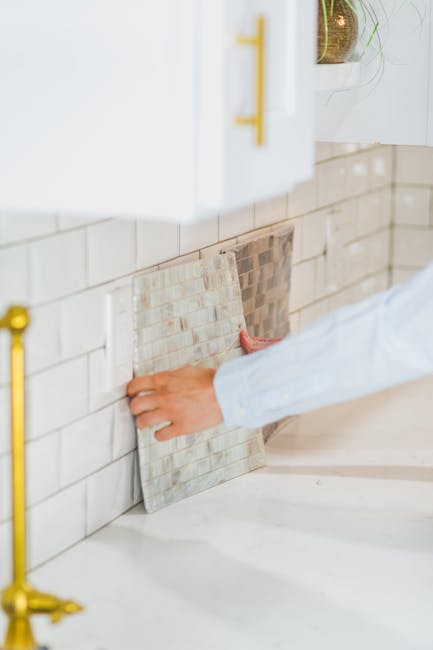
Designing your kitchen layout is an exciting journey, and material selection plays a crucial role in shaping the overall look and feel. Choosing the right materials not only enhances functionality but also adds a personal touch to your space. Whether you're revamping your kitchen or building from scratch, making informed choices can transform your cooking area into a dream kitchen.
Countertop Choices
Countertops are the workhorses of your kitchen, so durability and style are key. Granite is a popular choice due to its strength and natural beauty. It resists heat, making it ideal for avid bakers. Quartz, on the other hand, offers a non-porous surface that is resistant to stains. It requires minimal maintenance and comes in various colors to match your design preference. If you're budget-conscious, laminate countertops provide an affordable option with a wide range of patterns.
Cabinet Materials
Cabinets serve as the backbone of your kitchen, offering both storage and aesthetic value. Solid wood cabinets, like oak or maple, offer timeless appeal and can be easily refinished if you decide to update your kitchen's look. For a modern touch, consider thermofoil cabinets. They are easy to clean and available in a variety of finishes. Plywood is another practical choice, offering a balance between cost and quality.
Flooring Options
Your kitchen floor should withstand spills, foot traffic, and still look stunning. Tile flooring is a practical choice for its water resistance and ease of cleaning. Ceramic or porcelain tiles come in a myriad of designs to complement any style. Wood flooring adds warmth and can seamlessly blend into open-concept homes. Engineered wood is a more durable option compared to traditional hardwood. Vinyl flooring is also gaining popularity for its affordability and resilience. When selecting materials, think about your lifestyle and how you use your kitchen. Do you love hosting dinner parties, or is your kitchen more of a family hub? The answers can guide you in selecting the best materials that fit your needs and style.

Credit: www.verityjayne.com.au
Appliance Integration
Appliance integration is crucial in modern kitchen design. It ensures a seamless look and maximizes space. Thoughtful integration enhances functionality and aesthetic appeal. Selecting the right appliances and placing them smartly makes a difference. Consider the following factors to achieve a harmonious kitchen layout.
Built-in Appliances
Built-in appliances offer a sleek and modern look. They blend with cabinets for a seamless appearance. Think about built-in ovens, microwaves, and dishwashers. These save space and provide a uniform design. Built-in refrigerators and freezers are also popular. They keep the kitchen tidy and organized. Plan their placement for easy accessibility. Ensure they complement your overall kitchen style.
Energy Efficiency
Energy-efficient appliances reduce electricity bills. They contribute to a sustainable lifestyle. Look for appliances with an Energy Star label. This indicates high energy efficiency. Choose induction cooktops over conventional ones. They heat faster and use less energy. LED lighting in appliances saves power. It also lasts longer than traditional bulbs. Consider appliance size, as larger ones consume more energy. Opt for compact models when possible. Reducing energy consumption benefits both your home and the planet.
Ergonomics And Safety
Designing a kitchen layout involves more than aesthetics. Ergonomics and safety play crucial roles. A well-planned kitchen enhances efficiency and minimizes risks. Thoughtful design ensures comfort and safety. Prioritizing these aspects can transform your cooking space into a haven. Let's explore key areas to focus on for a safer kitchen.
Safe Work Zones
Organize your kitchen into safe work zones. Group tasks based on their function. Keep cooking, cleaning, and storage areas distinct. This minimizes clutter and reduces accidents. Store sharp utensils away from high-traffic areas. Place heavy pots and pans near the stove. Ensure easy access to frequently used items. A functional layout promotes smooth workflow. It reduces the chances of mishaps.
Height Considerations
Consider the height of countertops and cabinets. Ensure they suit your reach and comfort. Avoid excessive stretching or bending. Proper height reduces strain and enhances accessibility. Install shelves at eye level. It makes retrieval easier. Use adjustable shelves for flexible storage. Consider the height of appliances. Ensure they are easily operable. Safety and ergonomics go hand in hand. Designing with these principles ensures a safer kitchen.
Color And Style
Color and style play a crucial role in kitchen design. They set the mood and reflect your personality. Choosing the right colors can transform your kitchen into a welcoming space. Style choices create harmony, ensuring a pleasant cooking environment. Both elements work together to create a cohesive and stylish kitchen.
Creating A Cohesive Look
A cohesive kitchen design starts with a clear color scheme. Use similar shades for walls, cabinets, and flooring. This creates a unified look. Consider the size of the kitchen too. Light colors make small kitchens appear larger. Dark tones add warmth to bigger spaces. Balance is key. Mix textures for added interest. Glossy finishes contrast nicely with matte surfaces.
Think about the overall style. Modern kitchens benefit from sleek lines and minimal colors. Traditional styles often use rich, warm tones. Consistency is essential. Match hardware and fixtures to the chosen style. A cohesive look is not just about color. It's about tying all elements together seamlessly.
Trendy Vs. Timeless
Trend-based designs offer a fresh, modern appeal. Popular colors like navy or emerald add a bold touch. Yet, they might quickly go out of style. Timeless designs rely on classic colors. Whites, grays, and neutrals stand the test of time. They adapt well to changing trends.
Consider your personal taste. Do you prefer a kitchen that evolves with trends? Or one that remains classic over the years? Remember, trends are fleeting. Timeless designs provide lasting value. They ensure your kitchen remains stylish and functional for years.
Budget Planning
Creating a kitchen layout within budget involves careful planning of space and resources. Consider appliance placement, storage solutions, and efficient workflow. Prioritize essential elements and opt for cost-effective materials to achieve a functional and stylish design.
Designing a kitchen layout can be a thrilling yet daunting task, especially when you're working with a budget. Budget planning is crucial to ensure you don't overspend while still achieving your dream kitchen. It's all about making smart choices and knowing where your money will make the most impact. Let's dive into some practical strategies to help you plan your kitchen layout without breaking the bank.
Cost-effective Upgrades
You don't always need to splurge on expensive items to give your kitchen a fresh look. Small, cost-effective upgrades can make a big difference. Consider painting your cabinets instead of replacing them. A fresh coat of paint can transform the entire vibe of your kitchen. Switching out cabinet hardware is another simple upgrade. New knobs and handles can give your kitchen a modern touch without a hefty price tag. Think about lighting too. Installing LED strips under cabinets not only saves energy but also adds a contemporary feel.
Prioritizing Expenses
When planning your budget, determine which elements are most important to you. Ask yourself what will enhance your cooking experience. Is it a high-quality stove or more counter space? List these priorities to allocate your budget wisely. Remember, not all expenses need to be immediate. You can phase your kitchen upgrades. Start with the essentials, like appliances, and gradually move to other aspects. This approach can help manage costs effectively. One personal story comes to mind: when redoing my own kitchen, I initially wanted marble countertops. However, I realized that upgrading my old, inefficient stove would make a bigger impact on my cooking routine. Prioritizing helped me focus on what truly mattered. How do you decide what's worth the splurge in your kitchen design? Think about your daily needs and what changes will bring the most joy and functionality to your space. By making thoughtful choices, you can create a beautiful kitchen that fits your budget.
Credit: www.merillat.com
Hiring Professionals
Designing a kitchen layout can be a complex task. Professionals bring expertise and a fresh perspective. They ensure every inch of space is utilized efficiently. Hiring the right professionals can save time and prevent costly mistakes.
When To Hire A Designer
Consider hiring a designer when starting from scratch or doing major renovations. Designers excel in creating functional and beautiful spaces. They understand spatial dynamics and current trends. If unsure about design choices, a designer can guide you. They help in selecting materials and colors that fit your style.
Choosing A Contractor
Choosing the right contractor is crucial for a successful kitchen remodel. Research and read reviews to find reputable contractors. A good contractor has a proven track record. They communicate well and understand your vision. Ensure they are licensed and insured. Ask for quotes and compare before making a decision. Personal recommendations can also be valuable.
Credit: www.fitzgeraldkitchens.com
Frequently Asked Questions
What Are The Key Kitchen Layout Types?
The key kitchen layout types are L-shaped, U-shaped, galley, and island. Each layout offers unique advantages and fits different space sizes. L-shaped kitchens maximize corner space, while U-shaped layouts provide ample storage. Galley kitchens are ideal for small spaces, and island layouts offer additional workspace and seating.
How Do I Choose The Right Kitchen Layout?
Consider your kitchen size, workflow, and storage needs. Evaluate how you use the space daily. Optimize for efficiency and comfort. Consult professionals if needed. A well-planned layout enhances functionality and aesthetics, ensuring a pleasant cooking experience.
What Factors Influence Kitchen Layout Design?
Several factors influence kitchen layout design, including space size, budget, and lifestyle. Consider appliance placement, storage requirements, and work triangle efficiency. Lighting and ventilation also play crucial roles. Prioritize your needs to create a practical and comfortable kitchen environment.
Can Small Kitchens Have Efficient Layouts?
Yes, small kitchens can have efficient layouts with smart planning. Utilize vertical storage and compact appliances. Optimize counter space and ensure easy movement. A well-designed small kitchen can be functional and stylish, despite space limitations.
Conclusion
Designing a kitchen layout requires careful planning. Prioritize efficiency and comfort. Consider how you move in the space. Think about storage solutions for easy access. Ensure appliances are within reach. Use lighting to enhance the atmosphere. Remember, a well-designed kitchen boosts functionality.
Personalize the space to suit your style. Keep it simple yet effective. Engage with professionals for expert advice. Explore various layouts and choose what fits best. A thoughtful design leads to a happy cooking experience. Enjoy your new kitchen space!