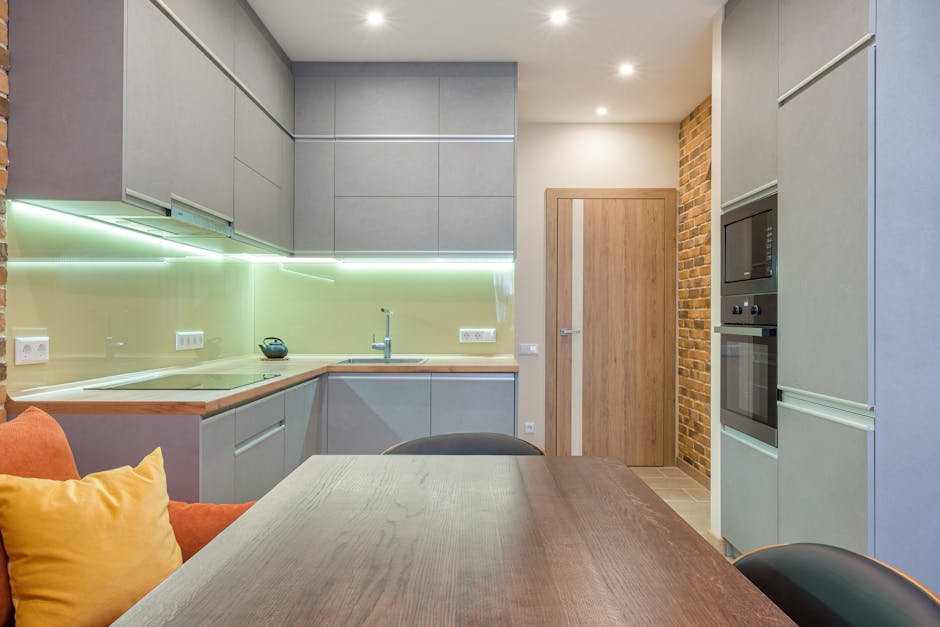
Imagine stepping into your kitchen, the heart of your home, where you whip up delicious meals and create cherished memories. Now, picture it bathed in the perfect lighting that not only enhances its beauty but also boosts your mood and productivity.
Designing a lighting layout for your kitchen isn't just about brightening the space; it's about crafting an environment that feels welcoming and functional. You might be wondering, "How do I achieve this? " You're in the right place. In this guide, you'll discover simple yet effective strategies to illuminate your kitchen in a way that suits your style and meets your needs.
Whether you're starting from scratch or revamping an existing setup, we’ll walk you through the steps to create a lighting design that makes your kitchen shine. Let's turn your culinary space into a well-lit haven that inspires you every day.
Credit: www.homedepot.com
Planning Your Kitchen Lighting
Designing the perfect kitchen lighting requires thoughtful planning. Good lighting enhances functionality and aesthetics. It creates a welcoming space for cooking and gathering. Begin with a clear plan to meet your needs.
Assessing Kitchen Size And Layout
Consider the size of your kitchen. Large kitchens need more lighting sources. Smaller kitchens may need less but focused lighting. Understand your kitchen's layout. Open layouts need different lighting than closed spaces. Observe where natural light enters the room. This helps decide where extra lighting is needed.
Identifying Key Functional Areas
Identify key areas in your kitchen. Areas like cooking zones need bright lights. Work surfaces benefit from task lighting. Dining areas require softer, ambient lighting. Consider the lighting needs for each area. Tailor your lighting plan to suit these functional spaces. This ensures optimal light for every activity.
Choosing The Right Types Of Lighting
Designing a kitchen lighting layout requires a mix of task, ambient, and accent lights. Bright task lights over counters help with cooking. Ambient lights create a warm atmosphere, while accent lighting highlights design features.
Designing the perfect lighting layout for your kitchen is essential to create a space that's not only functional but also inviting. The right types of lighting can transform your kitchen into a haven of warmth and efficiency. With different lighting options available, it's crucial to understand how each serves a unique purpose. Let's explore the different types of lighting you should consider.
Ambient Lighting Options
Ambient lighting is the foundation of your kitchen's lighting design. It's responsible for providing overall illumination and setting the mood. Ceiling-mounted fixtures like recessed lights or flush mounts are popular choices. They spread light evenly across the room, ensuring visibility and comfort. Consider installing dimmable lights to adjust brightness according to the time of day or occasion. Imagine preparing dinner with soft lighting that gradually brightens as you continue cooking. This flexibility can make your kitchen activities more enjoyable. Have you ever noticed how a well-lit kitchen instantly feels more welcoming? Ambient lighting does just that, inviting family and friends to gather around.
Task Lighting Essentials
Task lighting focuses on specific areas where you perform tasks like chopping, cooking, or reading recipes. Under-cabinet lights and pendant lights over islands are excellent options. They provide targeted illumination, reducing eye strain and enhancing precision. When you’re slicing vegetables, bright task lighting ensures safety and accuracy. Imagine the frustration of squinting under poor lighting while cooking. Task lighting eliminates this issue, making your kitchen activities smoother. Do you have a favorite spot for brewing your morning coffee? Task lighting can create a cozy nook with just the right amount of light for your ritual.
Accent Lighting Techniques
Accent lighting adds style and highlights architectural features or decorative elements in your kitchen. It’s used to draw attention to items like artwork, glass cabinets, or unique countertops. LED strip lights and directional spotlights are popular choices for accent lighting. Consider how accent lighting can elevate your kitchen's aesthetics. Imagine showcasing your vintage china collection with gentle spotlights that make each piece shine. Accent lighting turns ordinary spaces into extraordinary ones. Have you ever admired a friend's kitchen and wondered what made it stand out? Often, it's the clever use of accent lighting that creates those striking visuals. Choosing the right types of lighting involves understanding the roles each plays and how they complement each other. Your kitchen can become a beautifully lit space where every moment spent feels special. What lighting choices will you make to transform your kitchen into a brighter, more inviting space?
Incorporating Natural Light
Incorporating natural light into your kitchen design can transform the space. Natural light enhances colors, brightens surfaces, and energizes the atmosphere. It creates a welcoming environment that is both functional and aesthetically pleasing. Designing a lighting layout that maximizes daylight and makes the most of window placements can make a significant difference. Let's explore how to embrace natural light in your kitchen effectively.
Maximizing Daylight
Position your kitchen to receive the most sunlight. South-facing windows capture more daylight. This placement increases brightness throughout the day. Use reflective surfaces, like light-colored countertops and glossy finishes. These help bounce light around the room. Open shelving can also allow more light flow. Avoid heavy furniture near windows. This ensures natural light fills the space effortlessly.
Window Treatments And Placement
Choose window treatments that allow light in. Sheer curtains or blinds are ideal. They maintain privacy while letting sunlight filter through. Consider window placement carefully. Tall windows increase light exposure. Skylights can be a great addition for upper light entry. Proper placement ensures even distribution of natural light. This enhances the kitchen's ambiance and usability.
Selecting Light Fixtures
Choosing the right light fixtures for your kitchen is crucial. Light fixtures can change the look and feel of the space. They also help in creating a functional and inviting kitchen environment. Each type of fixture serves a unique purpose. It's important to balance style with function. Let's explore some popular options.
Pendant Lights For Islands
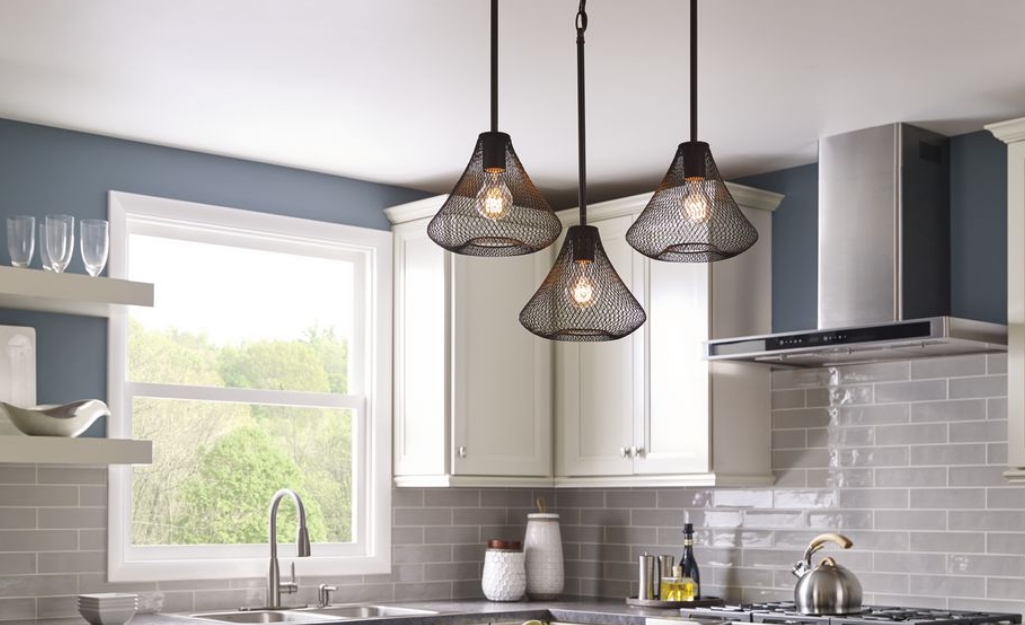
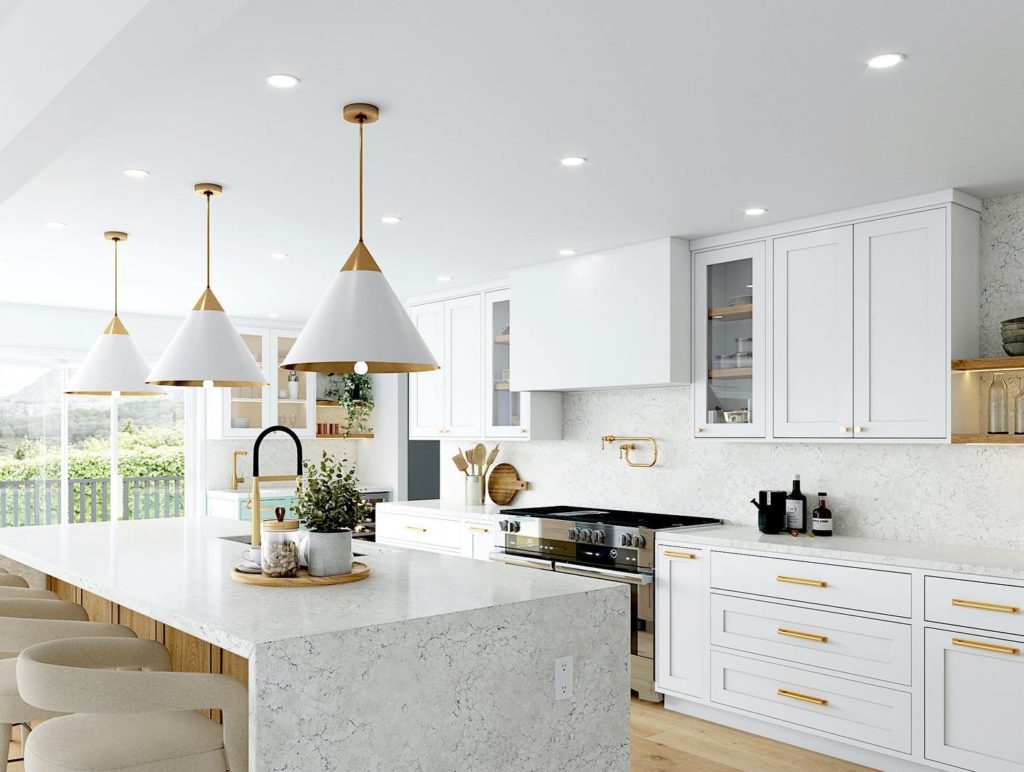
Pendant lights add style and focus to kitchen islands. They provide direct light for tasks like chopping or reading recipes. Select pendants that match your kitchen’s design theme. Consider the height of the ceiling when choosing pendant sizes. A series of small pendants can look elegant. Or opt for a single large pendant for a bold statement.
Under-cabinet Lighting Solutions
Under-cabinet lighting brightens countertops for safer food prep. It also highlights your kitchen’s backsplash and countertops. LED strip lights are a popular choice. They are energy-efficient and easy to install. Puck lights offer a more focused light source. Choose warm or cool light tones to match the kitchen ambiance.
Recessed Lighting Choices
Recessed lighting offers a sleek, modern look for kitchens. They provide general lighting without cluttering the space. Consider adjustable recessed lights for flexibility. These lights can highlight specific areas or features. Choose bulb temperatures that complement other kitchen lighting. Proper spacing ensures even light distribution.
Energy Efficiency Considerations
Designing an energy-efficient kitchen lighting layout saves money and benefits the planet. Efficient lighting reduces energy bills and enhances kitchen functionality. Focusing on energy-efficient options provides bright, comfortable spaces while minimizing electricity use.
Choosing the right lighting technology is crucial for efficiency. Smart choices can lead to significant energy savings. Below are some key considerations.
Choosing Led Options
LED lights offer excellent energy savings and durability. They consume less power compared to traditional bulbs. LEDs provide bright, clear illumination suitable for kitchen tasks. They last longer, reducing the need for frequent replacements. This makes them a cost-effective choice for any kitchen.
LEDs come in various styles and colors. This allows for customization to match the kitchen decor. Opt for energy star-rated LEDs for maximum efficiency. They meet strict guidelines for energy savings and performance.
Utilizing Smart Lighting Systems
Smart lighting systems enhance energy efficiency in kitchens. They allow control over lighting intensity and timing. Systems can be programmed to switch off when not needed. This reduces unnecessary energy consumption.
Smart lights can be controlled via mobile apps or voice commands. This adds convenience and ensures the lights are used wisely. Adjust lighting based on the time of day and kitchen activity. This helps in maintaining efficient energy use.
Credit: www.1800lighting.com
Balancing Aesthetics And Functionality
Crafting a kitchen lighting layout blends style with practicality. Use layered lighting for tasks, ambiance, and accent. Choose fixtures that enhance décor while ensuring brightness for cooking.
Designing a kitchen lighting layout is more than just picking out beautiful fixtures; it's about creating a space that is both visually appealing and highly functional. The key lies in balancing aesthetics and functionality. You want your kitchen to look stunning, but you also need it to serve its primary purpose—a space where cooking and gathering happen efficiently and safely.
Coordinating With Kitchen Design
Your kitchen's design should guide your lighting choices. Think about the colors, materials, and overall style of your kitchen. Are the cabinets modern with sleek lines, or do they have a rustic charm? Lighting fixtures should complement these elements. For instance, if you have a farmhouse-style kitchen, consider pendant lights with a vintage finish. On the other hand, a contemporary kitchen might benefit from minimalistic, recessed lighting. Mix and match different light sources. Use a combination of overhead lights, under-cabinet lighting, and accent fixtures. This will create layers of light that enhance the overall design while ensuring practicality.
Ensuring Proper Light Distribution
Proper light distribution is crucial for functionality. You don't want your kitchen to have glaring bright spots or dim areas that make tasks difficult. Consider task lighting for areas like countertops and the stove. These are zones where you need clear, focused light for cooking and food prep. Under-cabinet lights are a great solution here. Ambient lighting ensures the room is evenly lit. Recessed ceiling lights or a central fixture can provide this. It’s essential for general visibility and comfort. Think about the mood you want to create. Dimmer switches can allow you to adjust the lighting intensity, perfect for transitioning from bright cooking sessions to cozy dinners. Ask yourself, does your kitchen lighting reflect your style and meet your needs? Balancing aesthetics and functionality might just transform your kitchen into the heart of your home.
Installation Tips
Create a functional kitchen lighting layout by considering task lighting over work areas. Use ambient lights to brighten the space evenly. Add accent lights to highlight features and create warmth.
Designing a lighting layout for your kitchen can be both exciting and challenging. Getting the installation right ensures that your kitchen is not only functional but also a welcoming space. Good lighting enhances your cooking experience, brightens up your space, and highlights your kitchen's best features. Let's dive into some tips to help you install your kitchen lighting effectively.
Hiring A Professional Vs Diy
When it comes to installing kitchen lighting, you might wonder whether to hire a professional or do it yourself. Hiring a Professional: Opting for a professional can save you time and stress. They have the expertise to ensure everything is done safely and efficiently. You might pay more upfront, but the peace of mind and quality of work can be worth it. DIY Approach: If you're handy and enjoy tackling projects, DIY can be a rewarding option. You get to learn something new and have full control over the project. However, be prepared for unexpected challenges. Always evaluate your skills honestly before starting. Which route resonates with you? Consider your budget, timeline, and skill level before making a decision.
Safety And Compliance Standards
Ensuring that your kitchen lighting complies with safety standards is crucial. This not only protects your home but also your family. Safety Standards: Always use fixtures and components that are rated for kitchen use. Kitchens are high-moisture areas, so choose lighting that can withstand this environment. Compliance: Check local building codes and regulations. Compliance ensures that your installation meets safety and efficiency standards. It's not just about avoiding fines; it's about ensuring that your kitchen is a safe space for everyone. Don't overlook these aspects. A little attention to detail now can save you from potential problems in the future. By focusing on these installation tips, you can create a well-lit kitchen that's both beautiful and functional. Are you ready to transform your kitchen lighting?

Credit: www.toulmincabinetry.com
Frequently Asked Questions
What Are The Best Lighting Types For Kitchens?
Choosing the right lighting types enhances kitchen functionality and aesthetics. Use ambient lighting for general illumination, task lighting for focused areas like countertops, and accent lighting for highlighting design features. Consider LED options for energy efficiency and longevity. Layering these types ensures a well-lit, versatile kitchen space.
How To Plan Kitchen Lighting Layout?
To plan a kitchen lighting layout, start by identifying key areas. Consider task lighting for workspaces, ambient lighting for overall brightness, and accent lighting for design elements. Layer different light sources for flexibility. Evaluate the kitchen's size and style to ensure the layout complements its functionality.
How To Choose The Right Kitchen Light Fixtures?
Choosing the right kitchen light fixtures involves considering functionality and style. Prioritize fixtures that provide adequate illumination for tasks. Select designs that complement the kitchen's aesthetic. Consider energy-efficient options like LEDs. Ensure fixtures are appropriately sized and positioned to enhance both functionality and visual appeal.
What Are Common Kitchen Lighting Mistakes?
Common kitchen lighting mistakes include inadequate task lighting and over-relying on a single light source. Avoid incorrect fixture placement that causes shadows. Ensure diverse lighting types to balance aesthetics and functionality. Consider energy efficiency and proper fixture size to prevent uneven illumination.
Plan thoughtfully to enhance kitchen usability.
Conclusion
Creating a kitchen lighting layout isn't difficult. Focus on function and style. Use layers of lighting for balance. Consider task lighting over counters. Add ambient lights for overall brightness. Decorative lights can enhance the space. Test different fixtures to find the right fit.
Balance natural and artificial light. Think about energy-efficient options. Choose bulbs with the right warmth. Keep safety in mind when positioning lights. A well-lit kitchen boosts mood and efficiency. The right layout brings comfort and charm. With thoughtful planning, your kitchen will shine brightly.