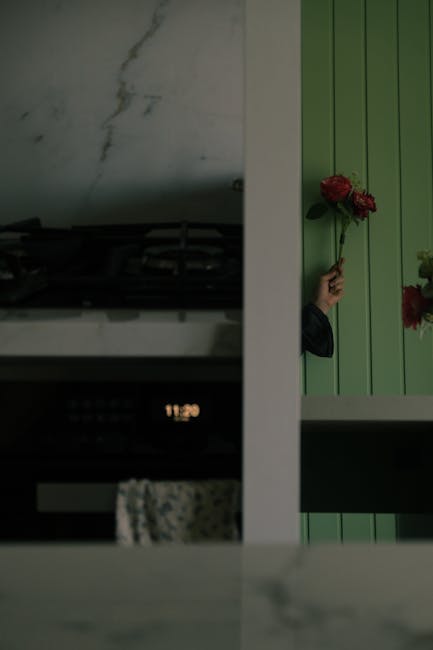
Your kitchen is more than just a place to cook; it's the heart of your home, where memories are made and conversations flow. But have you ever thought about how the colors you choose can transform this space into a warm, inviting haven or a sleek, modern masterpiece?
Selecting the right kitchen colors isn't just about aesthetics—it's about creating a mood that resonates with your lifestyle and personality. Imagine walking into a kitchen that instantly uplifts your spirit every morning or sets the perfect ambiance for your evening gatherings.
In this guide, you'll discover the secrets to designing your kitchen colors with confidence and flair, using insights that tap into the psychology of color to enhance your daily life. Get ready to unlock the power of color and create a kitchen that truly feels like home.
Choosing A Color Palette
Selecting kitchen colors can transform your space. Mix neutral tones with bold accents for a fresh look. Consider lighting and size to create harmony.
Designing your kitchen colors can transform the heart of your home into a vibrant, welcoming space. Choosing a color palette is a critical step in achieving this transformation. Your chosen colors can affect everything from the perceived size of your kitchen to the mood it evokes. It's important to consider what you want your kitchen to say about you and how it should feel. Let's explore different approaches to color palettes that can help you create your dream kitchen.
Neutral Tones
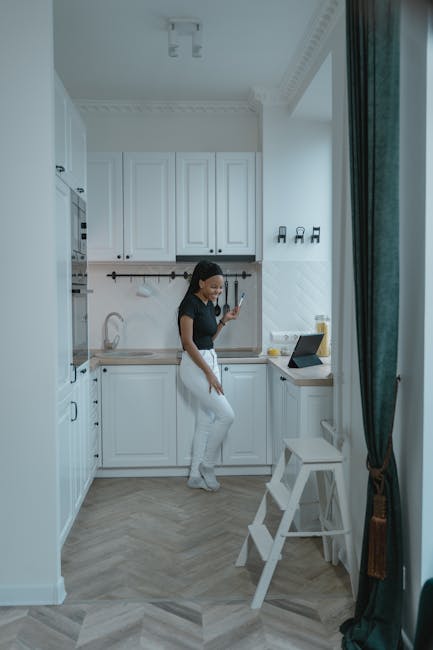
Neutral tones are timeless. They create a calm and inviting atmosphere. Think whites, beiges, and greys. These colors are perfect if you want your kitchen to be a serene oasis. They also serve as a great backdrop for colorful accents. Consider using white cabinets with a grey backsplash. This combination makes the kitchen feel open and airy. It also allows you to change accessories easily without disrupting the overall look.
Bold Hues
Bold hues can inject personality into your kitchen. Imagine a deep blue or a vibrant red accent wall. These colors can energize the space and make cooking more enjoyable. You might choose bold colors for your cabinets or a statement island. A friend once painted her kitchen cabinets a bright teal, and it immediately became a conversation starter. Would you dare to be this bold?
Monochromatic Schemes
Monochromatic schemes use different shades of a single color. This approach creates a cohesive and sophisticated look. It’s a fantastic option if you want your kitchen to feel modern and sleek. For instance, varying shades of grey can add depth and interest without overwhelming the space. Pair darker lower cabinets with lighter upper ones. This gradient effect is both subtle and stylish.
Complementary Colors
Complementary colors sit opposite each other on the color wheel. They can make your kitchen pop. Think blue and orange or yellow and purple. These combinations are vibrant and eye-catching. Perhaps try a yellow backsplash with purple accessories. This contrast can make your kitchen feel lively and dynamic. Choosing the right color palette for your kitchen is a personal journey. It’s about creating a space that reflects who you are. Which color palette speaks to you and your kitchen’s potential?

Credit: www.sherwin-williams.com
Incorporating Trends
Designing your kitchen colors can be an exciting journey. It's a chance to refresh your space with current trends that can make it look stylish and modern. Trends change, but your personal touch can make them timeless. Let’s explore some current trends that can elevate your kitchen.
Pastel Shades
Pastels are making a comeback in kitchen design. Imagine the soft hues of mint green or blush pink gracing your cabinets or walls. These shades bring a fresh and airy feel, perfect for creating a relaxed environment. They’re versatile and can easily be paired with neutral tones to balance the look.
I once added pastel blue to my kitchen island, and it transformed the space completely. It didn’t just brighten the room; it brought a sense of calm. Have you considered what pastel shade could do for your kitchen? Perhaps a pastel peach could add warmth to your mornings.
Earthy Greens
Earthy greens are gaining popularity for their natural appeal. These shades evoke a sense of tranquility and connection to nature. Think olive green or sage; they can make your kitchen feel grounded and inviting.
You might think that green is too bold, but subtle earthy tones can be surprisingly soothing. I paired sage green cabinets with wooden countertops, and the result was a harmonious blend. Does your kitchen need a touch of serenity? An earthy green might be the answer.
Matte Finishes
Matte finishes are the epitome of modern elegance. They offer a sleek look without the shine, providing a sophisticated touch to any kitchen design. Whether it's matte paint on your walls or matte fixtures, these finishes can add depth and texture to your space.
I recently opted for matte black handles and it was a game changer. They added a contemporary edge to my cabinets. How could matte finishes transform your kitchen's aesthetic? Maybe a matte finish on your backsplash could create a striking focal point.
Embracing trends in your kitchen doesn’t mean losing your personal style. It’s about enhancing it. What trend speaks to you and your home’s personality? The possibilities are endless and exciting.
Balancing Light And Space
Choosing the right colors can make your kitchen feel bigger and brighter. Light shades like white or cream reflect sunlight. Darker tones add depth and warmth. Balance is key for a welcoming space.
Balancing light and space in your kitchen colors can transform the room. Colors influence how spacious and bright a kitchen feels. Proper color choices enhance both natural and artificial lighting. If your kitchen is small, the right color balance can make it seem larger. Let's explore how to achieve this balance.
Natural Light Considerations
Maximize natural light with light-colored walls and surfaces. White or pale hues reflect sunlight, making the room brighter. Consider the direction your kitchen faces. North-facing kitchens may need warmer tones to offset cooler natural light. South-facing kitchens receive abundant light, allowing for cooler colors. Use curtains or blinds that allow light in but provide privacy.
Artificial Lighting Effects
Artificial lighting is crucial in setting the kitchen's mood. Choose lighting that complements your color palette. Warm bulbs pair well with warm-toned colors, creating a cozy feel. Cool bulbs work with cooler hues for a modern look. Layer your lighting with overhead lights and under-cabinet LEDs. This creates depth and highlights different areas.
Small Kitchen Solutions
Small kitchens benefit from strategic color use. Light colors make small spaces appear larger. Consider an accent wall to add interest without overwhelming the space. Use reflective surfaces like glossy cabinets and countertops. They bounce light around, enhancing the sense of space. Keep clutter to a minimum to maintain an open feel.
Material And Texture Harmony
Kitchen color design revolves around material and texture harmony. Colors should complement the cabinetry, countertops, and flooring. Choose shades that create a warm and inviting atmosphere while balancing modern and traditional elements.
Designing your kitchen colors involves more than just picking your favorite shades. It's about creating a harmony of materials and textures that make your kitchen both beautiful and functional. By carefully selecting and coordinating your cabinet finishes, countertop materials, and backsplash options, you can craft a cohesive look that reflects your personality and enhances your cooking space.
Cabinet Finishes
Cabinet finishes set the tone for your kitchen. Do you prefer a glossy, modern look or a rustic, matte finish? Glossy finishes can make a small kitchen feel larger by reflecting light, while matte finishes offer a subtle and sophisticated look. Consider the material of your cabinets too. Wood grains can add warmth, while laminate options provide durability and easy maintenance. Whatever you choose, ensure it complements your overall color scheme and adds depth to your kitchen.
Countertop Materials
Countertops are a significant part of your kitchen's design palette. Granite and quartz offer durability and come in a range of colors and patterns. They can become a focal point in your kitchen if you opt for bolder hues. Butcher block counters add warmth and are perfect if you desire a more natural look. Think about how you use your kitchen. If you cook often, prioritize materials that resist stains and scratches.
Backsplash Options
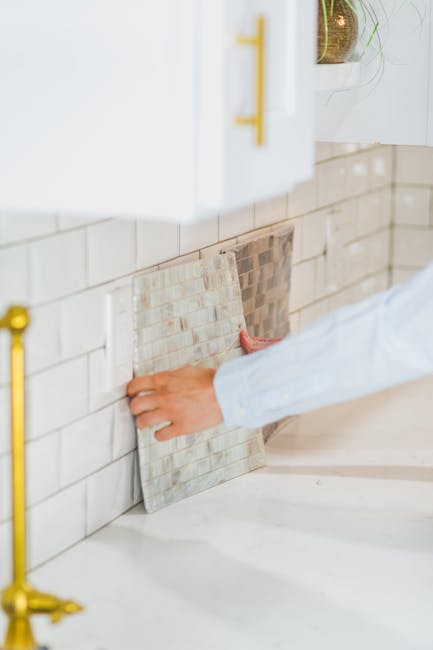
Backsplashes are an opportunity to add a splash of color or texture. Subway tiles are a classic choice, offering a clean and timeless look. If you crave something unique, mosaic tiles or patterned ceramics can add character and interest. Consider how the backsplash interacts with your countertop and cabinets. Do they complement each other, or is there too much contrast? Strive for balance so every element in your kitchen works in harmony to create a space where you love to spend time. By thoughtfully choosing and combining these elements, you not only enhance the aesthetic appeal of your kitchen but also its functionality. What story do you want your kitchen to tell through its colors and textures?
Accenting With Accessories
Elevate your kitchen's style with the right accessories. Choose vibrant colors to create a lively atmosphere. Mix bold accents like colorful dishes or bright towels for a personal touch.
Accenting your kitchen with accessories can transform its entire vibe. Accessories bring color and personality without major renovations. They are easy to change and update. This allows you to keep your kitchen fresh and stylish.
Decorative Elements
Decorative elements can greatly enhance your kitchen's appeal. Consider colorful vases or bowls on countertops. Choose artwork that reflects your style and adds color. Display decorative jars filled with bright spices or pasta. These elements create an inviting atmosphere.
Functional Accents
Functional accents combine utility with style. Use colorful dish towels or pot holders for a pop of color. Bright cutting boards can be both practical and decorative. Choose vibrant storage containers for a lively touch. Functional items should blend with your color scheme.
Colorful Appliances
Colorful appliances make a bold statement in your kitchen. Opt for red, blue, or green small appliances. A bright toaster or mixer can be a focal point. Coordinate appliance colors with other kitchen elements. This adds cohesion and excitement to your space.

Credit: www.reddit.com
Personal Style Expression
Designing your kitchen colors is a chance to showcase your personal style. Colors can tell stories and reflect your personality. Whether you love bright hues or subtle shades, your kitchen should feel like home. This section explores how to express your personal style through unique color choices.
Incorporating Personal Touches
Your kitchen can be a canvas for your creativity. Choose colors that resonate with your tastes. Personal touches make a space truly yours. Consider your favorite colors and how they make you feel. Mix and match shades to create a vibrant, inviting atmosphere. Use accents like colorful tiles or bold paint to highlight your style.
Family-friendly Designs
Creating a family-friendly kitchen involves choosing colors everyone will love. Bright and cheerful colors can boost mood and energy. Soft pastel shades create a calm and welcoming environment. Consider durable materials that withstand busy family life. Easy-to-clean surfaces are ideal for kitchens with young children.
Minimalist Approaches
Embrace simplicity with a minimalist color scheme. Neutral tones offer a clean, classic look. White, gray, and beige create a serene space. Minimalist designs focus on functionality and elegance. Use subtle pops of color for interest without overpowering. Keep clutter to a minimum for a sleek and tidy appearance.
Avoiding Common Mistakes
Designing your kitchen colors can be exciting, but mistakes happen. To create a harmonious and inviting space, avoid these common pitfalls. A well-designed kitchen not only pleases the eye but also adds value to your home. Let’s explore how to avoid these mistakes.
Overwhelming Color Choices
Too many colors can make your kitchen feel chaotic. Stick to a simple palette. Choose a primary color and two accent shades. This approach keeps the design clean and focused. Bright colors work best as accents. They add interest without overwhelming the space.
Ignoring Overall Home Theme
Your kitchen should reflect your home's style. If your home is modern, a rustic kitchen may clash. Ensure color choices match the rest of your home. This creates a seamless flow from room to room. Consistency in design feels more cohesive and inviting.
Neglecting Resale Value
Consider future buyers when choosing kitchen colors. Bold choices may not appeal to everyone. Neutral colors often have broad appeal. They provide a blank canvas for personal touches. A neutral kitchen can enhance resale value. It attracts a wider range of potential buyers.

Credit: www.sherwin-williams.com
Frequently Asked Questions
What Colors Make A Kitchen Look Bigger?
Light colors like white, cream, and pastel shades can make a kitchen feel more spacious. They reflect light, enhancing the room's brightness and creating an illusion of space. Using glossy finishes can also help in making the kitchen appear larger.
How Do I Choose A Kitchen Color Scheme?
Consider your kitchen's size, lighting, and style when selecting a color scheme. Neutral tones offer versatility and pair well with bold accents. Assess how colors will complement existing fixtures and furnishings to create a cohesive look.
Are Dark Colors Suitable For Kitchens?
Dark colors can add depth and elegance but may make a small kitchen feel cramped. Use them sparingly or balance with lighter shades. Dark hues work well in spacious kitchens with good lighting, adding sophistication and warmth.
What Kitchen Colors Are Trending?
Earth tones, warm neutrals, and greens are popular in current kitchen designs. These colors offer a natural and inviting feel. Bold colors like navy blue and deep green are trending for accent walls or cabinetry, adding personality and style.
Conclusion
Choosing kitchen colors can be exciting. Remember, colors set the mood. Bright colors energize. Soft shades calm. Balance is key for harmony. Consider lighting and space. Dark colors make spaces look smaller. Light colors open up the room. Mix and match for personal style.
Accessories add pops of color. Think about maintenance. Some colors show dirt more. Testing samples helps visualize. Consult friends or family for advice. Trends change, but personal taste lasts. Enjoy the process. Your kitchen should feel like home. Make it a place you love.