
Are you dreaming of a kitchen that blends style with functionality, perfectly tailored to your needs? Designing your new kitchen can be an exciting yet overwhelming task, but it doesn't have to be.
Imagine stepping into a space where everything is exactly where you want it, and cooking becomes a joy rather than a chore. This article will guide you through creating that dream kitchen, ensuring every detail reflects your personality and lifestyle.
You deserve a space that not only looks fantastic but also enhances your daily routine. Keep reading, and you'll discover practical tips and creative ideas that will transform your kitchen into the heart of your home. Let's turn your vision into reality!
Setting Your Budget
Plan your kitchen budget wisely to balance style and function. List essential items first, then consider extras. This approach helps in creating a beautiful and practical kitchen within your financial limits.
Setting a budget for your new kitchen design is crucial. It helps you prioritize and make informed decisions, ensuring you don't overspend or compromise on essential features. Let's dive into how you can effectively set and manage your kitchen design budget.
Understanding Your Financial Limits
Begin by assessing your overall financial situation. Determine how much you can realistically allocate to your kitchen redesign without straining your finances. It's important to balance ambition with practicality. Create a spreadsheet or use budgeting apps to track your expenses. This will give you a clear picture of your monetary boundaries. Consider unexpected costs, such as plumbing or electrical updates. They can sometimes surprise you, so factor them into your budget.
Identifying Key Priorities
Decide what aspects of your kitchen are most important to you. Is it the sleek countertops, modern appliances, or a spacious layout? Knowing your priorities helps in channeling funds effectively. You might love the idea of custom cabinetry, but ask yourself if it's worth sacrificing a high-quality stove. It's about finding a balance that suits your lifestyle. Seek inspiration from home design magazines or websites. They'll offer insights into cost-effective yet trendy options that align with your vision.
Researching Costs
Start by researching average costs for kitchen elements. This includes appliances, cabinets, flooring, and lighting. Having a ballpark figure aids in setting realistic expectations. Visit local stores or online retailers to compare prices. Sometimes, sales or discounts can make high-end items more affordable. Talk to friends or family who've recently redesigned their kitchens. Their experiences can provide valuable insights into potential expenses and savings.
Exploring Financing Options
If your budget is tight, explore financing options like home improvement loans. They can offer flexibility in managing payments over time. Check your credit score before applying for loans. A higher score may get you better interest rates, saving money in the long run. Consider setting aside a small emergency fund. It can act as a buffer for any unexpected expenses during the renovation process.
Negotiating With Contractors
When hiring professionals, negotiate costs upfront. Some contractors might be willing to offer discounts or package deals. Ask for detailed quotes from multiple contractors. This helps you compare and choose the best fit for your budget. Ensure the contractor understands your budget constraints. Clear communication prevents misunderstandings and ensures smooth progress.
Monitoring Expenses
Keep a close eye on your spending throughout the renovation. Regularly update your budget tracker to avoid surprises. If expenses start to exceed your budget, reassess and make necessary adjustments. It's better to tweak plans early than face financial stress later. Celebrate small milestones along the way. It keeps the process exciting and motivates you to stay on track financially. Setting a budget doesn't mean limiting your dreams but creating a roadmap to achieve them. Are you ready to take the first step toward designing your dream kitchen?
Choosing The Right Layout
Your kitchen layout is the backbone of your cooking space. It's where function meets form, ensuring you can move seamlessly while preparing your meals. Choosing the right layout can drastically impact your kitchen's efficiency and aesthetics. Have you ever wondered why some kitchens feel more spacious and easy to navigate than others? It often boils down to the layout. So, let’s dive into the various kitchen layout options to help you decide which one suits your needs best.
Galley Kitchen
The galley kitchen is a classic choice for those with limited space. It features two parallel counters, creating a corridor-like setup. This design is efficient, maximizing every inch of your kitchen. Imagine cooking in a linear fashion where everything is within arm's reach. However, it might feel cramped if not executed properly. Are you comfortable with a more compact workspace?
L-shaped Kitchen
The L-shaped kitchen is popular for its versatility. It comprises two adjoining walls forming an 'L', offering more counter space and storage. This layout is perfect for open-plan living areas as it allows for easy interaction with guests. Picture yourself hosting a dinner party, effortlessly moving between stove and sink while chatting with friends. Would you prefer a kitchen that invites social engagement?
U-shaped Kitchen
A U-shaped kitchen offers ample space and storage. It surrounds you on three sides, providing a cozy cooking nook. This layout is ideal if you love having all your utensils and ingredients at your fingertips. Think about whipping up a feast without needing to dash across the room. However, this layout requires more space. Is your kitchen large enough to accommodate this design?
Island Layout
The island layout is a dream for those who enjoy entertaining. It introduces a central countertop that can serve multiple purposes, from prep station to dining area. Picture an open space where family and friends gather around while you cook. An island can transform your kitchen into the heart of your home. Do you envision your kitchen as a social hub?
Each layout has its unique benefits and challenges. Consider your space, lifestyle, and how you want to interact with your kitchen. The right layout will make cooking a joy rather than a chore. Which layout speaks to you and your culinary aspirations?
Selecting Quality Materials
Designing a new kitchen involves making many choices. One of the crucial steps is selecting quality materials. Quality materials ensure durability and enhance your kitchen's aesthetic appeal. They can transform the kitchen into a functional and inviting space. Let's explore the importance of quality materials in countertops, cabinetry, and flooring.
Countertops
Countertops are a kitchen's centerpiece. Choose materials that resist stains and scratches. Granite and quartz offer durability and elegance. They are easy to clean and maintain. Solid surface countertops are also popular. They come in various colors and can mimic natural stone. Consider your cooking habits when selecting countertop materials.
Cabinetry
Cabinetry defines the kitchen's style and storage capacity. Opt for solid wood or plywood for durability. These materials withstand daily wear and tear. Consider the finish and hardware for a cohesive look. Soft-close hinges enhance functionality. Choose cabinets that complement the overall kitchen design. Quality cabinets can transform the kitchen space.
Flooring
Flooring must endure foot traffic and spills. Hardwood offers warmth and beauty. It's durable but requires maintenance. Tile flooring is versatile and easy to clean. It comes in various patterns and colors. Laminate flooring is a budget-friendly option. It's resistant to scratches and moisture. Select flooring that matches your lifestyle and kitchen design.
Maximizing Storage Space
Designing a new kitchen can be exciting and challenging. Storage space is often a top priority for many homeowners. A well-organized kitchen makes cooking and cleaning easier. It also keeps the area clutter-free. Here, we'll explore how to maximize storage space in your kitchen.
Innovative Cabinet Solutions
Cabinets are essential for kitchen storage. Consider pull-out shelves or rotating racks. These make use of deep cabinet spaces. Choose cabinets with adjustable shelves. This allows you to customize the height. Corner cabinets can have lazy Susans. They help access items in hard-to-reach spots.
Utilizing Vertical Space
Vertical space is often underused. Install taller cabinets to reach the ceiling. This provides extra storage for less-used items. Use hooks and racks on walls. Hang pots, pans, and utensils. This keeps counters clear and organized. Shelves above the counter add more storage. Place frequently used items there for easy access.
Organizing Drawers And Shelves
Drawers and shelves can become messy. Use dividers in drawers for utensils. They keep everything in place. Label shelves to know where items belong. Use baskets or bins on shelves for small items. This keeps them from getting lost. Arrange items by frequency of use. Store daily items within easy reach.
Lighting And Ambiance
Lighting plays a vital role in kitchen design. It sets the mood and enhances functionality. A well-lit kitchen feels warm and inviting. It boosts productivity during cooking and cleaning. Let's explore how to create perfect lighting and ambiance in your new kitchen.
Task Lighting
Task lighting focuses on work areas. It provides bright and direct light. Install under-cabinet lights for countertops. They illuminate tasks like chopping and mixing. Pendant lights over islands are stylish and functional. They create a focal point and brighten the workspace.
Accent Lighting
Accent lighting adds depth to your kitchen. It highlights specific areas or features. Use LED strips inside glass cabinets. They showcase beautiful dishes or collectibles. Spotlights on artwork or plants create a unique look. Accent lighting transforms your kitchen's atmosphere.
Natural Light Integration
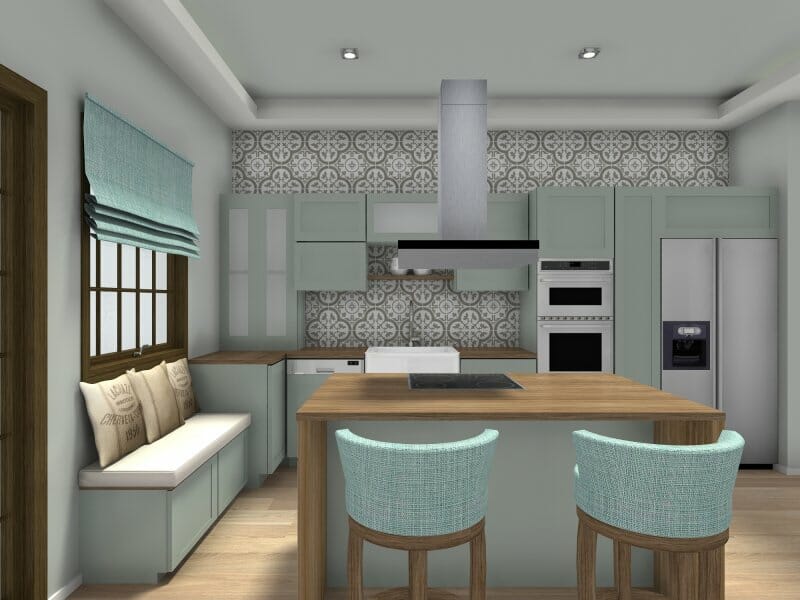
Natural light makes kitchens feel open and airy. It reduces the need for artificial lighting. Large windows or skylights are great options. They bring in sunlight and offer outdoor views. Light-colored walls and reflective surfaces enhance brightness. Embrace natural light for an inviting kitchen.
Credit: www.roomsketcher.com
Incorporating Smart Technology
Your kitchen can be more than just a place to cook; it can be a hub of convenience and efficiency. Adding smart technology can transform your kitchen experience, making daily tasks easier and more enjoyable. You might wonder how these devices fit into your kitchen design. Let's delve into the specifics of smart appliances and home automation systems to help you create a modern, tech-savvy kitchen.
Smart Appliances
Imagine your fridge notifying you about expired products or your oven preheating while you're still at the grocery store. Smart appliances bring convenience right to your fingertips. They connect to your home network, allowing you to control them via your smartphone or tablet.
Consider a smart dishwasher that operates during off-peak hours to save energy. Or a coffee maker that brews your favorite blend as soon as your alarm goes off. These appliances can make your mornings smoother and your evenings more relaxed.
When choosing smart appliances, think about your daily habits. What tasks do you find time-consuming? Identify these and explore smart solutions that can simplify them. You may find that a small investment in technology leads to significant savings in time and effort.
Home Automation Systems
Home automation systems are more than remote controls; they're about creating a seamless interaction between your kitchen and lifestyle. Think of them as the command center for your kitchen's smart technology.
You can set up lighting systems to adjust based on the time of day or your mood. Picture sensors that detect motion, turning on lights as you enter the room. This not only enhances convenience but also helps save energy.
Voice-activated assistants can play your favorite tunes or set timers while you're busy cooking. Have you considered how automation can streamline your meal prep? With the right setup, you can manage multiple tasks without lifting a finger.
As you design your kitchen, ask yourself: How can automation make my life easier? Explore features that align with your lifestyle and enhance your kitchen's functionality.
What smart technology are you most excited to add to your kitchen? Share your thoughts and experiences below. Let's create a community of tech-savvy kitchen enthusiasts!
Choosing Color Schemes
Selecting the perfect color scheme for a kitchen involves balancing personal style with functionality. Neutral tones create a calm space, while bold colors add energy. Consider lighting and cabinet materials to ensure colors complement the overall design.
Choosing the right color scheme sets the mood for your new kitchen. It impacts the overall atmosphere and functionality. Colors can make the space feel cozy, vibrant, or even larger. Selecting a suitable palette involves considering various elements. This includes lighting, cabinet finishes, and personal style. Let's explore different color options to help you create a stunning kitchen.
Neutral Tones
Neutral tones bring a sense of calm to the kitchen. They are versatile and timeless. Shades like white, beige, and gray work well in most spaces. These colors create a clean and spacious look. They are perfect for those who prefer a minimalist style. Neutrals can easily be paired with other colors. This makes them an excellent base for any kitchen design.
Bold Accents
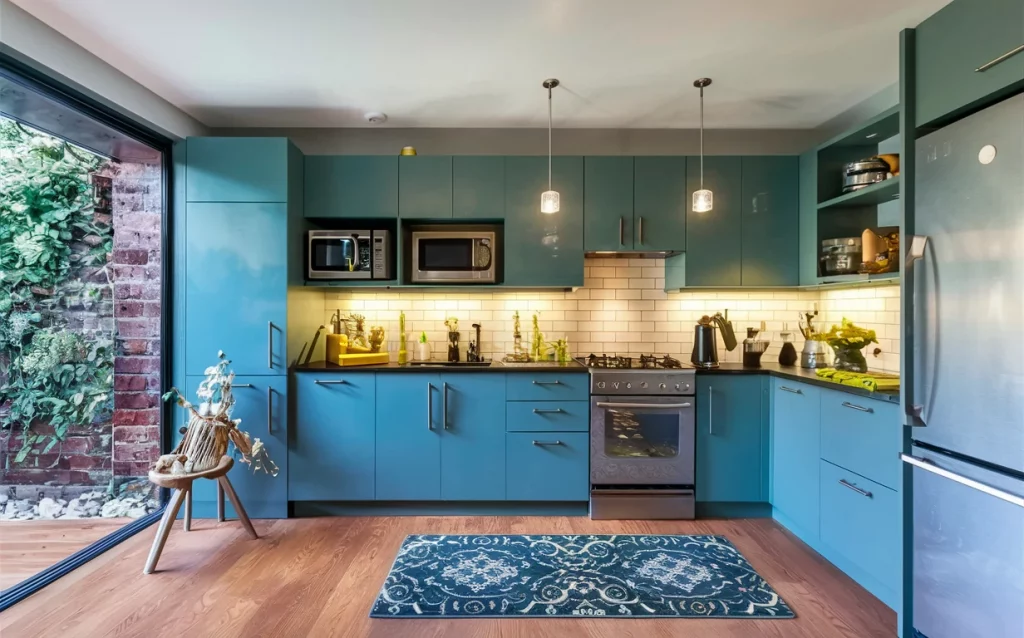
Bold accents add personality and interest. They bring life to neutral backgrounds. Consider vibrant colors like red, navy, or emerald green. Use them on a feature wall or in accessories. They can highlight specific areas. This adds depth and character to the space. Bold accents are great for creating a focal point.
Matching With Decor
Ensure your color scheme complements your decor. Consider the style of your furniture and appliances. Match colors with countertops, cabinets, and flooring. This creates a harmonious look. Consistency in colors ties everything together. It makes the space feel complete. Coordinated colors enhance the overall design.
Credit: foyr.com
Personalizing Your Space
Designing your new kitchen is an exciting journey. Personalizing it reflects your personality. It transforms the space into a warm environment. Your kitchen should be a place you love. Thoughtful touches make it unique and inviting. Consider custom features and unique decor pieces.
Custom Features
Custom features add a personal touch. Think about cabinetry that suits your style. Choose colors and materials that speak to you. Tailor countertops to your cooking needs. Consider built-in appliances for a seamless look. Lighting can enhance functionality and mood. Each element should resonate with your preferences.
Unique Decor Pieces
Decor pieces bring character to your kitchen. Display art or photographs that you cherish. Add a vase with fresh flowers for a pop of color. Use vintage items as conversation starters. Consider unique kitchenware to express your taste. Rugs can add warmth and texture to the space. Showcase items that tell your story.
Credit: bella-tucker.com
Frequently Asked Questions
What Is The Best Kitchen Layout?
The best kitchen layout depends on your space and needs. Common layouts include U-shape, L-shape, and galley. Each offers unique benefits. Consider your cooking style, appliance placement, and workflow. Proper planning ensures efficiency and accessibility in your kitchen design.
How Do I Choose Kitchen Colors?
Choosing kitchen colors involves considering lighting, style, and mood. Light colors make spaces feel larger. Dark colors add drama and warmth. Neutral tones offer versatility and timeless appeal. Test samples in your kitchen's lighting before committing.
What Are Essential Kitchen Design Elements?
Essential kitchen design elements include layout, storage, and lighting. Focus on maximizing space and functionality. Prioritize quality materials for durability. Ensure ample lighting for tasks and ambiance. Thoughtful design enhances usability and aesthetics.
How Can I Maximize Kitchen Storage?
Maximize kitchen storage by using vertical space and smart solutions. Install cabinets up to the ceiling. Use pull-out shelves and organizers. Consider multi-functional furniture and custom storage solutions. Efficient storage keeps your kitchen clutter-free.
Conclusion
Designing a new kitchen can be a rewarding experience. Start with a clear plan. Think about your needs and lifestyle. Choose colors and materials that suit your taste. Consider the layout for maximum efficiency. Don't forget storage solutions. Cabinets and drawers matter.
Lighting is also key. It sets the mood and aids in cooking. Appliances should match your design and budget. Remember, your kitchen is the heart of your home. Make it functional and beautiful. Enjoy the process, and create a space you love.
Your dream kitchen is within reach. Happy designing!