
Have you ever dreamed of a kitchen that seamlessly flows into your living space, making your home feel larger, more inviting, and perfect for entertaining? Designing an open concept kitchen could be the answer.
Imagine preparing a meal while chatting with friends lounging in the living room, or keeping an eye on the kids as you whip up dinner. This layout not only enhances the aesthetic appeal of your home but also transforms the way you live and interact with your space.
In this guide, we’ll walk you through the essential steps to create your ideal open concept kitchen. Whether you're starting from scratch or planning a remodel, you’ll discover practical tips and creative ideas to bring your vision to life. Ready to transform your kitchen into the heart of your home? Let’s dive in!
Benefits Of Open Concept Kitchens
Open concept kitchens create a spacious feel, making it easy to interact while cooking. They enhance natural light, offering a warm, inviting atmosphere. Ideal for families and social gatherings.
The open concept kitchen has become a popular trend in modern home design, and it's not hard to see why. This style breaks down walls, literally and figuratively, to create a seamless flow between the kitchen and adjoining living spaces. But what makes this design so appealing? Let's explore the benefits of open concept kitchens and see how they can transform your home life.
Enhanced Social Interaction
An open concept kitchen encourages social interaction. Whether you're hosting a dinner party or having a casual family meal, the lack of walls means you can chat and cook simultaneously. Imagine preparing a meal while still being part of the conversation in the living room. This setup fosters a sense of togetherness and makes entertaining more enjoyable.
Improved Natural Light
With fewer walls, natural light flows more freely throughout your home. An open concept kitchen allows sunlight from the living room windows to brighten the kitchen area. This not only reduces the need for artificial lighting during the day but also creates a warm and inviting atmosphere. Who wouldn't want to cook in a sunlit kitchen?
Increased Space Perception
Open concept kitchens can make your home feel larger. By removing barriers, the space appears more expansive, even if the square footage remains the same. This is especially beneficial in smaller homes or apartments where maximizing space is crucial. You might find yourself feeling less cramped and more comfortable moving around.
Design Flexibility
An open concept kitchen gives you more design flexibility. Without walls dictating where certain elements must go, you can arrange furniture and decor to suit your style and needs. Want a large island with bar seating? Or perhaps a cozy reading nook nearby? The possibilities are endless, allowing you to tailor the space to your lifestyle.
Better Functionality
An open concept kitchen enhances functionality. With easier access to adjacent areas, tasks such as serving food, setting the table, or cleaning up become more efficient. You can keep an eye on kids playing in the living room while you cook, making it easier to multitask. How might this seamless flow improve your daily routines? Embracing the open concept kitchen can transform how you live and interact in your home. Whether you're looking to boost social interaction, enjoy more natural light, or simply have more design freedom, the benefits are clear. So, are you ready to tear down those walls and open up your space?
Planning Your Space
Designing an open concept kitchen involves blending functionality with style. Focus on seamless flow between cooking and dining areas. Use smart storage solutions and modern appliances to enhance space efficiency.
Designing an open concept kitchen can transform your home, creating a space that's not only functional but also inviting. The key to success lies in thoughtful planning. You want a kitchen that reflects your lifestyle, maximizes space, and facilitates smooth cooking and entertaining. Let's dive into the essentials of planning your space effectively.
Assessing Your Needs
Begin by understanding what you need from your kitchen. Do you host dinner parties regularly, or is your kitchen mostly for family meals? Consider your cooking habits. If you're an avid baker, you'll need ample counter space. If efficiency is your priority, focus on optimizing your workflow. Think about storage. Do you have a collection of large pots and pans? You'll want cabinets designed to accommodate them. Personal experience taught me the importance of storing appliances within easy reach. It saves time and keeps the kitchen tidy. Ask yourself: What frustrates you about your current kitchen layout? Knowing this helps pinpoint areas for improvement, ensuring your new design truly enhances your lifestyle.
Considering Layout Options
Explore different layout options. The classic L-shape is great for homes with limited space. It allows you to keep everything within reach while maintaining an open feel. If you have more room, consider a U-shape. It offers additional counter space and storage, ideal for large families. An island can be a game-changer. It provides extra workspace, seating, and storage. Imagine prepping dinner while chatting with friends seated at the island. It turns your kitchen into a social hub. Remember to maintain flow. Ensure there's enough space for easy movement between cooking, cleaning, and dining areas. A well-planned layout enhances your kitchen's functionality and makes it a joy to use. What layout resonates with your lifestyle? Consider your habits and space constraints, and choose a design that meets your specific needs.
Choosing The Right Materials
Choosing the right materials for your open concept kitchen is crucial. It affects the style, functionality, and durability of the space. Each element should blend seamlessly with others. Focus on materials that are practical and enhance the aesthetic. Consider durability, ease of maintenance, and cost-effectiveness.
Durable Flooring Options
Flooring sets the foundation for your kitchen. Hardwood offers a classic look and lasts long. Tiles provide versatility with patterns and colors. Vinyl is affordable and easy to clean. Each option serves different needs. Choose based on your lifestyle and design preference.
Countertop Materials
Countertops are the heart of your kitchen. Granite is popular for its strength and elegance. Quartz provides a sleek appearance and is low maintenance. Butcher block adds warmth and is easy to repair. Select a material that suits your cooking habits and style.
Cabinetry Choices
Cabinets define the storage and look of your kitchen. Solid wood offers a timeless appeal. Laminate is budget-friendly and resists moisture. Metal finishes bring a modern touch. Consider the color, texture, and durability for harmony in design.
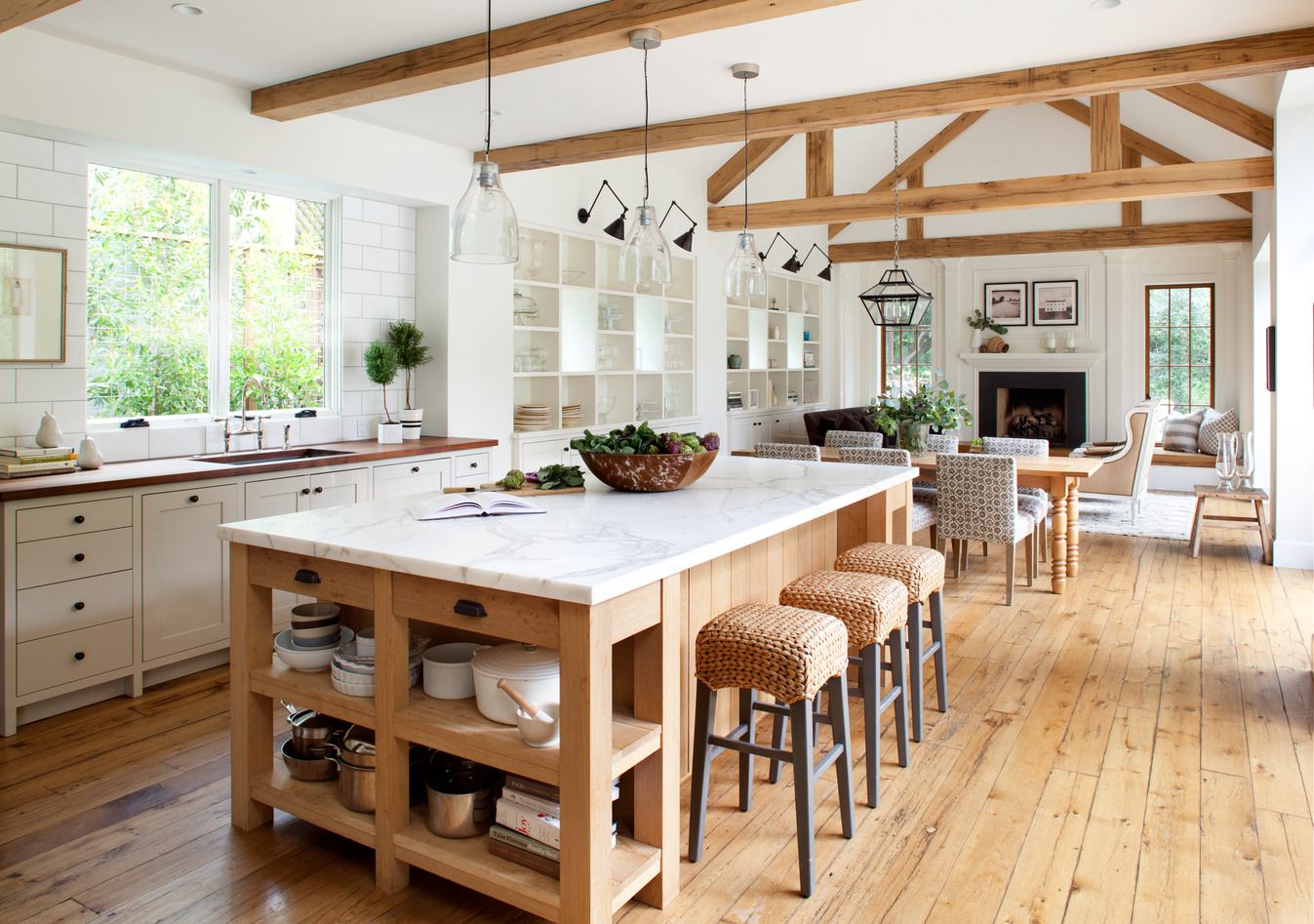
Credit: www.housebeautiful.com
Incorporating Functional Zones
In an open concept kitchen, incorporating functional zones is essential. It helps create a balanced and efficient space. Each zone serves a specific purpose, enhancing both functionality and design. By dividing the kitchen into distinct areas, you ensure smooth workflow and pleasant aesthetics.
Cooking And Prep Area
Focus on practicality in the cooking and prep area. Position the stove, oven, and sink close together. This layout, known as the kitchen work triangle, boosts efficiency. Ensure there is ample counter space for chopping and mixing. Consider installing a kitchen island. It provides extra surface area and storage. Use durable materials like granite or quartz for countertops. They withstand heat and scratches. Incorporate good lighting to aid visibility during cooking.
Dining And Socializing Space
The dining and socializing space should be inviting. It connects the kitchen with the rest of the home. Opt for a large dining table that suits your family size. Choose comfortable chairs to encourage long meals and chats. Consider a breakfast bar with stools for casual dining. Ensure the area is well-lit, using pendant lights for a warm glow. This zone can also feature a small sofa or lounge chairs. It allows guests to relax while meals are prepared.
Storage Solutions
Effective storage solutions keep the kitchen organized. Use cabinets that reach the ceiling. They provide maximum storage space. Install pull-out shelves for easy access to items. Consider open shelving for frequently used items. It adds a decorative touch. Utilize under-island storage for pots and pans. Drawer dividers help organize utensils and cutlery. Incorporate a pantry with adjustable shelves. This allows for flexible storage of different-sized items.
Lighting For Open Kitchens
Lighting plays a vital role in open concept kitchen design. It enhances the overall ambiance and functionality of the space. Proper lighting can transform a kitchen into a welcoming and efficient area. It helps in creating a sense of openness and connectivity. Here, we'll explore three essential types of lighting: ambient, task, and accent. Each serves a unique purpose in open kitchens.
Ambient Lighting
Ambient lighting provides general illumination to the kitchen. It sets the mood and ensures the space feels inviting. Use overhead fixtures like chandeliers or recessed lights. These fixtures distribute light evenly across the room. Soft, warm lights work best for a cozy atmosphere. Consider dimmable options for flexibility. Adjust the brightness based on the time of day.
Task Lighting
Task lighting focuses on specific areas where work is performed. It is essential for cooking, cleaning, and food preparation. Install under-cabinet lights to illuminate countertops. Pendant lights over islands or dining tables enhance visibility. Choose LED options for energy efficiency and brightness. Task lighting should be bright but not harsh. It helps in reducing shadows and eye strain.
Accent Lighting
Accent lighting highlights features and adds depth to the design. It accentuates architectural elements or decorative items. Use wall sconces to spotlight art or shelving. LED strips can highlight cabinet interiors or open shelves. Accent lighting adds visual interest and creates focal points. It should complement ambient and task lighting. This layering brings a balanced look to the kitchen.
Selecting Appliances
Designing an open concept kitchen requires thoughtful appliance selection. Your choices impact space, style, and energy use. Selecting the right appliances enhances functionality and aesthetics. Focus on energy efficiency and space-saving designs to create a seamless kitchen experience.
Energy Efficiency
Choose appliances with high energy ratings to save money. Energy-efficient models reduce electricity consumption and lower bills. Look for Energy Star certified appliances. They use less power without compromising performance.
Consider induction cooktops. They heat food quickly and efficiently. Fridges with smart technology adjust cooling based on usage. This reduces unnecessary energy waste. Dishwashers with eco-mode save water and energy.
Space-saving Designs
Space-saving appliances keep your kitchen uncluttered. Compact designs fit snugly in small areas. Built-in microwaves free up counter space. Choose slim refrigerators for narrow spaces.
Opt for multifunctional appliances. An oven with a microwave function saves space. Combination washer-dryers reduce the need for separate units. Ensure each appliance fits harmoniously within your kitchen layout.
Color And Décor Ideas
Designing an open concept kitchen offers an exciting opportunity to experiment with colors and décor. With the absence of walls, your kitchen can seamlessly blend into the living space, creating a cohesive look. Discovering the right color and décor ideas can transform your kitchen into a stylish and functional hub.
Coordinating Color Schemes
Choosing a color scheme for your open concept kitchen is crucial. It sets the tone for the entire space. Think about colors that complement your living area. If your living room has a neutral palette, consider adding a splash of bold color in the kitchen. This creates an attractive contrast.
Or, if you have vibrant colors in your living space, balance it with subtle tones in the kitchen. This harmony enhances the flow and continuity. Consider using shades like soft grey or pale blue to keep the atmosphere light and inviting.
Have you ever wondered how colors influence mood? They can make your kitchen feel warm or cool, energetic or calm. Choose colors that not only reflect your style but also bring out the desired emotion.
Incorporating Textures
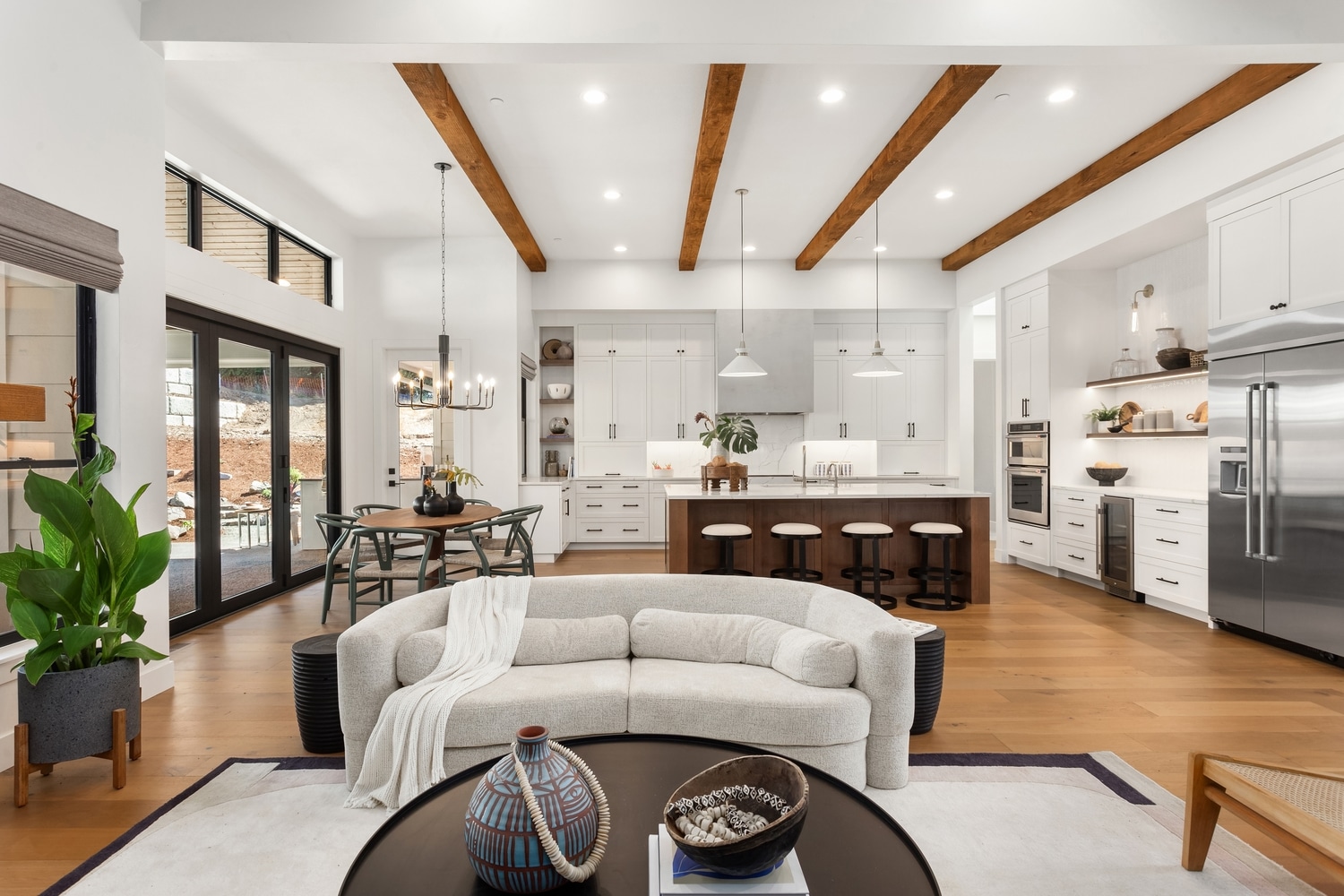
Textures add depth and interest to your open concept kitchen. Mixing different materials can make the space lively. Consider using wooden cabinets for warmth or stainless steel for a modern touch.
Think about incorporating textured tiles or a brick wall to add character. These elements can become focal points in your kitchen. Even small details like woven baskets or a textured rug can make a big difference.
How often do you notice the feel of a room? Texture adds a tactile dimension that makes your kitchen more engaging. Explore various textures to find what resonates with your personal taste.
In the end, your open concept kitchen is a reflection of you. With thoughtful color schemes and texture choices, it can become the heart of your home.
Credit: canadianhomestyle.com
Addressing Common Challenges
Creating an open concept kitchen involves tackling common challenges like space optimization and seamless design flow. Prioritize functional layouts that enhance accessibility, while ensuring aesthetic harmony with adjoining areas. Integrating clever storage solutions and efficient lighting can transform the space into a welcoming, practical hub.
Designing an open concept kitchen is an exciting journey, but it comes with its own set of challenges. You might find yourself asking how to manage noise or ensure proper ventilation while keeping the space stylish and functional. Addressing these common challenges is essential to creating a kitchen that fits seamlessly into your lifestyle.
Managing Noise Levels
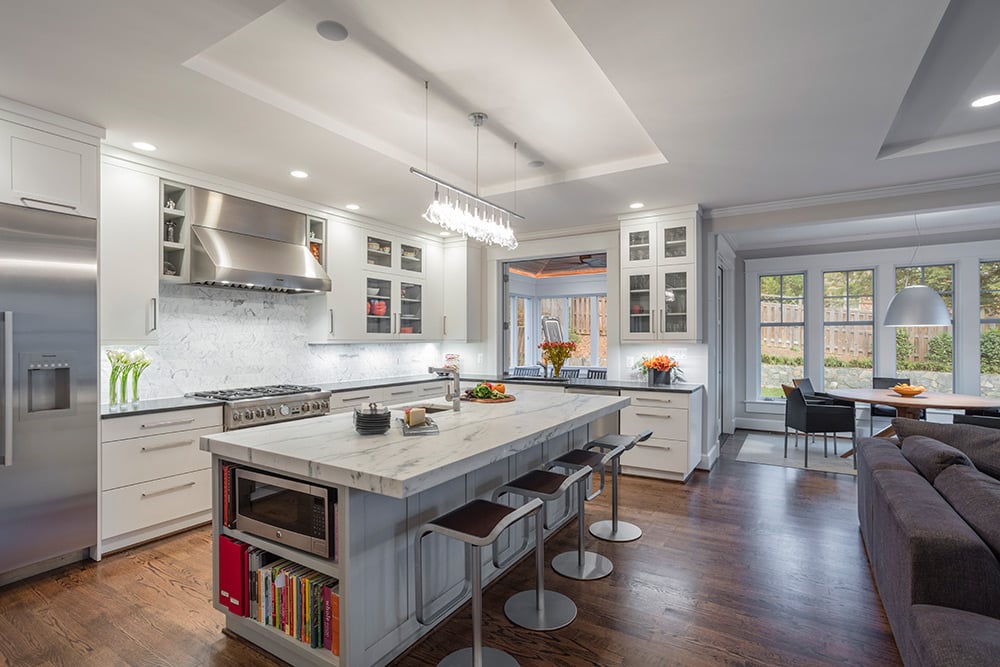
One of the biggest challenges in an open concept kitchen is controlling noise. Without walls, sounds from cooking and conversations can easily travel to other areas of your home. To tackle this, consider using soft materials like rugs or acoustic panels to absorb sound. Appliances can also add to the noise. Opt for quieter models, especially for dishwashers and range hoods, to minimize disruptions. You might also want to create a separate zone for loud activities, like mixing or grinding, to keep the overall noise level down.
Ensuring Adequate Ventilation
Ventilation is crucial in an open concept kitchen to prevent cooking odors from spreading. A high-quality range hood is an essential addition. Choose one that’s both powerful and aesthetically pleasing to keep your kitchen smelling fresh and looking great. Consider the placement of windows and doors to enhance natural airflow. If possible, position your cooking area near a window to allow smoke and odors to escape easily. Regularly maintaining your ventilation system will ensure it operates at peak efficiency, keeping your home comfortable and odor-free. Is your kitchen design addressing these challenges effectively? Taking the time to manage noise and ensure proper ventilation can transform your open concept kitchen into a space that’s both beautiful and functional.
Credit: jackrosen.com
Frequently Asked Questions
What Is An Open Concept Kitchen?
An open concept kitchen is a design layout that combines the kitchen with adjoining living spaces. This creates a seamless, spacious environment without walls. It promotes interaction, enhances natural light, and improves the flow of movement. This layout is ideal for modern homes seeking a communal space.
How To Maximize Space In Open Kitchens?
To maximize space, use multifunctional furniture and smart storage solutions. Incorporate kitchen islands with built-in storage. Opt for open shelving to create an airy feel. Keep countertops clutter-free and use vertical space efficiently. Minimalist designs and neutral colors can also make the space appear larger.
What Materials Are Best For Open Kitchens?
Choose durable, easy-to-clean materials like quartz or granite for countertops. Use hardwood or tile flooring that complements the overall design. Incorporate stainless steel or matte finish appliances for a modern look. Mixing textures and finishes can add depth and interest to the space.
How To Improve Lighting In Open Kitchens?
Enhance lighting with layered options like pendant lights, under-cabinet lighting, and recessed ceiling lights. Maximize natural light by using large windows or skylights. Install dimmable options for flexible ambiance. Mirrors can reflect light, making the space feel brighter and larger.
Conclusion
Creating an open concept kitchen enhances your home's warmth and flow. Focus on space, light, and functionality. Choose furniture that matches your style and improves accessibility. Open shelves and islands add storage and charm. Use colors that brighten the area.
Incorporate plants for a fresh feel. Personal touches make the space inviting. Remember, balance is key. Let your design reflect your personality and needs. Enjoy a kitchen that is both practical and beautiful. A well-designed open concept kitchen invites family and friends to gather.
It becomes the heart of your home, where memories are made.