
Are you dreaming of a kitchen that’s not only beautiful but also functional? Designing the best kitchen floor plan is the first step toward making that dream a reality.
Imagine a space where you can move effortlessly while cooking, entertaining, or simply enjoying a cup of coffee. The secret to achieving this lies in a well-thought-out floor plan that balances aesthetics with practicality. You're about to discover how to transform your kitchen into a seamless blend of form and function.
With a few strategic decisions, you can optimize your layout, maximize storage, and enhance your cooking experience. Let’s dive in and unlock the potential of your kitchen space, ensuring every inch works perfectly for you.
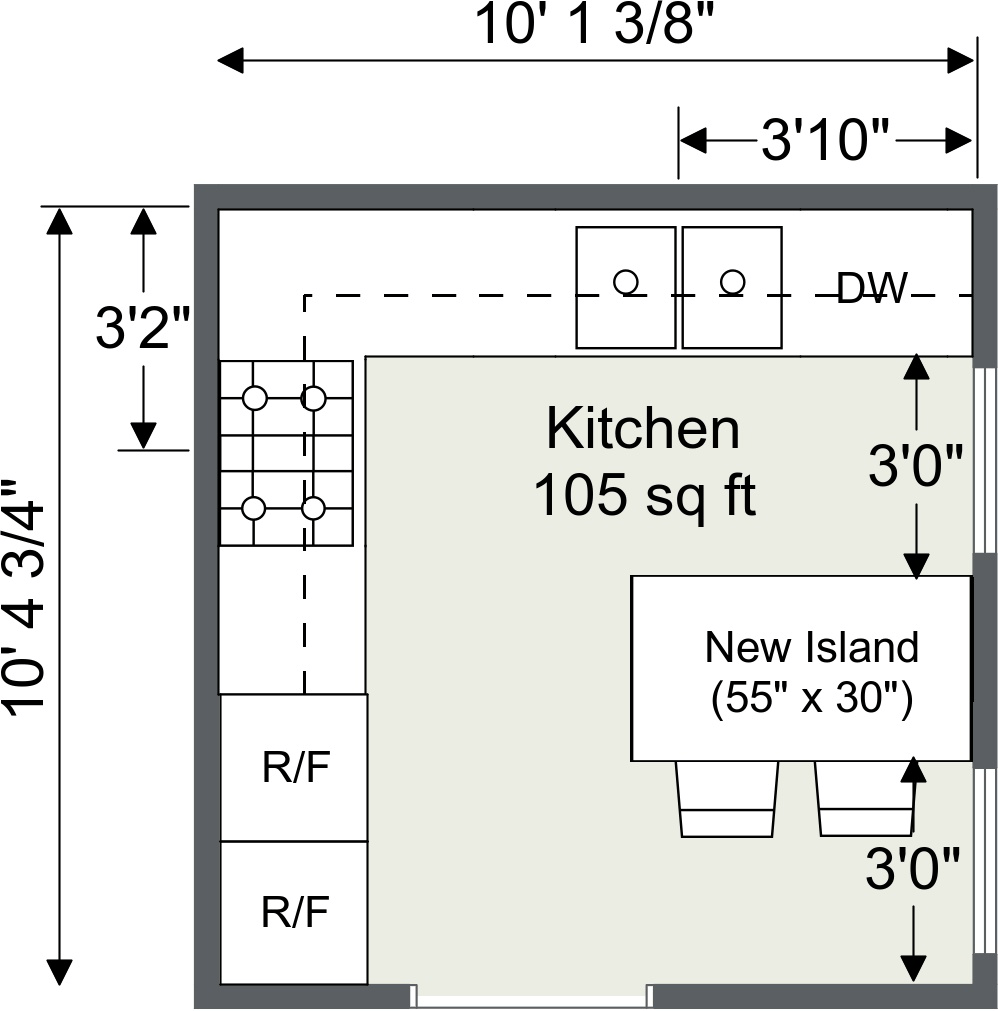
Credit: www.roomsketcher.com
Assessing Space Needs
Designing the perfect kitchen floor plan begins with understanding your space needs. Whether you're cooking for a large family or enjoy hosting dinner parties, your kitchen's layout should cater to your lifestyle. Assessing these space needs helps you create a functional and aesthetically pleasing environment that suits your daily routine.
Understanding Kitchen Usage
Consider how you use your kitchen daily. Do you cook elaborate meals or prefer quick and easy dishes? If you love baking, you might need extra counter space. Those who frequently entertain may require a larger dining area. Think about your daily activities and prioritize areas that support them.
Picture your ideal kitchen scenario. Perhaps you envision a space where your kids can do homework while you cook. Or maybe you need a seamless flow between your kitchen and living room. Your kitchen should reflect how you live and interact with family and friends.
Identifying Key Areas
Break down your kitchen into key areas: cooking, cleaning, and storage. Each area needs careful planning for a smooth operation. The cooking zone includes your stove, oven, and prep surfaces. Ensure these elements are close to each other for efficiency.
The cleaning area, mainly the sink and dishwasher, should be easily accessible. Consider the convenience of rinsing dishes and putting them away. A well-placed cleaning zone saves you time and effort.
Storage is another critical aspect. Think about how much pantry space you need. Do you have a collection of spices and kitchen gadgets? Adequate storage keeps your kitchen organized and clutter-free. Assess your storage needs thoroughly to make the best use of your space.
As you plan your kitchen layout, ask yourself: What would make this space work better for me? Personalize your kitchen floor plan to fit your unique needs. Engage with your space, and you'll create a kitchen that truly feels like the heart of your home.
Layout Options
Explore diverse layout options to design an efficient kitchen floor plan. Consider U-shaped, L-shaped, or galley layouts for optimal space utilization and workflow. Balance aesthetics with functionality for a harmonious kitchen environment.
Designing the best kitchen floor plan is all about understanding your layout options. Each layout offers unique advantages, and the right choice depends on your kitchen space and lifestyle. Let's delve into some popular kitchen layout options that can transform your culinary workspace.
Single Wall
The single wall layout is perfect for small spaces. It efficiently places all kitchen essentials along one wall, maximizing floor space. This design is ideal for those who love open-plan living areas but still want a functional kitchen.
Galley Layout
The galley layout features two parallel walls with a walkway in between. This setup is highly efficient, allowing you to move easily from one side to the other. Think of it as your own personal cooking corridor, where everything you need is just a step away.
L-shaped Design
An L-shaped kitchen utilizes two adjacent walls. This design provides plenty of counter space and is great for corner storage. An L-shaped layout is perfect for creating a natural work triangle, facilitating a smooth workflow.
U-shaped Plan
A U-shaped layout surrounds you with work surfaces on three sides. It offers ample storage and plenty of room for multiple cooks. This is ideal for those who enjoy cooking with family or friends and need extra space to spread out.
Island Configuration
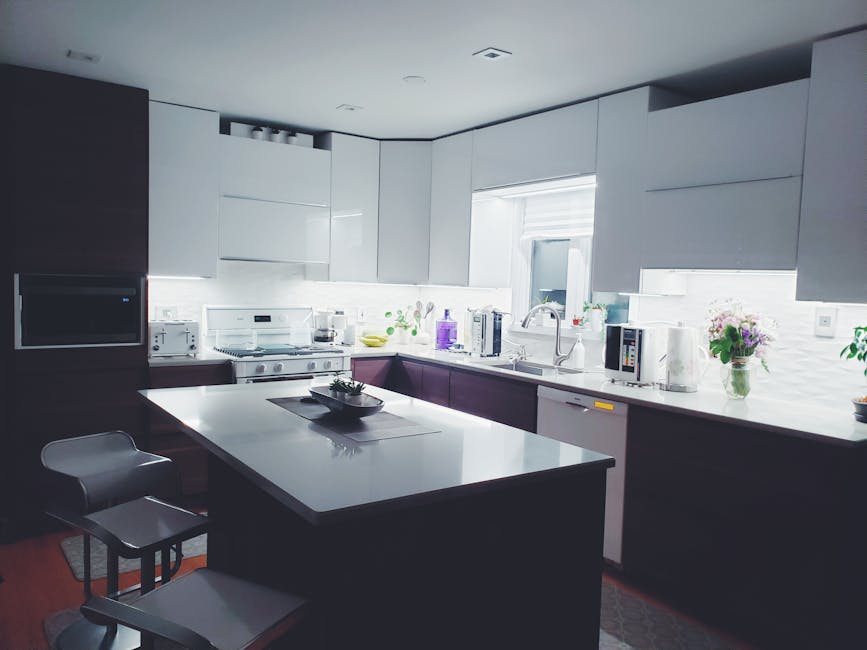
The island configuration adds a central unit to your kitchen. It provides additional counter space and can serve as a social hub. Consider how an island can enhance your kitchen—perhaps it could be a breakfast bar or a place for meal prep. Each of these layouts offers distinct benefits. Have you thought about how you want to use your kitchen? Your choice can significantly impact your cooking and dining experience.
Incorporating The Work Triangle
Designing a kitchen floor plan involves careful consideration of space and functionality. A key component is the work triangle, which enhances efficiency and flow. The work triangle connects the sink, stove, and refrigerator. This layout minimizes unnecessary movement and maximizes productivity.
Sink Position
The sink is often a hub of activity. It’s vital to place it thoughtfully. Position the sink close to the dishwasher for easy dish transfer. Ensure it is centrally located for convenience. A well-positioned sink enhances accessibility and efficiency.
Stove Location
Cooking requires quick access to ingredients and utensils. Place the stove near counters for easy meal prep. Ensure it’s not too close to the refrigerator to avoid crowding. A strategic stove location facilitates seamless cooking.
Refrigerator Placement
The refrigerator is a crucial part of the kitchen. Place it at the edge of the work triangle. This allows easy access without disrupting the cooking area. Ensure it’s close to both the sink and stove. Efficient refrigerator placement enhances the kitchen's workflow.

Credit: www.skipprenovation.com
Maximizing Storage
Designing the best kitchen floor plan enhances storage by strategically placing cabinets and shelves. Efficient use of vertical space helps keep counters clutter-free. Smart layouts prioritize accessibility, ensuring essentials are within easy reach.
Maximizing storage in your kitchen is essential for creating a functional and organized space. Think about the last time you cooked a big meal and struggled to find the right pan or spice. Wouldn't it be easier if everything had its place and was easy to access? Let's dive into some practical and innovative ways to maximize storage in your kitchen floor plan.
Cabinet Solutions
Consider installing cabinets that reach all the way to the ceiling. They offer extra storage without taking up additional floor space. Opt for pull-out shelves and lazy Susans to make accessing items in deep cabinets a breeze. You might also explore the option of custom cabinetry. Tailor cabinets to fit your kitchen gadgets and appliances. This can prevent clutter on countertops and provide a clean, streamlined look. Adding dividers inside drawers can keep utensils and small tools organized. This simple solution saves time when preparing meals.
Pantry Ideas
A walk-in pantry can be a game-changer if space allows. It centralizes food storage, making it easier to see what you have and what you need. No room for a walk-in? No problem. Consider a tall, narrow pantry cupboard with pull-out shelves. This can fit into tight spaces and still provide ample storage. Labeling containers can make a big difference in a pantry. It's a quick way to keep track of grains, pasta, and spices, saving you the frustration of searching for items.
Utilizing Vertical Space
Installing open shelves above countertops can add style and storage. They’re perfect for displaying attractive dishware or frequently used items. Hang pots and pans from a ceiling rack or wall hooks. This not only frees up cabinet space but also adds a rustic touch to your kitchen decor. Think about using the space above the refrigerator. It's often overlooked but can be ideal for storing less frequently used kitchen items. As you plan your kitchen, consider these storage solutions. How can you reimagine your space to make it work better for you? A thoughtful approach to storage can transform your kitchen into a more efficient and enjoyable space.
Lighting Considerations
Lighting is crucial in kitchen design. It impacts mood, functionality, and style. Balancing natural, ambient, and task lighting creates a harmonious space. This section explores how to integrate these elements effectively.
Natural Light
Natural light brings warmth and vitality. Large windows invite sunlight. Skylights can illuminate the space from above. Consider window placement carefully. South-facing windows capture more light throughout the day. Ensure windows are not blocked by cabinets or appliances.
Ambient Lighting
Ambient lighting sets the overall mood. Ceiling lights or recessed fixtures work well. They distribute light evenly across the room. Choose fixtures that complement your kitchen style. Use dimmers for flexibility. This lets you adjust brightness for different occasions.
Task Lighting
Task lighting focuses on work areas. Under-cabinet lights illuminate countertops. Pendant lights above islands provide focused light. Ensure task lights are bright enough for detailed work. Position them strategically. Avoid shadows on work surfaces. This enhances functionality and safety.

Credit: www.tamifaulknerdesign.com
Choosing Materials
Choosing the right materials for your kitchen floor plan is crucial. It affects the look, feel, and functionality of the space. Each component, from countertops to flooring and backsplashes, plays a vital role. These elements need careful consideration to ensure a cohesive design.
Countertops
Countertops are a key part of any kitchen. They should be durable and easy to clean. Granite and quartz are popular choices for their strength and beauty. Laminate is budget-friendly and offers various designs. Marble is elegant but requires more care. Choose a material that fits your lifestyle and budget.
Flooring Options
Flooring impacts both style and practicality. Hardwood floors offer warmth and charm. They are long-lasting but can scratch. Tile is another great option. It's water-resistant and comes in many styles. Vinyl and laminate are cost-effective and easy to maintain. Consider foot traffic and ease of cleaning when deciding.
Backsplash Choices
Backsplashes protect walls and add style. Subway tiles are timeless and versatile. Glass tiles reflect light and add brightness. Natural stone provides a rustic look. Peel-and-stick options are great for quick updates. Choose a backsplash that complements your countertops and flooring.
Safety And Accessibility
Designing a kitchen floor plan prioritizes safety and accessibility. Ensure ample space for movement and easy access to appliances. Consider non-slip flooring to prevent accidents.
Designing a kitchen floor plan is not just about aesthetics and functionality. Safety and accessibility should be at the heart of your design. This ensures that your kitchen is a welcoming space for everyone, including children and individuals with limited mobility. Let's explore how you can make your kitchen both safe and easily accessible.
Child-friendly Designs
When designing a kitchen with children in mind, consider their safety first. Rounded edges on countertops can prevent injuries. Placing sharp objects and cleaning supplies in high, locked cabinets keeps them out of reach. Think about how children move through the space. Wide pathways allow for easy movement and reduce the risk of accidents. Consider including a lower counter area where kids can safely engage in meal prep activities. This not only keeps them busy but also helps them learn valuable skills.
Easy Access Features
Accessibility is crucial for those with mobility challenges. Install cabinets with pull-out shelves to reduce the need for bending and reaching. Lever-style handles on doors and faucets are easier to use than traditional knobs. Consider the height of your appliances. Wall ovens installed at waist level make baking accessible to everyone. A countertop microwave can also be a great addition for easy access. Ask yourself: how can I make every inch of my kitchen easy to use for everyone? Good lighting is essential for both safety and accessibility. Under-cabinet lighting illuminates workspaces, making cooking safer. Motion-sensor lights can be particularly helpful for those who might have difficulty reaching switches. By focusing on safety and accessibility in your kitchen floor plan, you not only create a functional space but also a welcoming one. How will you ensure that your kitchen meets the needs of all its users?
Personal Style Integration
Designing a kitchen floor plan that resonates with your personal style is crucial. It turns a functional space into a reflection of your tastes. Personal style integration helps create a unique kitchen atmosphere. This section explores two key elements: color schemes and decorative touches. Each plays a vital role in making your kitchen truly yours.
Color Schemes
The color scheme sets the tone for your kitchen. Soft pastels create a calm and inviting space. Bold colors add energy and excitement. A monochromatic palette offers a sleek and modern look. Consider the lighting in your kitchen. It affects how colors appear. Natural light enhances lighter shades. Artificial light can bring out the richness in darker tones. Choose colors that match your personality and the mood you want to set.
Decorative Touches
Decorative touches make your kitchen unique. These include wall art, plants, or stylish lighting fixtures. Personalize the space with items that have meaning to you. Display family photos or travel souvenirs. These add warmth and character. Textures also play a role in decoration. Consider wood, metal, or glass accents. They add depth and interest. Small details, like cabinet knobs or faucets, can reflect your style. Each element contributes to a harmonious and inviting kitchen.
Frequently Asked Questions
What Are Key Elements In Kitchen Floor Plans?
Key elements include the layout, functionality, and space efficiency. Consider the work triangle, storage solutions, and traffic flow. Ensure appliances, countertops, and cabinets are easily accessible. Adequate lighting and ventilation are crucial. These elements help create a kitchen that is both practical and aesthetically pleasing.
How Do I Choose The Right Kitchen Layout?
Choose a layout based on your kitchen size and needs. Options include L-shaped, U-shaped, or galley designs. Consider how you use your kitchen daily. Optimize space for cooking, cleaning, and socializing. Personal preference and household size play significant roles in deciding the best layout.
Why Is The Work Triangle Important?
The work triangle connects the sink, stove, and refrigerator. It minimizes unnecessary movement and enhances efficiency. A well-designed triangle reduces clutter and improves workflow. Ensure each side measures between 4 and 9 feet for optimal functionality. This design principle is crucial for effective kitchen planning.
How Can I Maximize Kitchen Storage?
Maximize storage by utilizing vertical space and innovative solutions. Install cabinets reaching the ceiling and use pull-out shelves. Incorporate smart storage solutions like lazy Susans and drawer organizers. Properly planned storage reduces clutter and keeps kitchen essentials within easy reach, enhancing overall functionality.
Conclusion
Crafting the perfect kitchen floor plan enhances your cooking experience. Begin with understanding your space and needs. Opt for layouts that maximize movement and storage. Consider where you place appliances for ease of use. Remember, lighting plays a crucial role in ambiance.
Keep safety in mind with non-slip flooring choices. Balance functionality with style to create a welcoming environment. Invite family input for a space everyone loves. A thoughtful design leads to a happy kitchen. Enjoy your cooking adventures in your new setup!