
Imagine walking into your kitchen and feeling an instant wave of satisfaction wash over you as your eyes admire the beautifully designed tiles. These tiles don't just serve a practical purpose—they set the tone, enhance the atmosphere, and elevate the overall aesthetic of your space.
Designing tiles in your kitchen is not just about choosing colors and patterns; it's about creating a space that reflects your personality and meets your needs. Whether you're aiming for a cozy, rustic vibe or a sleek, modern look, the tiles in your kitchen play a crucial role in achieving the desired ambiance.
You might be wondering how to start, which designs work best, or how to ensure everything ties together seamlessly. Dive into this guide to discover how to design tiles in your kitchen that truly make it yours, capturing both your style and functionality. By the end, you'll have all the insights needed to transform your kitchen into a space you'll love spending time in.

Credit: www.designcafe.com
Choosing The Right Materials
Selecting suitable materials enhances the kitchen tile design. Opt for durable tiles like ceramic or porcelain for lasting beauty. Consider colors and patterns that complement the overall kitchen theme, creating a harmonious and functional space.
Choosing the right materials for your kitchen tiles can transform your space from mundane to marvelous. It's not just about the aesthetics; durability and practicality play a significant role too. Selecting the perfect tile materials requires a balance between style, functionality, and cost. You want something that will withstand the test of time, yet remain elegant and easy to maintain. So, how do you decide which material suits your kitchen best? Let's dive into the details to help you make an informed decision.
Ceramic Vs Porcelain
Ceramic tiles are often the go-to choice for homeowners due to their affordability and versatility. They come in a wide range of colors and patterns, allowing you to customize your kitchen to your taste. Plus, they are relatively easy to cut and install. Porcelain tiles, on the other hand, offer superior durability. They're denser and less porous than ceramic, making them ideal for high-traffic areas. If you've ever dropped a heavy pan in your kitchen, you know the importance of a resilient tile. Porcelain is also more resistant to moisture, making it a great choice for spill-prone kitchens. So, which one should you choose? Consider your lifestyle. If you spend a lot of time cooking and entertaining, porcelain might be the better investment for longevity. However, if you're on a budget but still want a stylish finish, ceramic tiles can be a wonderful alternative.
Natural Stone Options
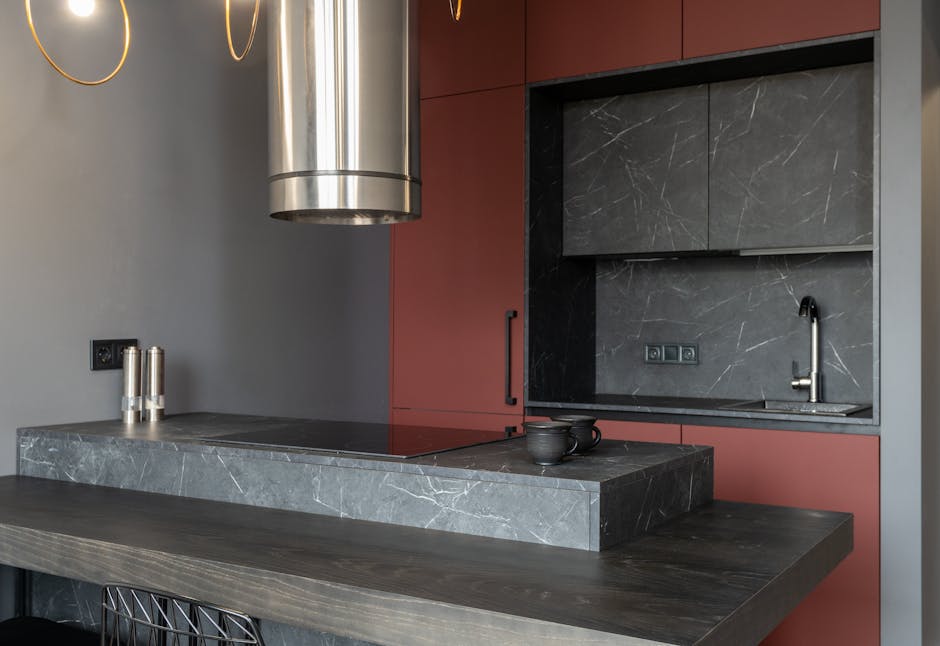
Natural stone tiles like granite, marble, and slate offer a timeless appeal. These materials bring a unique texture and depth to your kitchen, creating an elegant atmosphere. Each stone has its own distinct characteristics, so you can choose one that aligns with your design vision. Granite tiles are known for their durability and resistance to scratches. They provide a sleek, polished look that can elevate any kitchen design. Marble tiles exude luxury and sophistication, but they require extra care to avoid stains and etching. Slate tiles, with their earthy tones, offer a rustic charm. They are incredibly durable and slip-resistant, making them practical for kitchens. However, natural stone requires regular sealing to maintain its beauty and longevity. Do you want your kitchen to have that earthy, grounded feel, or are you drawn to sleek and shiny surfaces? Weigh the pros and cons of each stone type and consider the maintenance they require. Remember, your choice will not only impact the look but also the upkeep of your kitchen. Choosing the right materials for your kitchen tiles is a pivotal decision. It's about finding the balance between beauty and functionality. So, what does your dream kitchen look like?
Color Palette Selection
Choosing the right color palette sets the tone for kitchen tile design. Opt for colors that complement cabinetry and countertops. Balance light and dark shades to create a welcoming space.
Choosing the right color palette for kitchen tiles is crucial. It sets the mood and enhances the overall design. The kitchen is a space where you spend a lot of time. Picking colors that reflect your personality is important. Let’s explore the options.
Neutral Shades
Neutral shades offer timeless elegance. They create a calm and serene atmosphere. Gray, beige, and white are popular choices. They blend well with various kitchen styles. Minimalist and modern kitchens benefit from neutral tones. These shades are versatile and match almost any decor. Neutral colors make small kitchens appear larger. They reflect light and brighten the space. Easy on the eyes, neutral tiles provide a clean look.
Bold And Vibrant Colors
Bold colors add character and energy. They make the kitchen lively and vibrant. Bright hues like red, blue, and yellow stand out. They become focal points and draw attention. Perfect for adventurous designs. Vibrant tiles can create a unique and personal space. They complement eclectic and artistic styles. Bold colors work well in large kitchens. They fill the space with excitement and warmth. Such colors express creativity and make cooking enjoyable.
Tile Patterns And Layouts
Choosing the right tile patterns and layouts transforms your kitchen's look. It adds personality and style. Each pattern creates a unique vibe. From sleek modern to cozy traditional, patterns convey different moods. Consider your kitchen's overall theme. Align the tile pattern with your vision.
Classic Subway Style
The classic subway style is timeless. It features rectangular tiles arranged in a brick pattern. This layout is simple yet elegant. It suits both modern and traditional kitchens. White subway tiles create a clean look. They are easy to maintain. Pair them with contrasting grout for added drama.
Herringbone Design
The herringbone design adds visual interest. It involves laying tiles at a 45-degree angle. This creates a zigzag pattern. It's perfect for backsplashes or small areas. The herringbone design makes spaces feel dynamic. Use neutral tiles for subtlety. Choose bold colors for a striking effect.
Incorporating Decorative Elements
Incorporating decorative elements in kitchen tile design adds character and flair. It transforms an ordinary kitchen into a visually appealing space. Thoughtfully chosen decorative tiles can highlight areas and create focal points. These elements express personal style and enhance kitchen aesthetics. Let's explore how accent tiles and mosaic creations can elevate your kitchen design.
Accent Tiles
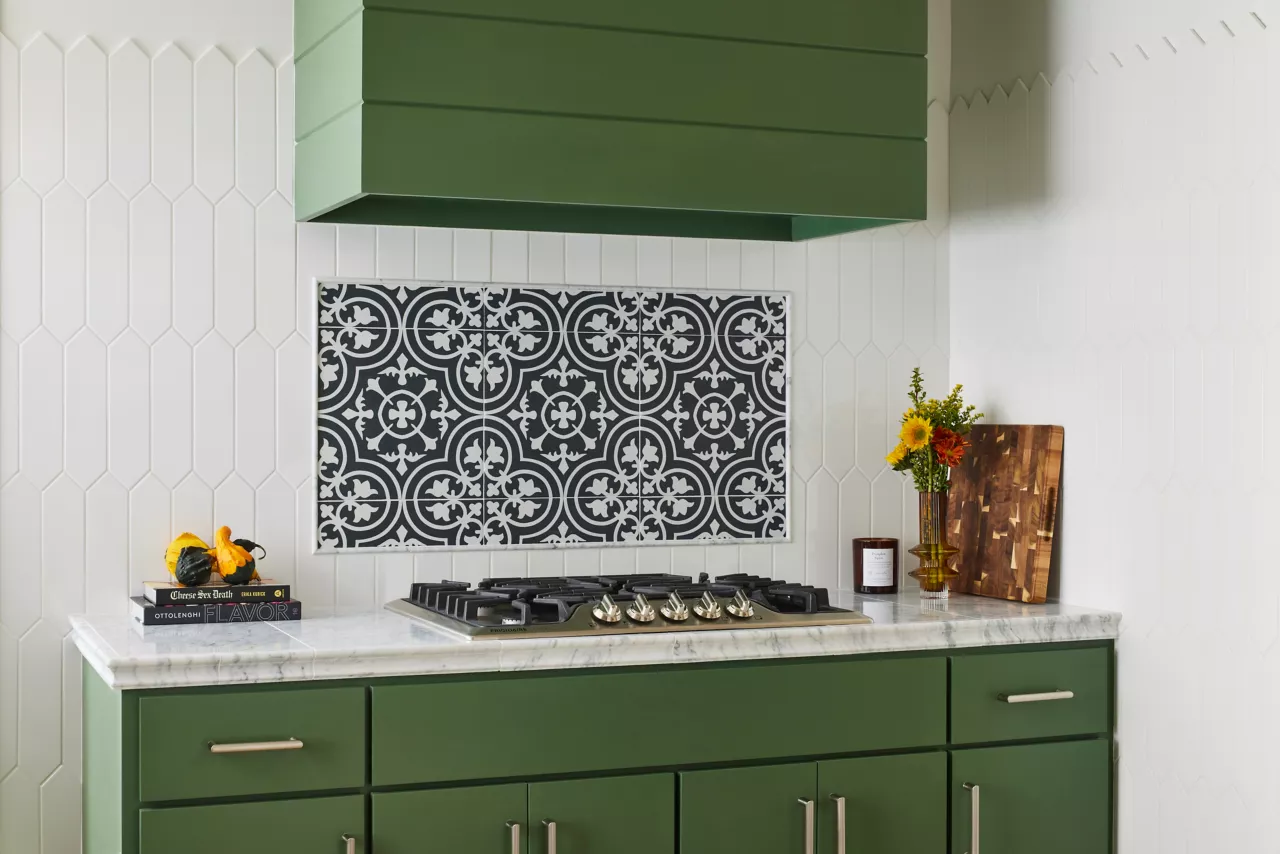
Accent tiles bring color and interest to kitchen walls. Use them sparingly to highlight specific areas like a backsplash or a cooking zone. They can be bold or subtle, depending on your style. Choosing the right accent tile can complement your kitchen's overall design. Consider the color and pattern that best suits your space. Accent tiles can make a small area stand out effortlessly.
Mosaic Creations
Mosaic tiles offer endless design possibilities in the kitchen. They combine different colors and materials for a unique look. Use mosaics to create stunning backsplashes or countertop borders. Small tiles in various shapes form intricate patterns. This creates a dynamic visual effect. Mosaics add texture and depth to kitchen surfaces. They are ideal for those seeking a creative touch. Choose colors that match your kitchen's theme for harmony. Mosaics can turn a simple kitchen into a work of art.
Practical Considerations
Consider the color scheme and style of your kitchen. Choose tiles that complement the overall design. Balance functionality with aesthetics by selecting durable, easy-to-clean materials.
When designing kitchen tiles, consider practical factors that impact daily life. Functionality matters as much as style. Thoughtful choices ensure a beautiful, long-lasting kitchen.
Maintenance And Durability
Consider how often you clean your kitchen. Tiles that resist stains and scratches save time. Glazed ceramic tiles offer easy cleaning. They resist stains and are durable. Porcelain tiles are another strong choice. They withstand heavy foot traffic and spills. Natural stone tiles need more care. They must be sealed to prevent stains. Choose tiles that suit your cleaning routine and lifestyle.
Budget-friendly Options
Tile costs vary widely. Ceramic tiles are affordable and versatile. They come in many colors and patterns. Porcelain tiles are slightly costlier but offer more durability. Consider vinyl tiles for a budget option. They mimic the look of more expensive materials. DIY installation can reduce costs. With careful planning, you can design a stunning kitchen on a budget.
Credit: www.tileshop.com
Diy Installation Tips
Create a stunning kitchen by designing tiles with creativity and precision. Choose colors that complement your space for a cohesive look. Ensure tiles are level and spaced evenly for a professional finish.
Are you ready to transform your kitchen with a stunning tile design? DIY installation can be a rewarding experience, offering both cost savings and a personalized touch. The key is to focus on the details and take one step at a time. Before you dive into the process, it's crucial to equip yourself with the right techniques and tips to ensure your tiles look professional.
Preparing The Surface
The success of your tile installation largely depends on how well you prepare the surface. Start by cleaning the area thoroughly. Remove any grease, dirt, or debris. A clean surface ensures your tiles will adhere properly. Next, check for any uneven spots. Use a leveling compound if necessary to create a flat surface. This step is vital to prevent your tiles from cracking or shifting later. Finally, measure your space accurately. This helps you plan the layout and minimizes waste. Having your measurements precise will save you headaches down the line.
Grouting Techniques
Grouting might seem like a minor detail, but it's the finishing touch that brings your tile design together. Choose the right grout color to complement your tiles. A contrasting color can highlight patterns, while a matching color provides a seamless look. Mix your grout to the consistency of peanut butter. Too thick or too runny, and you'll face problems with application. Use a grout float to spread it evenly across the tiles, pressing it into the gaps. As you work, remember to wipe away excess grout with a damp sponge. This prevents it from hardening on the tile surface. A clean finish makes all the difference in achieving that polished look. Have you ever tackled a DIY project that seemed daunting at first, but was so rewarding in the end? Tile installation is one of those projects. With careful preparation and attention to detail, you can create a stunning kitchen that's both functional and beautiful. Are you ready to start your tile journey?
Professional Design Advice
Designing kitchen tiles requires more than just choosing colors. It demands a thoughtful approach. The right design can transform your kitchen into a vibrant space. To achieve this, professional advice can be invaluable. Experts can guide you through the design process. They offer insights that you might overlook.
Consulting With Experts
Consulting with design experts can make a significant difference. They understand the latest trends in tile design. Experts can suggest materials that suit your kitchen's style. They can help you choose tiles that match your kitchen's theme. Professional input ensures your design remains timeless.
Experts also provide practical advice on tile durability. They can recommend tiles that withstand daily kitchen activities. This ensures your tiles look great for years.
Avoiding Common Mistakes
Common mistakes in tile design can be costly. One mistake is choosing tiles that do not match. This can make your kitchen appear disjointed. Another common error is ignoring tile size. Large tiles can overwhelm a small kitchen space.
Overlooking grout color can also impact the design. Grout color should complement the tiles, not clash with them. An expert can help you avoid these pitfalls. Their guidance ensures a cohesive and appealing design.

Credit: www.interiorcompany.com
Frequently Asked Questions
What Are Popular Kitchen Tile Designs?
Popular kitchen tile designs include subway tiles, mosaic patterns, and geometric shapes. Subway tiles offer a classic look, while mosaic patterns add color and texture. Geometric shapes provide a modern, stylish aesthetic. Each design can complement different kitchen styles, enhancing the overall visual appeal of the space.
How Do I Choose Kitchen Tile Colors?
Choose kitchen tile colors by considering the overall kitchen theme and personal preference. Light colors can make a space feel larger and airy, while dark colors add sophistication. Consider the existing palette, including cabinets and countertops, to ensure a cohesive look.
Always opt for colors that enhance your kitchen's ambiance.
Are Ceramic Tiles Suitable For Kitchens?
Ceramic tiles are an excellent choice for kitchens. They are durable, easy to clean, and available in various designs. Ceramic tiles resist moisture, making them ideal for kitchen environments. Their versatility allows for creative designs, fitting any kitchen style. Always ensure proper installation to maximize their benefits.
How To Maintain Kitchen Tiles?
Maintain kitchen tiles by regularly cleaning with mild detergent and water. Avoid abrasive cleaners that might damage the surface. Check grout lines for stains and reseal them if necessary. Address spills immediately to prevent staining. Regular maintenance helps keep tiles looking new and prolongs their lifespan.
Conclusion
Designing kitchen tiles can transform your space. Choose colors that fit your style. Consider the size and layout of your kitchen. Smaller tiles can make the space feel larger. Larger tiles can add a modern touch. Think about the texture.
Smooth tiles are easy to clean. Textured tiles add depth. Mix patterns for a unique look. Balance is key. Too many patterns can overwhelm. Simple designs can be elegant. Don't rush the process. Take your time to find what you love.
Personal touches make the kitchen feel like home. Enjoy the creative journey.