Designing your kitchen is not just about choosing cabinets and countertops; it's about creating a space that reflects your lifestyle and meets your daily needs. Picture this: a kitchen that seamlessly combines functionality with style, where every meal becomes a joyful experience.
Do you often find yourself dreaming about such a space but unsure where to start? You're not alone. Many people feel overwhelmed by the endless choices and decisions involved in kitchen design. But what if I told you there's a way to simplify the process and make it enjoyable?
Imagine walking into your kitchen and feeling a sense of calm and satisfaction because everything is exactly where it should be. This article will guide you step-by-step, helping you transform your kitchen into a place of efficiency and beauty, tailored just for you. So, are you ready to discover the secrets to designing your perfect kitchen? Keep reading, and let's turn that dream into reality.
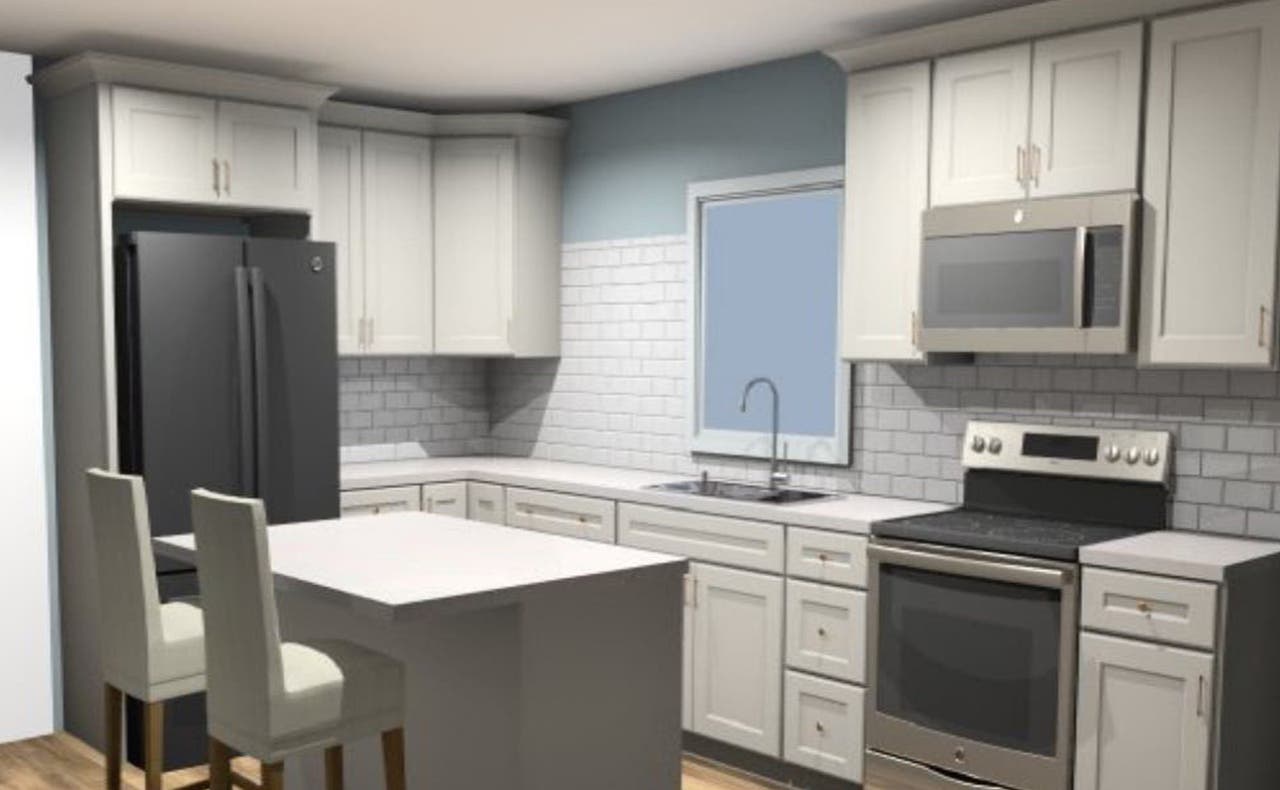
Credit: www.cabinets.com
Layout Planning
Creating a functional kitchen starts with smart layout planning. Arrange appliances for easy access and efficient workflow. Consider storage needs and optimize space with cabinets and shelves.
Designing a kitchen is more than just picking out cabinets and countertops. One of the most crucial elements to consider is layout planning. This step can transform your kitchen from a mere cooking space to a hub of efficiency and style. Whether you're dreaming of a sleek modern design or a cozy country kitchen, understanding how to plan your layout effectively can make all the difference. Let's dive into some key considerations that will help you create a kitchen that works for you and your lifestyle.
Work Triangle Concept
The work triangle concept is a classic approach to kitchen design. It refers to the ideal placement of the sink, stove, and refrigerator. These three points should form a triangle to ensure smooth workflow. Imagine standing at your sink rinsing vegetables, with just a pivot you can reach your stove to start cooking. Then, with a few steps, you grab ingredients from your fridge. This seamless movement saves time and effort. However, your kitchen's shape might challenge this concept. If you're working with a galley kitchen, think about how you can still keep these elements close to maximize efficiency.
Efficient Space Utilization
Efficient space utilization is about making the most of what you have. Every inch of your kitchen should serve a purpose. Consider vertical storage solutions like tall cabinets or hanging racks. Do you often find yourself searching for spice jars or pans? Incorporate pull-out shelves or lazy Susans to keep items accessible. Think about your daily routine. Do you need a breakfast bar or a coffee station? Tailor the layout to fit your specific needs and habits.
Open Vs. Closed Layouts
Choosing between an open and closed layout depends on your lifestyle and preferences. An open layout creates a spacious feel and allows for easy interaction with family and guests. It's perfect for those who love entertaining while cooking. On the other hand, a closed layout offers more privacy and can hide kitchen messes. If you value quiet time or have a busy family, this might be your best bet. Which layout resonates with you? Picture your daily activities and choose a design that complements them.
:strip_icc()/white-kitchen-counter-dark-cabinets-64c40172-552b94aa21f840e0aebb42586b88a948.jpg)
Credit: www.bhg.com
Color Schemes
Designing your kitchen involves many decisions, and color schemes play a big role. Colors can transform the space, setting the mood and highlighting features. Choosing the right palette can make your kitchen feel cozy, vibrant, or modern.
Neutral Tones
Neutral tones like beige, white, and gray offer timeless appeal. They create a calm and spacious atmosphere. These colors work well with any style, from traditional to contemporary. Neutral shades can also make smaller kitchens appear larger.
Using neutral colors gives you flexibility. They serve as a perfect backdrop for colorful accents. You can easily change the look of your kitchen by updating accessories. Neutral tones provide a clean canvas for creativity.
Bold Accents
Bold accents can add character to your kitchen. Consider vibrant colors like red, blue, or green for a lively touch. These accents can be applied to cabinets, walls, or even appliances.
Bold colors make a statement and draw attention. They can highlight specific areas or features. A splash of color can turn a basic kitchen into an exciting space. Mixing bold accents with neutral tones achieves a balanced look.
Two-tone Combinations
Two-tone combinations offer a unique and stylish approach. Pairing different colors can create depth and interest. For example, dark lower cabinets with light upper cabinets bring contrast.
This method allows personalization. You can mix and match colors to suit your taste. Two-tone schemes can also define zones in open-plan kitchens. Experimenting with shades can make your kitchen uniquely yours.
Material Selection
Choosing the right materials is key to designing your kitchen. Wood, stone, and stainless steel offer durability and style. Consider their maintenance needs and how they blend with your kitchen's theme.
Designing your kitchen is an exciting journey, and one of the most crucial aspects is material selection. The materials you choose not only affect the aesthetics but also the functionality and longevity of your kitchen. As you explore various options, consider durability, maintenance, and style to create a kitchen that suits your needs and taste.
Durable Countertops
When choosing countertops, think about how much wear and tear they will endure. Granite and quartz are popular for their durability and resistance to scratches and heat. If you enjoy cooking or have a busy household, these materials might be ideal. Laminate countertops offer a budget-friendly option with a wide range of colors and patterns. They may not be as durable as stone, but they are easy to clean and replace if needed. Reflect on your cooking habits and cleaning preferences to guide your choice. Have you considered the tactile experience? Touch the materials at a showroom to get a sense of their texture. A smooth, cool surface might appeal more in a modern kitchen, while a slightly textured one can add warmth to a rustic space.
Cabinet Finishes
Cabinet finishes can dramatically alter the look of your kitchen. Solid wood cabinets are classic and durable, offering a timeless appeal that can be refinished if needed. However, they may require more maintenance to keep them looking new. Painted cabinets provide a versatile option, allowing you to change colors as trends evolve. They can brighten a small kitchen or add a pop of color in a neutral space. Consider how often you like to refresh your space when deciding on a finish. For a low-maintenance choice, think about laminate or thermofoil finishes. These are easy to clean and resistant to moisture, making them perfect for busy families. Which finish aligns with your lifestyle and commitment to upkeep?
Flooring Options
The kitchen floor sets the foundation for the entire room's design. Hardwood floors bring warmth and a natural feel, but they may need extra care in high-traffic areas. If you love the look of wood but want something more durable, engineered wood or laminate might be suitable. Tile flooring is known for its durability and comes in various styles, from sleek modern to charming vintage. It's easy to clean and perfect for homes with pets. Do you need a floor that can withstand spills and heavy foot traffic? Vinyl flooring offers a budget-friendly and resilient option with a wide variety of designs. It's softer underfoot and can be more comfortable during long cooking sessions. Think about how often you stand in your kitchen and choose a material that provides comfort as well as style. In designing your kitchen, material selection is about balancing aesthetics with practicality. With the right choices, you can create a kitchen that's not only beautiful but also a joy to use every day. What materials will best fit your lifestyle and design dreams?
Lighting Solutions
Lighting plays a crucial role in kitchen design. The right lighting transforms the space, enhancing both functionality and aesthetics. It creates a warm, welcoming atmosphere. Each type of lighting serves a specific purpose in your kitchen.
Ambient Lighting
Ambient lighting provides general illumination. It covers the entire space evenly. Ceiling fixtures like chandeliers or pendant lights work well. They ensure the kitchen is bright and welcoming. Soft, diffused light prevents harsh shadows.
Task Lighting
Task lighting focuses on specific areas. It aids in activities like chopping or reading recipes. Under-cabinet lights are a popular choice. They illuminate countertops efficiently. Direct, bright light ensures safety and precision.
Accent Lighting
Accent lighting highlights specific features. It adds depth and dimension to the kitchen. Use it to showcase artwork or architectural details. Recessed lights or track lighting work well. They create a focal point and add interest.
Storage Optimization
Optimizing storage is crucial in creating a functional kitchen. It involves using every inch of space effectively. This helps in maintaining an organized and clutter-free environment. Whether you have a small kitchen or a large one, smart storage solutions can make a big difference. Let's explore some effective strategies for storage optimization.
Cabinet Innovations
Cabinets play a vital role in kitchen storage. Consider installing pull-out shelves. They provide easy access to items at the back. Lazy Susans can maximize corner cabinet space. Use drawer dividers for utensils and cutlery. This keeps everything in place and easy to find. Glass-front cabinets can showcase beautiful dishware, adding charm to your kitchen.
Pantry Organization
A well-organized pantry can save time and reduce stress. Group items by category for easy access. Use clear containers to store grains and snacks. This keeps them fresh and visible. Labeling jars and boxes helps you find items quickly. Install a spice rack on the pantry door. It saves shelf space and keeps spices within reach.
Utilizing Vertical Space
Don't overlook the potential of vertical space. Use tall cabinets to store seldom-used items. Install hooks or racks for pots and pans. This clears counter space and keeps essentials handy. A pegboard can be a creative solution for hanging tools and gadgets. Shelves above the sink or windows can hold plants or decorative items. This adds personality and life to your kitchen.
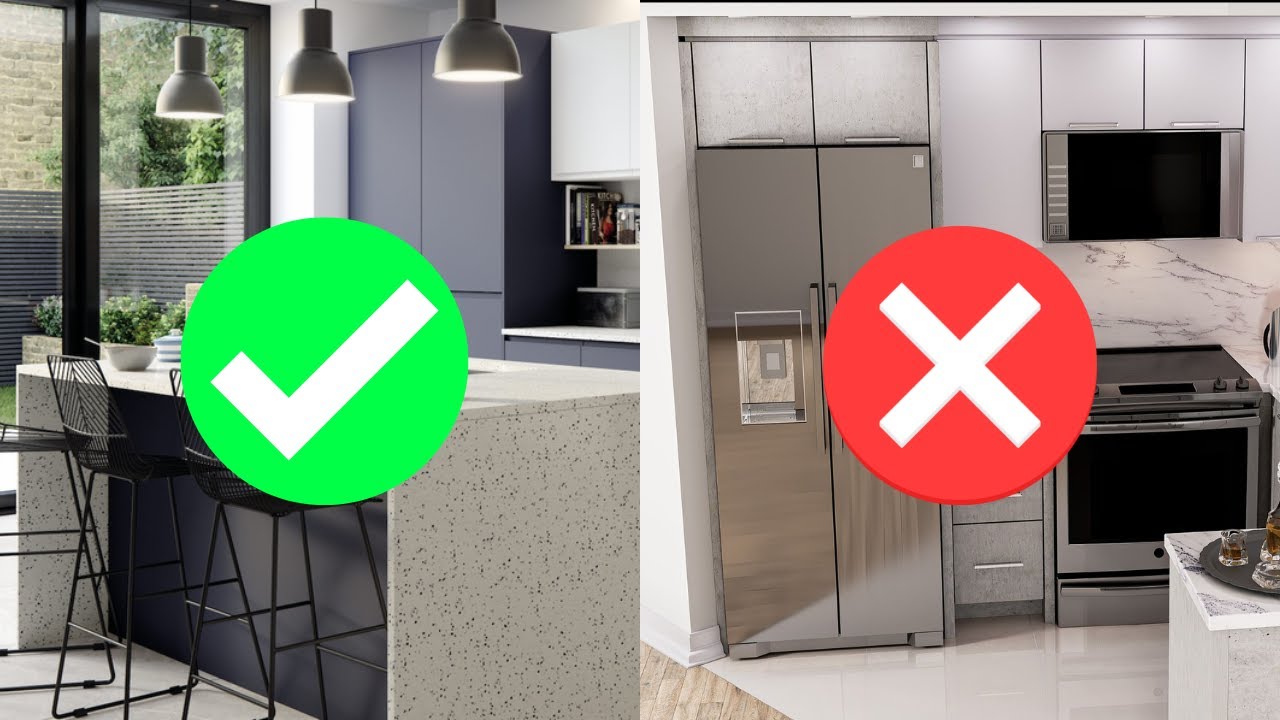
Credit: www.youtube.com
Appliance Integration
Integrating appliances into your kitchen design can transform the space. It enhances functionality and creates a sleek, modern look. Proper integration ensures your kitchen remains efficient and aesthetically pleasing. Let's explore some key aspects of appliance integration.
Built-in Appliances
Built-in appliances provide a seamless appearance in any kitchen. They fit snugly within cabinets, offering a clean look. This design choice maximizes space and minimizes clutter. Consider built-in ovens, microwaves, and dishwashers for a uniform style. They blend well with custom cabinetry, creating a cohesive design.
Energy-efficient Options
Energy-efficient appliances reduce your utility bills significantly. They contribute to a sustainable lifestyle. Look for appliances with an Energy Star rating. These appliances consume less electricity and water. Choose fridges, dishwashers, and ovens that are energy-efficient. They help you save money and protect the environment.
Smart Technology
Smart appliances bring convenience to your kitchen. They connect to your smartphone or voice assistants. You can control them remotely, even when not at home. Smart fridges can monitor food expiration dates. Smart ovens can preheat before you arrive. These technologies enhance the ease of cooking and food management.
Decor And Accessories
Designing a kitchen involves more than just choosing cabinets and appliances. The decor and accessories you select can transform the space's ambiance. These elements add personality, functionality, and style. They make the kitchen a place you love to spend time in. From backsplashes to decorative hardware, each choice impacts the overall look.
Choosing Backsplashes
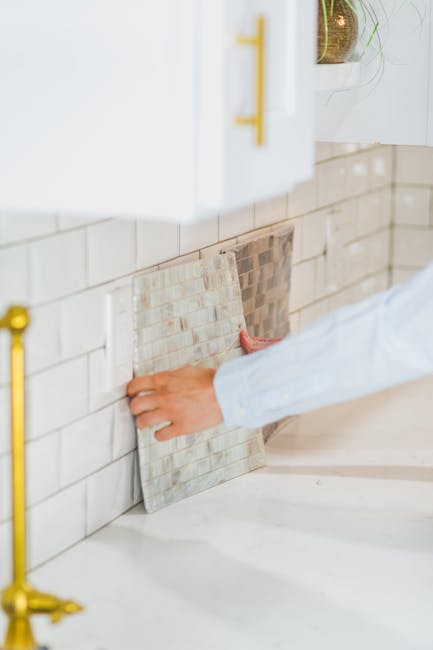
Backsplashes are an essential part of kitchen decor. They protect walls from spills and stains. But they also add color and texture. Glass, tile, or stone backsplashes offer different vibes. Consider colors that complement your cabinets. Or opt for bold patterns to create a focal point. Easy-to-clean materials keep maintenance simple.
Decorative Hardware
Hardware like knobs and pulls enhance cabinet appeal. Choose finishes that match your kitchen's style. Brass, chrome, and matte black are popular options. They add elegance or a modern touch. The shapes of the hardware can impact the kitchen's feel. Sleek lines bring a contemporary vibe. Ornate designs add a classic touch.
Personalizing With Art
Art adds personal flair to your kitchen. Choose pieces that reflect your taste. Prints, paintings, or sculptures can make the space unique. Consider themes that match the kitchen's color scheme. You can hang art above counters or near dining areas. Art in the kitchen makes it feel inviting and warm.
Sustainability Considerations
Designing a kitchen with sustainability in mind is crucial today. It supports environmental health and can save you money. Sustainable choices can enhance the beauty and functionality of your kitchen. Explore options that reduce your carbon footprint. Consider materials, water use, and waste solutions. Let’s dive into these important aspects.
Eco-friendly Materials
Eco-friendly materials are key in sustainable kitchen design. Choose cabinets made from bamboo or reclaimed wood. These options are renewable and stylish. Countertops can be made from recycled glass or concrete. Both are durable and sustainable. For flooring, consider cork or linoleum. They are natural and biodegradable.
Water-saving Fixtures
Water-saving fixtures help reduce water consumption. Install low-flow faucets and aerators. They maintain performance while using less water. Consider dual-flush toilets for the kitchen area. They offer two flush options to save water. A water-efficient dishwasher is also a great choice. It uses less water per cycle.
Waste Management Solutions
Effective waste management is vital for a sustainable kitchen. Set up a recycling station to sort materials. Composting bins help reduce food waste. They turn scraps into nutrient-rich soil. Choose appliances with energy-efficient ratings. They consume less power and reduce waste. Install a waste disposal unit for convenience.
Frequently Asked Questions
What Are Kitchen Design Essentials?
Kitchen design essentials include layout, lighting, storage, and appliances. Prioritize functionality by ensuring easy access to frequently used items. Incorporate efficient lighting to enhance visibility. Optimize storage with cabinets, drawers, and shelves. Choose durable and energy-efficient appliances to complete your kitchen design.
How To Maximize Kitchen Space?
Maximize kitchen space by using vertical storage solutions and multi-functional furniture. Install wall-mounted shelves or cabinets to free up counter space. Consider pull-out pantry units and extendable tables. Use compact appliances and minimalist decor to create a spacious and airy kitchen environment.
What Are Popular Kitchen Design Trends?
Popular kitchen design trends include open shelving, smart appliances, and sustainable materials. Open shelving provides easy access and adds visual interest. Smart appliances offer convenience with advanced features. Sustainable materials, like recycled wood and eco-friendly countertops, contribute to a greener kitchen.
How To Choose Kitchen Color Schemes?
Choose kitchen color schemes by considering your style, lighting, and space size. Light colors create an airy feel, while dark hues add warmth. Neutral tones offer versatility. Combine colors with contrasting or complementary accents. Test samples in different lighting to find the perfect match.
Conclusion
Designing your kitchen can be a fun journey. Focus on what you need most. Choose colors and materials that match your style. Make sure storage is both smart and handy. Think about the lighting for a cozy feel. Arrange your appliances for easy access.
Keep the space open and inviting for family and guests. Small changes make a big difference. Personal touches add warmth and character. Enjoy the process and create a space you love. Your dream kitchen is within reach. Start today, and watch your vision come to life.