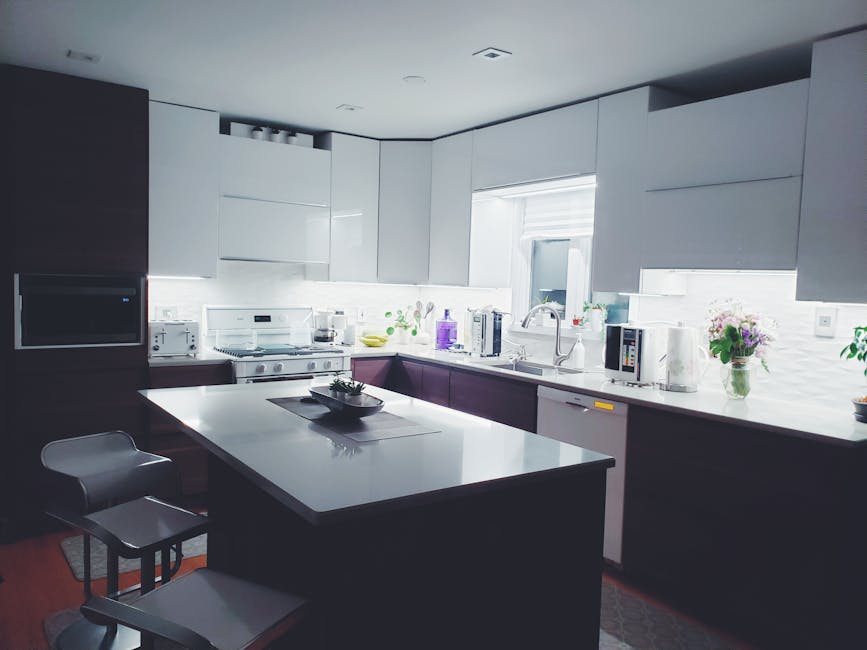

Imagine savoring a delicious meal under the open sky, surrounded by lush greenery, with the aroma of freshly grilled food wafting through the air. Designing your own outdoor kitchen can turn this dream into a reality.
Whether you're a culinary enthusiast or simply love hosting gatherings, creating an outdoor kitchen gives you the chance to blend functionality with the beauty of nature. With the right design, it becomes more than just a place to cook; it transforms into a haven for relaxation, entertainment, and making unforgettable memories.
You might be wondering where to start, how to make it uniquely yours, and what elements are essential for a perfect setup. Don't worry, this guide is here to help you every step of the way. Dive in and discover how you can craft a space that reflects your style and meets your needs, all while enhancing your outdoor living experience.
Choosing The Right Location
Selecting the perfect spot for your outdoor kitchen enhances functionality and ambiance. Consider proximity to utilities and shade. Ensure easy access from indoor areas to streamline meal preparation and entertaining.
Designing your own outdoor kitchen is an exciting endeavor, but choosing the right location is crucial to its success. Imagine enjoying a summer barbecue without having to run back inside for forgotten items. The right spot can enhance convenience and maximize your enjoyment. Let's delve into some practical tips to help you select the perfect location for your outdoor culinary haven.
Consider Proximity To Your Indoor Kitchen
Keeping your outdoor kitchen close to your indoor one can save time and energy. It makes transporting ingredients and cooking tools a breeze. I learned this the hard way when I placed my grill too far away, turning cooking into a marathon.
Evaluate Sunlight And Shade
Sunlight can be your best friend or worst enemy. A sunny spot can be great for a morning brunch but may cause discomfort during peak hours. Is there a natural shade or should you invest in a pergola or umbrella? Your comfort depends on this decision.
Think About Wind Direction
Wind can be quite a nuisance if not considered. Imagine smoke blowing right into your seating area. Opt for a location where the wind naturally carries smoke away from guests. This small detail can make a big difference in your cooking experience.
Access To Utilities
Check how close your location is to water, electricity, and gas lines. It’s more cost-effective and easier to set up utilities when they are nearby. I was surprised at how much smoother everything ran when I had easy access to these essentials.
Visual Appeal And Ambiance
Your outdoor kitchen should blend with your landscape and complement your style. Does the location offer a great view? A spot with appealing surroundings can turn a simple meal into a memorable experience.
Consider Traffic Flow
Think about how people will move around the space. Is there enough room for guests to mingle without bumping into the chef? A well-thought-out traffic flow prevents congestion and ensures a pleasant gathering. Choosing the right location for your outdoor kitchen can elevate your cooking and dining experience. What features matter most to you? By focusing on these practical insights, you can create a space that is both functional and enjoyable.
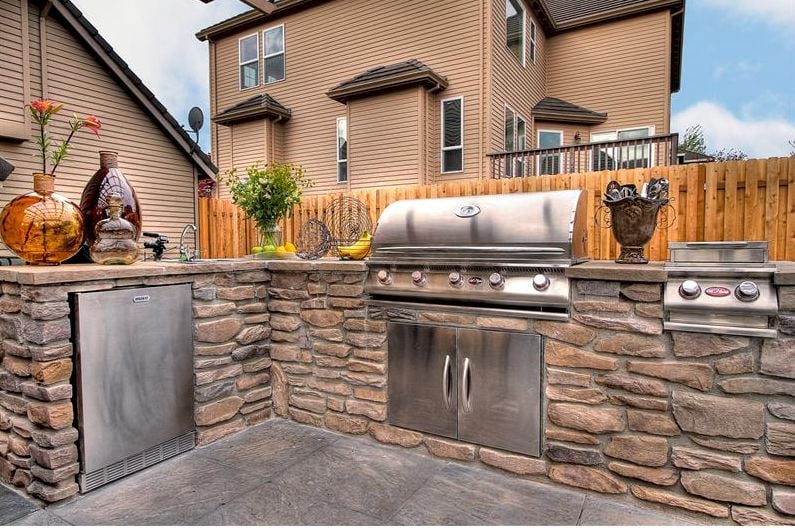
Credit: www.charlottemagazine.com
Selecting Durable Materials
Choosing the right materials is crucial for an outdoor kitchen. It ensures longevity and functionality. Durable materials stand up to harsh weather and frequent use. The right choice can make maintenance easier. It also enhances the aesthetic appeal of your outdoor space. Let's explore two key areas: countertops and flooring.
Weather-resistant Countertops
Countertops face constant exposure to the elements. Granite and stainless steel are excellent options. Granite resists heat and is easy to clean. Stainless steel is durable and sleek. Both materials withstand rain and sun. They require minimal upkeep and look stylish. Concrete is another choice. It offers a modern look and can be customized. But it needs sealing to prevent stains.
Long-lasting Flooring Options
Flooring in an outdoor kitchen should be tough. Consider materials like stone or tile. Natural stone offers a rustic charm. It's slip-resistant and easy to maintain. Porcelain tile is another strong option. It's durable and comes in various designs. Make sure the flooring is non-slip. This ensures safety during cooking and entertaining. Proper installation and sealing can extend its life.
Essential Appliances And Fixtures
Designing your own outdoor kitchen requires essential appliances and fixtures. Start with a grill for cooking delicious meals. Add a sink and countertop for easy prep and clean-up. Include storage cabinets for tools and utensils. Don't forget a refrigerator to keep drinks cold.
Enjoy your outdoor space fully!
Designing your own outdoor kitchen can be an exhilarating journey. One of the most crucial aspects to consider is the selection of essential appliances and fixtures. These elements define the functionality and convenience of your outdoor space. Whether you're hosting a summer barbecue or a cozy winter gathering, the right appliances can make all the difference. Let's explore some must-have components that will elevate your outdoor kitchen experience.
Grills And Cooking Stations
When choosing grills and cooking stations, think about what you cook most frequently. Are you a fan of slow-cooked ribs or quick seared steaks? A gas grill might be perfect for quick, easy meals, while a charcoal grill could be your go-to for smoky flavors. If you're adventurous, consider adding a pizza oven. Don't forget about the cooking station layout. You want easy access to all areas without crowding. A spacious counter near the grill can serve as a prep area, keeping utensils and ingredients within arm's reach. Reflect on your past outdoor cooking experiences. Was there a time when you wished for more counter space or a particular appliance?
Refrigeration And Storage
Refrigeration in an outdoor kitchen is more than just keeping your drinks cold. A compact outdoor fridge can store perishable items, ensuring freshness in your culinary creations. Consider a fridge with adjustable shelving for versatile storage options. Storage solutions are vital for keeping your outdoor kitchen organized. Cabinets and drawers should be durable to withstand weather changes. Think of them as your outdoor pantry. Wouldn't it be great to have everything you need at your fingertips without running inside for supplies? As you design, envision your ideal outdoor cooking space. What appliances and fixtures would make your gatherings more enjoyable? Remember, the perfect outdoor kitchen is tailored to your lifestyle.

Credit: rtaoutdoorliving.com
Creating A Functional Layout
Creating a functional layout is crucial for designing your outdoor kitchen. A well-planned layout ensures efficiency and ease of use. It helps you enjoy cooking and entertaining outdoors. Focus on defining work zones, and consider flow and accessibility. These elements make your outdoor kitchen both practical and inviting.
Efficient Work Zones
Divide your outdoor kitchen into distinct work zones. Each zone serves a specific purpose. The cooking zone includes the grill, stove, and oven. Keep utensils and spices nearby for easy access. The preparation zone should have a counter for chopping and mixing. Place a sink nearby for washing produce and hands.
Consider a serving zone for plating food and drinks. Provide seating for guests close to this area. A storage zone is essential for keeping tools and supplies. Use cabinets or shelves to organize items neatly. These zones improve workflow and reduce unnecessary movement.
Flow And Accessibility
Ensure smooth flow between different areas in your outdoor kitchen. Arrange elements for easy movement and minimal obstruction. Keep pathways clear and wide enough for safe passage. Consider the placement of appliances and furniture. Make sure there’s enough space to open doors and drawers fully.
Accessibility matters for everyone using the space. Ensure surfaces are at a comfortable height. Provide ample lighting for evening use. Consider the placement of electrical outlets for convenience. Good flow and accessibility enhance the overall experience in your outdoor kitchen.
Incorporating Seating And Dining Areas
Create a welcoming outdoor kitchen by adding seating and dining areas. Choose comfortable chairs and a sturdy table. Arrange them for easy conversation and access to the cooking space.
Designing your own outdoor kitchen is an exciting journey. A crucial part of this process is adding seating and dining areas. Not only do they enhance the functionality of your space, but they also create a welcoming environment for your family and friends. Imagine enjoying a sunny afternoon with loved ones, sharing laughter and delicious meals in your personalized outdoor oasis. Let's dive into some practical tips to make your outdoor kitchen the perfect gathering spot.
Comfortable Seating Options
Comfort is key when selecting seating for your outdoor kitchen. Consider weather-resistant materials like teak or aluminum that can withstand various climates. Cushions with removable covers can add an extra layer of comfort and are easy to clean. Think about the variety of seating arrangements you want. A mix of chairs, benches, and stools can cater to different preferences and occasions. Do you enjoy hosting large gatherings? Stackable chairs might be a space-saving solution.
Optimal Table Placement
The placement of your dining table affects the flow of your outdoor kitchen. Ensure it’s close enough to the cooking area for easy serving but not so close that it interrupts the chef's workspace. This balance allows guests to interact with the cook while maintaining a smooth traffic flow. Consider the natural elements. Position your table to take advantage of shade during hot days or near a fire pit for warmth on cooler nights. Do you have a stunning garden view? Arrange the table to make the most of your surroundings. Creating an outdoor kitchen that fits your lifestyle requires thoughtful planning. What seating arrangement will make your space feel welcoming? How will the placement of your table enhance your dining experience? By addressing these questions, you're on your way to designing an outdoor kitchen that not only serves your needs but also becomes the heart of your home.
Lighting And Ambiance
Creating the perfect outdoor kitchen involves more than just appliances and countertops. Lighting and ambiance play a crucial role in transforming your space. Proper lighting enhances safety and functionality. It also creates a warm and inviting atmosphere. Thoughtful lighting design elevates your cooking and entertaining experience.
Task Lighting Solutions
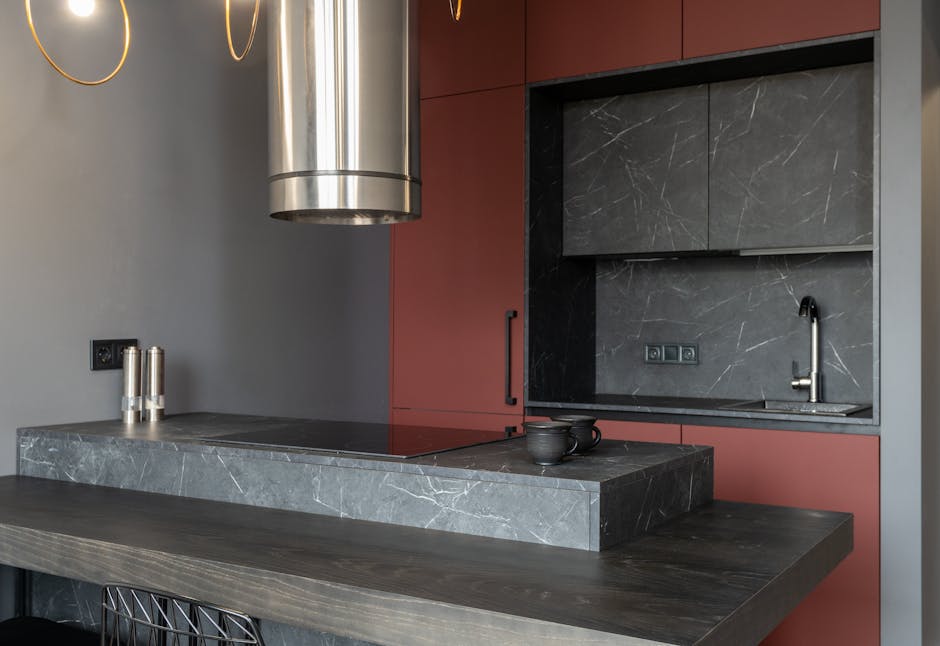
Task lighting ensures safe and efficient cooking. Install bright lights over cooking areas. Pendant lights above the grill offer focused illumination. Under-cabinet lights help with nighttime food prep. Consider adjustable fixtures for flexibility. Ensure lights are weather-resistant.
Ambient And Decorative Lights
Ambient lighting sets the mood for relaxation. Soft lights create a cozy atmosphere. String lights add charm and elegance. Solar-powered lights save energy. Lanterns offer a rustic touch. Choose colors that complement your outdoor decor. Decorative lights enhance visual appeal.
Adding Personal Touches
Designing an outdoor kitchen is more than just choosing appliances. Adding personal touches makes it truly yours. These elements reflect your style and personality. They transform your space into a welcoming retreat. Let’s explore how you can add these personal touches.
Decorative Elements
Decorative elements breathe life into any space. Consider using colorful tiles for a vibrant backsplash. String lights create a cozy, inviting atmosphere. Choose outdoor-friendly artwork or sculptures. These pieces can serve as conversation starters. Add plants for a touch of nature. Use planters that match your kitchen theme. Consider using different materials like stone or wood. They add texture and depth to your design.
Unique Features And Accessories
Unique features make your kitchen stand out. Install a pizza oven for fun cooking experiences. Add a built-in grill with a sleek design. Consider a mini-fridge to keep drinks cold. Accessories also play an important role. Use custom-made utensils for a personal touch. Add a stylish serving cart for easy access to essentials. Consider a fire pit for warmth and ambiance. Personalize your seating with colorful cushions. Choose weather-resistant fabrics for durability. These features and accessories create a unique, inviting space.
Budgeting And Planning
Designing an outdoor kitchen is an exciting project. It requires careful budgeting and planning. These steps ensure your dream kitchen becomes a reality. Begin by setting a realistic budget. Consider all potential expenses. This helps avoid overspending and keeps the project on track.
Cost-effective Choices
Choose affordable materials without sacrificing quality. Concrete counters are durable and budget-friendly. Opt for stainless steel appliances. They last longer and save money in the long run. Use recycled materials for eco-friendly options. Look for sales and discounts on kitchen equipment.
Timeline And Project Management
Set a clear timeline for your project. Break it down into phases. This helps manage tasks efficiently. Allocate time for each step. Ordering materials, installation, and inspections should be planned well. Keep track of progress regularly. Adjust the timeline as needed to stay on schedule.
Maintenance Tips
Designing your outdoor kitchen involves regular cleaning to keep it looking fresh. Inspect the appliances and countertops for any signs of wear. Keep the grill and stove well-covered to protect against weather elements.
Designing your own outdoor kitchen is an exciting venture, but keeping it in pristine condition requires some effort. Maintenance is essential to ensure your outdoor kitchen remains functional and beautiful throughout the seasons. Regular care not only extends the life of your investment but also ensures you enjoy every barbecue or family gathering without a hitch.
Cleaning And Care
Regular cleaning is the cornerstone of outdoor kitchen maintenance. Start by wiping down surfaces after each use with a damp cloth to prevent stains and bacteria buildup. If you have stainless steel appliances, use a gentle cleaner specifically designed for them to avoid scratches. Consider your countertops. Are they granite or tile? Each material needs different care. Granite, for instance, benefits from a sealant applied annually to keep it looking sleek and prevent damage from spills. Don’t forget the grill. Burn off excess food particles by turning the grill on high for 15 minutes after cooking, then scrub grates with a wire brush. This simple step keeps your grill ready for action and prevents flare-ups.
Seasonal Upkeep
With changing seasons, your outdoor kitchen needs some extra attention. In colder months, it’s wise to cover appliances and furniture to protect them from harsh weather. If freezing temperatures are common in your area, consider draining water lines to avoid bursts. Spring is the time for a thorough inspection. Check gas lines, clean out burners, and reseal countertops. This prep work ensures everything is ready for those sunny days when you’ll be outside the most. Summer brings its own challenges. Increased use means more frequent cleanings. Keep a schedule so tasks don’t pile up. Are you using outdoor lighting? Check bulbs and connections to maintain a festive atmosphere for evening gatherings. Have you ever found yourself scrambling to fix something just before guests arrive? A little foresight in your seasonal upkeep can save you that stress, ensuring your outdoor kitchen is always guest-ready. What’s your plan to keep your outdoor kitchen in top shape year-round?
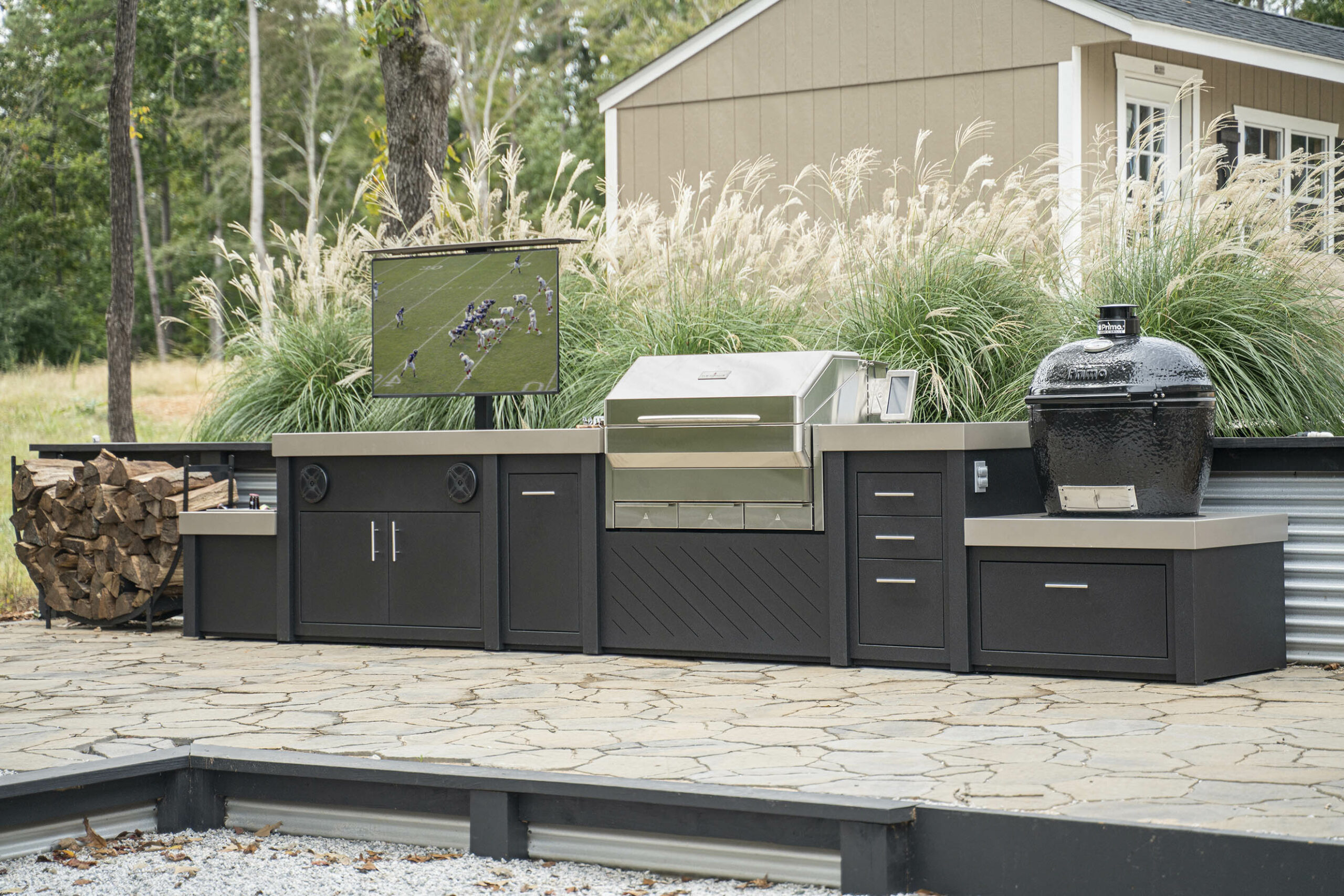
Credit: www.stollindustries.com
Frequently Asked Questions
What Materials Are Best For Outdoor Kitchens?
When designing an outdoor kitchen, opt for durable materials. Stainless steel, stone, and concrete are ideal choices. These materials withstand weather elements and are easy to maintain. They ensure your outdoor kitchen remains functional and stylish for years. Choose materials that complement your home’s exterior design for a cohesive look.
How Do I Plan My Outdoor Kitchen Layout?
Start by identifying your cooking and seating areas. Consider your available space and how you entertain. Ensure you have easy access to utilities like water and electricity. This helps create a functional and efficient layout. Design your layout to encourage easy movement and interaction among guests.
What Appliances Should I Include In My Design?
Include appliances that match your cooking style. Common choices are grills, refrigerators, and sinks. Consider adding a pizza oven or smoker for variety. Ensure appliances are weather-resistant and energy-efficient. This enhances your outdoor cooking experience and adds value to your kitchen.
How Can I Make My Outdoor Kitchen Eco-friendly?
Use sustainable materials like reclaimed wood or recycled metal. Install energy-efficient appliances to reduce electricity usage. Incorporate solar lighting to minimize environmental impact. An eco-friendly design reduces your carbon footprint while maintaining style. It also promotes a healthier outdoor environment.
Conclusion
Creating your outdoor kitchen can be a fun project. You get to decide everything. From the grill size to the seating area. Think about what you love to cook. And how you like to entertain guests. Designing lets you use your space wisely.
Use durable materials for long-lasting enjoyment. Keep the layout simple yet stylish. Make it your personal cooking paradise. Invite friends and family over. Enjoy delicious meals in your backyard. Start planning today. Turn your outdoor kitchen dreams into reality. Remember, it's about enjoying the outdoors with good food and company.