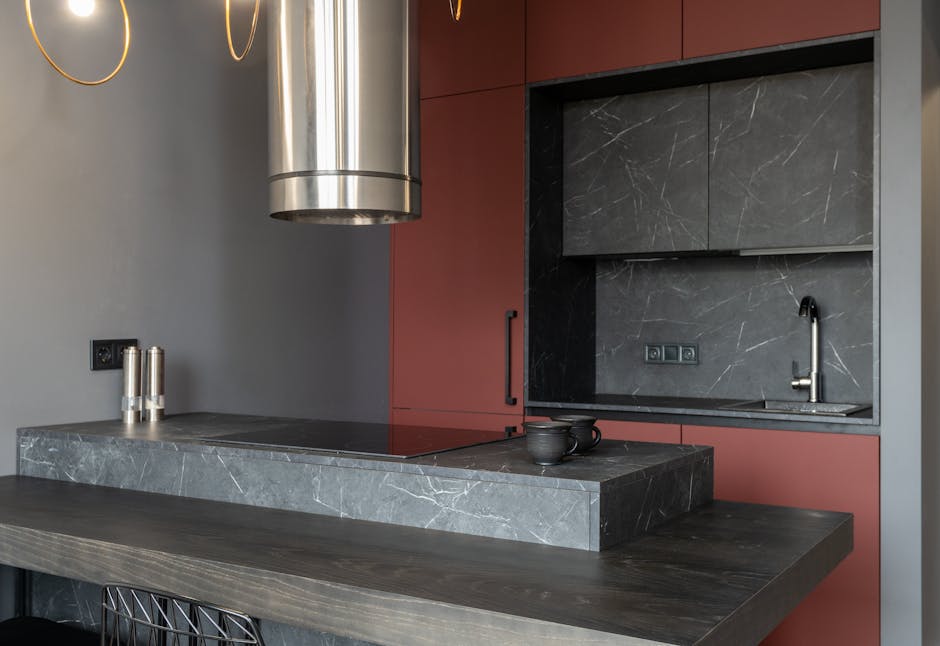

Are you struggling with designing a commercial kitchen ventilation system that keeps your space safe and efficient? Imagine walking into your kitchen and feeling the perfect balance of fresh air without the overpowering smells of cooking.
The right ventilation system can make this a reality, ensuring that your kitchen operates smoothly while keeping the air clean. But how do you achieve this? You'll discover the secrets to mastering commercial kitchen ventilation design. You'll learn how to create a system that not only meets industry standards but also enhances the overall experience for your staff and customers.
By the end of this read, you'll be equipped with the knowledge to transform your kitchen into a well-ventilated haven. Let's dive in and unlock the potential of your kitchen's ventilation design!
Essentials Of Commercial Kitchen Ventilation
Designing a commercial kitchen ventilation system is crucial for safety. Proper ventilation ensures air quality and removes harmful contaminants. Understanding the essentials helps you create an effective system.
Understanding Airflow
Airflow management is key in kitchen ventilation. It keeps the kitchen environment safe and comfortable. Consistent airflow removes heat and odors efficiently.
Choosing The Right Hood
The kitchen hood is vital. It captures smoke, grease, and steam. Choose a hood that fits your kitchen size and cooking needs.
Placement Of Exhaust Fans
Exhaust fans are crucial in ventilation systems. Proper placement ensures effective removal of air pollutants. Install them to maximize airflow efficiency.
Maintaining Ventilation Equipment
Regular maintenance keeps your ventilation system efficient. Clean hoods and ducts to prevent blockages. Replace filters to ensure air quality.
Compliance With Regulations
Follow local regulations for kitchen ventilation. Compliance ensures safety and avoids penalties. Check guidelines and standards regularly.
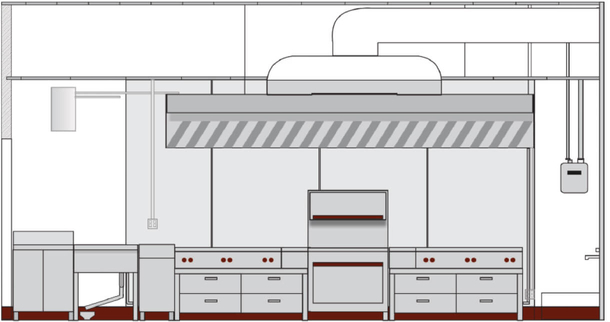
Credit: restaurantdesign360.com
Regulatory Requirements
Creating a safe commercial kitchen ventilation design requires meeting specific regulatory requirements. Consider airflow needs, equipment placement, and local building codes. Proper ventilation ensures a healthy environment by controlling heat, smoke, and odors efficiently.
Understanding regulatory requirements is crucial when designing a commercial kitchen ventilation system. Regulations ensure the safety and efficiency of your kitchen, protecting both staff and customers. Ignoring these can lead to fines or even shutdowns. Let's dive into what you need to know to comply with these essential standards.
Understanding Building Codes
Every region has specific building codes that dictate how a commercial kitchen should be designed. Familiarize yourself with local codes to ensure your design meets all structural and safety requirements. Consulting with a local expert or building inspector can save you time and hassle.
Fire Safety Standards
Fire safety is a top priority in commercial kitchens. Your ventilation system should include fire suppression features like sprinklers or chemical systems. This not only meets regulatory standards but also protects your investment and the people working in your kitchen.
Health Department Regulations
Health departments have strict guidelines to prevent food contamination. Your ventilation system must effectively remove smoke, grease, and odors. A well-designed system contributes to a cleaner environment, which is crucial during health inspections.
Environmental Considerations
Some areas enforce environmental regulations to reduce emissions. Incorporate filters and other technology to minimize your kitchen's environmental impact. This approach is not just about compliance; it also demonstrates your commitment to sustainability.
Energy Efficiency Requirements
Energy efficiency is becoming increasingly important. Many regions offer incentives for energy-efficient designs. Using energy-efficient equipment can lower operating costs and help your kitchen meet regulatory standards.
Personal Experience With Regulatory Challenges
Once, during a kitchen renovation project, I overlooked a minor ventilation code. The oversight delayed our opening by weeks. This taught me the importance of double-checking every detail. Have you ever faced a similar challenge? Ensuring compliance from the start can prevent costly mistakes. Remember, navigating regulatory requirements can be complex, but it's a crucial step in your kitchen's success. Take the time to understand these rules thoroughly and always seek professional advice when needed. Your diligence will pay off in a smoothly operating kitchen.
Types Of Ventilation Systems
Designing a commercial kitchen's ventilation system is crucial for safety and efficiency. Different types of ventilation systems offer various benefits. Choosing the right one can enhance air quality and protect equipment.
Exhaust Hoods
Exhaust hoods are vital in commercial kitchens. They capture smoke, steam, and grease. Various styles exist, such as wall-mounted or island hoods. Selecting the right size is essential. It ensures effective ventilation. Placement should maximize smoke extraction.
Makeup Air Units
Makeup air units balance air pressure. They replace the air that exhaust hoods remove. These units prevent negative pressure. They help maintain kitchen comfort. Proper sizing and installation are key. Without them, kitchen efficiency drops.
Ductwork Considerations
Ductwork connects hoods and makeup air units. It channels air out of the kitchen. Design impacts performance. Shorter ducts offer better airflow. Proper sealing prevents leaks. Choose materials that withstand heat and grease. Regular cleaning ensures optimal function.
Calculating Ventilation Needs
Designing commercial kitchen ventilation involves calculating airflow needs to ensure safety and efficiency. Proper ventilation removes smoke, heat, and odors, maintaining a comfortable environment. Engineers must consider kitchen size and equipment to determine the right ventilation system.
Calculating the ventilation needs in a commercial kitchen is crucial to maintaining a safe and efficient working environment. Ensuring proper airflow prevents the buildup of harmful smoke, grease, and heat, which can affect both the kitchen staff and the equipment. Without the right calculations, you could either over-ventilate, wasting energy and money, or under-ventilate, risking the health of your staff and damaging the kitchen environment.
Determining Airflow Rates
Start by considering the size of your kitchen and the type of cooking equipment you use. Different appliances generate varying amounts of heat and smoke, which directly affect the airflow rates needed. Do you have high-intensity grills or fryers that generate a lot of smoke? Ensure the ventilation can handle the maximum output during peak hours to maintain air quality. Use the manufacturer's specifications as a baseline, but always adjust based on your specific kitchen layout. Remember, what works for one kitchen may not work for another.
Assessing Heat And Smoke Load
Understanding the heat and smoke load is essential to design an efficient ventilation system. Consider the number and types of appliances as they dictate the volume of smoke and heat produced. Is your kitchen equipped with open burners or tandoors that produce excessive heat? Ensure that your ventilation system is robust enough to handle these loads, avoiding overheating in the kitchen. Regularly assess if any new equipment has been added and whether it affects the ventilation needs. You might find that your current system needs an upgrade to accommodate changes. Engage with your kitchen staff to understand their experience with the current ventilation. Do they feel the system is efficient, or do they notice areas where improvement is needed? This feedback can be invaluable for making informed decisions.
Selecting The Right Equipment
When designing a commercial kitchen ventilation system, selecting the right equipment is crucial. A well-designed system ensures efficient airflow, safety, and compliance with regulations. It's not just about picking the biggest fan or the most expensive hood; it's about understanding your kitchen's unique needs and finding equipment that fits those requirements perfectly.
Choosing Hood Types
Commercial kitchen hoods come in various types, each serving different purposes. Consider the type of cooking you do most often. Do you frequently use grills or fryers? A Type 1 hood might be ideal as it handles grease and smoke efficiently.
If your kitchen uses ovens or steamers, a Type 2 hood could be more suitable as it is designed for heat and moisture. Understanding the primary cooking activities in your kitchen will guide you in selecting the appropriate hood type.
Think about the space available. Wall-mounted hoods work well in smaller kitchens, while island hoods are perfect for larger spaces. Choose a hood that fits your kitchen's layout without compromising on functionality.
Selecting Fans And Blowers
Fans and blowers are the heart of your ventilation system. They ensure air moves effectively through the hoods, keeping your kitchen fresh and safe. Size matters. A fan that's too small won't handle the load, while an oversized one can be noisy and inefficient.
Consider the airflow rate required for your kitchen. Check fan specifications to match your kitchen’s needs. Variable speed fans offer flexibility, allowing you to adjust airflow based on cooking intensity.
Noise levels are important too. A quiet fan can make a huge difference in maintaining a comfortable working environment. Look for models designed for low noise, ensuring your kitchen is a pleasant place to work.
What equipment choices have you made in your kitchen that have made a noticeable difference? Share your experiences in the comments below!
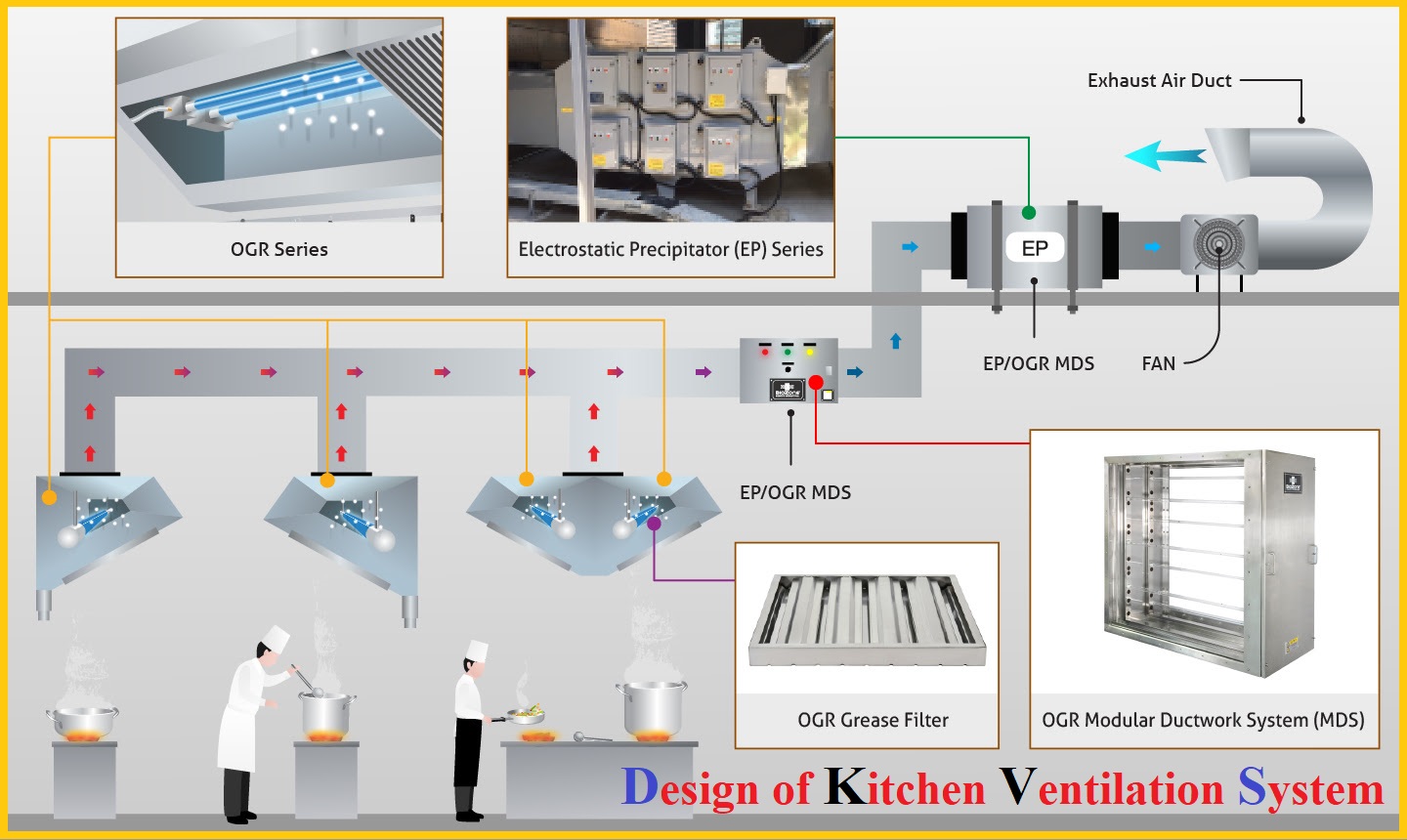
Credit: hvacsimplified.in
Energy Efficiency Tips
Energy efficiency is vital in commercial kitchen ventilation design. It saves costs and reduces environmental impact. Efficient systems improve air quality and comfort for kitchen staff. Implementing effective strategies enhances the overall kitchen environment.
Optimizing Airflow
Ensure balanced airflow throughout the kitchen. This minimizes energy waste. Install variable speed fans to adjust ventilation as needed. They adapt to changes in kitchen activity. Regular maintenance of ductwork prevents blockages. Clean ducts improve airflow efficiency. Proper sealing reduces air leaks and conserves energy.
Using Energy Recovery Systems
Energy recovery systems capture heat from exhaust air. They transfer it to incoming fresh air. This process reduces energy demand significantly. Install heat exchangers for efficient energy recovery. These systems lower heating and cooling costs. They also enhance indoor air quality. Ensure regular inspection for optimal performance. Efficient systems extend equipment lifespan and save money.
Installation Best Practices
Designing a commercial kitchen involves several crucial aspects. Ventilation installation stands out as a key factor. Proper ventilation ensures a safe and efficient cooking environment. Adhering to best practices during installation can prevent issues and enhance kitchen performance. Let's explore essential practices for effective commercial kitchen ventilation.
Proper Hood Placement
The hood plays a vital role in kitchen ventilation. Position the hood directly above cooking equipment. This ensures maximum capture of smoke and grease. The hood should extend beyond the cooking area. This allows effective capture of fumes. Ensure a proper height above the cooking surface. Too low or high can reduce efficiency. Regularly check and adjust the hood placement if needed.
Ensuring Effective Ductwork
Ductwork connects the hood to the exhaust system. It must be airtight and well-constructed. Straight and short duct runs perform best. Avoid sharp bends or long routes. These reduce airflow and efficiency. Use smooth metal ducts for optimal results. Insulate ducts to prevent condensation issues. Regularly inspect ducts for leaks or blockages.
Maintenance And Troubleshooting
Effective commercial kitchen ventilation design ensures clean air, reduces odors, and improves safety. Regular maintenance prevents breakdowns and keeps systems running efficiently. Troubleshooting identifies issues quickly, minimizing downtime and maintaining air quality.
Maintaining your commercial kitchen ventilation system is crucial for ensuring a safe and efficient cooking environment. Without proper maintenance, you risk facing costly repairs and potential health hazards. Troubleshooting common issues early on can save you both time and money. But how do you make sure your kitchen ventilation is always up to par? Let's dive into some practical maintenance tips and common issues you might encounter.
Regular Cleaning Schedules
A regular cleaning schedule is your first line of defense in keeping your ventilation system in optimal condition. Dust and grease can quickly accumulate, reducing efficiency and potentially leading to fire hazards. Consider setting a weekly cleaning routine. This might include wiping down vents and fans to remove visible grime. Monthly, you might want to schedule a deeper clean for areas that are harder to reach. I once skipped a cleaning and was horrified to see the amount of grease buildup. It took double the time to clean it. Trust me, sticking to a regular schedule saves hassle in the long run.
Identifying Common Issues
Knowing what issues to look for can help in troubleshooting problems before they escalate. Common problems include noisy fans, reduced airflow, and unusual odors. Each of these issues can be a sign that your system needs attention. Noise might indicate a mechanical problem or a buildup of debris. Reduced airflow often points to a blockage somewhere in the system. Meanwhile, unusual odors could mean grease is collecting in the ducts. Is your fan making strange noises? Don't ignore it. Investigate immediately to avoid further damage. Engage with your system regularly. Listen for changes, smell for odd scents, and observe airflow. Are there patterns or repeated issues? Recognizing these can prevent future headaches. By keeping your ventilation system clean and identifying issues early, you ensure a safer, more efficient kitchen environment. What steps are you taking to maintain your kitchen's ventilation? Could an overlooked issue be costing you more than you realize?
Future Trends In Kitchen Ventilation
Effective commercial kitchen ventilation design emphasizes energy efficiency and air quality. Modern systems focus on smart controls, optimizing airflow and reducing energy use. Embracing sustainable practices helps meet health standards while enhancing kitchen environments.
As technology continues to evolve, the landscape of commercial kitchen ventilation is also experiencing significant changes. These future trends promise to enhance efficiency, sustainability, and overall kitchen safety. Let's dive into what the future holds for kitchen ventilation design.
1. Smart Ventilation Systems
Imagine a kitchen where the ventilation system adjusts itself based on the cooking activity. Smart ventilation systems are making this a reality. They use sensors and AI to monitor air quality and automatically adjust the airflow to ensure optimal conditions. This means less energy waste and improved air quality without manual intervention.
2. Energy Efficiency Enhancements
Energy-efficient solutions are becoming a standard expectation rather than a luxury. Innovations like heat recovery systems are transforming how kitchens manage energy. These systems capture heat from the exhaust and use it to warm up incoming fresh air, reducing energy consumption significantly. Have you ever thought about how much energy you could save with such a system?
3. Sustainable And Eco-friendly Designs
Sustainability is no longer just a buzzword; it's a necessity. Modern ventilation designs focus on reducing the carbon footprint. Materials used in ductwork and hoods are increasingly recyclable and sourced sustainably. Does your current setup align with these eco-friendly goals?
4. Improved Air Quality Technologies
Ensuring that the air in your kitchen is fresh and clean is crucial for health and safety. Advanced air filtration technologies are emerging to tackle this. These systems efficiently remove grease, smoke, and odors, leaving the air quality high. How would improved air quality impact your kitchen environment?
5. Compact And Modular Designs
Space is often at a premium in commercial kitchens. Future designs focus on compact, modular systems that can fit seamlessly into any layout. This flexibility allows for easier upgrades and maintenance. Could modular designs offer the solution to your space constraints?
6. Increased Focus On Safety Features
Safety is paramount in any kitchen environment. Ventilation systems now include enhanced safety features like automated fire suppression and real-time monitoring. These systems provide peace of mind by ensuring that any potential hazards are quickly addressed. Are your kitchen safety measures up to date? By staying ahead of these trends, you can ensure your kitchen remains efficient, safe, and environmentally friendly. Consider how these innovations might fit into your future plans. What changes will you make to embrace the future of kitchen ventilation?
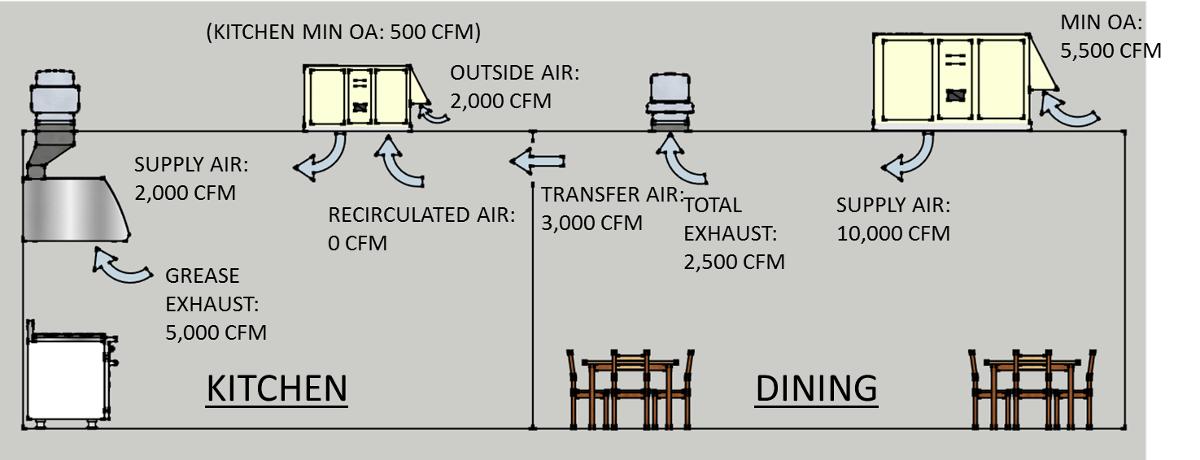
Credit: energycodeace.com
Frequently Asked Questions
What Is Commercial Kitchen Ventilation Design?
Commercial kitchen ventilation design involves planning systems to remove heat, smoke, and odors. Proper design ensures a safe and comfortable environment. It includes selecting the right hoods, fans, and ductwork. Effective ventilation helps maintain air quality and prevents equipment overheating.
Why Is Proper Kitchen Ventilation Important?
Proper kitchen ventilation removes smoke, grease, and odors, ensuring air quality. It prevents heat buildup, protecting equipment and staff. Good ventilation also reduces fire hazards and maintains a comfortable work environment. It is essential for complying with health and safety regulations.
How Do You Choose The Right Ventilation System?
Choosing the right system requires assessing kitchen size, equipment, and cooking methods. Consider the volume of smoke and heat produced. Select hoods, fans, and ductwork that match these needs. Consulting a professional can ensure optimal ventilation design.
What Are The Components Of A Ventilation System?
A commercial kitchen ventilation system includes hoods, exhaust fans, and ductwork. Hoods capture smoke and heat. Exhaust fans remove air contaminants. Ductwork channels air outside. Each component plays a vital role in maintaining a safe and efficient kitchen environment.
Conclusion
Designing commercial kitchen ventilation is crucial. Proper airflow ensures safety and comfort. It helps in maintaining air quality. A well-planned system reduces energy costs. It also prolongs equipment life. Start by assessing your kitchen layout. Choose the right fans and hoods.
Pay attention to duct placement. Regular maintenance keeps everything running smoothly. Consult experts for complex designs. A good ventilation system is vital for a productive kitchen environment. Aim for efficiency and reliability in your design. Your kitchen will benefit in the long run.
Keep these tips in mind when planning your kitchen.