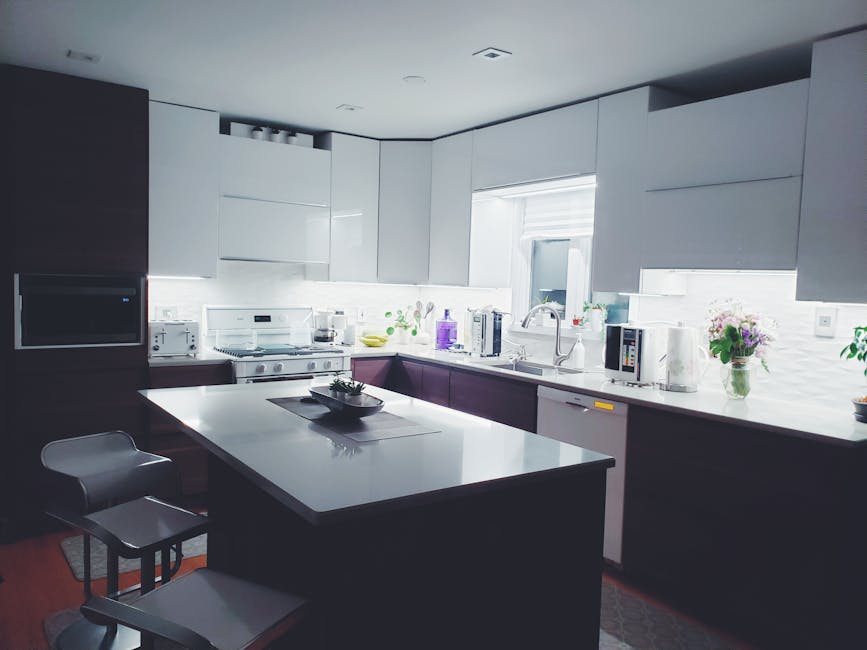
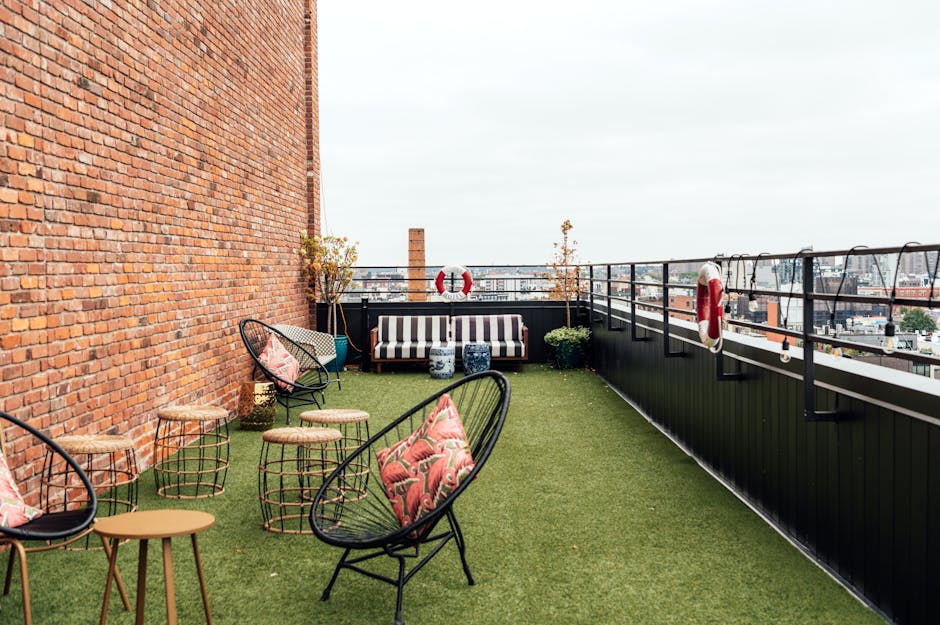
Imagine transforming your kitchen into a vibrant oasis that combines functionality with aesthetic appeal. You can achieve this by learning how to draw a landscape design for your kitchen seating area.
It's easier than you think, and you'll discover the joy of bringing your vision to life. With a few simple steps, you can create a space that not only serves your needs but also invites warmth and creativity into your home.
Have you ever felt that your kitchen seating area lacks character or purpose? You're not alone. Many people struggle to find the perfect balance between design and practicality. This guide will help you tackle this challenge head-on. By following our expert advice, you will unlock the potential of your kitchen seating area, making it a place where you and your loved ones want to spend time. You'll learn how to draw a landscape design that enhances the comfort and style of your seating area. We'll guide you through each step, showing you how to choose the right elements and arrange them harmoniously. As you read on, you'll discover tips and tricks that make the process enjoyable and rewarding. Dive into the world of landscape design and see your kitchen seating area flourish like never before.

Credit: www.nestoutdoors.com
Choosing The Right Location
Selecting the ideal spot is crucial for a landscape design kitchen seating area. Ensure the location offers ample natural light and convenient access to the kitchen. A cozy and sheltered area can enhance comfort and usability.
Choosing the right location for your kitchen seating area is crucial. It impacts both functionality and aesthetic appeal. A well-chosen spot can enhance your kitchen's flow and usability. It also adds to the overall ambiance of your home. Before deciding, consider several factors. These include space availability and natural light. Let's explore these considerations further.
Assessing Space Availability
First, evaluate your kitchen's layout. Measure available space accurately. Ensure there's enough room for seating without crowding. Think about movement. People need space to move comfortably around the seating area. Consider the number of seats you want. This will influence your space needs.
Considering Sunlight And Shade
Next, think about natural light. A bright area can enhance the seating experience. Sunlight can make the space warm and inviting. But too much sun can cause discomfort. Consider the sun's position throughout the day. Look for a balance between sunlight and shade. This ensures comfort for everyone.
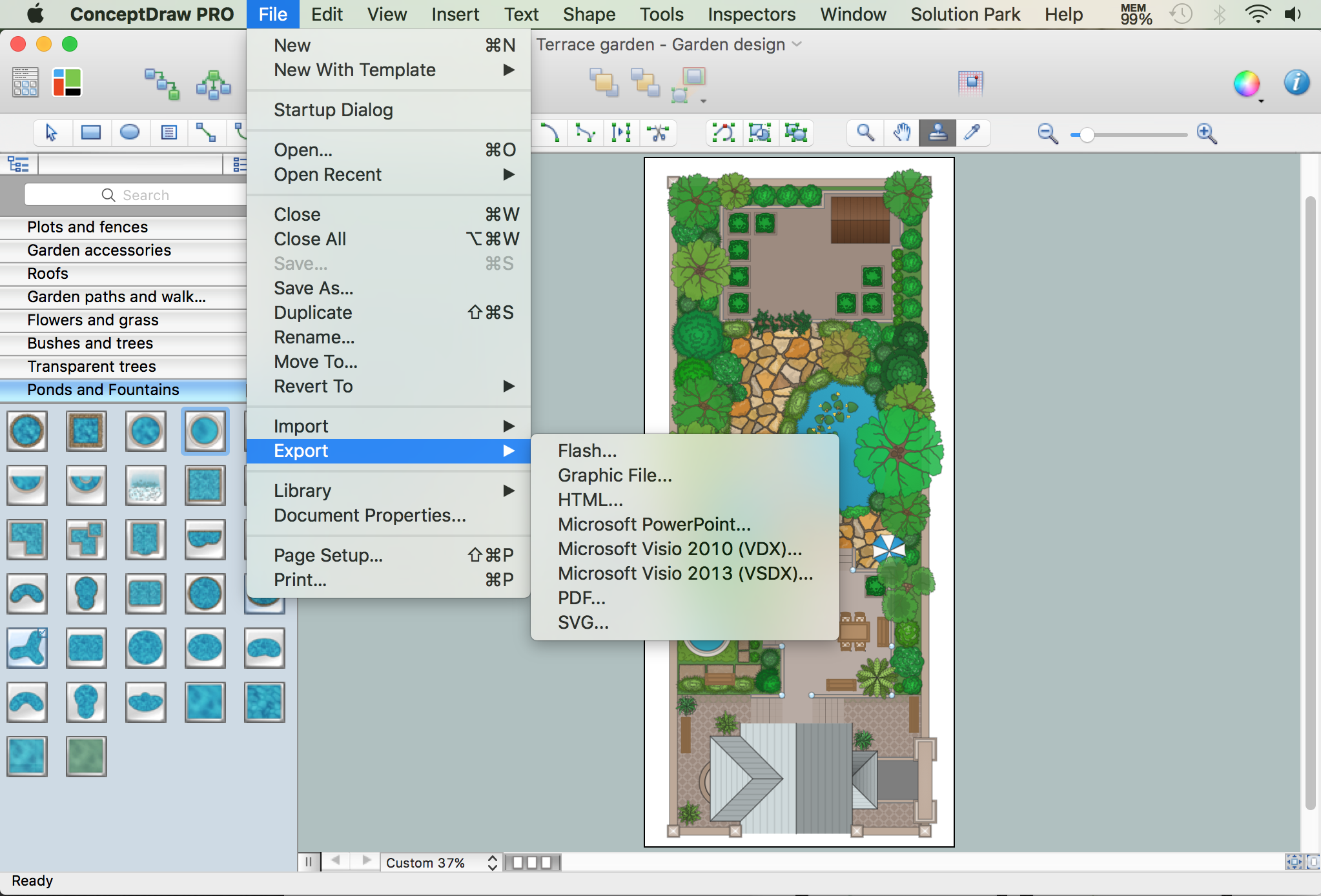
Credit: www.conceptdraw.com
Selecting The Best Materials
Selecting the best materials for your landscape design kitchen seating area can elevate your space from ordinary to extraordinary. The right materials ensure longevity, functionality, and aesthetic appeal. Dive into the world of materials and find what best suits your needs, whether you prioritize durability, sustainability, or style.
Weather-resistant Options
Your kitchen seating area will face the elements, so choosing weather-resistant materials is crucial. Consider using teak wood, known for its robustness and resistance to moisture. Teak can withstand rain and sunlight, making it ideal for outdoor use.
Another great option is powder-coated aluminum. It's lightweight, rust-resistant, and comes in various colors to match your design. Imagine sitting comfortably without worrying about rust or wear.
Ask yourself: do you want a material that requires minimal maintenance? Concrete might be your answer. It’s durable and can be customized with different finishes and colors, ensuring it fits your vision.
Sustainable Material Choices
If sustainability is a priority, bamboo is a fantastic choice. Bamboo grows rapidly and is a renewable resource. It offers a sleek, modern look and is surprisingly strong.
Recycled plastic furniture is another eco-friendly option. It’s made from waste materials, reducing landfill contributions. Plus, it’s highly durable and easy to clean, making it perfect for families.
Consider reclaimed wood for a rustic charm. Using wood from old barns or factories gives your space character while supporting recycling efforts. How can you incorporate sustainability without sacrificing style?
Choosing the right materials for your kitchen seating area can transform your outdoor space. Whether you prioritize durability or sustainability, there are options that meet your needs and aesthetic preferences. What materials will you choose for your landscape design project?
Designing Functional Layouts
Designing a functional layout for your kitchen seating area enhances usability. It blends aesthetics with efficiency. A well-planned design ensures smooth movement and comfortable seating. This planning requires attention to detail. Each element must serve a purpose. From seating arrangements to walkways, every aspect contributes to the overall experience.
Optimizing Seating Arrangement
The seating arrangement should prioritize comfort. Consider the number of people using the area. Space should accommodate them without crowding. Choose furniture that fits the space well. Round tables can save space. They allow easy access from all sides. Arrange chairs to facilitate conversation. Avoid blocking pathways with furniture. This promotes a free flow of movement.
Incorporating Walkways And Access
Walkways should be clear and unobstructed. They connect different areas within the kitchen. Ensure enough space for easy access. Paths should accommodate multiple users. A wide walkway prevents congestion. Designate specific routes for movement. Avoid placing furniture in these paths. This enhances safety and efficiency. Consider the placement of doors and windows. Access points should be easily reachable.
Incorporating Aesthetic Elements
Drawing a landscape design kitchen seating area involves blending colors, textures, and materials for visual appeal. Create harmony by using natural elements like wood or stone, ensuring comfort and functionality. Consider the flow and spacing to enhance the overall aesthetic of the kitchen seating landscape.
Incorporating aesthetic elements into your kitchen seating area can transform your space. It enhances both functionality and beauty. Designing this area involves careful planning. Each detail should reflect your style. It should also match the overall theme of your home.
Choosing Color Schemes
Color sets the mood in a room. It can make a space feel warm or cool. Choose colors that complement your existing kitchen palette. Neutral tones like beige and gray are versatile. They create a calming atmosphere. For a lively touch, add pops of color. Use cushions or tableware in bright shades. Blue or green can bring a fresh look. Consider the natural light in your kitchen. It affects how colors appear. Test different shades before making a final decision.
Adding Decorative Features
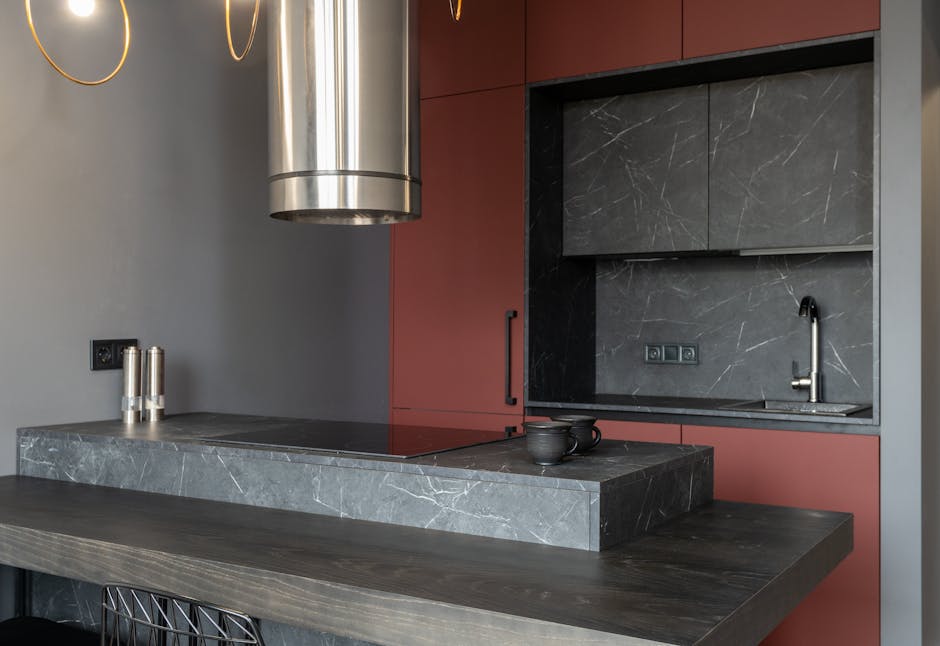
Decorative features add charm and personality. They make the seating area inviting. Start with lighting fixtures. Pendant lights can serve as focal points. Choose designs that match your theme. Rustic, modern, or classic styles can enhance the vibe. Wall art can also elevate the space. Select pieces that resonate with your taste. Plants are another great addition. They bring life and color to the area. Choose low-maintenance varieties for convenience. Consider adding a rug under the seating. It defines the space and adds texture. Choose one that is easy to clean and complements your color scheme.
Integrating Greenery
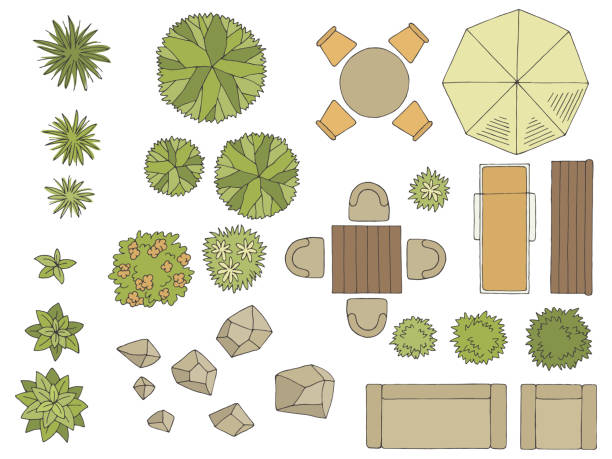
Transform the kitchen seating area with greenery by integrating plants into the landscape design. Create a refreshing ambience by placing potted plants or vertical gardens. Greenery enhances the aesthetic appeal and promotes a soothing environment.
Integrating greenery into your kitchen seating area can transform the space into a refreshing and lively environment. The right mix of plants not only enhances aesthetics but also improves air quality and adds a calming touch to your dining experience. You might be surprised at how a few well-placed pots can change the entire vibe of your kitchen.
Selecting Suitable Plants
Choosing the right plants is crucial for a successful green integration. Consider your kitchen’s lighting conditions. If your seating area is sun-drenched, opt for sun-loving plants like succulents and herbs. For spaces with limited natural light, shade-tolerant plants such as pothos or snake plants are ideal. Think about maintenance, too. If you're often busy, choose low-maintenance plants that require minimal care.
Arranging Planters And Pots
Arrangement plays a significant role in creating a visually appealing setup. Use varying heights and sizes for your planters to add depth and interest. A tall fern can anchor the corner, while smaller pots with herbs can line a windowsill. Experiment with groupings. Placing three pots of different heights together can create an eye-catching display. Ensure that your pots have good drainage to keep plants healthy. Consider the flow of your kitchen. You don't want plants obstructing movement or access. Instead, they should complement the space, inviting you to linger in your green-infused kitchen. Have you ever noticed how a simple green addition can brighten your mood? Integrating greenery might be the refreshing change your kitchen needs.
Credit: www.istockphoto.com
Lighting Considerations
Lighting plays a crucial role in designing a kitchen seating area. Good lighting enhances both functionality and aesthetics. It can transform the space into a warm, inviting place. Effective lighting ensures safety and sets the right mood.
Natural Vs. Artificial Lighting
Natural lighting offers a soothing ambiance during the day. Large windows or skylights maximize sunlight. Sunlight boosts mood and highlights the kitchen's natural colors. On cloudy days, artificial lighting steps in. It ensures the area stays bright and usable. Balance both types for optimal results.
Lighting For Ambiance And Safety
Lighting sets the mood in a kitchen seating area. Soft, warm lights create a cozy atmosphere. Bright lights are best for task areas. Install dimmers for flexible ambiance control. Safety is key in kitchens. Ensure walkways and counters are well-lit. Proper lighting reduces accidents and enhances visibility.
Ensuring Privacy
Creating a landscape design kitchen seating area requires thoughtful planning. Privacy plays a crucial role in making the space inviting. Ensuring privacy allows people to relax and enjoy meals without disturbances. This section explores methods to achieve privacy in your kitchen seating area.
Using Fences And Screens
Fences serve as a clear boundary between spaces. They keep the seating area separate from other sections. Choose materials like wood or metal for durability. Screens provide flexibility and style. Use them to block unwanted views. Screens can be decorative, adding beauty to the area. They offer privacy without feeling closed off. Adjust screens easily to change the layout.
Creating Natural Barriers
Natural barriers blend well with outdoor settings. Shrubs and bushes act as living walls. They grow over time, enhancing privacy. Tall plants like bamboo create a lush barrier. They are fast-growing and require little maintenance. Trees offer shade and seclusion. Plant them strategically to cover open areas. These natural elements create a peaceful atmosphere.
Maintenance Tips
Maintaining a landscape design kitchen seating area ensures longevity and beauty. Regular upkeep enhances its functionality and aesthetic appeal. This section provides practical tips to keep your seating area in top shape. Implement these strategies for a clean and welcoming space.
Regular Cleaning Routines
Start with wiping surfaces daily to prevent dirt build-up. Use a mild detergent for cleaning tables and chairs. This avoids damage from harsh chemicals. Sweep or vacuum the floor to remove dust and debris. A quick mop with warm water keeps floors sparkling clean.
Spot clean stains immediately to prevent permanent marks. Use a soft cloth for delicate surfaces. Avoid abrasive materials that can scratch and ruin finishes. Place mats under chairs to reduce wear and tear. This simple step prolongs the life of your flooring.
Seasonal Care And Updates
Adapt your maintenance routine to the changing seasons. In summer, focus on dust control and ventilation. Open windows for fresh air to circulate. Ensure fans or air conditioners are in good condition. In winter, tackle potential moisture issues. Use dehumidifiers to prevent dampness.
Check for signs of wear during seasonal transitions. Repair any damage promptly to avoid further deterioration. Refresh your space with seasonal decor. This adds a touch of freshness and keeps the area inviting. Consider minor updates to align with seasonal themes.
Frequently Asked Questions
What Is Landscape Design For A Kitchen Seating Area?
Landscape design for a kitchen seating area involves planning outdoor spaces. It focuses on aesthetics, functionality, and comfort. Elements include seating arrangements, greenery, and lighting. The goal is to create a cozy, inviting space. This enhances outdoor dining and relaxation experiences.
How Do I Choose Furniture For My Seating Area?
Choose furniture based on comfort, durability, and style. Consider weather-resistant materials for outdoor use. Ensure the seating matches your design theme. Prioritize comfortable cushions and ergonomic designs. This enhances the overall experience.
What Plants Are Best For Kitchen Seating Areas?
Choose low-maintenance, aromatic plants like herbs. Lavender, rosemary, and mint are great options. These plants add fragrance and greenery. They also repel insects, enhancing comfort. Ensure they receive proper sunlight and water.
How Can I Improve Seating Area Lighting?
Use a mix of ambient and task lighting. Consider string lights or lanterns for ambiance. Solar-powered lights are eco-friendly and cost-effective. Proper lighting ensures usability during evening hours. It also creates a welcoming atmosphere.
Conclusion
Creating a landscape design for your kitchen seating area can be fun. Start by sketching ideas on paper. Think about comfort and style. Arrange furniture in a way that feels right. Consider adding plants for a fresh look. Lighting plays a key role, so choose wisely.
Colors can change the mood instantly. Keep the design simple and functional. Your seating area should invite people to sit and relax. Experiment with different layouts. Adjust until it feels perfect. With these tips, you can transform your space into a welcoming haven.
Enjoy the process of designing your ideal kitchen seating area.