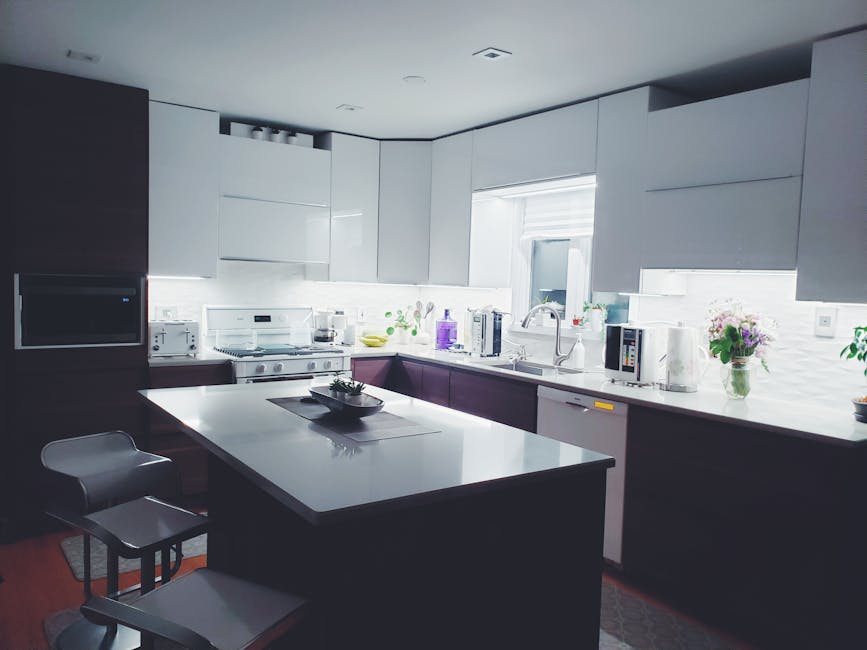

Designing a kitchen is like putting together a puzzle where each piece needs to fit perfectly. Whether you're starting from scratch or remodeling, the layout of your kitchen can make or break the space.
It’s not just about aesthetics; it’s about creating a functional environment where cooking becomes a joy, not a chore. Imagine effortlessly moving from the stove to the sink, or having all your utensils within arm’s reach. Sounds like a dream, right?
But it’s possible, and you’re about to discover how. Dive into this guide to uncover the secrets of crafting a kitchen layout that enhances both beauty and utility. Get ready to transform your kitchen into the heart of your home.
Kitchen Layout Basics
Designing a kitchen can be an exciting yet challenging task. Whether you're remodeling or building from scratch, understanding the basics of kitchen layout is crucial. A well-designed kitchen enhances your cooking experience and adds value to your home. Knowing where to place appliances, counters, and cabinets can make all the difference in creating a functional and inviting space.
The Work Triangle Concept
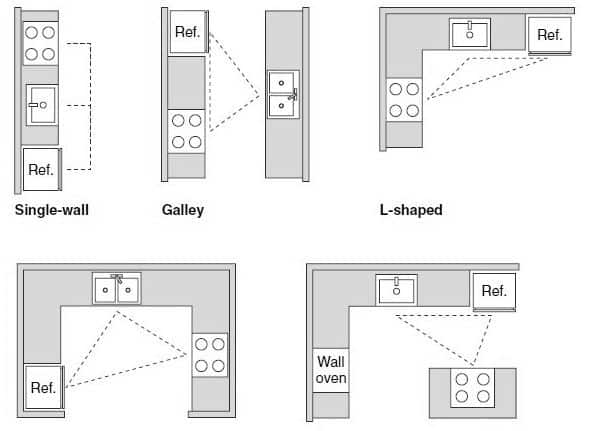
The work triangle is a fundamental principle of kitchen design. It connects the three most used areas: the stove, sink, and refrigerator. These should form a triangle, allowing for efficient movement. Think about how you cook; you'll want to move easily between these points without obstacles.
Make sure each side of the triangle is between 4 and 9 feet. This ensures easy access without too much walking. Too large a triangle can lead to a tiring cooking experience, while too small can create cramped conditions.
Choosing The Right Layout
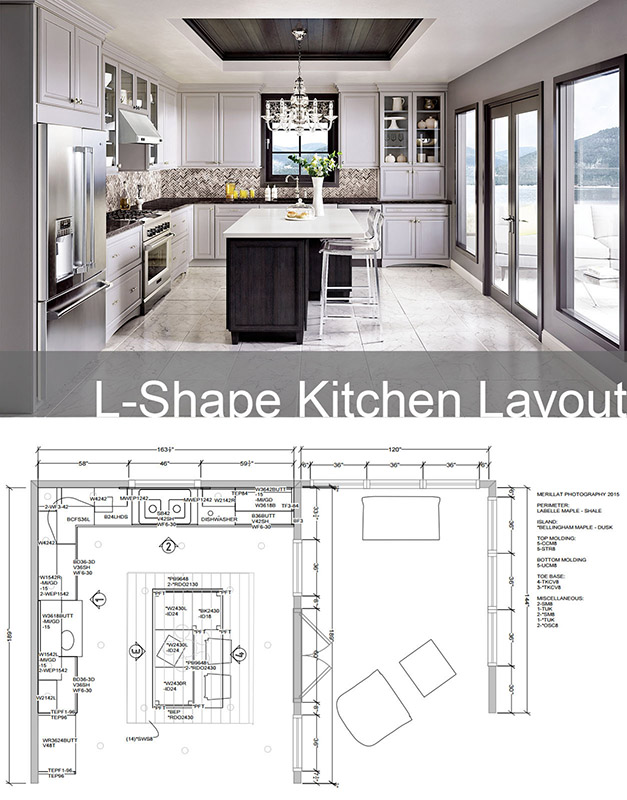
There are several common kitchen layouts: L-shape, U-shape, galley, and single-wall. Each has its advantages depending on your space and needs. An L-shape is ideal for open areas, providing flexibility and space for an island.
U-shape kitchens offer plenty of counter space and storage. This layout is perfect for those who love cooking and entertaining. A galley layout is efficient for small spaces, with parallel counters maximizing efficiency. Single-wall layouts work best in studio apartments or where space is limited.
Storage Solutions
Storage is key in a kitchen. Consider how much you need and where it should be. Upper cabinets are great for frequently used items, while lower cabinets can store heavier or less-used goods. Pull-out drawers and lazy Susans can maximize storage efficiency.
Think about vertical space. Taller cabinets can store items you don't use daily. Open shelving can add character and make items easily accessible. How does your current storage meet your needs, and what changes could improve it?
Incorporating Your Personal Style
Your kitchen should reflect your personality. Choose colors, materials, and finishes that resonate with you. Consider how you want to feel in your kitchen. Do you prefer a sleek modern look or a cozy rustic feel?
Small details make a big impact. Hardware, lighting, and backsplash can transform a space. Personal touches can make your kitchen unique and enjoyable. What elements make your kitchen feel like home?
Designing a kitchen layout is a journey of creativity and practicality. What is your vision for your ideal kitchen? With the right layout basics, you can create a space that is both functional and delightful. Dive into the process with excitement and clarity, and watch your kitchen become the heart of your home.
Choosing The Right Layout
Choosing the right layout for your kitchen is crucial in creating a space that’s both functional and aesthetically pleasing. The layout determines how you move around the kitchen, interact with appliances, and engage with family and friends. Each design has unique advantages, and your choice should align with your lifestyle and cooking habits.
Galley Kitchen
The galley kitchen is ideal for small spaces. Imagine two parallel counters where everything is within easy reach. This layout maximizes efficiency and is perfect if you love cooking solo. But, think about whether you might miss having a social space to chat with others.
L-shaped Kitchen
An L-shaped kitchen offers flexibility with two adjoining walls. This design is a great choice for open-plan living. You can easily integrate a dining area within the kitchen space. Do you find yourself wishing for more counter space when prepping meals? This layout may provide the solution.
U-shaped Kitchen
If you have a larger area, a U-shaped kitchen might be your best bet. This design surrounds you with counters on three sides, offering ample space for cooking and storage. You can multitask with ease, but consider if you might feel boxed in. Is this the layout that complements your cooking style?
Island Kitchen
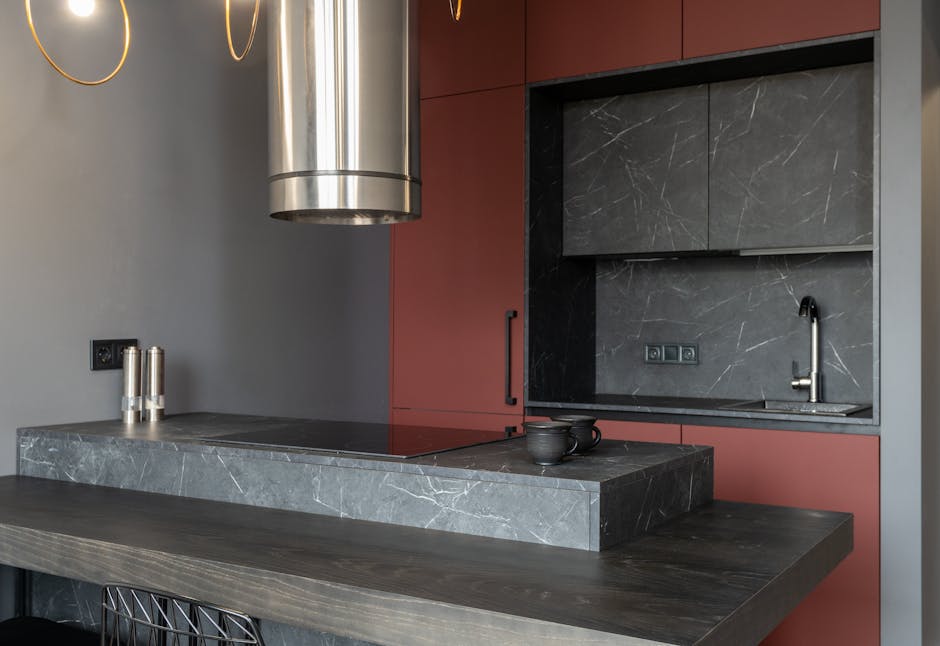
An island kitchen adds versatility and style. The central island can serve as a prep station, dining table, or social hub. It encourages interaction while cooking. Picture hosting a gathering where guests can sit around the island. However, ensure you have enough space to move around comfortably.
Peninsula Kitchen
The peninsula kitchen is a twist on the island concept, extending from one wall. It can be a space saver while still offering extra counter space and a seating area. Think about how often you entertain guests. Is a peninsula the right choice for your family gatherings?
Reflect on your daily routines and habits to choose the layout that best supports your lifestyle. Which design resonates with you?
Maximizing Space Efficiency
Designing a kitchen layout boosts space efficiency by placing key elements strategically. Cabinets, counters, and appliances should be arranged to ensure smooth workflow. This setup enhances functionality and optimizes available space, making cooking and cleaning more efficient.
Designing a kitchen that maximizes space efficiency can transform your cooking area from a cluttered mess to a streamlined, functional haven. Whether you're dealing with a compact space or a sprawling one, thoughtful design choices can make your kitchen work better for you. Imagine reaching for a pot without a hassle or having a dedicated spot for every utensil. This is possible when you prioritize space efficiency. Let's dive into smart strategies to make the most of your kitchen space.
Utilizing Vertical Space
Think beyond countertops. The walls of your kitchen hold untapped potential. Installing shelving units or racks can create additional storage without taking up floor space. High cabinets are a game-changer in maximizing vertical space. Use the top shelves for items you don't need daily, like seasonal baking dishes or party platters. This keeps frequently used items within easy reach while still using every inch of available space. Consider hooks and pegboards for hanging utensils and pots. These can turn a bare wall into a functional display, keeping your tools handy and freeing up drawer space. Have you ever thought about hanging your mugs? It can add personality and clear up cupboard space simultaneously.
Smart Storage Solutions
Innovative storage solutions can transform how you use your kitchen. Pull-out shelves bring the back of your cabinets to you, reducing the need to rummage through stacks of items. Invest in stackable containers for your pantry. They keep your ingredients visible and organized, making meal prep quicker and easier. Clear containers help you track what's running low, so you never run out of essentials unexpectedly. Consider drawer dividers for utensils and spices. This small addition can save you time and frustration by keeping everything in its designated place. Imagine finding the right spice in seconds during a cooking frenzy. How much time could you save? By focusing on maximizing space efficiency, you're not just improving your kitchen's functionality—you're enhancing your daily life. Have you tried any of these strategies in your kitchen design? What other tips could help fellow readers create their ideal kitchen space?
Ergonomics In Kitchen Design
Designing a kitchen involves more than aesthetics. The layout should prioritize functionality. Ergonomics in kitchen design ensures comfort and efficiency. A well-planned kitchen reduces physical strain. It enhances the cooking experience. Let's explore ergonomic principles in kitchen design.
Work Triangle Concept
The work triangle concept is essential in kitchen ergonomics. It involves three main areas: the stove, sink, and refrigerator. These areas form a triangle. Ideally, each side of the triangle should measure between 4 and 9 feet. This arrangement minimizes movement. It makes cooking tasks seamless. Efficient placement improves workflow. It reduces unnecessary steps.
Counter Height And Depth
Counter height and depth impact kitchen ergonomics significantly. Standard counter height is about 36 inches. This height suits most people. It reduces bending and stretching. Consider counter depth too. A depth of 24 inches allows easy access. It keeps items within reach. Proper counter dimensions enhance comfort. They make kitchen tasks easier.
Lighting Considerations
Proper lighting enhances kitchen functionality and ambiance. Balance task lighting for cooking areas with ambient lighting for overall brightness. Consider natural light sources to create a welcoming space.
When designing your kitchen, lighting plays a crucial role in both functionality and ambiance. It’s not just about having a bright space, but about creating a mood and ensuring you can safely and efficiently use your kitchen. Have you ever tried chopping vegetables in a poorly lit kitchen? It can be both frustrating and unsafe. Thoughtful lighting choices can transform your kitchen into a welcoming and efficient space.
Task Lighting
Task lighting is all about practicality. It illuminates specific areas where you perform tasks like chopping, mixing, or reading recipes. Under-cabinet lights are a great option, casting light directly onto your countertops. Another idea is to place lights over the sink, ensuring you can see clearly when washing dishes or preparing food. Consider LED strip lights for a modern and energy-efficient solution.
Ambient Lighting
Ambient lighting is the general light that fills the room, setting the overall tone. It usually comes from ceiling fixtures like pendant lights or recessed lighting. A well-lit room makes your kitchen feel spacious and inviting. When deciding on ambient lighting, think about the size of your kitchen. A larger kitchen might need multiple light sources to avoid dark corners.
Accent Lighting
Accent lighting adds a touch of personality to your kitchen. It highlights specific features or areas, such as a beautiful backsplash or a collection of decorative plates. Consider using track lighting or small spotlights to draw attention to these features. Dimmer switches can be a great addition, allowing you to adjust the mood of the room for different occasions. While designing your kitchen, remember that lighting is not just a functional element, but also a way to express your style. Have you thought about how different lighting can change your kitchen's mood? Experiment with various types to find the best combination that works for your space and lifestyle.
Credit: www.merillat.com
Material And Finish Selection
Choosing the right materials and finishes is crucial in kitchen design. Cabinets, countertops, and flooring should complement each other. Colors and textures play a big role in creating a cohesive and inviting space.
Choosing the right materials and finishes for your kitchen design is a crucial step that can define both the functionality and aesthetics of your space. The materials you select will impact the kitchen's durability, maintenance needs, and the overall vibe. Whether you're aiming for a sleek modern look or a cozy traditional feel, the right choices can transform your kitchen into the heart of your home.
Durable Countertops
Countertops are the workhorse of the kitchen. They need to withstand daily wear and tear while looking great. Granite and quartz are popular for their durability and wide range of colors. They resist scratches and heat, making them perfect for busy kitchens. If you prefer a more budget-friendly option, laminate has improved over the years with designs that mimic high-end materials. But consider how you use your kitchen. If you love baking, you might want the cool surface of marble for rolling dough. Think about your lifestyle and how each material will fit into your daily routine.
Cabinet Materials
Cabinets are not just about storage; they're a significant design element. Solid wood is a classic choice, offering strength and beauty. Maple, oak, and cherry are popular options that can be stained or painted to match your style. However, solid wood can be costly, and if you're on a budget, consider engineered wood products like MDF (Medium-Density Fiberboard). They offer a smooth surface for paint and are more affordable. Don't overlook the cabinet finish. Glossy finishes can make a small kitchen look larger, while matte finishes offer a more understated elegance. What vibe do you want your kitchen to have? The finish can set the tone. Think about how these materials will stand up to your lifestyle. Do you have kids who might be rough on surfaces? Or do you entertain often and need something easy to clean? Your choices should reflect the life you live.
Incorporating Technology
Technology has transformed kitchen design into a more efficient process. Modern homes now embrace smart solutions for their kitchens. These innovations not only enhance functionality but also add convenience. Integrating technology in your kitchen layout can elevate your cooking experience.
Smart Appliances
Smart appliances are becoming essential in kitchens today. They offer features like remote control and energy efficiency. Refrigerators with built-in touch screens keep you organized. Smart ovens allow recipe downloads directly to the appliance. These appliances save time and reduce effort in meal preparation.
Modern Ventilation Systems
Effective ventilation is key in a modern kitchen. New systems provide quiet and efficient airflow. Advanced hoods come with sensors to adjust fan speed automatically. This ensures the kitchen remains fresh and odor-free. Modern designs blend these systems seamlessly into kitchen aesthetics.
Credit: www.fitzgeraldkitchens.com
Personalizing Your Space
Crafting a kitchen layout involves balancing style and function. Consider appliance placement for accessibility. Counter space is crucial for meal prep.
Personalizing your kitchen space is more than just choosing the right appliances and countertop materials. It's about infusing your personality and style into the heart of your home. The kitchen should reflect your tastes and preferences, making it a place you love to spend time in and feel proud to show off.
Color Schemes
Choosing the right color scheme can set the tone for your entire kitchen. Think about how different colors make you feel. Do warm tones like red and orange energize you, or do cool tones like blue and green help you relax? Try experimenting with different shades on a small section of the wall or a sample board. This way, you can see how they look in various lighting conditions throughout the day. Remember, your kitchen should be a space you enjoy spending time in. So, go for colors that resonate with you, even if they aren't traditionally considered for kitchens.
Decorative Elements
Decorative elements can bring character and warmth to your kitchen. Consider adding artwork or family photos that make you smile or remind you of cherished memories. Think about unique light fixtures or a statement piece like a vintage clock or an antique vase. These elements can serve as conversation starters and add a personal touch. You might also want to incorporate plants or herbs. Not only do they add a splash of green, but they also bring life and freshness to the space. Have you ever thought about how small decorative changes can impact your mood? Try adding a new rug or a set of colorful dish towels and notice the difference it makes. Personalizing your kitchen is about creating a space that feels uniquely yours. What small changes will you make to transform your kitchen into your favorite room in the house?

Credit: www.verityjayne.com.au
Frequently Asked Questions
What Is The Best Kitchen Layout?
The best kitchen layout depends on your space and needs. Popular layouts include L-shaped, U-shaped, and galley kitchens. Each offers different advantages. Consider workflow and storage needs when choosing. A well-planned layout enhances efficiency and aesthetics.
How Do I Plan My Kitchen Design?
Start by assessing your space and lifestyle. Consider functionality and flow. Identify key zones for cooking, cleaning, and storage. Sketch a layout that maximizes efficiency. Consult with professionals for insights. Use design tools or apps for visualization.
What Factors Influence Kitchen Layout Choice?
Several factors impact kitchen layout choice, including available space, personal preferences, and cooking habits. Storage needs and appliance sizes are crucial considerations. Family size and entertaining styles also influence the decision. A well-chosen layout enhances functionality and aesthetics.
How Can I Optimize Kitchen Space?
To optimize space, prioritize storage solutions and efficient layouts. Use vertical storage and pull-out cabinets. Choose multi-functional furniture and appliances. Keep countertops clutter-free. Consider open shelving for easy access. Smart organization maximizes your kitchen's functionality.
Conclusion
Creating the perfect kitchen design is simple with the right steps. Start by considering your space and needs. Focus on functionality and style. Plan the layout for ease of use. Think about storage solutions and appliance placement. Lighting is crucial for mood and visibility.
Keep pathways clear for safety. Personal touches make the space inviting. Remember, a well-designed kitchen enhances your home. It brings joy and efficiency to daily tasks. Take your time and enjoy the process. Your dream kitchen is within reach.