Are you tired of spending money on expensive kitchen cleaning products that don't deliver the results you want? Imagine having a powerful, effective cleaning spray that not only leaves your kitchen sparkling but is also safe for your family and the environment.
The best part? You can make it yourself at home with ingredients you probably already have in your kitchen! Intrigued? Get ready to discover a simple, cost-effective solution that will revolutionize your cleaning routine. By the end of this article, you'll have all the know-how to create your own kitchen cleaning spray that meets your needs and exceeds your expectations.
Let's dive in and transform your cleaning game today!
Benefits Of Diy Kitchen Cleaning Spray
Creating your own kitchen cleaning spray brings numerous benefits. It's a smart choice for those seeking effective and safe cleaning solutions. DIY sprays allow you to control ingredients, ensuring safety and efficiency. Let's explore the benefits of making your own cleaning spray.
Cost-effective Solution
Store-bought cleaners often come with high price tags. DIY cleaning sprays are budget-friendly. You use common household ingredients. This reduces costs significantly. Save money without sacrificing cleanliness. Homemade sprays offer a thrifty solution for households.
Environmentally Friendly
Commercial cleaners may contain harsh chemicals. DIY sprays use natural ingredients. This reduces pollution and environmental harm. Use vinegar, water, and essential oils. These are gentle on the planet. Protect the environment with sustainable choices.
Healthier Home
Home-made sprays are free from toxic chemicals. This improves indoor air quality. Safe ingredients mean fewer allergies and skin irritations. Ensure a healthy home environment. Homemade sprays promote well-being for your family.
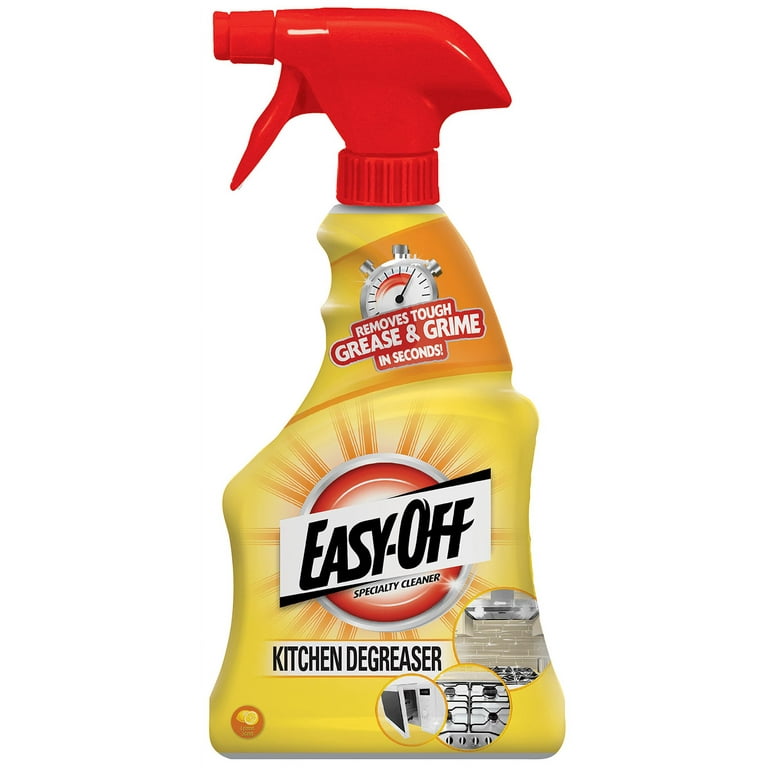
Credit: www.walmart.com
Essential Ingredients
Creating your own kitchen cleaning spray can be a game-changer for your cleaning routine. With the right mix of essential ingredients, you can craft a spray that is both effective and safe for your home. You might be surprised at how easy it is to use everyday items to make a powerful cleaning solution. Let's dive into what you'll need to make your kitchen sparkle.
Natural Cleaning Agents
Natural cleaning agents are the backbone of your kitchen spray. White vinegar is a popular choice because it cuts through grease and grime effortlessly. Baking soda is another star player; its abrasive texture helps scrub away stubborn stains. You can mix these with water to create a base that tackles dirt without any harmful chemicals.
Think about how satisfying it is to clean your kitchen without the harsh smell of commercial cleaners. You get the job done without compromising your health or the environment. Have you tried using lemon juice for its antibacterial properties?
Essential Oils
Adding essential oils to your spray is like giving it a personality. They do more than just smell good; they also offer antibacterial benefits. Tea tree oil and lavender oil are great choices for their cleaning power. A few drops can make your spray smell divine, making cleaning feel less like a chore.
Imagine walking into your kitchen and being greeted by the fresh scent of citrus or mint. Essential oils can transform your cleaning routine into a sensory experience. Which scent would make your cleaning time more enjoyable?
Common Household Items
You'll be amazed at how many items you already have in your pantry can be used for cleaning. Salt can be used for scrubbing tough stains, while hydrogen peroxide can help disinfect surfaces. These items are not only effective but also cost-efficient.
It’s exciting to discover that your kitchen already holds secret cleaning weapons. You might even find yourself experimenting with different combinations. Have you ever thought of using the leftover coffee grounds as a deodorizer?
Creating your own kitchen cleaning spray is not just about mixing ingredients; it's about customizing a solution that works for you. With these essential ingredients, you have the freedom to clean smart and safe. What will you create with your newfound knowledge?
Step-by-step Recipe
Creating your own kitchen cleaning spray is simple and effective. It reduces the use of harsh chemicals. You can make a natural spray with minimal effort. Follow this step-by-step recipe to ensure a clean kitchen. Let's dive into the process.
Gathering Supplies
First, gather all necessary supplies for your cleaning spray. You'll need a spray bottle, white vinegar, water, and a few drops of essential oil. Essential oils like lemon or tea tree add a pleasant scent. A funnel can help when pouring liquids.
Mixing Ingredients
Start by filling half the spray bottle with white vinegar. Then, fill the rest with water. This creates a balanced cleaning solution. Add 10-15 drops of your chosen essential oil. This enhances the fragrance and cleaning power. Shake the bottle gently to mix ingredients thoroughly.
Proper Storage Techniques
Store your cleaning spray in a cool, dry place. Keep it out of direct sunlight. This helps maintain its effectiveness. Ensure the spray bottle is tightly sealed. This prevents spills and keeps the solution fresh. Shake before each use for best results.

Credit: prolinerangehoods.com
Effective Cleaning Tips
Create your own kitchen cleaning spray with simple ingredients. Mix water, vinegar, and lemon juice in a spray bottle. This natural solution effectively cleans surfaces, leaving a fresh scent.
When it comes to making your own kitchen cleaning spray, understanding effective cleaning tips is crucial. Knowing how to use the spray efficiently can save you time and ensure a sparkling kitchen. Let’s break down some practical tips that will make your cleaning routine easier and more effective.
Best Practices For Use
Always shake your homemade cleaning spray before using it. This ensures the ingredients are well-mixed for maximum cleaning power. Spray the surface lightly to avoid wastage. A little goes a long way, and excess liquid can make surfaces slippery. Allow the spray to sit for a few minutes before wiping. This gives the ingredients time to break down grime and grease.
Surfaces To Avoid
While your kitchen cleaning spray is versatile, there are some surfaces you should avoid. Never use it on unsealed wood, as the liquid can seep in and cause damage. Avoid using it on natural stone surfaces like granite or marble. The acid in the vinegar can dull the stone's finish. Always do a spot test on new surfaces. This helps prevent any unexpected reactions or damage.
Frequency Of Application
Use your cleaning spray as often as needed, but be mindful not to overdo it. For high-traffic areas, a daily wipe-down can keep things manageable. For less-used surfaces, a thorough cleaning once a week should suffice. This helps maintain a clean environment without unnecessary effort. Think about the last time you cleaned your cabinet handles. Are they due for a spray? Regular attention to these overlooked areas can make a big difference. Remember, the key to a clean kitchen is consistency. By following these tips, you can keep your kitchen looking its best with minimal hassle.
Customizing Your Spray
Create a kitchen cleaning spray by mixing vinegar, water, and essential oils. Use it to clean surfaces effectively. Customize the scent with your favorite oils for a pleasant aroma.
Customizing your kitchen cleaning spray adds a personal touch. It lets you tailor the spray to your needs. This section will guide you through creating a spray that fits your preferences perfectly. From choosing scents to adjusting the strength, each step is easy and enjoyable. Follow these tips to create a spray you will love to use every day.
Scent Preferences
Select a scent that you find refreshing and pleasant. Essential oils are a great choice for this. Lemon, lavender, and peppermint are popular options. They offer both cleaning power and a delightful aroma. You can mix oils to create a unique scent. Combine lavender and lemon for a calming and fresh aroma. Or try eucalyptus and mint for a crisp and invigorating smell. Remember, a pleasant scent makes cleaning more enjoyable.
Adjusting Strength
The strength of your cleaning spray matters. It determines how well it cleans. If you have tough stains, a stronger solution is better. For regular cleaning, a milder solution works. Adjust the vinegar or alcohol content to change strength. More vinegar means a stronger cleaner. Less vinegar makes it milder. Test different strengths to find what works best. Always use caution with stronger solutions on delicate surfaces.
Adding Extra Ingredients
Extra ingredients can boost your spray's effectiveness. Baking soda adds scrubbing power. It's great for grime and stubborn spots. Add a teaspoon to your mix. Hydrogen peroxide offers extra disinfecting power. Use it carefully with vinegar for safety. A few drops of dish soap add grease-cutting power. Make sure your additions suit your cleaning needs. Always test new ingredients on a small area first. This prevents any unwanted damage.

Credit: loveleafco.com
Troubleshooting Common Issues
Making kitchen cleaning spray can be simple, yet issues like residue or streaks may arise. Use distilled water and white vinegar for an effective solution. Ensure essential oils mix well by shaking before each use, preventing unwanted residues.
When making your kitchen cleaning spray, you might encounter some common issues that can impact its effectiveness. Whether it's dealing with residue, avoiding surface damage, or improving cleaning power, knowing how to troubleshoot these problems can make all the difference. Let’s dive into these challenges and find practical solutions to keep your cleaning efforts smooth and successful.
Dealing With Residue
A common problem with DIY kitchen sprays is residue. You spray, you wipe, but somehow there's a stubborn film left behind. This often happens when the spray is too concentrated. Try diluting your mixture with more water. Another culprit could be the soap. If you’re using castile soap, make sure it's well-dissolved. Shake your spray bottle vigorously before each use to evenly distribute the ingredients. It’s a small step, but it can prevent a big mess.
Avoiding Surface Damage
Not all surfaces are created equal. While vinegar is a popular ingredient in many cleaning sprays, it can be too harsh for certain surfaces like granite or marble. Test a small, hidden area before applying your spray all over. This simple test can save you from costly repairs. If your countertops are sensitive, you might need to tweak your formula. Consider switching vinegar with rubbing alcohol or simply more water. These alternatives can be gentler on delicate surfaces while still offering effective cleaning.
Improving Cleaning Power
Sometimes your spray just doesn't cut through the grime. This can be frustrating. Boost your spray's cleaning power with a few drops of lemon essential oil. Not only does it smell refreshing, but it also has natural grease-cutting properties. Another tip is to use hot water when mixing your ingredients. The heat can help dissolve stubborn particles. Just be sure to let it cool before spraying to avoid burns. Is there a specific area in your kitchen that always seems to stay dirty? Focus your efforts there with these adjustments for a more satisfying clean. By addressing these common issues, you can enhance your kitchen cleaning spray's performance. Why settle for less when a few tweaks can make your cleaning routine more effective and enjoyable?
Safety Precautions
Ensure proper ventilation when mixing ingredients. Wear gloves to protect your skin from irritation. Avoid inhaling fumes during preparation.
When whipping up your own kitchen cleaning spray, ensuring safety is crucial. You want a cleaner that's effective yet gentle enough not to harm your surfaces—or yourself. Understanding how to handle and store your ingredients safely can make all the difference. Let's dive into some essential safety precautions to keep your cleaning routine as hassle-free as possible.
Handling Ingredients Safely
Before mixing your ingredients, check each label. Some components may be more potent than you realize. Vinegar, for example, is often used for its cleaning power but should never be mixed with bleach. Always use gloves to protect your skin from irritation. Working in a well-ventilated area is also smart to avoid inhaling any strong fumes.
Storing Away From Children
Keep your cleaning spray out of reach of little hands. It’s easy to overlook, but accidents happen. Designate a high shelf or a locked cabinet for all cleaning supplies. It’s a simple step that offers peace of mind, knowing your kids are safe from harmful substances.
Avoiding Allergens
Check for potential allergens in your ingredients. Essential oils can cause reactions in some people, even if they smell divine. Do a patch test on your skin if you're unsure about sensitivity. Also, remember to label your spray bottle with all ingredients. This way, anyone using it will know exactly what's inside. Making your kitchen cleaner is a rewarding task, but safety should always come first. Are there any other precautions you take when handling homemade cleaning solutions?
Frequently Asked Questions
What Ingredients Are Needed For Kitchen Spray?
To make kitchen cleaning spray, you'll need water, vinegar, and essential oils. Vinegar cleans and disinfects surfaces effectively. Essential oils add fragrance and can have antibacterial properties. Mix these ingredients in a spray bottle for a natural cleaning solution.
Can This Spray Be Used On All Surfaces?
This kitchen cleaning spray is safe for most surfaces, including countertops and appliances. However, avoid using it on natural stone like granite or marble, as vinegar can damage these materials. Always test a small area first to ensure compatibility.
How Often Should I Use The Cleaning Spray?
For maintaining a clean kitchen, use the spray daily on countertops and frequently touched surfaces. Regular use helps prevent dirt buildup and keeps your kitchen hygienic. Adjust frequency based on your cooking habits and kitchen traffic for optimal cleanliness.
Is Homemade Spray Better Than Store-bought?
Homemade kitchen cleaning spray is eco-friendly, cost-effective, and customizable. It avoids harsh chemicals found in some store-bought options. You control the ingredients, ensuring a safer environment for your family and pets.
Conclusion
Creating your own kitchen cleaning spray is simple. No harsh chemicals needed. You save money and keep your kitchen fresh. Mix ingredients, store, and spray. Cleaning becomes easy and safe. Feel proud of your homemade solution. Your kitchen sparkles, and you breathe easy.
Remember, it's quick to make and use. Share this tip with friends. Everyone loves a clean kitchen. Try it today for a natural clean. Experience the ease of homemade cleaning. Enjoy a healthier kitchen environment, free from toxins. Your homemade spray works wonders.
Keep your kitchen spotless and safe.