Imagine walking into your kitchen and pantry, only to be greeted by a clutter-free, organized space that sparks joy and efficiency. Sounds like a dream, right?
Well, it doesn't have to be. Your kitchen should be a sanctuary where you can whip up meals with ease and find everything you need without stress. But if you're like most people, it's easy for things to get out of hand.
Piles of mismatched containers, forgotten cans in the back of the pantry, and a counter that seems to collect everything but the kitchen sink can turn your cooking haven into a chaotic mess. But here's the good news: transforming your kitchen and pantry into an organized oasis is simpler than you think. You'll discover easy-to-follow steps to declutter, organize, and maintain a kitchen that not only looks good but also works for you. Get ready to unlock the secrets to a cleaner, more efficient kitchen that will make meal prep a breeze and elevate your cooking experience to new heights. Are you ready to transform your space and reclaim your culinary joy? Let's dive in and start organizing!
Credit: www.superhealthykids.com
Decluttering Your Kitchen
Organize and clean your kitchen and pantry effortlessly by sorting items and discarding expired products. Arrange essentials within easy reach to save time. Use labeled containers for a tidy, efficient space.
Decluttering your kitchen is like giving your culinary space a fresh start. Have you ever felt overwhelmed by the number of items in your kitchen, many of which you rarely use? A cluttered kitchen not only hampers your efficiency but also makes cooking less enjoyable. By focusing on decluttering, you can create a more inviting and functional space that inspires you to cook more creatively.
Identifying Unnecessary Items
Start by examining your kitchen with a critical eye. Open each cabinet and drawer to uncover items you haven't used in months. Be honest with yourself: Do you really need three whisks or that bread maker gathering dust? Consider the last time you used each item. If it’s been over a year, it might be time to let it go. Donate or sell these items to free up valuable space. Ask yourself: Does this item serve a purpose or bring joy? If not, it might just be taking up space that could be better used for something else.
Categorizing Essentials
Once you’ve cleared out the unnecessary items, it's time to categorize what's left. Group similar items together to make them easier to find. For instance, store all your baking supplies in one area and cooking utensils in another. This categorization helps you see what you have and reduces the chances of buying duplicates. Tip: Use clear containers or labels to keep things organized and visible. Reflect on your cooking habits. Are there tools or gadgets you use daily? Keep those within easy reach. Reserve upper shelves or lower cabinets for items you use less frequently. By taking these steps, you'll find your kitchen becomes a more efficient and enjoyable space. What will you discover once your kitchen is finally clutter-free?
:max_bytes(150000):strip_icc()/how-to-clean-out-pantry-6834329-01-f42defa955c443f3a0ffa9cecb21e824.jpg)
Credit: www.thespruce.com
Efficient Storage Solutions
The heart of any home is the kitchen, and a well-organized kitchen and pantry can make meal prep a breeze. Efficient storage solutions are the key to transforming chaos into order. They save time, reduce stress, and make cooking enjoyable. Let's dive into some practical ways to enhance your kitchen's storage capacity.
Maximizing Cabinet Space
Cabinets often hide a world of untapped potential. Start by assessing what you really need and use frequently. Are there appliances or gadgets collecting dust? Consider donating or selling them.
Think about how you stack items. Taller items can sit at the back, allowing shorter ones to be easily accessible. Shelf risers can double your cabinet space by creating an extra layer for storing smaller items.
Drawer dividers are another game-changer. They help keep utensils and gadgets in neat rows, making it easy to find what you need. Have you ever spent ages searching for the right spatula? A well-organized drawer can solve that.
Utilizing Vertical Storage
Walls are not just for decorations. Hooks and racks can hold pots, pans, and utensils, freeing up precious counter space. Magnetic strips for knives or spice jars are practical and stylish.
Have you considered using the inside of cabinet doors? Hanging organizers can hold measuring cups or lids, keeping them out of the way yet within reach. Your kitchen might have more storage than you think.
Think about shelves that go up rather than out. A tall shelf can store items you use less frequently at the top while keeping everyday essentials within arm's reach. Are you making the most of your vertical space?
Efficient storage solutions can turn your kitchen from cluttered to functional. Every inch counts. With a little creativity, you can create a kitchen that works for you.
Pantry Organization Techniques
Organizing your pantry can make kitchen tasks easier. It helps in finding items quickly. A well-organized pantry saves time and reduces stress. Using effective pantry organization techniques can transform chaos into order. Let's explore some simple methods.
Grouping Similar Items
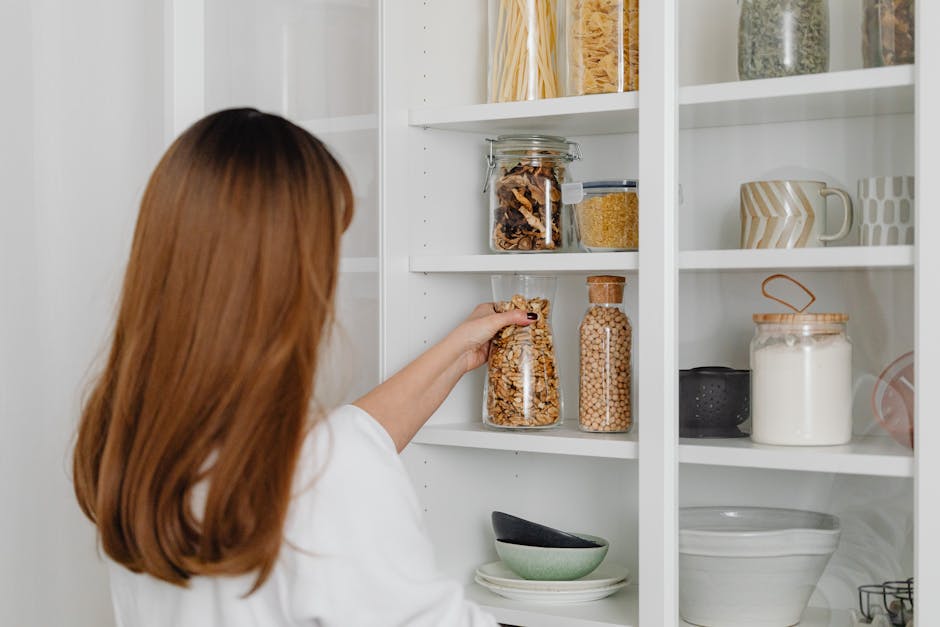
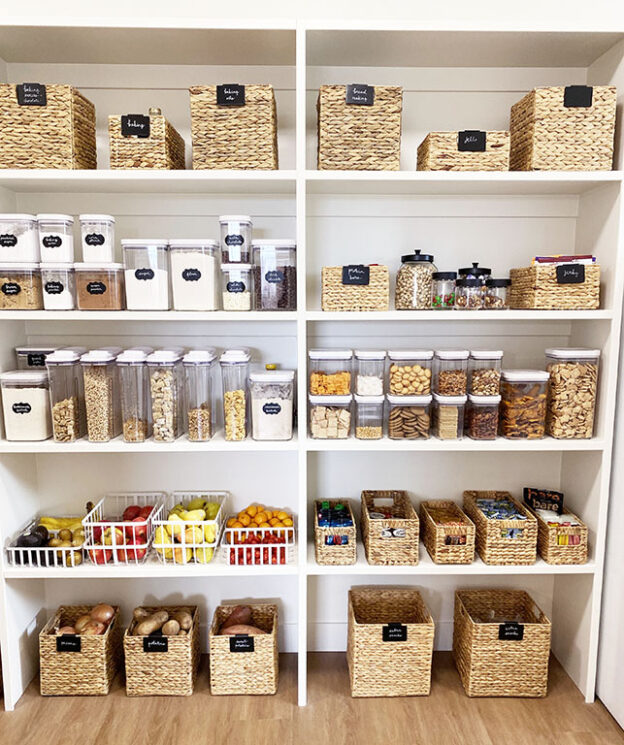
Start by grouping similar items together. Place all canned goods on one shelf. Keep cereals and grains in another section. Store baking supplies in one area. This approach helps you know where everything is. It also prevents overbuying.
Consider dividing your pantry into zones. Dedicate sections for snacks, breakfast, and spices. This makes meal preparation faster. It also keeps your pantry tidy and functional.
Labeling Systems
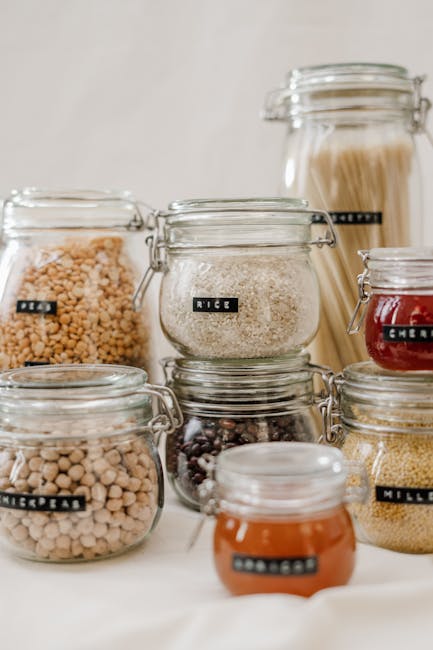
Labels are essential for a neat pantry. Use clear labels for jars and containers. This helps identify items at a glance. Labels can be handwritten or printed. Choose a style that suits your kitchen decor.
Consider using chalkboard labels. They are reusable and easy to update. Label shelves to maintain order. Specify sections like "canned goods" or "snacks". This helps everyone in the household know where things go.
Cleaning Strategies For Kitchen
Streamline kitchen and pantry organization with simple strategies. Sort items by type and use clear containers for easy access. Regularly clean surfaces and declutter shelves to maintain freshness and order.
Cleaning your kitchen can seem daunting, but with the right strategies, it becomes a manageable and rewarding task. A clean kitchen not only boosts your mood but also ensures a healthier environment for your family. Let's dive into some effective cleaning strategies that will transform your kitchen into a sparkling and organized space.
Deep Cleaning Appliances
Start with your appliances, which can gather grime and grease over time. Unplug them before you begin to ensure safety. Take your microwave, for example. Place a bowl of water with lemon slices inside and heat for a few minutes. The steam loosens food particles, making it easy to wipe down. Your refrigerator deserves attention too. Remove all items and wipe down shelves with a mixture of baking soda and water. This not only cleans but also neutralizes odors. Dishwashers can accumulate residue. Run a cycle with vinegar to clear out lingering debris. By deep cleaning your appliances, you extend their life and improve their performance.
Maintaining Countertops
Countertops are the heart of kitchen activity. They deserve regular care to stay in top shape. Start by clearing all items. Spray a gentle cleaner and wipe with a microfiber cloth to avoid streaks. If you have granite or marble surfaces, use a specialized cleaner to prevent damage. Consider placing cutting boards or mats in high-use areas. This simple step protects the surface from stains and scratches. Regular maintenance prevents buildup and keeps your kitchen looking fresh. Think about how you feel when you walk into a clean kitchen. Isn't it uplifting? Taking small steps regularly makes a huge difference. What new cleaning habit will you start today?
Sustainable Cleaning Practices
Embracing sustainable cleaning practices can make a big difference in your kitchen and pantry. Cleaning with eco-friendly methods not only helps the environment but also keeps your home safe and healthy. By using natural products and reducing waste, you can maintain a clean space without harming the planet.
Eco-friendly Products
Choose cleaning products that are gentle on the earth. Look for labels that say "biodegradable" or "non-toxic." These products often use plant-based ingredients. They break down safely and do not pollute water sources. Baking soda and vinegar are great natural alternatives. They clean effectively without leaving harmful residues.
Reducing Waste
Minimize waste by reusing and recycling. Use cloth towels instead of paper towels. They can be washed and reused many times. Store food in glass containers. This reduces the need for plastic bags. Compost kitchen scraps like fruit peels and coffee grounds. This turns waste into valuable soil for your garden.
Be mindful of packaging when shopping. Choose products with minimal packaging. This simple step reduces the amount of waste you bring home. Sustainable cleaning practices make your kitchen and pantry cleaner and greener.
:max_bytes(150000):strip_icc()/how-to-clean-out-pantry-6834329-01-f42defa955c443f3a0ffa9cecb21e824.jpg)
Credit: www.thespruce.com
Creating A Functional Layout
Organizing and cleaning the kitchen and pantry can create a functional layout. Sort items by category for easy access. Keep frequently used items within reach and store less-used ones higher. Use clear containers to see contents at a glance. Regularly check and clean shelves to maintain order.
Creating a functional layout in your kitchen and pantry can transform the way you cook and store food. It’s about arranging your space in a way that makes everything more accessible and efficient. Imagine reaching for a pot without moving five other items or finding your favorite spice without rummaging through a crowded shelf. A well-organized kitchen not only saves time but also reduces stress. Let's dive into how you can create a layout that works for you.
Optimizing Workflow
Start by considering the flow of your daily kitchen tasks. Group items based on their usage to minimize movement. For example, place pots and pans near the stove to simplify cooking. Think about the triangle of efficiency: the sink, stove, and refrigerator. These should form a convenient path, reducing unnecessary steps. Adjust your storage to keep these areas uncluttered and easily accessible. Consider your cooking habits. Do you frequently bake? Keep measuring cups, mixing bowls, and baking sheets together. This setup makes your kitchen work for you, not against you.
Designing Accessible Spaces
Accessibility is key to a functional kitchen. Store frequently used items at eye level or within easy reach. This saves time and avoids frustration. Use pull-out drawers and lazy Susans to maximize corner spaces. These solutions make deep cabinets more usable, bringing items to the forefront instead of burying them. Label containers and shelves. This simple step keeps your pantry organized and helps everyone in the household find things quickly. A clear system makes restocking and meal prep effortless. Ask yourself: Is everything easy to reach and return? A kitchen that caters to your needs simplifies cooking and cleaning, making your time in the kitchen more enjoyable.
Routine Maintenance Tips
Tidy up your kitchen and pantry by categorizing items and using clear containers. Wipe surfaces regularly to maintain cleanliness. Arrange spices and essentials for easy access, ensuring a clutter-free environment.
Keeping your kitchen and pantry organized and clean can feel like a never-ending task. However, with a bit of routine maintenance, it becomes more manageable and less time-consuming. Establishing a cleaning routine can help maintain a healthy kitchen environment and even make cooking more enjoyable. Here are some practical tips to keep everything in order.
Daily Cleaning Habits
Creating daily habits can dramatically reduce the amount of time you spend cleaning your kitchen. Make it a rule to clean as you cook. Wipe down countertops immediately after use to prevent stains and clutter. Always wash dishes or load them into the dishwasher right after meals. This prevents a pile-up that can become overwhelming. Take out the trash daily to avoid bad odors and pest problems. Store ingredients and utensils back in their designated spots. You’ll find that cooking becomes faster and more efficient when you know exactly where everything is. What daily habit could make your kitchen life easier?
Scheduled Deep Cleaning
While daily habits keep your kitchen tidy, scheduled deep cleaning is essential for tackling hidden grime. Set aside time once a month for a thorough clean. Empty out your pantry and wipe down the shelves. Check expiration dates and reorganize items so that older products are at the front. This not only keeps your pantry clean but helps reduce food waste. Don’t forget about your appliances. Clean your refrigerator, oven, and microwave. A clean appliance runs more efficiently and lasts longer. What’s one deep cleaning task you’ve been putting off? Routine maintenance isn’t just about cleaning; it's about creating a space where you feel comfortable and efficient. What small change can you make today to improve your kitchen experience?
Frequently Asked Questions
How Often Should I Clean My Kitchen?
It's best to clean your kitchen weekly for maintaining hygiene. Regular cleaning prevents germs and keeps your space organized. Deep cleaning, including appliances and cabinets, should be done monthly. This routine ensures a sparkling kitchen, making cooking enjoyable.
What Are The Steps To Organize A Pantry?
Start by emptying and categorizing all items. Discard expired products and group similar items together. Use clear containers for better visibility. Label shelves and containers for easy access. This systematic approach keeps your pantry tidy and functional.
How Can I Keep My Kitchen Clutter-free?
To maintain a clutter-free kitchen, store items you frequently use within reach. Utilize drawer organizers and hooks for utensils. Regularly declutter countertops and return items to their designated places. This habit enhances efficiency and maintains cleanliness.
What Cleaning Products Are Safe For Kitchens?
Use non-toxic, eco-friendly cleaning products for kitchen safety. Vinegar and baking soda are excellent natural cleaners. They effectively clean surfaces without leaving harmful residues. These options are safe for food preparation areas, ensuring a healthy environment.
Conclusion
Organizing and cleaning your kitchen and pantry can feel rewarding. Start small. Tackle one area at a time. Label containers clearly. Keep similar items together. Use baskets for easy access. Regularly clean shelves. Wipe surfaces often. Check expiration dates on food.
Dispose of expired items. This process saves time. It also reduces stress. A tidy kitchen makes cooking enjoyable. You’ll find what you need faster. Your kitchen will look inviting. Keep up with weekly maintenance. This helps prevent clutter. Enjoy your clean and organized space.
A well-organized pantry simplifies meal prep. It brings peace to your daily routine.