Do you ever find yourself rummaging through cluttered kitchen drawers in search of that elusive spatula or the right-sized measuring cup? If the chaos in your kitchen is holding you back from creating culinary masterpieces, you're not alone.
Organizing your kitchen tools efficiently can transform your cooking experience, making it not only easier but also more enjoyable. Imagine reaching for the perfect tool without a second thought, saving precious time and reducing stress during meal prep. In this guide, you'll discover practical tips and clever hacks to streamline your kitchen space.
You'll learn how to optimize your drawers, cabinets, and countertops, turning your kitchen into a well-oiled machine. Ready to unlock the secrets to a more organized kitchen? Let’s dive in and start turning that chaos into calm.
Kitchen Layout Optimization
Organizing kitchen tools can streamline your cooking process. Optimizing your kitchen layout plays a vital role. It makes everything accessible and efficient. A well-planned kitchen layout saves time and reduces stress.
Work Triangle Efficiency
The work triangle connects the stove, sink, and fridge. This arrangement minimizes movement and maximizes efficiency. Keep these areas free from clutter. This ensures a smooth flow of tasks. Arrange tools near their respective zones. Place pots and pans close to the stove. Store cleaning supplies near the sink. Keep frequently used items within reach. This improves speed and comfort.
Zoning For Different Tasks
Divide your kitchen into task zones. Create a prep area near the fridge. This helps in easy access to ingredients. Set up a cooking zone by the stove. Keep spices and utensils close. Create a cleaning zone by the sink. Store dish soap and towels nearby. These zones make your kitchen more organized. It also enhances functionality.
Decluttering Essentials
Every kitchen has its share of clutter, and sorting through it can be overwhelming. Yet, decluttering is an essential first step to organize kitchen tools efficiently. By clearing out unnecessary items, you create space for what truly matters. Let's dive into the essentials of decluttering your kitchen, focusing on sorting, categorizing, and deciding what to keep.
Sorting And Categorizing
Start by pulling out all your kitchen tools. Place them on a large surface like your kitchen table or countertop. This gives you a clear view of everything you own.
Group similar items together. Put all spoons in one area, knives in another, and so on. This method helps you see duplicates and identify items you use frequently.
Consider separating tools by function. You might have baking tools, cooking tools, and serving tools. This categorization makes it easier to locate what you need when cooking.
Are there items that belong to a different category? This might be a chance to move them to their proper place or decide if they’re necessary.
Deciding What To Keep
Ask yourself: Do I use this tool regularly? If it's collecting dust, it might be time to let go. Keeping only what you use can streamline your cooking process.
Think about the space you have. If you're short on storage, prioritize tools that serve multiple purposes. A versatile tool can replace several single-use items.
Consider the condition of your tools. Is that old spatula still effective? Broken or worn-out tools can be replaced with more efficient options.
Remember those unique gadgets you bought on impulse? If they haven’t seen daylight in months, they might be better off in someone else's kitchen.
What does your tool collection say about your cooking habits? Use this insight to maintain a kitchen that's not just organized, but tailored to your culinary style.
Storage Solutions
Finding the right storage solutions can transform your kitchen. Efficiency and order are key. Proper storage ensures easy access to all your tools. It saves time and reduces stress. Explore creative ways to keep your kitchen neat and tidy.
Utilizing Vertical Space
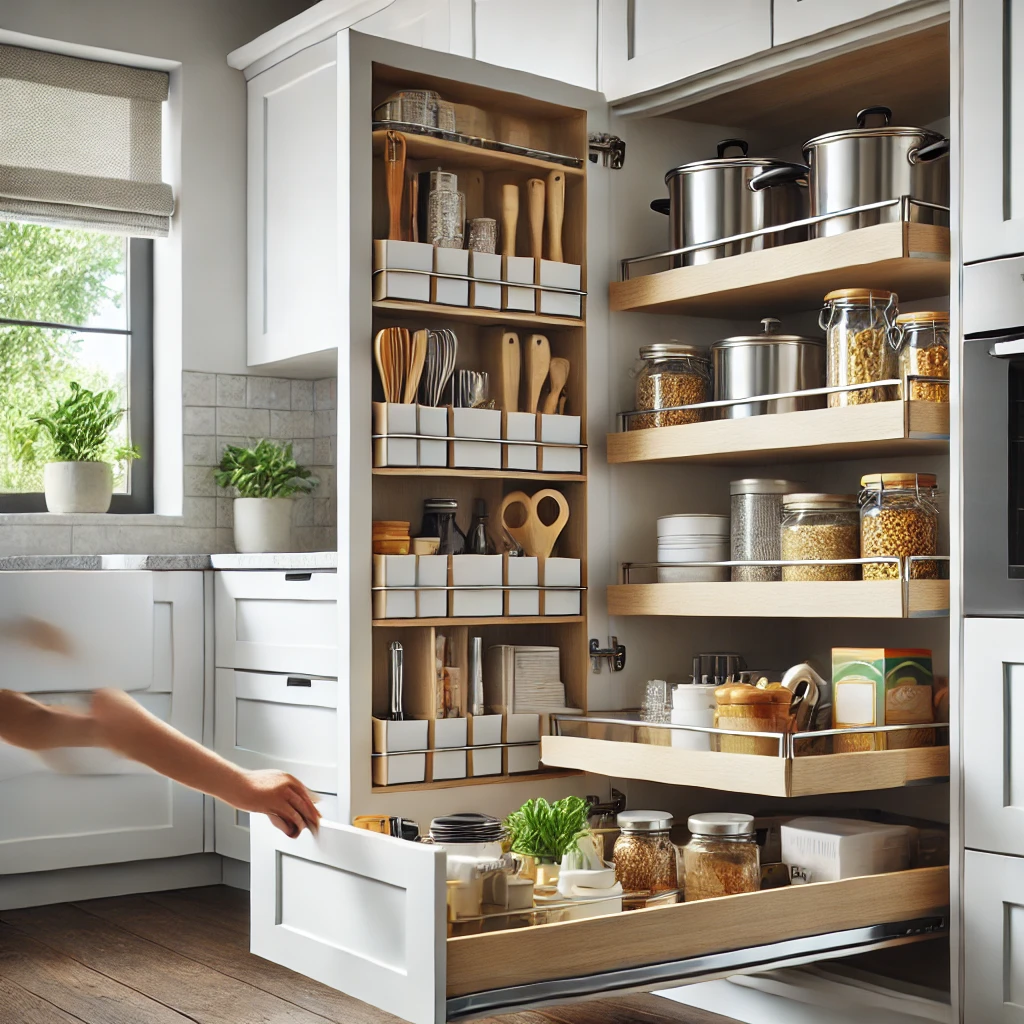
Maximize your kitchen's potential by using vertical space. Install shelves on empty walls. Hang pots and pans to save cabinet space. Consider pegboards to display utensils. Magnetic strips can hold knives and metal tools. This method keeps everything visible and within reach.
Drawer Organizers
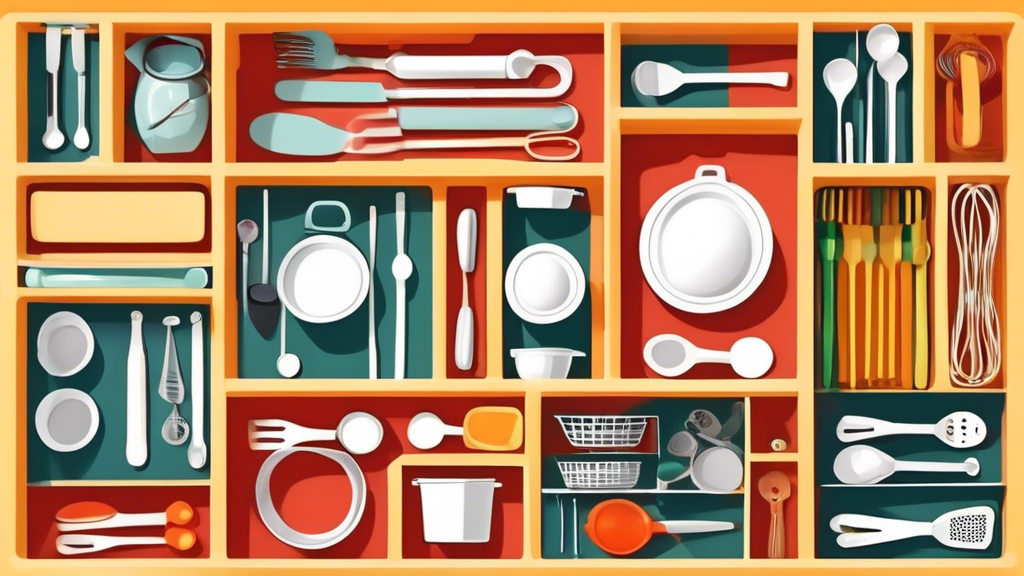
Drawer organizers keep your kitchen tools sorted. Use dividers to separate utensils by type. This prevents clutter and makes items easy to find. Choose adjustable inserts for customizable spaces. This allows for a perfect fit for your drawer sizes. Consider using stackable organizers for deeper drawers. Everything stays neat and accessible.
Credit: wapipro.com
Smart Tool Placement
Efficient kitchen tool organization saves time and space. Group similar items for easy access. Use drawer dividers and wall hooks to maximize storage.
Organizing kitchen tools efficiently can transform your cooking experience from chaotic to streamlined. Smart tool placement is key to achieving this seamless flow. By strategically arranging your kitchen tools, you can make cooking more enjoyable and less time-consuming. Imagine effortlessly reaching for a spatula just when you need it or finding your favorite knife without rummaging through a cluttered drawer. Let's explore how smart tool placement can make your kitchen work for you.
Accessibility And Frequency
Place tools you use most often in the easiest-to-reach spots. Think about the layout of your kitchen and identify high-traffic areas. Keep everyday items like spatulas, ladles, and tongs within arm's reach of the stove. Store less frequently used items, such as specialty baking tools or holiday-themed gadgets, in less accessible spaces. This ensures your daily routine remains uninterrupted. For instance, a top cabinet might be perfect for those cookie cutters you only pull out once a year. Consider your cooking habits. Do you often make smoothies? Keep your blender and related tools on the counter or in a cabinet that's easy to access. This approach saves time and keeps your workflow smooth.
Grouping Similar Items
Group similar kitchen tools together to avoid chaos. Organize drawers by function: a drawer for baking tools, another for cutting tools, and one for miscellaneous utensils. This makes finding the right tool quick and easy. Utilize drawer organizers or dividers to keep items neatly separated. A tidy drawer not only looks pleasing but also enhances efficiency. When you open a drawer and see everything in its place, you save seconds that can add up during meal prep. Think vertically as well. Install a pegboard or magnetic strip for metal tools like knives and scissors. This not only frees up drawer space but also keeps sharp items safely out of reach from young children. Smart tool placement requires a bit of planning but pays off immensely. As you ponder your kitchen layout, ask yourself: What changes can I make to enhance my cooking experience? Remember, a well-organized kitchen is not only functional but also a joy to work in.
Labeling And Identification
Organize kitchen tools efficiently by labeling drawers and shelves. Clear labels help quickly identify items, saving time during meal prep. Group similar tools together for easy access.
Labeling and IdentificationOrganizing your kitchen tools can transform your cooking experience. A major part of this organization involves labeling and identification. When each tool has its designated spot and clear labeling, you’ll not only save time but also reduce stress during meal prep. Imagine reaching for a spatula and knowing exactly where it is, without rummaging through drawers. Labeling ensures that even the most cluttered kitchens can become havens of efficiency.
Benefits Of Labeling
Labeling your kitchen tools has several advantages. You can quickly find what you need, leading to faster meal prep. It also makes it easier for other family members to help out without constant guidance. Consider how labeling promotes a clutter-free environment. Tools left randomly around the kitchen often disrupt your workflow. Labels give each tool a permanent home, making it easier to maintain order. Another benefit is the reduction of duplicate purchases. When tools are labeled and neatly organized, you are less likely to buy items you already own. This means more space and savings in your pocket.
Effective Labeling Techniques
Start by categorizing your kitchen tools. Group similar items together, such as baking tools, utensils, and gadgets. Use clear, durable labels that can withstand kitchen wear and tear. Consider color coding as an effective technique. Use different colors for various categories. For example, red labels for baking tools and blue for utensils. This visual aid can make identification quicker. Ensure the labels are easy to read. Large, bold fonts are ideal, especially if you’re in a hurry. Avoid overly decorative fonts that might look pretty but are hard to decipher. Why not add a personal touch? Use a label maker or even handwritten labels for a homely feel. Share your labeling system with family members. This way, everyone is on the same page, and maintaining order becomes a team effort. Do you have a unique labeling technique that works for you? Sharing your ideas can inspire others to find their perfect system. Organizing your kitchen tools with effective labeling can transform your cooking experience into a seamless process. Make your kitchen a place of joy and efficiency, one label at a time.

Credit: smallishhome.com
Sustainable Practices
Efficiently organizing kitchen tools saves space and time. Use drawer dividers and hooks for easy access. Label containers for quick identification, maintaining a clutter-free environment.
Organizing your kitchen tools efficiently can have a significant positive impact on both your daily routine and the environment. Sustainable practices in the kitchen not only help you stay organized but also promote eco-friendly living. By making conscious choices about the materials you use and how you manage waste, you can create a more sustainable kitchen. Let's delve into some practical tips for achieving this.
Eco-friendly Materials
Choosing eco-friendly materials for your kitchen tools is a great way to start. Opt for tools made from bamboo, stainless steel, or glass. These materials are durable and have a lower environmental impact compared to plastic. Bamboo cutting boards, for example, are not only stylish but also biodegradable. They add a natural touch to your kitchen while being gentle on your knives. Stainless steel utensils are another excellent choice, as they are long-lasting and recyclable. Consider reusing glass jars as storage containers. They keep your pantry organized and reduce the need for plastic bags or containers. Have you tried storing your grains or spices in glass jars? It not only looks neat but also keeps them fresh for longer.
Reducing Kitchen Waste
Reducing waste in your kitchen is crucial for sustainability. Start by composting your food scraps. This simple practice significantly decreases the amount of waste you send to the landfill. Plus, it provides nutrient-rich compost for your garden. Plan your meals to avoid food waste. Make a shopping list and stick to it. This prevents overbuying and ensures you only purchase what you need. Reuse and recycle whenever possible. Use old cloth as cleaning rags instead of paper towels. Set up a recycling station in your kitchen to make it easier to sort recyclables. How many times have you found yourself throwing away items that could have been recycled or repurposed? By implementing these sustainable practices, you're not just organizing your kitchen tools efficiently; you're making a positive impact on the planet. What steps will you take to make your kitchen more eco-friendly today?
Maintenance And Upkeep
Maintaining and upkeeping your kitchen tools ensures they last longer. It also helps you work more efficiently in the kitchen. A well-organized kitchen is not just about arrangement. It is about keeping your tools in top condition. Consistent cleaning and periodic checks are key. Let's explore how to achieve this.
Regular Cleaning Routines
Regular cleaning is vital for kitchen tools. Wipe tools after each use to prevent stains. Wash them with warm soapy water. Dry them thoroughly to avoid rust. Use a soft cloth for gentle drying. For wooden tools, apply mineral oil. This prevents cracking and maintains quality.
Ensure knives remain sharp. Use a sharpening stone regularly. Clean the stone after each use. This keeps your knives effective and safe. It also prolongs their lifespan.
Periodic Reassessment
Over time, kitchen needs change. Assess your tools every few months. Check for wear and tear. Replace damaged tools promptly. Evaluate if you use all the tools you have. Donate or sell those you no longer need.
Reassessing helps you maintain a clutter-free kitchen. It ensures you have the right tools for your cooking style. Keep an inventory list for easy tracking. This makes future reassessments simple and quick.
Credit: prochefkitchentools.com
Frequently Asked Questions
How Can I Categorize Kitchen Tools?
Organize kitchen tools by grouping similar items together, such as baking tools, cooking utensils, and measuring equipment. Consider using drawer organizers and labeled containers to keep everything accessible. This approach makes it easier to find tools and maintain a tidy kitchen.
What Are Essential Kitchen Tools To Keep?
Essential kitchen tools include a chef's knife, cutting board, measuring cups, mixing bowls, and a spatula. These tools cover basic cooking needs. Consider adding a peeler and a whisk for more versatility. Choose quality tools for longevity and better performance.
How Do I Maximize Small Kitchen Space?
Maximize space by using vertical storage, such as wall racks and shelves. Consider drawer dividers for utensils and containers for small items. Use under-sink storage solutions for cleaning supplies. Keep counters clear to create a spacious feel in a small kitchen.
How Often Should I Declutter Kitchen Tools?
Declutter kitchen tools every few months to maintain organization. Regularly assess what you use and discard duplicates or broken items. Keep only essential tools to optimize space. This practice helps in maintaining an efficient and clutter-free kitchen environment.
Conclusion
Organizing kitchen tools can save time and reduce stress. A tidy space makes cooking enjoyable and efficient. Keep frequently used items within easy reach. Store similar tools together for quick access. Use drawer dividers and shelves wisely. Label containers to know what’s inside at a glance.
Regularly check and declutter unnecessary items. Maintain this system for lasting order. Remember, a well-organized kitchen enhances meal preparation. It's not just about order; it’s about creating a pleasant cooking environment. Enjoy the simplicity and ease a neat kitchen offers every day.